
Business
What You Should Know Before Adding a Private Well to Your Florida Property

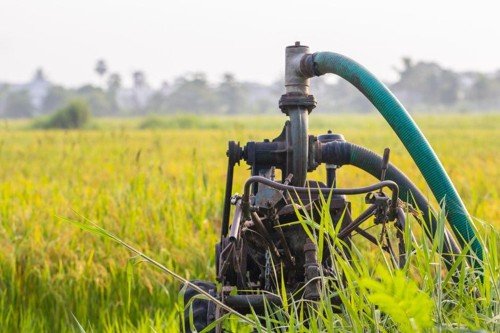
If you live in Naples, Florida, water planning isn’t just a background chore. It affects your lawn, your budget, and even how you handle long dry stretches and heavy rainy seasons. In a place where irrigation matters year-round and utility costs can stack up fast, a private well can look like a smart upgrade. Before you commit, it helps to know how wells work, what they cost, and what ownership actually involves.
The Naples factor: local conditions matter more than you think
Naples has a specific mix of coastal climate, groundwater considerations, and landscaping needs that changes the well conversation. A generic online checklist won’t cover much once local permitting, soil composition, and irrigation demand enter the room.
If you’re looking for professionals that specialize in well drilling Naples, Florida has several local companies that provide services such as water well installation, pump replacement, maintenance, and repairs for residential and commercial properties.
For example, local providers such as Naples Well Drilling Inc. offer well drilling, pump systems, and water treatment solutions tailored to property needs.
Naples also deals with a climate that can swing between soaking rain and stubborn dry periods. That makes system planning more important than many homeowners expect. The goal isn’t just getting water underground and upward. It’s getting a system that performs well without creating expensive surprises later.
Why homeowners consider a private well in the first place
A private well usually enters the conversation when you’re tired of paying treated municipal rates for outdoor water use. If you’re watering grass, landscape beds, palms, or filling decorative water features, using potable water can feel a bit like washing your driveway with bottled water.
For many Florida homeowners, a well offers practical value:
– Lower long-term irrigation costs
– Reduced dependence on city water for outdoor use
– Better support for large landscapes
– More control over property water systems
That said, a well isn’t a magic hole in the ground that prints savings on command. You’re adding equipment, maintenance duties, and permitting steps. The upside can be real, especially on larger lots, but only when your property conditions, water demand, and budget all line up.
How a residential well system actually works
A home well system sounds complicated until you break it into parts. Water is drawn from underground through a drilled well, then moved by a pump through pipes to the places where you need it. Most residential setups for outdoor use connect to irrigation systems rather than indoor drinking water lines.
The core components usually include:
– The well itself
– A pump
– Piping and electrical connections
– Pressure controls, depending on the setup
– Irrigation tie-ins or distribution lines
The real variable is the site. Soil conditions, groundwater depth, and local codes shape the final design. In Southwest Florida, not every property has the same drilling conditions, even within the same neighborhood. A contractor will usually assess access, expected depth, and intended water use before giving you a serious recommendation.
What you’ll need to think about before installation
Before a drill rig ever shows up, you need to sort through the less glamorous side of the project. This is where smart planning saves money and frustration.
Start with these questions:
– What will the well be used for?
– How large is the area you want to irrigate?
– Is there enough access on the property for equipment?
– What are the local permit requirements?
– Will the pump capacity match your irrigation needs?
You should also think about future use, not only current needs. Maybe your landscape looks modest now, but if you plan to add tropical plantings, expand turf areas, or install more irrigation zones, your system should account for that.
A well sized too small can leave you with weak performance. A setup that ignores property logistics can turn installation day into a very expensive puzzle. Neither option is fun, unless your hobby is avoidable invoices.
Costs, savings, and the budget reality
Most homeowners want one straight answer on cost, but wells don’t work like buying a standard appliance. Pricing depends on drilling depth, equipment type, pump requirements, permitting, and site conditions. Distance from access points and any extra system work can also affect the final bill.
What you’re paying for often includes:
– Site evaluation
– Drilling labor and equipment
– Pump installation
– Electrical and piping work
– Connection to irrigation systems
– Permit-related requirements
The savings side usually shows up over time, especially if your irrigation demand is high. If you currently use city water heavily for landscaping, a well can reduce those recurring costs. Still, you shouldn’t view it as instant payback. It’s more like a long-game home improvement project: practical, useful, and strongest when the numbers make sense for your property.
Maintenance isn’t optional, even if the system seems fine
A private well can run quietly in the background for years, which sometimes tricks homeowners into ignoring it. Quiet equipment has a way of looking innocent right before it demands repairs.
Regular maintenance helps you catch issues early, including:
– Pump wear
– Pressure inconsistencies
– Electrical faults
– Clogged or damaged irrigation connections
– Reduced water flow
If your sprinklers suddenly lose pressure, zones run unevenly, or the system starts cycling strangely, don’t assume the lawn is just being dramatic. Those signs can point to pump or well performance issues.
Routine inspections matter because small problems can build into bigger ones. A struggling pump can put stress on the whole setup. Irrigation inefficiency can also waste the savings that made the well attractive in the first place. Owning a well isn’t difficult, but it does reward attention.
Choosing the right contractor without guessing
This is one of the biggest decisions in the process. A qualified contractor doesn’t just drill and leave. You want someone who understands local property conditions, system sizing, pumps, irrigation integration, and permitting requirements.
When comparing contractors, look for:
– Experience with residential wells in your area
– Knowledge of irrigation system connections
– Clear explanations of equipment choices
– Transparent estimates
– Willingness to discuss maintenance and service
Ask specific questions. What pump type fits your property? How will the system support your current irrigation zones? What warning signs should you watch for after installation? Good contractors answer without turning every sentence into a sales pitch.
The best choice usually feels less flashy and more solid. You’re not hiring someone to install mood lighting. You’re hiring someone to build part of your property’s working infrastructure.

Naomi Burton-Crews: The Heartwarming Story of Terry Crews’ Eldest Child

Ashanti Net Worth: Her Biggest Hits, Business Ventures, and Fortune

Who Is Daena E. Title? The Untold Story of Jason Alexander’s Wife

Gina Kimmel: What Happened to Jimmy Kimmel’s First Wife?

Sanne Hamers: Everything to Know About Wyatt Russell’s Former Wife

Matt Rife Net Worth: How Much Money Does the Viral Comedian Make?

Clix Net Worth: How Cody Conrod Turned Gaming Into a Million Dollar Career

What You Should Know Before Adding a Private Well to Your Florida Property

Batmou: What Is It and How Does It Work? A Complete Guide

Lanie Gardner Net Worth: Inside Her Income Music Career and Success

Arbello Barroso: Where Is Luciana Barroso’s Ex-Husband Now?

Suzanne Bukinik: Everything to Know About Brad Falchuk’s Ex-Wife

Maria Jesus Pariente: What We Know About Enzo Maresca’s Wife

Who Is Astrid Menks? All About Warren Buffett’s Wife

Who Is April Dubois? All About Wesley Snipes’ Ex-Wife

Berkin Gökbudak: What to Know About Aslı Enver’s Husband

Who Is Kate Connelly? All About Bobby Flay’s Ex-Wife

Erika Riker: Where Is Randy Jackson’s Ex-Wife Now?

Andrea Sarubbi: Who Is Luke Kirby’s Wife and What Does She Do?

Patricia Rahman: The Full Story of James Marsters’ Ex-Wife
Naomi Burton-Crews: The Heartwarming Story of Terry Crews’ Eldest Child
Ashanti Net Worth: Her Biggest Hits, Business Ventures, and Fortune
Who Is Daena E. Title? The Untold Story of Jason Alexander’s Wife
Gina Kimmel: What Happened to Jimmy Kimmel’s First Wife?
Sanne Hamers: Everything to Know About Wyatt Russell’s Former Wife
Matt Rife Net Worth: How Much Money Does the Viral Comedian Make?
Clix Net Worth: How Cody Conrod Turned Gaming Into a Million Dollar Career
What You Should Know Before Adding a Private Well to Your Florida Property
Batmou: What Is It and How Does It Work? A Complete Guide
Lanie Gardner Net Worth: Inside Her Income Music Career and Success
-

 News1 month ago
Who Is Gigi Yallouz? Meet Owain Yeoman’s Wife and Jewelry Designer
-

 News2 months ago
Rajesh Nihalani: What We Know About Archie Panjabi’s Husband
-

 News2 months ago
Stephan Farmiga: Everything to Know About Vera Farmiga’s Brother
-

 News2 months ago
Tara Nadella: What We Know About Satya Nadella’s Daughter