Home Improvement
Improving Indoor Air Quality While Upgrading Your Heating System


Introduction
We spend a significant amount of our time indoors, often as much as 90% of our day. This means the quality of the air within our homes and workplaces directly influences our health and comfort. Unfortunately, indoor air can contain pollutant concentrations that are two to five times higher than outside, posing risks to our respiratory health. As we plan for colder weather and consider essential heating system upgrades for our properties, it’s crucial to understand how these systems impact our indoor air quality. An upgrade is more than just improving warmth; it’s a vital chance to enhance the health of your indoor environment.
Understanding the intricate dance between your heating system and the air you breathe is key to fostering a truly healthy indoor environment. Many factors, from the type of heating system to how well it’s maintained, can either trap or help clear airborne pollutants. We’ll delve into common indoor pollutants and their health impacts, examine how different heating methods affect particle dispersion, and highlight essential regulatory standards. We’ll also explore risks from unvented devices, optimize ventilation strategies, and discuss best practices for controlling allergens. For comprehensive indoor air quality solutions, it’s wise to consider integrated approaches. Finally, we’ll look at emerging technologies and how climate change affects indoor heat and air quality, guiding you toward informed decisions for your building’s future.
The Core Connection Between Indoor Air Quality and Heating Systems
The relationship between indoor air quality and heating systems is multifaceted. Heating systems, while essential for comfort, can significantly influence the concentration and dispersion of various indoor air pollutants. Understanding these interactions is the first step toward creating healthier indoor environments.
Primary indoor air pollutants commonly found in heated spaces include:
- Particulate Matter (PM): These tiny particles, such as dust, pollen, pet dander, and combustion byproducts, can become airborne and inhaled. Heating systems, particularly forced-air systems, can resuspend settled particles from surfaces and ductwork, distributing them throughout a space. Fine particulate matter (PM2.5) is especially concerning as it can penetrate deep into the lungs and even enter the bloodstream, contributing to respiratory and cardiovascular issues.
- Nitrogen Dioxide (NO2): A byproduct of combustion, NO2 is commonly emitted by gas stoves, unvented gas heaters, and even some central heating furnaces if not properly vented. Elevated NO2 levels can cause respiratory irritation, exacerbate asthma, and increase susceptibility to respiratory infections.
- Carbon Monoxide (CO): Known as the “silent killer,” CO is an odorless, colorless gas produced by incomplete combustion. Faulty furnaces, unvented combustion heaters, and back-drafting flues are common sources. Even low levels of CO can cause headaches, dizziness, and nausea, while high concentrations can be fatal.
- Volatile Organic Compounds (VOCs): These are gases emitted from certain solids or liquids, including building materials, furnishings, cleaning products, and paints. While not directly produced by heating systems, the operation of these systems can influence their dispersion. Higher indoor temperatures, often maintained by heating systems, can increase the off-gassing rates of some VOCs from materials.
Heating systems affect these pollutants through several mechanisms:
- Thermal Plumes and Air Circulation: Convective heating systems (like forced-air furnaces or radiators) create thermal plumes that drive air movement. This circulation can stir up settled dust and particles, keeping them suspended in the air longer. The design and operation of these systems dictate airflow patterns, which in turn influence how pollutants are distributed or diluted within a room.
- Particle Resuspension: When heated air moves rapidly across surfaces, it can lift settled particles back into the breathing zone. This is particularly relevant for forced-air systems where air is blown through vents. Radiant heating systems (like floor heating) tend to create less air movement, potentially leading to lower particle resuspension rates.
- Ventilation Interaction: Heating systems operate within the overall building envelope. Their interaction with ventilation—or lack thereof—determines how quickly pollutants are removed or diluted. A well-sealed, heated home without adequate fresh air intake can accumulate pollutants, whereas a properly ventilated system can help mitigate these concentrations.
Understanding these dynamics is crucial for making informed decisions about heating system selection, operation, and maintenance to safeguard indoor air quality.
Pollutant Type Common Sources in Heated Spaces Health Effects Particulate Matter Dust, pollen, pet dander, combustion byproducts, forced-air systems Respiratory irritation, asthma exacerbation, cardiovascular issues, lung damage Nitrogen Dioxide Gas stoves, unvented gas heaters, faulty furnaces Respiratory irritation, increased asthma symptoms, susceptibility to infections Carbon Monoxide Faulty furnaces, unvented combustion devices, blocked flues Headaches, dizziness, nausea, fatigue, impaired judgment, unconsciousness, death VOCs Building materials, furnishings, cleaning products, paints Eye, nose, and throat irritation, headaches, nausea, damage to liver/kidney/central nervous system, some are carcinogenic (long-term exposure)
Evaluating Unvented Combustion Devices and Indoor Air Quality and Heating Risks
Unvented combustion devices, such as unvented gas heaters, kerosene heaters, and even gas stoves without proper ventilation, pose significant risks to indoor air quality. Unlike vented appliances that exhaust combustion byproducts directly outdoors, these devices release all their emissions directly into the living space.
The primary concerns with unvented combustion devices include:
- Carbon Monoxide (CO) Accumulation: As noted, CO is a dangerous byproduct of incomplete combustion. Studies have shown that homes using unvented gas heaters can easily exceed safe CO levels. For instance, in one study of 30 homes using these heaters, 20% surpassed the EPA and WHO threshold for an 8-hour average CO level of 9 ppm. This highlights the immediate danger these devices present.
- Nitrogen Dioxide (NO2) Spikes: Unvented devices are also significant sources of NO2. The same study found that 80% of homes with unvented gas heaters experienced NO2 levels greater than EPA, WHO, and Health Canada 1-hour thresholds. For context, homes with gas cooking often have median bedroom NO2 concentrations of 14-16 ppb, compared to 6-7 ppb in homes with electric cooking. Without range hood use, NO2 concentrations can exceed the 100 ppb over 1-hour threshold in kitchens during cooking events.
- Other Combustion Byproducts: Beyond CO and NO2, these devices can emit ultrafine particles, formaldehyde, and water vapor, contributing to a cocktail of indoor pollutants that can irritate respiratory systems, trigger asthma, and contribute to other health problems.
- Oxygen Depletion: As these devices consume oxygen from the indoor air for combustion, they can deplete oxygen levels, especially in tightly sealed spaces, further exacerbating health risks.
To mitigate these risks, several measures are crucial:
- Avoidance: Ideally, unvented combustion devices should not be used as primary heating sources. ASHRAE (American Society of Heating, Refrigerating and Air-Conditioning Engineers) recommends that they only be used as supplemental heating and with extreme caution.
- Ventilation: If such devices must be used, ensuring robust outdoor exhaust ventilation is paramount. This means using range hoods that vent outside when cooking with gas, and ensuring any unvented heaters are used in well-ventilated areas with open windows or doors, though this negates much of their heating efficiency.
- Safety Features: Modern unvented gas heaters are typically equipped with oxygen depletion sensors (ODS) that shut off the appliance if oxygen levels fall too low. However, these are not foolproof and do not address other pollutant emissions.
- Carbon Monoxide Alarms: Every home with combustion appliances, vented or unvented, should have properly installed and maintained carbon monoxide alarms. These alarms provide an early warning but are not a substitute for preventing emissions.
When considering heating system upgrades, prioritizing vented options that exhaust combustion byproducts safely outdoors is a critical step towards improving indoor air quality. For those seeking comprehensive indoor air quality solutions that address combustion byproducts and other pollutants, consulting with HVAC professionals is highly recommended.
Controlling Biological Allergens and Moisture Dynamics
Biological allergens like dust mites, mold, pet dander, and cockroach allergens are common indoor air quality concerns, and their presence is often intricately linked to indoor environmental conditions, particularly temperature and humidity, which heating systems directly influence.
- Dust Mites: These microscopic creatures thrive in warm, humid environments, making many heated homes ideal habitats. They feed on shed human skin cells and are typically found in bedding, upholstered furniture, and carpets. To control dust mites, aim to keep indoor relative humidity below 50% (ideally between 30-50%). Air conditioning and dehumidifiers can help achieve this. Washing bedding weekly in hot water (at least 130°F) and drying on high heat effectively kills dust mites and removes allergens. Allergen-proof encasements for mattresses and pillows also provide a significant barrier.
- Mold Prevention: Mold requires moisture to grow. Leaks, high indoor humidity, and condensation are common culprits. Heating systems can sometimes contribute to condensation if not properly balanced with ventilation, or if temperature differences create cold spots. Addressing leaks promptly, ensuring adequate ventilation in bathrooms and kitchens, and maintaining indoor humidity below 60% (ideally 30-50%) are key. If mold appears, it should be cleaned with detergent and water, and the area thoroughly dried. For larger infestations (over 10 square feet), professional remediation may be necessary.
- Pet Dander: Pet allergens are found in an animal’s saliva, dander (skin flakes), and urine, not just their fur. These allergens can become airborne and circulate throughout a home, often exacerbated by forced-air heating systems that distribute them. Regular vacuuming with a HEPA filter, frequent washing of pet bedding, and keeping pets out of bedrooms can help. High-efficiency air filters in your HVAC system can also capture some pet dander.
- Cockroach Allergens: Even in seemingly clean homes, cockroach allergens can be present, especially if there are unsealed water sources or food crumbs. These allergens are found in their droppings and body parts. Sealing cracks and crevices, fixing leaks, storing food in sealed containers, and keeping kitchens clean are essential. Professional pest control might be needed for infestations.
Relative Humidity Control is a critical factor in managing all these biological allergens. While heating systems warm the air, they can also dry it out excessively in winter, or, conversely, create conditions for condensation if not managed properly. A balanced approach involves:
- Humidifiers/Dehumidifiers: Using whole-house humidifiers or dehumidifiers integrated with your HVAC system can help maintain optimal humidity levels year-round.
- Ventilation: Proper ventilation, especially in moisture-prone areas like bathrooms and kitchens, helps remove excess humidity before it can lead to mold growth.
- Temperature Consistency: Maintaining a consistent indoor temperature can help prevent condensation on cooler surfaces.
By proactively managing humidity and maintaining a clean environment, we can significantly reduce the presence of biological allergens and improve overall indoor air quality.
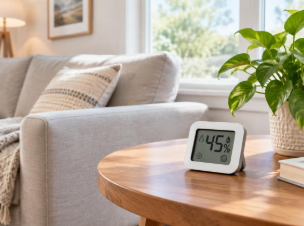
Particle Dynamics and Decay Rates Across Different Heat Delivery Methods
The type of heating system employed in a building has a measurable impact on how airborne particles behave, specifically their decay rate and removal efficiency. This is largely due to the differing airflow patterns and thermal effects generated by various heat delivery methods.
- Forced-Air Convection Systems (e.g., Furnaces with Ducts): These systems heat air in a central unit and then distribute it through ducts and vents. They create significant air movement, which can lead to higher particle resuspension from floors and surfaces. While the continuous air circulation can aid in filtration if high-efficiency filters are used, the initial effect is often to keep particles airborne longer. The effectiveness of particle removal in these systems is heavily reliant on the filter’s MERV rating and how often the air is circulated through the filter.
- Hydronic Radiators: Radiators heat the air primarily through convection. Warm air rises from the radiator, creating a thermal plume that circulates air within the room. This can also lead to particle resuspension, but generally less vigorously than forced-air systems. The air velocity generated is typically lower, which may allow for more particle settling.
- Radiant Floor Heating (and Ceiling/Wall Panels): These systems heat surfaces directly, which then radiate heat into the room. They produce very little air movement or convection currents. As a result, radiant heating systems tend to cause significantly less particle resuspension compared to convective systems. This can lead to lower concentrations of airborne dust and allergens, making them a preferred choice for individuals with respiratory sensitivities.
- Fan Coil Units: These units combine a coil (for heating or cooling) with a fan to circulate air. They are essentially localized forced-air systems. The fan actively moves air over the coil and into the room, creating air currents that can resuspend particles. However, their design can also be advantageous for particle removal. Research has shown that for an intermediate ventilation rate, the particle deposition rate in fan coil systems can be 3.6 times faster than radiators and 2.4 times faster than floor heating systems. This suggests that the directed airflow from fan coils, when properly integrated with ventilation, can enhance particle capture or deposition.
Particle Deposition Rates and CFD Modeling: The efficiency with which airborne particles settle out of the air or are removed by ventilation is known as the particle decay rate. Computational Fluid Dynamics (CFD) modeling is a powerful tool used by researchers to simulate airflow patterns and particle trajectories within indoor spaces for different heating and ventilation configurations. These models help predict how quickly particles will be removed or deposited, providing valuable insights for system design. For instance, CFD studies can show how the placement of heating elements relative to ventilation inlets/outlets can drastically alter particle distribution and removal.
Heating Delivery System Primary Heat Transfer Air Velocity Generation Particle Resuspension Potential Particle Removal Efficiency (Relative) Notes Forced-Air Convection High High Moderate (filter-dependent) Can distribute allergens widely; efficiency depends heavily on filter quality and fan operation. Hydronic Radiators Convection/Radiation Moderate Moderate Low to Moderate Creates localized thermal plumes; less vigorous air movement than forced-air. Radiant Floor/Ceiling Radiation Very Low Very Low High (due to less resuspension) Ideal for allergy sufferers due to minimal air disturbance; particles settle more readily. Fan Coil Units Convection Moderate to High Moderate to High High (can enhance deposition) Active air movement can resuspend particles but also direct them towards deposition surfaces or filters more effectively under certain conditions.
Optimizing Heat Recovery Ventilation with Heat Source Positioning
Integrating Heat Recovery Ventilation (HRV) or Energy Recovery Ventilation (ERV) systems with heating systems is a cornerstone of modern, energy-efficient buildings that prioritize indoor air quality. HRVs continuously bring in fresh outdoor air while exhausting stale indoor air, transferring heat (and sometimes moisture, in ERVs) between the two airstreams to minimize energy loss. However, the effectiveness of this combination in removing airborne particles can be significantly influenced by the strategic placement of heating elements.
Research has highlighted the importance of this spatial relationship. For instance, studies examining the interaction between HRV and various heating systems have found that the positioning of a radiator relative to the ventilation unit can dramatically impact particle decay rates and removal efficiency. Specifically, displacing a radiator to the opposite side of the ventilation unit (i.e., the HRV supply diffuser) can have a profound positive effect. This configuration has been shown to quadruple the particle removal efficiency and lead to a remarkable 140% enhancement of the decay rate coefficient.
Why does this happen? The strategic placement likely creates more effective air circulation patterns that help guide airborne particles towards the exhaust outlet of the HRV system, or promotes their deposition on surfaces in a more controlled manner. The thermal plume from the radiator, when positioned optimally, can work in concert with the fresh air supply from the HRV to create a more efficient “air wash” effect, sweeping pollutants out of the breathing zone.
Key takeaways for optimizing HRV with heat source positioning:
- Consider Airflow Paths: When designing or upgrading systems, visualize how heated air will interact with fresh air from the HRV. The goal is to create a well-mixed environment that efficiently moves pollutants towards exhaust points.
- Radiator Placement: If using radiators, consider placing them on the wall opposite the primary HRV supply air diffuser. This can create a more effective cross-flow ventilation pattern.
- Air Change Rates (ACH): While heating system type and placement matter, increasing the ventilation rate (ACH) generally improves particle removal regardless of the heating system. However, at intermediate ventilation rates, the impact of heating system configuration becomes most pronounced.
- Balanced Air Exchange: HRVs ensure balanced air exchange, preventing negative or positive pressure extremes that could draw in unfiltered air or push conditioned air out inefficiently. This balance is crucial for maintaining consistent indoor air quality.
By carefully considering the interplay between heat delivery and fresh air supply, building occupants can achieve superior indoor air quality, particularly regarding the removal of airborne particles, without compromising energy efficiency.
Integrating Multi-Zone VAV Controls for Indoor Air Quality and Heating Performance
In modern residential and commercial buildings, achieving optimal indoor air quality and heating performance simultaneously often requires sophisticated control strategies. Multi-zone Variable Air Volume (VAV) systems offer a powerful solution by allowing precise, room-level environmental control. Unlike Constant Air Volume (CAV) systems that deliver a fixed amount of air, VAV systems can vary the airflow rate to different zones based on demand.
The integration of VAV controls for both heating and IAQ involves a dual-parameter regulation approach:
- Airflow Rate Control: VAV boxes regulate the volume of conditioned air delivered to each zone. This means that if a room is unoccupied or requires less ventilation, the airflow can be reduced, saving energy. Conversely, if CO2 levels rise (indicating occupancy or poor air quality), airflow can be increased to dilute pollutants.
- Supply Air Temperature Control: Advanced VAV systems can also adjust the temperature of the air supplied to individual zones. This allows for personalized thermal comfort settings in different rooms, preventing overheating in some areas while ensuring adequate warmth in others.
Key strategies and benefits of integrating multi-zone VAV controls:
- Critical-Zone Reset: This energy-saving strategy optimizes fan speed. Instead of running the central fan at maximum capacity, the VAV system monitors the zone with the highest airflow demand (the “critical zone”) and adjusts the fan speed to meet that demand, ensuring all other zones also receive their required airflow. This significantly reduces fan energy consumption.
- Dynamic CO2 Tracking: By incorporating CO2 sensors in each zone, the VAV system can dynamically adjust ventilation rates based on actual occupancy. When CO2 levels exceed a set threshold, the system increases fresh air supply to that specific zone, effectively diluting airborne contaminants and maintaining optimal IAQ without over-ventilating unoccupied spaces.
- Temperature Setpoints and Occupancy Sensors: Occupancy sensors can further refine VAV operation. When a room is vacant, the system can automatically set back temperatures or reduce ventilation, conserving energy. When occupied, it reverts to desired temperature and IAQ setpoints.
- Humidity Management: While VAV systems primarily control temperature and airflow, their precise airflow management can indirectly assist with humidity control by ensuring adequate air circulation and removal of moisture-laden air from specific zones.
- Enhanced Comfort and Health: By providing precise control over temperature and ventilation in each zone, VAV systems eliminate hot/cold spots and ensure a continuous supply of fresh, clean air tailored to the needs of the occupants. This leads to improved comfort, reduced exposure to pollutants, and better health outcomes.
The ability of VAV systems to independently regulate both airflow and temperature per zone makes them a superior choice for optimizing indoor air quality and heating performance in complex buildings. For those looking to upgrade their entire home comfort system, exploring advanced options for heating cooling and indoor air with multi-zone control capabilities can provide significant long-term benefits in terms of health, comfort, and energy efficiency.
Regulatory Standards, Heat Stress, and Emerging Heating Technologies
Navigating the landscape of indoor air quality and heating requires an understanding of key regulatory standards, how climate change impacts our indoor environments, and the promising new technologies on the horizon.
Key Regulatory Standards and Guidelines
Several organizations provide crucial guidelines and standards for indoor air quality and heating, applicable to both residential and commercial buildings:
- ASHRAE (American Society of Heating, Refrigerating and Air-Conditioning Engineers):
- ASHRAE Standard 62.2, “Ventilation and Acceptable Indoor Air Quality in Residential Buildings”: This standard specifies minimum ventilation rates and other measures intended to provide acceptable indoor air quality in low-rise residential buildings. It covers topics like whole-building ventilation, local exhaust ventilation (e.g., kitchen and bath fans), and minimum filtration requirements (often recommending MERV 8 or higher, with MERV 13 becoming more common for enhanced filtration).
- ASHRAE Standard 62.1, “Ventilation for Acceptable Indoor Air Quality”: This applies to commercial and institutional buildings, providing minimum ventilation rates and other measures to ensure IAQ.
- ASHRAE Standard 55, “Thermal Environmental Conditions for Human Occupancy”: Focuses on thermal comfort, providing criteria for temperature, humidity, and air speed.
- EPA (Environmental Protection Agency): The EPA provides extensive information and recommendations on indoor air quality, covering a wide range of pollutants like radon, mold, VOCs, and combustion byproducts. While they set outdoor air quality standards, their indoor guidance is advisory, focusing on public health protection through education and best practices.
- California Code of Regulations (CCR): California often leads in environmental and occupational safety regulations. For example, Title 8 of the CCR includes specific heat illness prevention regulations for indoor workplaces, which we will discuss further. California also has stringent building codes that address ventilation, energy efficiency, and indoor air quality in new construction and major renovations.
- Model Clean Indoor Air Act (Johns Hopkins Center for Health Security): This initiative, released in August 2023, provides a legislative framework for improving IAQ in public buildings. It emphasizes enhanced filtration (MERV 13 or higher), regular HVAC maintenance, increased ventilation, and monitoring of CO2 levels as a proxy for ventilation effectiveness. While a model law, it influences policy discussions nationwide.
These standards emphasize source control, adequate ventilation, and effective filtration as pillars of good indoor air quality.
Mitigating Heat Waves and Workplace Indoor Heat Stress
Climate change is contributing to more frequent and intense heat waves, which significantly impact indoor heat stress and air quality, particularly in workplaces. When outdoor temperatures soar, indoor spaces can become dangerously hot, especially in buildings with inadequate cooling or ventilation.
- Indoor Heat Stress: Prolonged exposure to high indoor temperatures can lead to heat-related illnesses, including heat cramps, heat exhaustion, and potentially fatal heat stroke. High temperatures can also exacerbate existing health conditions and reduce productivity.
- Air Quality Impacts: During heat waves, outdoor air quality can also degrade (e.g., increased ozone, wildfire smoke). If buildings rely on natural ventilation or bring in large amounts of unfiltered outdoor air, indoor air quality can suffer. Conversely, tightly sealed buildings without proper ventilation can trap heat and pollutants.
Recommended Controls for Indoor Workplaces (e.g., California Title 8 Regulation): California’s heat illness prevention regulation (Title 8, Section 3395) provides a robust framework for protecting workers from indoor heat stress. It applies to indoor work areas where the temperature or heat index equals or exceeds specific thresholds:
- 82°F (27.8°C): This is an action level. When the temperature equals or exceeds 82°F, or if employees wear restrictive clothing or work in high radiant heat areas, employers must implement specific measures.
- 87°F (30.6°C): This triggers mandatory controls. When the temperature or heat index equals or exceeds 87°F, employers have more extensive obligations.
Controls are typically implemented following a hierarchy:
- Engineering Controls: These are the most effective.
- Air Conditioning: Installing or upgrading HVAC systems to provide adequate cooling.
- Ventilation: Improving general ventilation and localized exhaust to remove hot air.
- Shading: Using window coverings to reduce solar heat gain.
- Insulation: Enhancing building insulation to reduce heat transfer from outside.
- Administrative Controls: These involve changes to work practices.
- Cool-Down Areas: Providing access to cool-down areas maintained below 82°F, with sufficient space for all employees.
- Water Provision: Ensuring free, potable drinking water is readily available (at least one quart per employee per hour).
- Work/Rest Schedules: Implementing planned rest breaks in cool environments.
- Acclimatization: Allowing workers to gradually adjust to hot conditions.
- Training: Educating employees and supervisors on heat illness symptoms and prevention.
- Personal Protective Equipment (PPE): While less effective for heat, cooling vests or moisture-wicking clothing can be used as a last resort.
Proactive measures are essential to protect occupants from the combined threats of heat stress and compromised air quality during extreme weather events.
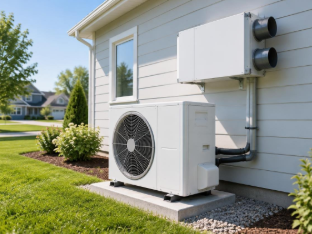
Health-Centered Frameworks for System Selection and Design
Choosing the right heating system is no longer just about cost and efficiency; it’s increasingly about health and environmental impact. Emerging frameworks advocate for a health-centered, multicriteria evaluation approach, recognizing that no single heating technology is universally superior.
Key aspects of these frameworks include:
- Separating Heat Source from Heat Delivery: This is a crucial distinction. The heat source(e.g., natural gas boiler, electric heat pump, biomass stove) determines emissions and indirect health burdens (e.g., air pollution from power plants). The heat delivery method (e.g., forced-air, hydronic radiators, radiant floor/ceiling panels) directly influences indoor pollutant dispersion, air velocity, particle resuspension, and thermal comfort. For example, a ground-source heat pump (source) paired with radiant ceiling panels (delivery) offers very different IAQ benefits than the same heat pump paired with a forced-air system. Radiant systems generally create less air movement, reducing particle resuspension.
- Multicriteria Evaluation: Decisions should weigh multiple factors:
- Health Impacts: Direct indoor exposure to pollutants (e.g., CO, NO2, PM), indirect health burdens from outdoor emissions, and thermal comfort.
- Environmental Impact: Greenhouse gas emissions, refrigerant global warming potential.
- Economic Factors: Levelized cost of heat (considering installation, operating, and maintenance costs over the system’s lifetime).
- Regional Factors: Availability of fuel sources, local climate, electricity grid mix (e.g., renewable energy percentage).
- Regulatory Compatibility: Alignment with local building codes and environmental regulations.
- Emerging Technologies:
- Heat Pumps (Air-Source and Ground-Source): These are highly efficient electric heating and cooling systems that transfer heat rather than generate it. When powered by renewable electricity, they offer significant reductions in greenhouse gas emissions and eliminate on-site combustion pollutants.
- Advanced Radiant Systems: Radiant floors, walls, and ceilings provide even, comfortable heat with minimal air movement, making them excellent for IAQ.
- Real-time IoT Sensors and Smart Controls: Integrated sensors for temperature, humidity, CO2, and VOCs, combined with smart thermostats and building management systems, allow for dynamic, demand-controlled ventilation and heating, optimizing both IAQ and energy use.
- Dual-Fuel Systems: While some older dual-fuel setups (like wood and gas furnaces) require careful monitoring, modern dual-fuel systems often pair a high-efficiency electric heat pump with a fossil-fuel furnace, switching between them based on efficiency and cost, offering flexibility and resilience.
By adopting a health-centered framework, building designers and owners can select heating systems that not only provide comfort and energy efficiency but also actively contribute to a healthier indoor environment for all occupants. This holistic approach is critical for future-proofing buildings in an era of climate change and increasing awareness of indoor environmental quality.
Frequently Asked Questions About Indoor Air Quality and Heating
How do different heating systems affect airborne dust and allergen circulation?
Heating systems influence airborne dust and allergen circulation primarily through the amount of air movement they generate. Radiant heating systems (like heated floors, walls, or ceilings) transfer heat directly to surfaces and objects, creating very little air circulation. This results in minimal disturbance of settled dust and allergens, leading to lower concentrations of airborne particles. Conversely, convective heating systems (such as forced-air furnaces or hydronic radiators) rely on moving air to distribute heat. Forced-air systems, in particular, can stir up settled dust, pet dander, and other allergens from floors, carpets, and ductwork, distributing them throughout the home. Regular duct cleaning and high-efficiency filters (MERV 11-13) are crucial for forced-air systems to mitigate this effect. Radiators create less vigorous air movement than forced-air, but still contribute to some circulation.
Why are unvented gas heaters hazardous to indoor air quality?
Unvented gas heaters are hazardous because they release all combustion byproducts directly into the living space, rather than venting them outdoors. This includes dangerous pollutants like carbon monoxide (CO), an odorless, colorless gas that can be fatal, and nitrogen dioxide (NO2), which irritates the respiratory system and exacerbates asthma. They also emit ultrafine particles and water vapor, contributing to poor indoor air quality and potential moisture issues. Even with oxygen depletion sensors, these devices continuously degrade indoor air quality. They should only be used as a last resort for supplemental heat in very well-ventilated areas, and ideally, replaced with properly vented alternatives.
How does heat recovery ventilation improve winter air quality without energy loss?
Heat recovery ventilation (HRV) systems continuously exhaust stale, pollutant-laden indoor air and supply fresh outdoor air. The key to their energy efficiency lies in their air-to-air heat exchanger. As the warm indoor air passes through the exchanger, it transfers its heat to the incoming cold outdoor air, pre-warming it before it enters the living space. This process recovers a significant portion of the heat that would otherwise be lost with traditional ventilation, reducing the heating load on your furnace. By providing continuous fresh air, HRVs dilute indoor pollutants (like CO2, VOCs, and particles) and help control humidity, all while maintaining thermal comfort and minimizing energy waste, making them ideal for improving winter air quality in energy-efficient homes.
Conclusion
Improving indoor air quality while upgrading your heating system is not merely a matter of comfort; it is a critical investment in health and well-being. As we spend the vast majority of our lives indoors, the air we breathe directly impacts our respiratory health, cognitive function, and overall quality of life. The intricate relationship between heating systems and indoor air quality—from pollutant dispersion to allergen control—underscores the need for a holistic approach to HVAC design and maintenance.
By understanding the risks associated with unvented combustion devices, optimizing ventilation strategies like heat recovery, and selecting heat delivery methods that minimize particle resuspension, we can create healthier indoor environments. Adhering to regulatory standards, adapting to climate challenges, and embracing emerging technologies like multi-zone VAV controls and health-centered system frameworks further empower us to make informed decisions.
A modern, efficient heating system should do more than just keep us warm; it should actively contribute to a cleaner, safer, and more comfortable indoor atmosphere. Prioritizing source control, balanced mechanical ventilation, and high-efficiency filtration during any heating upgrade ensures long-term respiratory health and a truly healthy home or workplace.

SEO Content Writing Tips: A Complete Guide to Better Rankings and Engagement

How to Build a Diamond Wardrobe That Survives Every Style Phase

How Daily Life Changes Shape the Value of an Injury Claim in Colorado

How to Recognize and Report Healthcare Fraud

Turn Your Creative Ideas Into Products With a Desktop Laser Engraver

Jeremy Renner Net Worth, Salary, Marvel Earnings, and Real Estate Wealth

Peter Facinelli Net Worth, His Twilight Success, Career, and Wealth

Nara Smith Net Worth, How Modeling and TikTok Made Her Rich

Jimmy O. Yang Net Worth, His Rise From Struggling Comedian to Famous Actor

Barbara Avery: Where Is James Avery’s Wife Now?

How to Make Kofta Kebabs at Home Without Overthinking It

Ethan Klein Net Worth: YouTube H3 Podcast and His Wealth

Oleksandra Zelenska: Who Is Volodymyr Zelensky’s Daughter?

Who Is Angel Iris Murphy Brown? All About Mel B’s Child

Rebecca Liddicoat: What Happened to RG3’s First Wife After Divorce?

Kai Dugan: Everything to Know About Jennifer Connelly’s Son

Beyond the Interior: Home Improvements That Transform Your Entire Property

Nicole Aniston Net Worth: Career, Income, and Wealth Explained

Lex Fridman Net Worth: Salary, Podcast and YouTube Money

Vivian Jenna Wilson Net Worth: How Elon Musk’s Daughter Makes Her Own Money
SEO Content Writing Tips: A Complete Guide to Better Rankings and Engagement
How to Build a Diamond Wardrobe That Survives Every Style Phase
How Daily Life Changes Shape the Value of an Injury Claim in Colorado
How to Recognize and Report Healthcare Fraud
Turn Your Creative Ideas Into Products With a Desktop Laser Engraver
Jeremy Renner Net Worth, Salary, Marvel Earnings, and Real Estate Wealth
Peter Facinelli Net Worth, His Twilight Success, Career, and Wealth
Nara Smith Net Worth, How Modeling and TikTok Made Her Rich
Jimmy O. Yang Net Worth, His Rise From Struggling Comedian to Famous Actor