
Business
How to Choose the Right Corporate Shirts for Your Business in Malaysia

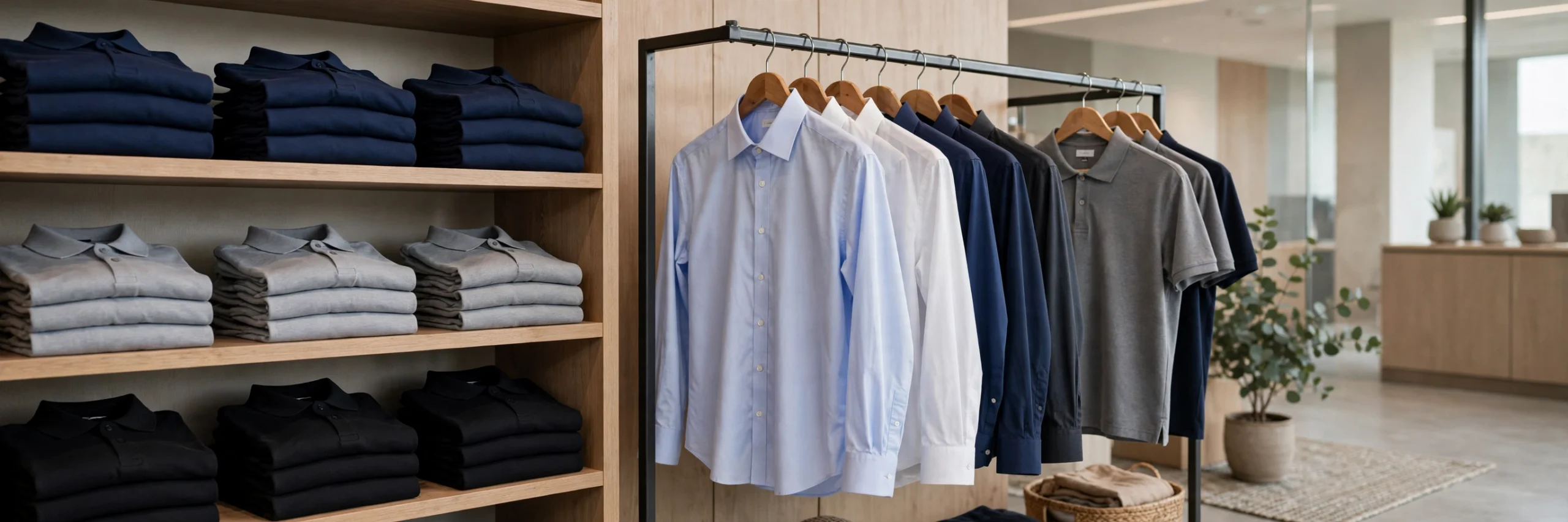
A company's professional image is shaped by more than its logo, website, or office design. The way employees dress also shapes how customers see the business. Clean, comfortable and well-designed uniforms give a team a sense of unity and professionalism.
That is why many businesses invest in corporate shirts. Whether for office staff, retail crew or sales teams, the right uniform shows that everyone belongs to the same organisation. However, choosing the right shirts involves more than adding a logo to plain garments. Fabric, fit, colour, and printing quality all play an important role.
Comfort is particularly essential to businesses in Malaysia, where the hot and humid weather makes it important. These are some practical considerations before placing an order of corporate shirts for your team.
1. Choose a Shirt Style That Matches Your Workplace
The initial action is to know where the workers will wear their uniforms. An office shirt cannot be worn by an individual working in the field or by one who has to serve clients all day.
Office workers, management teams, and employees who are dealing with clients mostly wear button-down shirts. They create a smart appearance and work well for businesses that prefer a traditional corporate look.
Polo shirts are more natural and keep employees presentable. They can be used in retail outlets, restaurants, customer support departments and promotions.
The other alternative available to companies seeking an appearance that is professional yet modern is modern smart wear. These shirts may be appropriate for businesses that have simple designs and clean cuts.
Select a style that portrays your company and yet enables employees to move freely during working hours.
2. Select Comfortable and Durable Fabrics
Fabric is one of the most important factors when choosing company uniforms. Employees may wear the same shirts several times a week, so the fabric must be comfortable and keep its appearance after frequent washing.
- Here are some common options:
- Cotton: Soft and comfortable, making it suitable for everyday wear. But it is able to absorb moisture and might take longer to dry.
- Polyester: Tough, lightweight products exist, and the material tends to dry fast. It is comfortable depending on the fabric construction.
- Cotton-polyester blends: Combine properties of both fibres and can offer a practical balance between comfort and easy maintenance.
- Polyester-viscose combinations: These are frequently smooth and have a shiny look, and thus can be used in smart business wear.
When comparing fabrics, businesses in Malaysia should also consider breathability and moisture management. A shirt that looks good but feels uncomfortable on hot days may not be practical as an everyday uniform.
Check the fabric composition, thickness and washing instructions before placing an order.
3. Pick Colours That Represent Your Brand
Your business can also become recognisable by donning corporate shirts. It is also advisable to use colours that identify with your brand to make your team look uniform.
Navy blue, black, grey, white, and light blue are common choices because they create a neat and professional look.
Nevertheless, you need not have multiple colours simultaneously. A plain shirt with a contrasting company logo can appear to be more organised than a design with too many things.
Also consider the working environment. Light colours can be applicable to the office workers whereas darker colours can be more convenient to staff in an area where clothes are easily soiled.
4. Choose the Right Logo Printing Method
Adding your company logo makes ordinary shirts part of your brand identity. However, different printing methods create different results.
Embroidery
Embroidery involves using thread to sew a design on the cloth. It develops a rough and elevated texture and can be frequently used in professional uniforms.
It is especially effective on simple company logos on polo shirts and button-down shirts.
DTF Printing
Direct-to-film (DTF) printing transfers printed artwork to fabric with the use of heat. It supports detailed designs, multiple colours, and gradients.
The technique may be applied when your logo has colourful artwork or other minor design details.
Silkscreen Printing
Silkscreen printing uses ink through a mesh screen. It is mostly applied to bold designs and higher production volumes.
It may be a viable option when a company requires a large quantity of shirts with a common logo.
| Method | Best suited for |
|---|---|
| Embroidery | Simple, professional logos |
| DTF printing | Detailed and colourful artwork |
| Silkscreen printing | Bold designs and larger orders |
\Consider your budget, order quantity, fabric type, and logo design before deciding on a method.
5. Get the Right Sizes and Fit
Even appealing uniforms can turn out to be an issue when they are ill-fitting. Employees have different body shapes and preferences, so offering suitable sizes is important.
Before ordering, check the supplier's size chart and compare chest, shoulder, and shirt-length measurements. Choose regular fits, slim fits, or relaxed fits.
When possible, take samples or make an appointment to have a fitting done prior to a large order. This will assist you in verifying the real fit of the product rather than just depending on product photographs.
It is also worth keeping a few spare shirts in commonly needed sizes for new employees or replacements.
6. Consider Washing and Long-Term Maintenance
Corporate uniforms are used frequently and hence should be simple to keep clean. A shirt that loses its shape, colour, or overall appearance after a few washes may need frequent replacement.
Look at the care instructions on the garment before buying. Certain fabrics cannot be washed in a machine as they should be, whereas others can be washed in a machine more often.
For printed shirts, follow the recommended washing instructions to protect the design. Inverting the garments before washing can also assist, depending on the method used to print them.
Think about long-term use rather than choosing uniforms based only on their initial price.
7. Where to Get Custom Corporate Shirts in Malaysia
Once you have decided on the fabric, style, colour and logo design, the next step is finding a suitable supplier.
Look for a provider with clear product specifications, a good range of shirts, flexible customisation and transparent pricing. You should also confirm size availability and expected delivery times.
It repeats the anchor phrase without a link and reads as filler; the link already appears elsewhere in the article.
To have an increased variety of personalised products, CUSTA Malaysia provides corporate wear, promotional materials and custom printing. Its corporate wear line has various styles of shirts and brand name options, which include embroidery, DTF, and silkscreen printing.
Always make sure that you verify the product specifications and discuss your needs with the suppliers before you confirm your order.
Conclusion
When one is deciding the appropriate corporate shirts, one needs to think more than just pick a colour and have a logo printed. The fabric should suit the working environment, the fit should allow employees to move comfortably, and the design should reflect your company's identity.
Begin with knowledge of your team and their daily requirements, and compare shirt designs, materials and printing techniques. Before you place your order, check the sizing information and instructions on how to care for it.
An appropriately selected uniform will make employees feel better and will provide your company with a consistent and presentable look.

Winning the Buy Box and Losing Money: PricingMag’s Unit-Economics Check

Letting Lace Show: Styling Peekaboo Lingerie

How to Choose the Right Corporate Shirts for Your Business in Malaysia

Mohamed Hadid Net Worth, His Wealth, Career, and Real Estate Story

SEO Content Writing Tips: A Complete Guide to Better Rankings and Engagement

Alma Gonzales: Where Is Richard Thomas’ First Wife Now?

How to Build a Diamond Wardrobe That Survives Every Style Phase

Questlove Net Worth, How Rich Is The Roots Drummer Today?

Jeremy Piven Net Worth, Salary, Career, and Entourage Earnings

Kirsten Barlow: Meet Joe Lando’s Wife and Learn About Her Private Life

How to Make Kofta Kebabs at Home Without Overthinking It

Ethan Klein Net Worth: YouTube H3 Podcast and His Wealth

Oleksandra Zelenska: Who Is Volodymyr Zelensky’s Daughter?

Who Is Angel Iris Murphy Brown? All About Mel B’s Child

Kai Dugan: Everything to Know About Jennifer Connelly’s Son

Rebecca Liddicoat: What Happened to RG3’s First Wife After Divorce?

Beyond the Interior: Home Improvements That Transform Your Entire Property

Nicole Aniston Net Worth: Career, Income, and Wealth Explained

Vivian Jenna Wilson Net Worth: How Elon Musk’s Daughter Makes Her Own Money

Lex Fridman Net Worth: Salary, Podcast and YouTube Money
Winning the Buy Box and Losing Money: PricingMag’s Unit-Economics Check
Letting Lace Show: Styling Peekaboo Lingerie
How to Choose the Right Corporate Shirts for Your Business in Malaysia
Mohamed Hadid Net Worth, His Wealth, Career, and Real Estate Story
SEO Content Writing Tips: A Complete Guide to Better Rankings and Engagement
Alma Gonzales: Where Is Richard Thomas’ First Wife Now?
How to Build a Diamond Wardrobe That Survives Every Style Phase
Questlove Net Worth, How Rich Is The Roots Drummer Today?
Jeremy Piven Net Worth, Salary, Career, and Entourage Earnings






