
Blog
Tracqueur: What It Is, How It Works, and Why It Matters

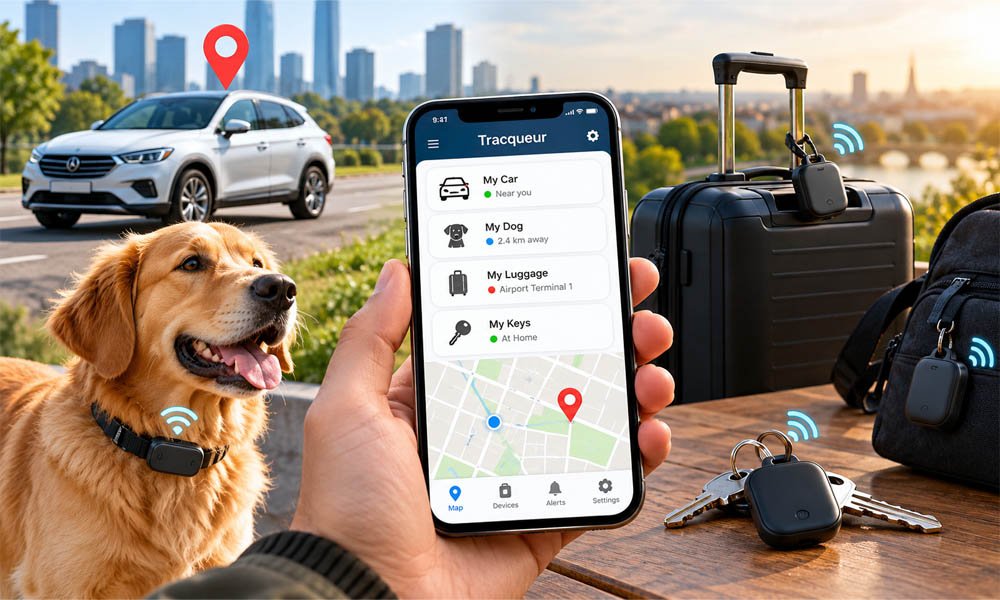
Have you ever lost your keys, bag, or even wondered where your pet went? Tracking tools can make these problems easier to handle. Today, a small device can help you find an item or see its location on a map.
In 2026, Tracqueur technology is used in many parts of daily life. People use trackers for cars, pets, luggage, fitness, and personal items. Companies also use them for trucks, tools, deliveries, machines, and other business assets.
In this guide, we will explain what Tracqueur means and how it works. We will also look at GPS, Bluetooth, vehicle trackers, pet trackers, fitness devices, business tracking, safety, privacy, and other useful details.
What Is a Tracqueur?
A Tracqueur is a general term used for a tool or system that helps track something. It may track a place, object, vehicle, pet, or activity. It can be a small tag, GPS device, watch, app, or larger system.
The word is linked with the French word “traqueur.” That word has links to tracking or following a trail. In the past, tracking often meant looking at footprints, broken plants, soil, and other signs left behind.
Today, the idea is much wider. A Tracqueur can use digital signals and sensors instead of footprints. It is important to know that Tracqueur is not one standard device or one special brand. It describes a broad idea of tracking.
How Does a Tracqueur Work?
Most tracking tools follow a simple process. First, the device gathers information. It may read a GPS signal, detect another device through Bluetooth, or use a sensor to record movement. The data can then be saved or sent elsewhere.
An app or computer can turn this data into something useful. For example, it may show a location on a map. It may show where a car traveled yesterday. It can also send an alert when something starts moving.
Different trackers use different technology. A Tracqueur may use GPS, Bluetooth, Wi-Fi, mobile networks, or motion sensors. Some trackers use several of these systems together. This can help them work in more places and offer more useful information.
Main Types of Tracqueur
There is no single type of Tracqueur for every job. A GPS tracker is often useful when an object may travel far away. Cars, trucks, outdoor equipment, and pets are common examples of things that may use GPS tracking.
Bluetooth trackers are usually made for shorter distances. You may put one on your keys, wallet, backpack, or suitcase. When the item is nearby, your phone can help you find it. Some systems can also use nearby compatible devices to help locate lost items.
Other types include fitness trackers, vehicle trackers, pet trackers, and business asset trackers. Wearable devices may record steps and workouts. Business systems may track tools or stock. The best choice always depends on what you need to track.
GPS Tracqueur for Cars and Vehicles
Cars and trucks are common uses for GPS tracking. A GPS Tracqueur can receive signals from satellites to work out its location. That location can then appear on a map inside an app or online tracking system.
Some vehicle trackers can show more than a current location. They may record old routes, stops, travel time, or speed. Some also support geofencing. This can send an alert when a vehicle enters or leaves a chosen area.
Many live GPS trackers need a mobile connection to send new location data to the user. Because of this, some devices need a SIM card or paid service plan. Portable models also need charging, while some vehicle trackers can use power from the vehicle.
Tracqueur for Pets and Personal Items
A missing pet can be stressful. This is why some owners attach small trackers to pet collars. A GPS pet tracker may help show where a dog or cat is when it moves away from home or another safe place.
Some pet trackers can send an alert when the animal leaves a saved area. Buyers should check the size and weight of the device. Battery life, water protection, signal coverage, and comfort are also important, especially for smaller animals.
A small Bluetooth Tracqueur can work well for personal items. People may place one on keys, luggage, wallets, or bags. Bluetooth is useful for nearby items, but it is not the same as long-distance GPS tracking.
Fitness and Wearable Tracqueur
Tracking is not only about finding things on a map. Fitness watches, bands, rings, and other wearable devices can also work as trackers. They can record movement and help people understand their daily habits.
A wearable Tracqueur may count steps, record workouts, estimate distance, or measure heart rate. Some devices also give information about sleep. Looking at these numbers over time can help a person notice simple patterns in daily activity.
However, fitness trackers are not perfect. Their readings can differ between devices and people. Health and sleep numbers should be seen as helpful estimates, not medical answers. A wearable can support healthy habits, but it should not replace a doctor or medical test.
Tracqueur for Business and Asset Tracking
Tracking tools are also useful at work. A business may need to know where its trucks, tools, machines, stock, or delivery items are. Finding these things by hand can take a lot of time, especially in a large company.
A business Tracqueur may use GPS, Bluetooth, RFID, barcodes, or connected sensors. A warehouse can use these tools to follow stock. A delivery company can track vehicles. A work team can use tags to locate important tools and equipment.
This information can make daily work easier. Staff can find equipment faster and managers can see how assets move. Tracking data can also help with routes, deliveries, stock checks, and maintenance. The goal is simple: know what is happening and make better plans.
GPS vs Bluetooth Tracqueur
GPS and Bluetooth trackers may look alike, but they work in different ways. GPS is often better when you need to follow something over a longer distance. It can be useful for cars, trucks, pets, and outdoor equipment.
Bluetooth works best for things that are close to you. A Bluetooth Tracqueur can help find keys, a wallet, a backpack, or luggage. It often uses less power than a GPS device, which can help its battery last longer.
The right choice depends on your needs. If your dog may run far from home, GPS may make more sense. If you often lose your keys around the house, a small Bluetooth tag may be enough.
Best Tracqueur Features to Know
Live location is one of the most useful features. It can show where a tracker is on a map. Some devices update often, while others update less often to save battery power.
Location history is another helpful feature. It can show where a vehicle or approved device has been. Some Tracqueur systems also offer movement alerts, speed details, battery warnings, and emergency features.
Geofencing is useful too. It lets you make a safe area on a map. You may get an alert when the tracker enters or leaves that area. This can be useful for pets, vehicles, and business equipment.
Benefits and Limits of a Tracqueur
A Tracqueur can make everyday life easier. Imagine reaching the airport and not seeing your bag. A tracker may help you check whether the bag is nearby or still in another part of the airport.
Businesses can also save time. Workers may find tools faster, while fleet teams can check vehicle locations. Pet owners may get useful location information when an animal moves away from its normal area.
Still, no tracker is perfect. GPS can work less well inside buildings, tunnels, or some covered places. Bluetooth has a shorter direct range. Batteries can die, and mobile coverage can also affect some live tracking devices.
Tracqueur Privacy and Safety
Tracking brings useful information, but privacy matters. Location data can show where someone lives, works, shops, or spends time. That is why a Tracqueur should always be used in a fair and responsible way.
Secretly following another person with a tracking device can cause serious privacy and safety problems. Laws are different from place to place. Users should get proper permission and follow the rules that apply where they live.
Account safety matters too. Use a strong password for your tracking app. Keep the app and device software updated. Check which apps can see your location, and remove access when it is no longer needed.
How to Choose the Right Tracqueur
Start with a simple question: what do you want to track? This answer will make your choice much easier. A car, pet, wallet, fitness routine, and business tool all need different types of tracking.
For a vehicle or outdoor pet, GPS may be useful. For keys and wallets, Bluetooth may be enough. For exercise and sleep, a fitness watch or band can offer the features you need.
Before buying, check battery life, size, range, app support, and water protection. Also check whether there is a monthly fee. A good Tracqueur should fit your real needs instead of simply having the longest list of features.
The Future of Tracqueur Technology
Tracking tools are getting smarter in 2026. Better sensors, smaller parts, and improved batteries can help devices become easier to carry. Some newer systems can also work with several types of wireless connections.
AI can help make tracking data more useful. For example, software may find unusual movement or study common travel patterns. Business systems may use past data to help plan routes or find signs that equipment needs care.
Even smart systems can make mistakes. Good data and human checks still matter. Future Tracqueur tools may become more useful, but privacy and safe use should remain an important part of how these systems are built and used.
Conclusion
A Tracqueur can be a simple tag, GPS unit, wearable device, or larger business system. Its main job is to collect useful information about location, movement, or activity and make that information easier to understand.
GPS, Bluetooth, sensors, mobile networks, and smart software have made tracking much more useful. Today, people can track their own cars, pets, bags, workouts, and other items. Businesses can also manage vehicles, tools, stock, and equipment.
The key is to use tracking technology with care. Choose the right tool, understand its limits, and protect private data. When used in a safe and responsible way, a Tracqueur can make everyday tasks easier and provide useful information when it matters most.
(FAQs)
What is a Tracqueur?
A Tracqueur is a tool or system used for tracking. It may help find a car, pet, bag, phone, equipment, or other item. Different trackers can use GPS, Bluetooth, Wi-Fi, mobile networks, or sensors.
How does a Tracqueur work?
A Tracqueur collects information about location or movement. It may then send that data to an app, computer, or online account. The user can see a map, location history, movement alert, or other useful details.
Is a Tracqueur the same as a GPS tracker?
Not always. A GPS tracker is one type of Tracqueur. Other tracking tools may use Bluetooth, Wi-Fi, RFID, or sensors. GPS is usually useful when an object, pet, or vehicle may travel a longer distance.
Can a Tracqueur work without the internet?
Yes, some tracking features can work without normal internet access. GPS can receive signals from satellites without mobile internet. However, many live GPS trackers need mobile data to send their location to your phone from far away.
What can I use a Tracqueur for?
You can use a Tracqueur for many things. It may help track your car, pet, luggage, keys, wallet, bicycle, or work equipment. Fitness trackers can also record steps, workouts, sleep, and other activity.
What is the difference between GPS and Bluetooth tracking?
GPS is usually better for longer distances, such as tracking a vehicle or outdoor pet. Bluetooth works better for nearby objects like keys and bags. Bluetooth trackers are often smaller and may use less battery power.
How accurate is a Tracqueur?
Accuracy depends on the type of tracker and where it is used. GPS often works better outdoors. Buildings, tunnels, weak signals, poor mobile coverage, and other conditions can affect results. No tracking device is perfectly accurate all the time.
Does a Tracqueur need a monthly fee?
Some do, but others do not. Many live GPS trackers use mobile networks to send fresh location data. These devices may need a SIM card and monthly plan. Bluetooth tags often work without a regular service fee.
Is it safe and legal to use a Tracqueur?
Tracking your own car, pet, bag, or equipment can be useful, but rules differ by location. Secretly tracking another person can cause serious privacy and legal problems. Always respect consent and check the laws that apply where you live.
How do I choose the best Tracqueur?
First, decide what you need to track. Then check the tracking range, battery life, size, app support, water protection, and fees. Also look at privacy controls. Choose a tracker that fits your real needs instead of paying for features you will not use.
Continue reading: Cintia Coció: Meaning, Story, and Why People Are Searching for It

Press Release Distribution for Startups: A Practical Guide to Your First Announcement

WhatsonTech: How It Makes Technology Easy to Understand

Pasonet: Everything You Need to Know Before You Use It

Tatavel: Everything You Need to Know About This Travel Website

FRABOC: How It Worked, Why It Ended, and What Replaced It

Unity Leather Card Wallet: The Perfect Mix of Style and Comfort

Simpciry: How Small Changes Can Make a Big Difference in Your Life

Inside the Obsession With Chrome Hearts and CDG

The Importance of Music Apps in Austin, TX Youngsters

Letflix: Everything You Need to Know About Free Movies and TV Shows in 2026

Arbello Barroso: Where Is Luciana Barroso’s Ex-Husband Now?

Suzanne Bukinik: Everything to Know About Brad Falchuk’s Ex-Wife

Maria Jesus Pariente: What We Know About Enzo Maresca’s Wife

Who Is Astrid Menks? All About Warren Buffett’s Wife

Who Is April Dubois? All About Wesley Snipes’ Ex-Wife

Berkin Gökbudak: What to Know About Aslı Enver’s Husband

Who Is Kate Connelly? All About Bobby Flay’s Ex-Wife

Erika Riker: Where Is Randy Jackson’s Ex-Wife Now?

Andrea Sarubbi: Who Is Luke Kirby’s Wife and What Does She Do?

Patricia Rahman: The Full Story of James Marsters’ Ex-Wife
Press Release Distribution for Startups: A Practical Guide to Your First Announcement
WhatsonTech: How It Makes Technology Easy to Understand
Pasonet: Everything You Need to Know Before You Use It
Tatavel: Everything You Need to Know About This Travel Website
FRABOC: How It Worked, Why It Ended, and What Replaced It
Unity Leather Card Wallet: The Perfect Mix of Style and Comfort
Simpciry: How Small Changes Can Make a Big Difference in Your Life
Inside the Obsession With Chrome Hearts and CDG
The Importance of Music Apps in Austin, TX Youngsters
Letflix: Everything You Need to Know About Free Movies and TV Shows in 2026
-

 News1 month ago
Who Is Gigi Yallouz? Meet Owain Yeoman’s Wife and Jewelry Designer
-

 News1 month ago
Rajesh Nihalani: What We Know About Archie Panjabi’s Husband
-

 News2 months ago
Stephan Farmiga: Everything to Know About Vera Farmiga’s Brother
-

 News2 months ago
Tara Nadella: What We Know About Satya Nadella’s Daughter