
Blog
Chief Technical Examiner: How Public Money and Project Quality Are Reviewed

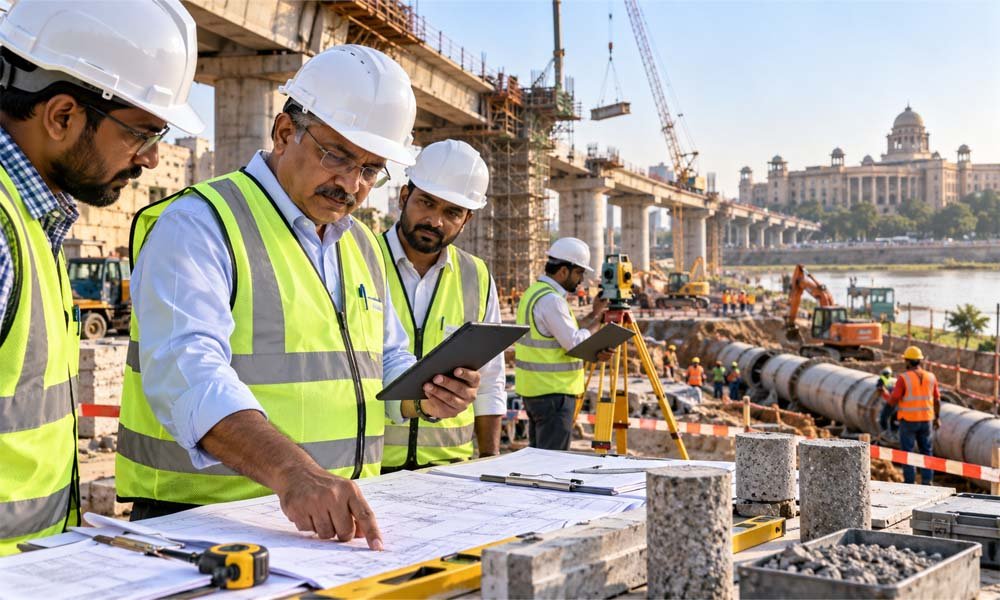
Government projects look simple when we see the final result. We see a road, bridge, school building, water line, or office block. But behind each project, there are many steps. There are plans, costs, tenders, contracts, checks, bills, and payments.
Because these projects use public money, every step must be handled with care. If the work is poor, people suffer. If the cost is wrong, public money can be wasted. This is why technical checking is very important.
This is where the Chief Technical Examiner comes in. A Chief Technical Examiner helps check government works and contracts. In this article, we will explain the role, duties, history, checks, and importance of the Chief Technical Examiner in very simple words.
What Is a Chief Technical Examiner?
A Chief Technical Examiner is a senior technical officer who checks selected government projects and contracts. In India, this role is linked with the Chief Technical Examiners’ Organisation, also called CTEO.
The Chief Technical Examiner does not usually manage the project. The project may already have engineers, officers, and contractors. The CTE gives a separate technical check. This makes the process stronger and more fair.
The work is not only about looking at a building or road. A Chief Technical Examiner may check estimates, tender papers, contract terms, materials, measurements, bills, and payments. The main goal is to see whether the project was done properly.
Why the Chief Technical Examiner Is Important
Public projects affect many people. A weak road can break early. A poor building can become unsafe. A bad water project can fail the people who need it most. So, project quality matters a lot.
Money also matters. Government projects are paid for with public funds. If a payment is made for work that was not done, the loss is serious. If poor material is used, the public may pay again for repairs.
The Chief Technical Examiner helps reduce such risks. The role supports better checking of work, records, quality, and payments. It also helps find weak systems so the same mistakes do not happen again.
Chief Technical Examiner and CTEO Explained
CTEO stands for Chief Technical Examiners’ Organisation. It works as the technical wing of the Central Vigilance Commission, also known as CVC. The CVC deals with vigilance matters in India.
The CTEO gives technical support in selected government works and procurement cases. This means it can check projects where engineering, cost, contract, or quality issues need expert review.
The Chief Technical Examiner is part of this technical system. The CTEO may look at civil works, electrical work, mechanical work, supplies, IT contracts, consultancy, services, and other public procurement cases.
History of the Chief Technical Examiner Role
The Chief Technical Examiners’ Organisation was started in 1957. At first, it was under the Ministry of Works, Housing and Supply. Its early work was linked mainly with public works and technical audit.
The purpose was simple. Government wanted stronger technical and financial control over public works. It also wanted better use of money and fewer weak practices in construction and contracts.
In 1964, the CTEO became part of the Central Vigilance Commission system. Over time, its role became wider. It was no longer limited to only buildings or civil works. Today, the Chief Technical Examiner role can relate to many types of public procurement.
Main Duties of a Chief Technical Examiner
The main duty of a Chief Technical Examiner is to examine selected government contracts and works. This can start from the first estimate and continue until the final bill and completion record.
For example, the CTE may check if the cost estimate was fair. The examiner may see whether the quantities were properly worked out. The examiner may also check if the tender rules were clear and fair.
During the project, the Chief Technical Examiner may review drawings, materials, test reports, measurement books, running bills, and payment records. The idea is to connect the paper record with the real work.
Continue reading: Bodenxt: How Boden Is Preparing for More People and Jobs
How the Chief Technical Examiner Checks Public Money
Public money should be spent only for proper work, goods, or services. This is why the Chief Technical Examiner checks whether payments are supported by records.
For example, a bill may say that a certain amount of work was completed. The examiner may compare that bill with the measurement book, drawings, site records, and actual work at the site.
If the records and real work do not match, it may become an observation. This does not always mean corruption. It may be a mistake, poor record keeping, or a weak process. But it must be explained.
How the Chief Technical Examiner Reviews Project Quality
Quality is a big part of the Chief Technical Examiner role. A project should not only be completed. It should also meet the required standard.
The examiner may check materials, workmanship, test reports, inspection notes, and quality-control records. If a contract says that a certain material must be used, the records should show that the correct material was used.
Good quality records help everyone. They show what was tested, where it was used, and whether it passed the required checks. Poor quality records can create doubt, even if the project looks complete from outside.
Chief Technical Examiner Role Before Tender
Many project problems begin before the work starts. A weak estimate, unclear scope, or poor specification can create bigger problems later.
Before the tender, the Chief Technical Examiner may review the project plan, expected cost, quantities, drawings, and technical requirements. The aim is to see whether the project had a strong base.
Think of it like building a house. If the plan is unclear, the builder may make mistakes. In the same way, a government project needs clear planning before the tender stage begins.
Chief Technical Examiner Role During Tender Process
The tender stage is where the government invites bidders for the work. This stage must be fair and clear. If tender conditions are too narrow without a good reason, fair competition can suffer.
A Chief Technical Examiner may check tender conditions, bidder rules, specifications, rates, and contract terms. The review can help see whether the tender process followed proper rules.
The CTE does not simply choose a contractor. The role is to examine whether the process, records, and technical terms were handled properly. This helps protect both public money and project quality.
Chief Technical Examiner Role During Construction
After the tender is complete, the real work begins. This is the stage where plans become roads, bridges, buildings, drains, water lines, or other public projects. It is also the stage where strong checking becomes very important.
A Chief Technical Examiner may look at how the work is being done. The examiner may compare the actual work with the approved drawings, contract terms, and quality rules. If the contract says one type of material should be used, the site work should match it.
This helps protect both money and quality. A project may look fine from far away. But a close check can show if the work is weak, incomplete, or different from the approved plan.
Continue reading: BoyEnd: What You Should Know Before Buying
What a Chief Technical Examiner Checks at the Site
A site visit is an important part of many technical checks. The Chief Technical Examiner may check the physical work, materials, measurements, workmanship, and records. This helps match the file with the real site.
For example, if the bill says a wall, road, or pipe line has been completed, the examiner may check if it is really there. The examiner may also check the size, length, thickness, and quality where needed.
Site checking is useful because documents do not always tell the full story. A file may say the work is complete. But the real site may show missing work, poor material, or wrong measurement. That is why physical checking matters.
Documents Reviewed by the Chief Technical Examiner
A Chief Technical Examiner does not depend only on what is seen at the site. Records are also very important. Every public project should have clear documents from start to finish.
These documents may include estimates, approvals, tender papers, contracts, drawings, specifications, measurement books, test reports, running bills, final bills, and completion records. Each document helps explain one part of the project.
Think of these records like a project story. The estimate starts the story. The tender moves it forward. The contract sets the rules. The measurements and bills show what was done and paid. If this story has missing pages, the examiner may ask questions.
Common Problems Found by Chief Technical Examiner
A Chief Technical Examiner may find many types of problems during a review. Some problems are small. Some are serious. But each problem needs a proper explanation.
Common problems can include wrong measurements, weak quality checks, missing test reports, poor records, extra payments, or changes made without proper approval. Sometimes, the work at the site may not match the approved drawing.
It is important to say this clearly. A CTE finding does not always mean corruption. It may be due to a mistake, poor planning, weak supervision, or missing records. But the issue still needs to be checked.
What Happens After a Chief Technical Examiner Finding?
When the Chief Technical Examiner finds an issue, it is usually written as an observation. This observation explains what was found and why it needs attention.
The concerned department or organisation may then be asked to reply. They may give records, reasons, or proof to explain the matter. If the reply is clear and acceptable, the issue may be closed.
If the matter is serious, more action may be needed. This can include correction of work, recovery of extra payment, better records, or further vigilance review. The aim is not only to blame someone. The aim is to fix the problem and stop it from happening again.
Chief Technical Examiner vs CVC, CVO, and Audit
Many people mix up these names. But they are not the same. The Chief Technical Examiner mainly deals with technical checking of selected works and contracts.
The CVC, or Central Vigilance Commission, has a wider vigilance role. It deals with bigger vigilance matters in organisations that come under its system. The CTEO gives technical help to this system.
A CVO, or Chief Vigilance Officer, works inside an organisation and handles vigilance matters there. Audit teams may check accounts, systems, and financial records. The Chief Technical Examiner focuses more on technical facts, quality, measurements, and contract issues.
How Contractors Can Prepare for a Chief Technical Examiner Review
Good preparation should start from day one. Contractors and departments should not wait until a review begins. Clean work and clean records should be part of daily project work.
Contractors should keep proper measurement records, test reports, site notes, bills, and approvals. They should follow the approved drawings and specifications. If there is a change, it should be approved and recorded.
A simple rule can help here. If a payment is claimed, there should be clear proof for it. If a material is used, there should be a record for it. If work is changed, there should be a reason and approval for it.
How Technology Helps the Chief Technical Examiner
In 2026, technology is becoming more useful in public project checking. Many records are now digital. Some places use electronic measurement books, online files, digital photos, and project tracking tools.
Technology can help compare records faster. It can help find unusual payments, repeated delays, missing documents, or strange cost changes. Geo-tagged photos can also help show where and when work was done.
Still, technology cannot replace human judgment. A computer may show a warning. But an experienced technical officer must understand the real reason. That is why the Chief Technical Examiner role still needs strong skill and clear thinking.
Why the Chief Technical Examiner Role Matters Today
Government projects are becoming larger and more complex. They are no longer only about roads and buildings. They can include IT systems, smart city work, machines, consultancy, power systems, and public services.
This makes the Chief Technical Examiner role more important. Public money should be used with care. Project quality should be checked with skill. Records should be clear enough for anyone to understand what happened.
When technical checks are strong, public trust becomes stronger too. People feel more confident when they know that public works are being reviewed properly.
Conclusion
The Chief Technical Examiner plays an important role in checking public money and project quality. The role helps review estimates, tenders, contracts, site work, measurements, bills, and final records.
A good CTE review can show whether the work matches the plan. It can also show whether payments are supported by real work and proper documents. This helps reduce waste and improve public projects.
In simple words, the Chief Technical Examiner helps make sure public projects are not only completed, but completed in the right way. Good planning, honest records, fair tendering, strong quality checks, and proper payments all help build better public works.
(FAQs)
What is the full form of CTE?
CTE stands for Chief Technical Examiner. In India, this role is linked with the Chief Technical Examiners’ Organisation, also called CTEO. The Chief Technical Examiner helps check selected government works, contracts, tenders, quality, measurements, and payments.
What does a Chief Technical Examiner do?
A Chief Technical Examiner checks whether government projects and contracts are handled properly. The CTE may review estimates, tender papers, drawings, materials, work quality, measurement books, bills, and payment records. The main goal is to protect public money and project quality.
What is CTEO?
CTEO stands for Chief Technical Examiners’ Organisation. It is the technical wing of the Central Vigilance Commission in India. CTEO examines selected government works and procurement cases. It also gives technical advice in matters linked with contracts, public works, and vigilance.
Is the Chief Technical Examiner part of the CVC?
Yes. The Chief Technical Examiners’ Organisation works under the Central Vigilance Commission, also called CVC. The CVC has a wider vigilance role, while the CTEO gives technical support. This helps the CVC understand engineering, contract, cost, and quality matters.
What does a Chief Technical Examiner check at a project site?
At a project site, the Chief Technical Examiner may check the actual work, materials, workmanship, measurements, and quality. The examiner may compare the real work with approved drawings, contract terms, and site records. This helps confirm whether the work matches the project documents.
What documents are checked during a CTE examination?
A CTE examination may include many records. These can include estimates, approvals, tender papers, contracts, drawings, specifications, measurement books, bills, test reports, quality records, inspection notes, deviation records, and completion reports. These documents help show how the project was planned, done, and paid for.
Does a CTE finding mean corruption?
No. A CTE finding does not always mean corruption. It may point to a mistake, weak record keeping, poor quality control, wrong measurement, or missing approval. The concerned department gets a chance to explain the issue with records and facts before further action is taken.
Why is the Chief Technical Examiner important?
The Chief Technical Examiner is important because public projects use public money. If work is poor or payments are wrong, people can suffer. The CTE helps check quality, costs, records, and payments. This makes government projects more clear, fair, and accountable.
How can contractors prepare for a Chief Technical Examiner review?
Contractors can prepare by keeping clean and complete records from the start. They should follow approved drawings, use proper materials, keep test reports, record measurements correctly, and get approval for any change. Good work and clear records make a CTE review much easier.
Does CTEO examine every government contract?
No. CTEO does not examine every government contract. It checks selected works and procurement cases. A case may be selected because of its value, type, risk, complaint, delay, cost change, or other important reason. Selection for examination does not automatically mean wrongdoing.
Continue reading: Cyanová: The Beautiful Blue-Green Color Everyone Is Talking About

Buying Property Through Your Super? Run an SMSF Loan Calculator Before You Call a Broker

Kirk Franklin Net Worth: His Music Career, Earnings, and Amazing Journey

Natalie Nunn Net Worth: How She Makes Money From Baddies and More

Waka Flocka Net Worth: How He Makes Money From Music and More

Mark Tilbury Net Worth: How the Millionaire Entrepreneur Built His Fortune

Shawn Johnson Net Worth: How the Olympic Star Built Her Fortune

Penguinz0 Net Worth: His Income, Career, and Biggest Money Sources

Fivio Foreign Net Worth: Career Highlights, Income Sources, and Life Today

From Space-Saving Storage to Luxury Finishes: Exploring Modern Wardrobe Designs

The Real Story of Mary Marquardt: Chef, Mother, and Harrison Ford’s First Wife

Arbello Barroso: Where Is Luciana Barroso’s Ex-Husband Now?

Suzanne Bukinik: Everything to Know About Brad Falchuk’s Ex-Wife

Maria Jesus Pariente: What We Know About Enzo Maresca’s Wife

Who Is Astrid Menks? All About Warren Buffett’s Wife

Who Is April Dubois? All About Wesley Snipes’ Ex-Wife

Berkin Gökbudak: What to Know About Aslı Enver’s Husband

Who Is Kate Connelly? All About Bobby Flay’s Ex-Wife

Erika Riker: Where Is Randy Jackson’s Ex-Wife Now?

Patricia Rahman: The Full Story of James Marsters’ Ex-Wife

Andrea Sarubbi: Who Is Luke Kirby’s Wife and What Does She Do?
Buying Property Through Your Super? Run an SMSF Loan Calculator Before You Call a Broker
Kirk Franklin Net Worth: His Music Career, Earnings, and Amazing Journey
Natalie Nunn Net Worth: How She Makes Money From Baddies and More
Waka Flocka Net Worth: How He Makes Money From Music and More
Mark Tilbury Net Worth: How the Millionaire Entrepreneur Built His Fortune
Shawn Johnson Net Worth: How the Olympic Star Built Her Fortune
Penguinz0 Net Worth: His Income, Career, and Biggest Money Sources
Fivio Foreign Net Worth: Career Highlights, Income Sources, and Life Today
From Space-Saving Storage to Luxury Finishes: Exploring Modern Wardrobe Designs
The Real Story of Mary Marquardt: Chef, Mother, and Harrison Ford’s First Wife
-

 News1 month ago
Who Is Gigi Yallouz? Meet Owain Yeoman’s Wife and Jewelry Designer
-

 News2 months ago
Rajesh Nihalani: What We Know About Archie Panjabi’s Husband
-

 News2 months ago
Stephan Farmiga: Everything to Know About Vera Farmiga’s Brother
-

 News1 month ago
Who Is Tove Torvalds? All About Linus Torvalds’ Wife