
Blog
Masgonzola: The Creamy Cheese Mix You Need to Know

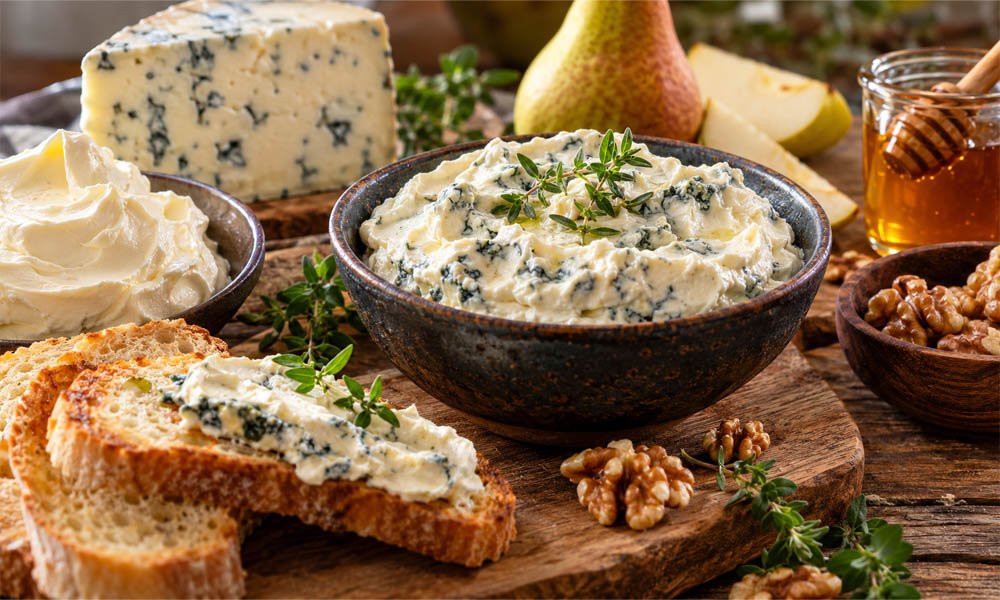
Have you ever wanted to try blue cheese but worried it may taste too strong? Masgonzola may be a good place to start. It brings together bold Gorgonzola and soft mascarpone. The result is creamy, rich, and much more gentle.
The name can cause some confusion. It sounds like Masgonzola is its own kind of old Italian cheese. However, it is better understood as a mix of two well-known Italian dairy foods. Some products blend them, while others place them in layers.
In this guide, we will explain what Masgonzola is and what goes into it. We will also look at how it is made, how it tastes, and how it looks. Later, we will cover nutrition, cooking ideas, storage, and buying tips.
What Is Masgonzola?
Masgonzola is a creamy mix of Gorgonzola and mascarpone. Gorgonzola gives it the blue cheese taste. Mascarpone makes it soft, rich, and smooth. Together, they create a cheese product that is usually milder than plain Gorgonzola.
Some shop products use about half Gorgonzola and half mascarpone. This 50/50 mix gives both cheeses a clear role. You can taste the salty blue cheese, but the smooth mascarpone keeps it from becoming too strong.
Not every product follows the same recipe. One maker may blend both cheeses until they look almost even. Another may make clear layers. This is why two Masgonzola products can look different, even when they contain the same two main foods.
Is Masgonzola a Real Cheese?
Yes, Masgonzola is a real cheese product. However, there is an important difference to understand. It does not appear to be its own protected cheese type with one official recipe, production area, or set way of making it.
Gorgonzola is different. It is a protected Italian cheese with PDO status. This means real Gorgonzola PDO must follow set rules. It is made in approved parts of northern Italy and has clear rules for how it is produced.
Masgonzola does not have its own separate PDO status. It is better to think of it as a Gorgonzola and mascarpone specialty. This simple fact also helps us avoid some confusing stories about Masgonzola that can be found online.
Where Does the Name Masgonzola Come From?
The name Masgonzola gives us a useful clue. It seems to bring together parts of the words mascarpone and Gorgonzola. The first part points to mascarpone, while the second part clearly comes from Gorgonzola.
You may not always see the word Masgonzola in a cheese shop. A pack may instead say “Gorgonzola with Mascarpone,” “Gorgonzola and Mascarpone,” or the Italian wording “Gorgonzola e Mascarpone.” These names describe the same basic idea.
It is best not to give the name a made-up old story. There is no strong proof that Masgonzola is an ancient cheese with its own special home town. The safe and useful meaning is simply the creamy pairing of these two cheeses.
What Is Masgonzola Made Of?
The first main part is Gorgonzola. It is a famous Italian blue cheese made from cow’s milk. Its blue or blue-green veins help give it a salty, tangy, and earthy taste. This is where most of Masgonzola’s stronger flavor comes from.
The second part is mascarpone. It is pale, soft, smooth, and very rich. Its taste is much milder than Gorgonzola. When mascarpone is added, it calms the sharper blue cheese notes and gives the finished food a softer feel.
Some commercial versions contain 50% Gorgonzola and 50% mascarpone. Still, this is not a rule for every product. More mascarpone can make Masgonzola milder. More Gorgonzola can make it saltier, stronger, and more like regular blue cheese.
How Is Masgonzola Made?
There is no single official way to make Masgonzola. The simple idea is to bring prepared Gorgonzola and mascarpone together. How this is done depends on the cheese maker and the style of product they want to sell.
One method is to mix the two cheeses. This can make the finished product look smooth and even. Small blue parts may still be easy to see. The result is soft enough to spread and can melt quickly when added to warm food.
Another method uses layers. A maker can place pale mascarpone between layers of creamy Gorgonzola. This creates a pretty striped look. It can also change each bite. One bite may be mild and creamy, while another has more blue cheese flavor.
What Does Masgonzola Taste Like?
Masgonzola has a rich and creamy taste. Gorgonzola adds salt, tang, and a light earthy bite. Mascarpone adds a mild, buttery taste. It softens the stronger notes, making the final mix easier for many people to enjoy.
Think of someone who wants to try blue cheese but finds plain Gorgonzola too strong. Masgonzola can be a gentle first choice. You still notice the blue cheese, but the creamy mascarpone helps round out its sharper side.
The taste can change from brand to brand. A mix with more mascarpone may taste very mild. One with more Gorgonzola may have a stronger smell and bite. Even the type of Gorgonzola used can change the final taste.
Masgonzola Texture and Appearance
Masgonzola is usually soft, thick, and creamy. When it is cold, it can be firm enough to cut into pieces. As it gets a little warmer, it becomes softer and easier to spread over bread, toast, or crackers.
A layered version can look very attractive. You may see pale white mascarpone next to creamy Gorgonzola with blue-green veins. A fully mixed version may look more even, with small blue areas spread through the pale cheese.
This soft texture is also one reason Masgonzola works so well in cooking. It melts easily and can turn into a smooth sauce with little work.
Masgonzola vs. Gorgonzola
Masgonzola and Gorgonzola are closely linked, but they are not the same. Gorgonzola is a blue cheese with a clear, strong taste. Masgonzola takes that cheese and adds mascarpone. This makes it softer, richer, and usually much milder.
Plain Gorgonzola is a good choice when you want blue cheese to stand out. Masgonzola works better when you also want a creamy feel. It spreads with ease and melts well, so it can be very handy for simple meals.
There are also different styles of Gorgonzola. Some are mild and creamy, while others have a stronger bite. The type used in Masgonzola can change its final taste. This is why one brand may taste stronger than another.
Masgonzola vs. Mascarpone
Mascarpone is very mild compared with Masgonzola. It is soft, creamy, and rich, but it does not have blue veins. It also lacks the salty and tangy taste that comes from Gorgonzola.
Masgonzola brings these two sides together. You get the smooth feel of mascarpone with the deeper taste of blue cheese. This makes it useful for savory meals where plain mascarpone may taste too mild.
What if you cannot find Masgonzola? You can use Gorgonzola and mascarpone together. Start with close amounts of each. Add more mascarpone for a mild taste, or more Gorgonzola if you want a stronger bite.
Masgonzola Nutrition and Health
There is no single nutrition guide for every Masgonzola product. The numbers change based on the amount of each cheese. One 50/50 shop product has about 369 calories, 35 grams of fat, and 12 grams of protein per 100 grams.
The same product has about 23 grams of saturated fat and 0.7 grams of salt. These numbers show that this is a rich food. You do not need a large serving to enjoy its creamy taste.
Masgonzola can still be part of a balanced meal. A small amount can add lots of flavor to pasta or vegetables. Instead of asking if it is simply “good” or “bad,” think about how much you eat and what you eat with it.
Does Masgonzola Contain Lactose?
This question needs a little care. Gorgonzola PDO can naturally contain very little lactose. However, this does not mean that every Masgonzola product is lactose-free. Remember, it also contains mascarpone.
The amount of lactose can change with the recipe and brand. If lactose is a concern for you, read the pack before eating the cheese. Look for a clear lactose statement from the maker rather than guessing.
A milk allergy is also different from lactose trouble. Masgonzola contains milk products and milk proteins. Anyone with a milk allergy should follow medical advice and carefully check food labels before eating it.
Best Ways to Eat Masgonzola
One of the easiest ways to enjoy Masgonzola is with pasta. Add a small piece to hot pasta and let it melt. A little pasta water can help turn the cheese into a smooth and creamy sauce.
It also works very well in risotto. Stir it in near the end of cooking. You can also add small pieces to pizza or flatbread. Mushrooms, onions, pear, and pumpkin can all work well beside it.
For a quick snack, spread Masgonzola over toast, crackers, or crostini. It can also be used on a cheese board. Stuffed dates are another fun idea. Their sweet taste helps balance the salty blue cheese.
What Foods Go Well With Masgonzola?
Sweet fruit is a great match for this rich cheese. Try pear, apple, figs, grapes, or dates. Their fresh sweetness can calm the salty taste and make each bite feel lighter.
Nuts are another easy choice. Walnuts and hazelnuts add crunch and a warm, earthy taste. A little honey can also work well. Try toast with Masgonzola, thin pear slices, and a small drop of honey.
For savory food, try mushrooms, pumpkin, potatoes, or soft cooked onions. Fresh greens such as arugula can add a light peppery taste. These foods help balance the rich and creamy feel of the cheese.
How to Store and Buy Masgonzola
Keep Masgonzola in the fridge and follow the storage guide on its pack. One commercial product recommends keeping it at 5°C or colder. Once opened, cover it well or place it in a closed food box.
There is no one shelf life for every product. Always check the date and storage advice on the pack. Blue-green veins are normal in the Gorgonzola part, so do not mistake normal blue cheese color for spoilage.
When shopping, you may not see the word Masgonzola. Look for Gorgonzola with Mascarpone, Gorgonzola and Mascarpone, or Gorgonzola e Mascarpone. Check the cheese ratio too. More mascarpone usually means a softer and milder taste.
Conclusion
Masgonzola is a simple mix with a lot to offer. Gorgonzola gives it its salty, tangy blue cheese taste. Mascarpone adds a soft, buttery feel. Together, they make a creamy cheese that is often easier to enjoy than strong blue cheese.
It can work in many meals. Melt it into pasta, stir it into risotto, spread it on bread, or add it to pizza. For an easy snack, try it with pear, walnuts, figs, or a little honey.
Most of all, remember that Masgonzola does not have one fixed recipe. Taste, nutrition, texture, and lactose can change by brand. Check the label, start with a small serving, and enjoy this creamy cheese mix in the way you like best.
(FAQs)
What is Masgonzola?
Masgonzola is a creamy cheese product made by combining Gorgonzola and mascarpone. Gorgonzola gives it a salty and tangy blue cheese taste. Mascarpone adds a mild, buttery flavor and makes the cheese softer, richer, and easier to spread.
What is Masgonzola made of?
Masgonzola is mainly made with Gorgonzola and mascarpone. Some shop products use about 50% of each. However, there is no single recipe for every brand. Some products may have more Gorgonzola, while others may contain more mascarpone.
Is Masgonzola the same as Gorgonzola?
No, they are not the same. Gorgonzola is a protected Italian blue cheese. Masgonzola combines Gorgonzola with creamy mascarpone. Because of this added mascarpone, Masgonzola is usually softer, richer, milder, and easier to spread than plain Gorgonzola.
Is Masgonzola a real Italian cheese?
Masgonzola is a real cheese product, but it is not known as its own protected PDO cheese. It is better understood as a Gorgonzola and mascarpone specialty. Both main parts have strong links with Italian food and cheese making.
What does Masgonzola taste like?
Masgonzola tastes creamy, buttery, slightly salty, and tangy. You can still taste the blue cheese, but mascarpone makes it much softer. The exact taste depends on how much Gorgonzola and mascarpone are used in the product.
Is Masgonzola stronger than Gorgonzola?
Masgonzola is usually milder than plain Gorgonzola. Mascarpone helps soften the sharp and salty blue cheese taste. However, some products can taste stronger if they contain more Gorgonzola or use a stronger type of blue cheese.
Is Masgonzola lactose-free?
Do not assume Masgonzola is lactose-free. Gorgonzola PDO can naturally contain very little lactose, but Masgonzola also contains mascarpone. The final lactose amount can differ between products. Always read the package if you need to avoid lactose.
What is the best way to eat Masgonzola?
You can spread Masgonzola on bread, toast, crackers, or crostini. It also melts well in pasta, risotto, pizza, and sauces. For a simple snack, try it with pear, figs, honey, walnuts, grapes, or fresh bread.
Is Masgonzola healthy?
Masgonzola can be enjoyed as part of a balanced diet, but it is a rich food. It can contain plenty of fat, saturated fat, and calories. A small serving can provide lots of taste, so you normally do not need much.
Where can I buy Masgonzola?
Look in supermarkets, Italian food shops, and specialty cheese stores. The package may not say “Masgonzola.” Look for names such as “Gorgonzola with Mascarpone,” “Gorgonzola and Mascarpone,” or “Gorgonzola e Mascarpone” instead.
Continue reading: Troozer.com: Everything You Need to Know Before You Explore

The Real Story of Dawn Staples and Her Life After Mark Kerr

Who Is Linnea Miron? The Inspiring Story of Ricky Williams’ Wife

Behind the Beautiful Finish: Planning a Remodel That Works

How Interactive Step-by-Step Guides Make Tech Easier to Learn

Reimagining Your Living Space: Smart Ideas for a Complete Home Makeover

Emelia Hartford Net Worth: Inside Her Income, Cars, and Success Story

And Diligence: The Hidden Meaning and Why People Are Curious

Naomi Burton-Crews: The Heartwarming Story of Terry Crews’ Eldest Child

Ashanti Net Worth: Her Biggest Hits, Business Ventures, and Fortune

Who Is Daena E. Title? The Untold Story of Jason Alexander’s Wife

Arbello Barroso: Where Is Luciana Barroso’s Ex-Husband Now?

Suzanne Bukinik: Everything to Know About Brad Falchuk’s Ex-Wife

Maria Jesus Pariente: What We Know About Enzo Maresca’s Wife

Who Is Astrid Menks? All About Warren Buffett’s Wife

Who Is April Dubois? All About Wesley Snipes’ Ex-Wife

Berkin Gökbudak: What to Know About Aslı Enver’s Husband

Who Is Kate Connelly? All About Bobby Flay’s Ex-Wife

Erika Riker: Where Is Randy Jackson’s Ex-Wife Now?

Patricia Rahman: The Full Story of James Marsters’ Ex-Wife

Andrea Sarubbi: Who Is Luke Kirby’s Wife and What Does She Do?
The Real Story of Dawn Staples and Her Life After Mark Kerr
Who Is Linnea Miron? The Inspiring Story of Ricky Williams’ Wife
Behind the Beautiful Finish: Planning a Remodel That Works
How Interactive Step-by-Step Guides Make Tech Easier to Learn
Reimagining Your Living Space: Smart Ideas for a Complete Home Makeover
Emelia Hartford Net Worth: Inside Her Income, Cars, and Success Story
And Diligence: The Hidden Meaning and Why People Are Curious
Naomi Burton-Crews: The Heartwarming Story of Terry Crews’ Eldest Child
Ashanti Net Worth: Her Biggest Hits, Business Ventures, and Fortune
Who Is Daena E. Title? The Untold Story of Jason Alexander’s Wife
-

 News1 month ago
Who Is Gigi Yallouz? Meet Owain Yeoman’s Wife and Jewelry Designer
-

 News2 months ago
Rajesh Nihalani: What We Know About Archie Panjabi’s Husband
-

 News2 months ago
Stephan Farmiga: Everything to Know About Vera Farmiga’s Brother
-

 News2 months ago
Tara Nadella: What We Know About Satya Nadella’s Daughter