
Home Improvement
Behind the Beautiful Finish: Planning a Remodel That Works

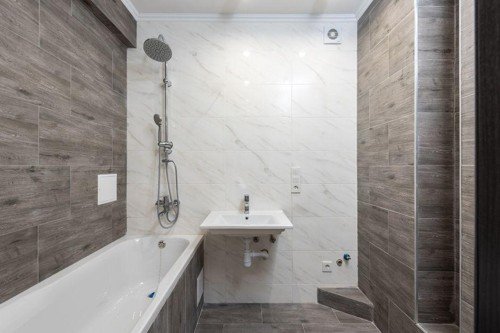
A new kitchen or bathroom should make everyday routines easier, not leave you worrying about what is hidden behind the walls. Attractive fixtures and fresh surfaces are only part of the story. Supply pipes, drainage, ventilation, and hot water capacity determine whether the finished space performs as well as it looks. Before buying a statement faucet or choosing tile, understand which parts of the plumbing can stay, which may need attention, and how early decisions affect the entire project.
Make the Plumbing Plan Before the Design Becomes Final
A sink may look better beneath another window, and a larger shower may seem like an easy improvement. But moving fixtures changes the route water must take into and out of the room. Water supply lines, drain slope, and venting all influence where an installation can work properly.
Talk through the layout before cabinets, countertops, or flooring are ordered. Keeping fixtures in their existing positions can sometimes reduce disruption, although it does not automatically eliminate the need for repairs. If moving a toilet or installing an island sink genuinely improves the space, ask what changes the plumbing would require.
Design around the existing structure rather than assuming pipes can move anywhere.
Choose Fixtures That Suit the Existing System
A fashionable fixture will disappoint if it cannot perform properly with the available plumbing. Large shower systems, additional sinks, and new appliances can place different demands on supply lines, drainage, and hot water. Compatibility should be checked before products are purchased.
This is where professional plumbing remodeling services can support the planning process. An experienced plumber can assess existing connections, explain whether a proposed fixture location is practical, and identify any supply or drainage adjustments needed. That matters when changing layouts or replacing a tub with a shower.
The best choice is not necessarily the most elaborate fixture. It is one that works consistently, can be maintained, and makes the room easier to use.
Use Open Walls to Investigate Hidden Problems
Renovation offers a valuable chance to inspect plumbing that is normally inaccessible. Corroded connections, old repairs, damaged supply lines, and evidence of previous leaks may appear once cabinets or wall coverings are removed. Finding them early is frustrating, but covering them again without investigation is worse.
Watch for recurring slow drainage, unexplained stains, inconsistent water pressure, or musty smells before demolition begins. Tell the plumber about those symptoms, even if they seem unrelated to the planned remodel. They may reveal problems while access is straightforward.
Replacing every pipe is not necessarily justified. Assess condition and materials, then make evidence-based repairs.
Treat Water Efficiency as Part of Everyday Comfort
Renovation is an opportunity to consider how much water fixtures use, but efficiency should not come at the expense of performance. A faucet that suits the basin, a showerhead with an appropriate spray, and a properly flushing toilet can all make daily routines smoother.
Practical home maintenance and water-saving guidance explains why checking for leaks and maintaining fixtures matters even after new products are installed. Small drips and poorly sealed connections can waste water and eventually damage nearby materials.
Ask how the selected fixtures will be tested after installation. Confirm that shutoff valves remain accessible and that you know what to do if a leak develops. These details are easily overlooked.
Think About Hot Water Before Adding More Demand
A larger shower, second bathroom sink, or additional appliance may change how your household uses hot water. The existing water heater may already meet those needs, but it is worth checking rather than guessing.
Consider how many people might shower close together, whether appliances run at the same time, and whether the planned fixtures require unusually high flow. General water-heater selection considerations illustrate why household demand and equipment capacity should be considered together.
Avoid assuming a larger unit is automatically better. Ask a qualified professional to evaluate suitable capacity, efficiency, available space, and any installation requirements. A matched system helps avoid disappointingly short showers.
Keep Permits and Inspections in the Schedule
Plumbing changes may require permits or inspections, particularly when drains, supply lines, or fixture locations are modified. Requirements vary by jurisdiction and scope, so confirm them before work begins rather than after surfaces have been closed.
Ask who is responsible for obtaining approvals and arranging inspections. A written agreement should clarify whether the plumber, general contractor, or homeowner handles each step. Proper testing before walls and floors are finished can reveal problems while they are still accessible.
Be wary of advice to skip required approvals simply to save time. A remodel that looks complete but contains unverified work can create avoidable difficulties during later repairs or property transactions.
Budget for What Demolition Might Reveal
Even a carefully planned remodel can uncover conditions that were impossible to see beforehand. Water-damaged backing, corroded fittings, or unexpected drain arrangements can require changes to the original scope. Reserving some room in the budget is more useful than pretending surprises never happen.
Request an itemized estimate showing plumbing labor, materials, fixture installation, and responsibilities for repairing opened surfaces. Ask how unexpected work will be approved and priced. Written change orders help everyone understand what changed and why.
Also discuss when water will be turned off and how long essential fixtures may be unavailable. One-bathroom households may need temporary arrangements.
Plan for Maintenance Long After the Reveal
A successful remodel should still be convenient once the novelty wears off. Accessible shutoff valves, serviceable connections, durable components, and sensible storage make future maintenance easier. A striking design that prevents access to a simple repair can become an expensive inconvenience.
Before the project ends, have the plumbing tested, review any operating instructions, and keep receipts, warranties, and permit records together. Make sure you know where key shutoffs are located and whom to contact if a problem appears during the warranty period.
Good remodeling brings appearance and function into agreement. When the plumbing is considered from the beginning, the finished space has a better chance of remaining comfortable, reliable, and practical for years.

The Real Story of Mary Marquardt: Chef, Mother, and Harrison Ford’s First Wife

What Happened to Sasha Czack? Her Life Before and After Sylvester Stallone

Where Is Afton Smith Now? Her Life After Brendan Fraser

Dominique Caine: The Inspiring Story of Michael Caine’s Private Daughter

The Real Story of Dawn Staples and Her Life After Mark Kerr

Who Is Linnea Miron? The Inspiring Story of Ricky Williams’ Wife

Behind the Beautiful Finish: Planning a Remodel That Works

How Interactive Step-by-Step Guides Make Tech Easier to Learn

Reimagining Your Living Space: Smart Ideas for a Complete Home Makeover

Emelia Hartford Net Worth: Inside Her Income, Cars, and Success Story

Arbello Barroso: Where Is Luciana Barroso’s Ex-Husband Now?

Suzanne Bukinik: Everything to Know About Brad Falchuk’s Ex-Wife

Maria Jesus Pariente: What We Know About Enzo Maresca’s Wife

Who Is Astrid Menks? All About Warren Buffett’s Wife

Who Is April Dubois? All About Wesley Snipes’ Ex-Wife

Berkin Gökbudak: What to Know About Aslı Enver’s Husband

Who Is Kate Connelly? All About Bobby Flay’s Ex-Wife

Erika Riker: Where Is Randy Jackson’s Ex-Wife Now?

Patricia Rahman: The Full Story of James Marsters’ Ex-Wife

Andrea Sarubbi: Who Is Luke Kirby’s Wife and What Does She Do?
The Real Story of Mary Marquardt: Chef, Mother, and Harrison Ford’s First Wife
What Happened to Sasha Czack? Her Life Before and After Sylvester Stallone
Where Is Afton Smith Now? Her Life After Brendan Fraser
Dominique Caine: The Inspiring Story of Michael Caine’s Private Daughter
The Real Story of Dawn Staples and Her Life After Mark Kerr
Who Is Linnea Miron? The Inspiring Story of Ricky Williams’ Wife
Behind the Beautiful Finish: Planning a Remodel That Works
How Interactive Step-by-Step Guides Make Tech Easier to Learn
Reimagining Your Living Space: Smart Ideas for a Complete Home Makeover
Emelia Hartford Net Worth: Inside Her Income, Cars, and Success Story
-

 News1 month ago
Who Is Gigi Yallouz? Meet Owain Yeoman’s Wife and Jewelry Designer
-

 News2 months ago
Rajesh Nihalani: What We Know About Archie Panjabi’s Husband
-

 News2 months ago
Stephan Farmiga: Everything to Know About Vera Farmiga’s Brother
-

 News2 months ago
Tara Nadella: What We Know About Satya Nadella’s Daughter