
Home Improvement
From Space-Saving Storage to Luxury Finishes: Exploring Modern Wardrobe Designs

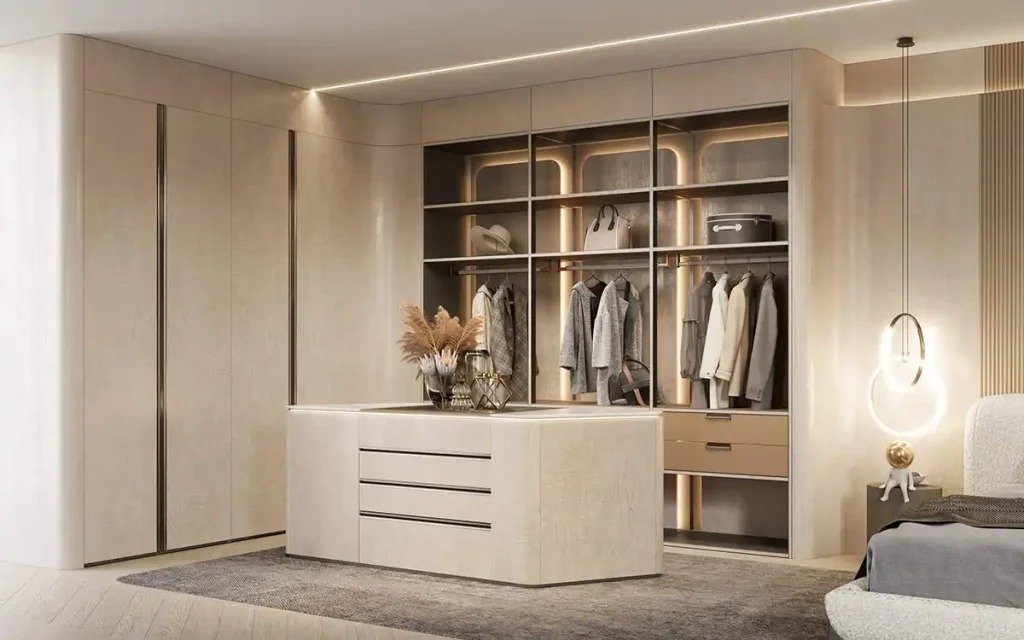
Modern wardrobes have evolved from basic storage units into important elements of bedroom interiors. Their layouts, finishes, lighting, and internal organisation can influence both functionality and visual appeal.
Thoughtful bedroom furniture design helps homeowners create spaces where wardrobes complement beds, dressing areas, lighting, and other furnishings. From compact sliding systems to expansive walk-in arrangements, modern designs can balance storage needs with aesthetics while making better use of available bedroom space.
Creating Cohesive Spaces With Bedroom Furniture Design
A well-planned bedroom combines storage, comfort, movement, and visual balance while ensuring furniture works naturally within the available layout.
1. Planning Wardrobe Placement Around Room Layout
Wardrobe placement influences how efficiently the entire bedroom functions. Designers consider wall dimensions, door openings, windows, bed positioning, circulation space, and access to other furniture before finalising the layout. Thoughtful wardrobe placement can maximise storage without making the room feel crowded. In compact bedrooms, sliding doors may help preserve movement space, while larger rooms can accommodate hinged wardrobes or walk-in configurations. Coordinating wardrobe placement with the rest of the furniture also creates a more balanced visual arrangement.
2. Selecting Storage Based on Everyday Requirements
Internal wardrobe organization should reflect how the space will actually be used. Shelves, drawers, hanging sections, shoe compartments, accessory trays, and loft storage can be arranged to suit individual needs. Separating frequently used items from occasional belongings can make everyday access easier. Adjustable shelves and flexible compartments can also accommodate changing storage needs over time. A practical internal configuration ensures that the wardrobe provides more than attractive external finishes by supporting efficient organisation and reducing unnecessary clutter.
3. Using Sliding Designs for Compact Bedrooms
Sliding wardrobes can be particularly useful in bedrooms with limited floor space. Because the doors move along tracks rather than opening outward, they require less clearance in front of the wardrobe. Mirrored or reflective surfaces may also help create a more open visual effect when used appropriately. However, the choice between sliding and hinged doors should depend on room dimensions, storage requirements, maintenance preferences, and overall design. The objective is to select a configuration that supports both accessibility and efficient space utilisation.
4. Integrating Lighting Into Wardrobe Interiors
Integrated lighting can improve visibility while adding a refined element to wardrobe design. LED strips, sensor-based lights, and illuminated shelves can make it easier to locate clothing and accessories, particularly in deeper compartments. Lighting can also highlight selected finishes, display sections, or dressing areas. Plan placement alongside electrical requirements and storage configuration to avoid unnecessary complexity. When coordinated carefully, wardrobe lighting adds everyday convenience and enhances the bedroom’s atmosphere without overwhelming the interior.
Balancing Storage Needs With Bedroom Comfort
Wardrobe planning should support efficient storage without compromising movement, accessibility, or the relaxing character expected from a bedroom.
A successful design considers both visible appearance and practical usability. Storage should fit clothing, accessories, luggage, and other belongings without dominating the room. Thoughtful bedroom furniture design can incorporate vertical space, overhead compartments, concealed storage, and integrated dressing areas to increase capacity while maintaining a clean appearance. The relationship between the wardrobe and surrounding furniture also matters. Adequate circulation space allows doors, drawers, and other elements to function comfortably. A balanced approach ensures storage supports the bedroom rather than becoming its main visual feature.
Premium Wardrobe Features Supporting Modern Bedrooms
Contemporary wardrobes can combine practical storage systems with refined finishes, thoughtful detailing, and features designed around individual lifestyles.
1. Incorporating Customised Internal Configurations
Customised internal layouts allow wardrobe storage to reflect individual habits and possessions. Someone with extensive formal clothing may require more hanging sections, while another user may prioritise drawers, shelves, or accessory storage. Dedicated spaces for watches, jewellery, bags, footwear, or seasonal clothing can improve organisation. Customisation also allows awkward corners or unusual wall dimensions to be used efficiently. By designing the interior around actual requirements, homeowners can make better use of available capacity while maintaining easy access to frequently used belongings.
2. Adding Mirrors and Dressing Elements
Mirrors can serve both functional and visual purposes within wardrobe designs. Full-height mirrored shutters provide a convenient dressing feature while potentially making smaller bedrooms appear more spacious. Integrated dressing counters can also combine grooming and storage requirements within a single composition. Lighting around these areas should provide sufficient visibility without creating harsh reflections. When mirrors, counters, storage compartments, and lighting are designed together, the result can feel more cohesive than separately purchased furniture pieces placed throughout the room.
3. Introducing Premium Hardware and Mechanisms
Hardware influences how smoothly wardrobes operate and how well they perform over time. Soft-close hinges, quality drawer runners, durable handles, and reliable sliding mechanisms can improve everyday usability. Hardware selection should correspond with the wardrobe’s weight, construction, and frequency of use. Concealed mechanisms can create a cleaner appearance, while carefully selected handles can contribute to the overall design language. Considering hardware during the planning stage helps ensure that visual appeal is supported by practical performance and dependable operation.
4. Creating Walk-In Wardrobe Experiences
Larger bedrooms may provide sufficient space for walk-in wardrobes that offer extensive storage and dedicated dressing areas. These spaces can include separate sections for clothing, footwear, accessories, mirrors, seating, and lighting. Open shelving can improve visibility, while closed cabinets can keep less frequently used belongings concealed. Walk-in layouts require careful planning to maintain comfortable circulation between storage zones. When designed effectively, they can create a structured experience that combines personal organisation with the visual refinement associated with premium residential interiors.
Conclusion: Creating Refined Bedroom Storage Solutions
Modern wardrobe design brings together efficient storage, thoughtful layouts, quality materials, and personalised detailing. Whether you need a compact wardrobe for an apartment bedroom or a spacious walk-in arrangement, careful planning can improve both functionality and visual appeal.
For homeowners seeking refined solutions, luxury wardrobe designers in Bangalore can provide specialised expertise in creating wardrobes that complement premium bedroom interiors. WeDezine Studio offers customised bedroom interiors with wardrobes, storage solutions, lighting, premium materials, and tailored layouts. Their design approach blends functionality with refined aesthetics, creating residential spaces designed around individual lifestyles and preferences.

Natalie Nunn Net Worth: How She Makes Money From Baddies and More

Waka Flocka Net Worth: How He Makes Money From Music and More

Mark Tilbury Net Worth: How the Millionaire Entrepreneur Built His Fortune

Shawn Johnson Net Worth: How the Olympic Star Built Her Fortune

Penguinz0 Net Worth: His Income, Career, and Biggest Money Sources

Fivio Foreign Net Worth: Career Highlights, Income Sources, and Life Today

From Space-Saving Storage to Luxury Finishes: Exploring Modern Wardrobe Designs

The Real Story of Mary Marquardt: Chef, Mother, and Harrison Ford’s First Wife

What Happened to Sasha Czack? Her Life Before and After Sylvester Stallone

Where Is Afton Smith Now? Her Life After Brendan Fraser

Arbello Barroso: Where Is Luciana Barroso’s Ex-Husband Now?

Suzanne Bukinik: Everything to Know About Brad Falchuk’s Ex-Wife

Maria Jesus Pariente: What We Know About Enzo Maresca’s Wife

Who Is Astrid Menks? All About Warren Buffett’s Wife

Who Is April Dubois? All About Wesley Snipes’ Ex-Wife

Berkin Gökbudak: What to Know About Aslı Enver’s Husband

Who Is Kate Connelly? All About Bobby Flay’s Ex-Wife

Erika Riker: Where Is Randy Jackson’s Ex-Wife Now?

Patricia Rahman: The Full Story of James Marsters’ Ex-Wife

Andrea Sarubbi: Who Is Luke Kirby’s Wife and What Does She Do?
Natalie Nunn Net Worth: How She Makes Money From Baddies and More
Waka Flocka Net Worth: How He Makes Money From Music and More
Mark Tilbury Net Worth: How the Millionaire Entrepreneur Built His Fortune
Shawn Johnson Net Worth: How the Olympic Star Built Her Fortune
Penguinz0 Net Worth: His Income, Career, and Biggest Money Sources
Fivio Foreign Net Worth: Career Highlights, Income Sources, and Life Today
From Space-Saving Storage to Luxury Finishes: Exploring Modern Wardrobe Designs
The Real Story of Mary Marquardt: Chef, Mother, and Harrison Ford’s First Wife
What Happened to Sasha Czack? Her Life Before and After Sylvester Stallone
Where Is Afton Smith Now? Her Life After Brendan Fraser
-

 News1 month ago
Who Is Gigi Yallouz? Meet Owain Yeoman’s Wife and Jewelry Designer
-

 News2 months ago
Rajesh Nihalani: What We Know About Archie Panjabi’s Husband
-

 News2 months ago
Stephan Farmiga: Everything to Know About Vera Farmiga’s Brother
-

 News2 months ago
Tara Nadella: What We Know About Satya Nadella’s Daughter