
Blog
Sodziu: Exploring the Heart of Lithuanian Countryside Culture

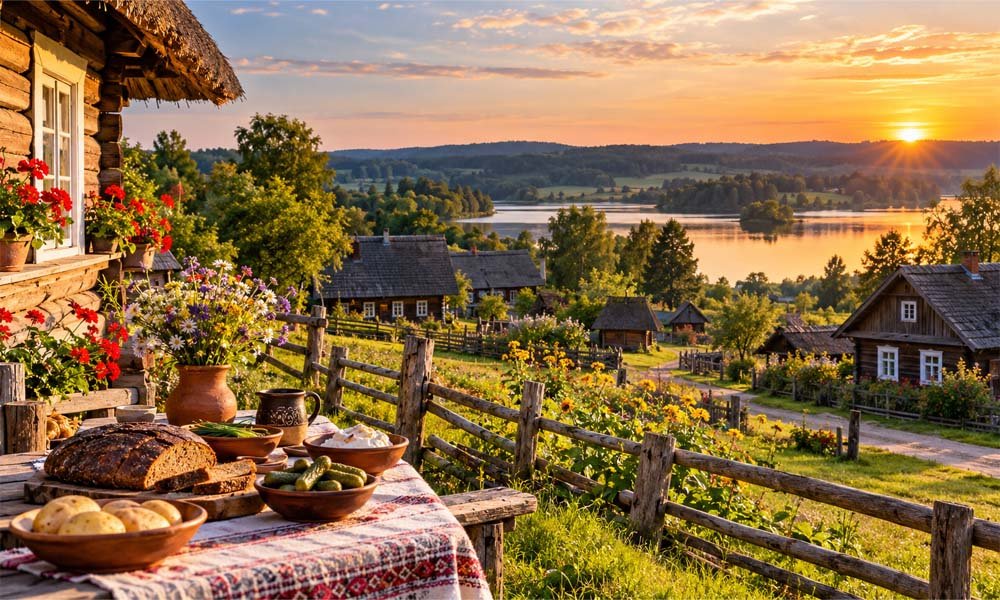
Have you ever wondered what life was like in an old Lithuanian village? Picture small wooden homes, green fields, and families working together. This peaceful world is closely linked with Sodziu, a word that tells us about Lithuania’s countryside.
Sodziu is more than a word people find online. It helps us learn about village life, family roots, and old traditions. These villages played a big part in Lithuanian history. Many customs from the past are still loved today.
In this article, we will explore the meaning of Sodziu, its history, village homes, daily life, food, and farming. We will also see how these traditions shaped Lithuanian culture and why they still matter in 2026.
What Is Sodziu? Meaning and Origin
Sodziu comes from the Lithuanian word sodžius, which means a village or rural settlement. It describes a place where people live in the countryside. In the past, many families in these villages worked on farms.
The word also brings to mind simple homes, gardens, animals, and open fields. Village life was often built around family and shared work. People depended on the land for food and many daily needs.
Today, Sodziu is often used online without Lithuanian letters. Its main meaning is still linked to villages. It is not the name of a special product, app, or type of art.
Sodziu and Other Lithuanian Words
Lithuanian has several words that may look alike. Sodžius means village, while sodžiu is another form of the same word. These endings change because Lithuanian has its own grammar rules.
Two other words are sodyba and kaimas. Sodyba means a country home or farm property. Kaimas means village. The word sodybos is the plural form of sodyba, not sodžius.
There is also žodžiu, which can mean “in short” in daily speech. It is a different word. Knowing these small differences helps readers understand Lithuanian writing without mixing up the meanings.
| Lithuanian word | Simple meaning |
|---|---|
| Sodžius | Village or rural settlement |
| Sodžiu | Another form of sodžius |
| Sodyba | Country home or farmstead |
| Sodybos | More than one sodyba |
| Kaimas | Village |
| Žodžiu | In short or basically |
The History of Sodziu in Lithuania
Sodziu has deep roots in Lithuania’s farming past. Long ago, families built villages near fields, forests, and water. These places gave them land for crops, wood for homes, and water for people and animals.
During the 1500s, the Valakų reform changed how much farmland was laid out. Some villages became more planned, with homes and fields placed in new ways. Still, village designs were different across the country.
Life changed again under Soviet rule. Many farms were joined into large shared farms run under state control. After Lithuania became independent in 1990, private farming returned. Today, old villages show how rural life has changed over time.
Traditional Sodziu Village Life
Life in a traditional Sodziu village followed the seasons. Spring was a time for planting crops and working in gardens. Summer brought haymaking and farm work. In autumn, families gathered food and prepared for winter.
Winter was also busy. People cared for animals, fixed tools, and worked inside their homes. Parents taught children how to cook, grow food, and care for the land. These skills often passed from one generation to another.
Neighbors were an important part of village life. Families helped each other during harvests and large jobs. They also came together for weddings and festivals. Life was not always easy, but working together helped communities face hard times.
Sodziu Homes and Village Architecture
Traditional Lithuanian village homes were often built from wood. Wood was easy to find in many areas. Houses were made to keep families safe during cold winters and provide space for daily work.
A rural property could have a main house, barn, garden, and storage buildings. Large stoves helped warm rooms and cook meals. Families also used cellars to keep vegetables and other food fresh for longer.
Some homes had carved wooden details, painted windows, and simple fences. Designs changed from one region to another. Today, many old homes have been restored, helping people see how earlier families lived.
Sodziu Farming and Traditional Food
Farming was a big part of Sodziu life. Families grew rye, potatoes, grains, and vegetables. They also raised cows, pigs, chickens, and horses. Animals provided milk, meat, transport, and help with farm work.
Food was often made from what families grew or gathered. Dark rye bread, called juoda duona, was very important. Other well-known Lithuanian foods include cepelinai, large potato dumplings, and šaltibarščiai, a cold beet soup.
Families also kept bees for honey and wax. They gathered berries and mushrooms from forests. Food was dried, salted, smoked, or stored for winter. These old habits show how closely village families lived with the land.
Sodziu Crafts and Folk Traditions
Traditional Sodziu villages were full of useful skills. People made many things by hand because shops were not always nearby. Weaving, sewing, and woodworking helped families make clothes, tools, and items for their homes.
Women often used linen and wool to make cloth, towels, and clothing. Some fabrics had beautiful patterns. Woodworkers made furniture, spoons, and farm tools. These skills helped families save money and use local materials.
Folk songs were also important. Lithuanian songs, called dainos, told stories about love, family, work, and nature. Older people shared stories and local beliefs with children. This helped keep village traditions alive for many years.
Sodziu Festivals and Village Celebrations
Festivals brought joy to Sodziu communities. After long days of farm work, families enjoyed spending time together. People shared food, sang songs, and celebrated special days. Many of these old customs are still followed in Lithuania.
One famous festival is Joninės, which celebrates midsummer. People gather around fires, make flower wreaths, and enjoy music. Another important event is Kūčios, the Christmas Eve meal when families share special foods and spend time together.
Užgavėnės is another fun celebration. People wear masks, enjoy food, and welcome the coming spring. Harvest festivals also gave families time to celebrate their crops. These events helped bring neighbors closer and kept local customs alive.
Sodziu and Its Connection With Nature
Nature has always been an important part of Sodziu life. Lithuanian villages were often surrounded by green forests, rivers, lakes, and fields. These places provided food, water, wood, and space for farming and animals.
Families collected berries, mushrooms, and useful plants from nearby forests. Weather also shaped their daily work. Warm days helped crops grow, while cold winters meant families needed to store enough food and firewood.
Nature was also part of old Lithuanian stories. Trees, forests, and rivers appeared in folk tales and beliefs. Today, many people still enjoy Lithuania’s peaceful countryside. Its natural beauty remains a special part of village culture.
Sodziu and Simple, Sustainable Living
Traditional village families often made careful use of what they had. They repaired broken tools, reused wood, and grew vegetables in home gardens. These habits helped them save money and make their supplies last longer.
Food was also treated with care. Families dried mushrooms, stored potatoes, and saved vegetables for winter. They used local materials whenever possible. Many of these habits are similar to modern ideas about reducing waste.
However, not every old village was fully eco-friendly. People followed these habits mainly because they were useful. Today, Sodziu can remind us that saving resources and wasting less are still good ways to live.
Sodziu in Modern Lithuanian Life
Village life in Lithuania has changed greatly. In 2026, many rural homes have electricity, internet access, modern heating, and farm machines. People can enjoy country life while using the same technology found in cities.
Not everyone living in a village works on a farm. Some people run small businesses, work online, or travel to nearby towns for jobs. Older wooden homes may stand beside new houses and restored farm buildings.
Still, some villages face problems. Young people may move away for work or school. This can leave fewer people to care for old buildings and traditions. Local groups and families help keep this history alive.
Sodziu Tourism and Countryside Experiences
Would you like to spend a quiet weekend in a Lithuanian village? Rural tourism gives visitors that chance. Many people stay in a sodyba, which is a country home or guesthouse near fields, forests, or lakes.
Visitors can try bread-making, learn about bees, or join craft lessons. Some places offer traditional saunas and homemade food. Others provide hiking, cycling, fishing, and walks through peaceful natural areas.
Museums and old farm homes also help visitors learn about the past. Tourism can bring money to local families and support small businesses. It also gives older buildings and village skills a new purpose.
Common Myths About Sodziu
Some websites give confusing meanings for Sodziu. One common claim says it is an old fabric-dyeing art. Lithuania does have real weaving and textile traditions, but reliable language sources do not support that meaning for sodžius.
Another mistake is calling Sodziu a single village or a special way of living. The word is mainly linked to villages and rural settlements. It does not describe one fixed place or lifestyle.
People also confuse sodžius with sodyba and žodžiu. These words have different uses. Checking the original Lithuanian spelling helps readers find the correct meaning and avoid false information.
Why Sodziu Still Matters Today
Sodziu helps people understand Lithuania’s past. Old villages tell stories about farming, family life, food, and local customs. They show how people worked together and cared for their homes through many years of change.
Many families still feel close to their countryside roots. Museums, schools, and local groups help protect old buildings, songs, and crafts. These efforts allow children to learn about the lives of earlier generations.
In 2026, Sodziu remains a useful link between old and new Lithuania. Villages can welcome modern homes, jobs, and technology while keeping their history. Protecting this heritage helps future generations understand where their culture began.
Conclusion
Sodziu is closely linked to the Lithuanian word sodžius, meaning a village or rural settlement. Its history opens a window into traditional homes, farming, food, crafts, festivals, and the daily lives of countryside families.
Lithuanian villages have changed over time, but many old traditions remain important. From homemade rye bread to folk songs and wooden houses, these customs help people stay connected with their past.
Today, Sodziu reminds us why rural history is worth protecting. It shows how families, nature, and local traditions helped shape Lithuanian culture. These stories can continue to inspire and teach people for years to come.
(FAQs)
What does Sodziu mean in English?
Sodziu is linked to the Lithuanian word sodžius, which means village or rural settlement. It describes places where people live in the countryside. The word is also connected with farming, family life, and old Lithuanian traditions.
Is Sodziu a real Lithuanian word?
Yes. Sodziu is a spelling often used online for the Lithuanian word sodžiu. The basic form is sodžius. People sometimes leave out special Lithuanian letters when typing. Both forms are linked to village life.
What is the difference between Sodziu and sodžius?
Sodžius is the basic Lithuanian word for village. Sodžiu is another form of the same word used in sentences. Sodziu is how people may write sodžiu without the special letter ž. The meaning depends on the sentence.
Is Sodziu the same as sodyba?
No. Sodžius means a village or rural settlement, while sodyba means a single country home or farm property. A sodyba may have a house, garden, barn, and land. Many such homes can be found in one village.
What does kaimas mean in Lithuania?
Kaimas is a common Lithuanian word meaning village. It is often used when talking about rural places today. Sodžius has a similar meaning but may sound more traditional. Both words are closely linked with countryside life.
Is Sodziu the same as žodžiu?
No. These are different Lithuanian words. Sodžiu is linked to a village, while žodžiu comes from the word for “word.” In daily speech, žodžiu can mean “basically” or “in short.” Their similar spellings can confuse readers.
How did people live in traditional Sodziu villages?
People worked on farms, grew vegetables, and raised animals. Families made food, repaired tools, and stored supplies for winter. Neighbors often helped each other with large jobs. Songs, festivals, and family gatherings were also important parts of village life.
What traditional food was popular in Lithuanian villages?
Dark rye bread, potatoes, vegetables, dairy foods, and mushrooms were common. Well-known Lithuanian dishes include cepelinai, which are large potato dumplings, and šaltibarščiai, a cold beet soup. Families also dried, salted, or smoked food to save it for winter.
Is Sodziu a traditional fabric-dyeing method?
No reliable Lithuanian language evidence shows that Sodziu is a traditional fabric-dyeing method. Some websites make this claim, but the established meaning of sodžius is village. Lithuania does have a rich history of weaving, sewing, and other textile crafts.
Why is Sodziu still important in 2026?
Sodziu helps people learn about Lithuanian history, family roots, and village traditions. Old homes, folk songs, local food, and crafts remain part of the country’s culture. Museums and rural tourism also help protect this heritage for future generations.
Continue reading: Axelanote: Why Are People Curious About This Digital Note Tool?

Asmongold Net Worth: From World of Warcraft Gamer to Millionaire

Andrew Frankel: Meet the Rich Businessman Who Married Bridget Moynahan

French Montana Net Worth: His Music Money, YouTube Income, and Real Estate

Edward Abel Smith: The Untold Story of Kate Winslet’s Husband

Dua Lipa Net Worth: Inside Her Music, Tours, and Huge Earnings

Kandi Burruss Net Worth: Music, TV, Business, and Her Wealth

Cristina Invernizzi: What We Know About Jordan Belfort’s Wife

Why Coastal Homeowners Need a Different Approach to Property Maintenance

Meredith Schwarz: Everything to Know About Pete Hegseth’s Ex-Wife

lice Cooper Net Worth: How Six Decades of Rock Made Him Rich

Catherine Mooty: What Happened to Troy Aikman’s Ex-Wife?

Charfen.co.uk: What Is It and What Does It Offer?

Who Is Tamara Hurwitz? Meet Bill Pullman’s Wife

Voozon.com: Everything You Need to Know Before Using It

Diandra Luker: The Real Story of Michael Douglas’ Ex-Wife

Jack Scott Ramsay: What Happened to Gordon Ramsay’s Son?

SoSoActive: Everything You Need to Know About the Digital Platform

The Story of Jeannine Belleguic: What Public Records Really Reveal

Noelle Watters: Where Is Jesse Watters’ First Wife Now?

Kerri Browitt Caviezel: Everything to Know About Jim Caviezel’s Wife
Asmongold Net Worth: From World of Warcraft Gamer to Millionaire
Andrew Frankel: Meet the Rich Businessman Who Married Bridget Moynahan
French Montana Net Worth: His Music Money, YouTube Income, and Real Estate
Edward Abel Smith: The Untold Story of Kate Winslet’s Husband
Dua Lipa Net Worth: Inside Her Music, Tours, and Huge Earnings
Kandi Burruss Net Worth: Music, TV, Business, and Her Wealth
Cristina Invernizzi: What We Know About Jordan Belfort’s Wife
Why Coastal Homeowners Need a Different Approach to Property Maintenance
Meredith Schwarz: Everything to Know About Pete Hegseth’s Ex-Wife
lice Cooper Net Worth: How Six Decades of Rock Made Him Rich
-

 News2 months ago
Who Is Gigi Yallouz? Meet Owain Yeoman’s Wife and Jewelry Designer
-

 News2 months ago
Rajesh Nihalani: What We Know About Archie Panjabi’s Husband
-

 News2 months ago
Stephan Farmiga: Everything to Know About Vera Farmiga’s Brother
-

 News1 month ago
Who Is Tove Torvalds? All About Linus Torvalds’ Wife