
Business
The Cost of Cutting Corners: Why Workplace Safety Is a Business Growth Strategy

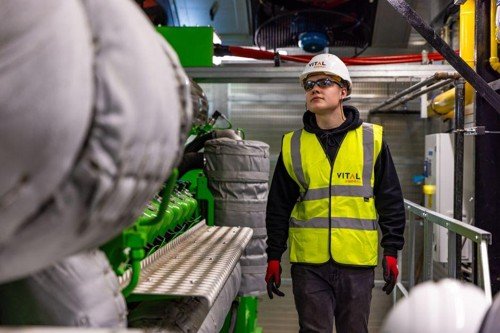
A company can have a strong sales pipeline, reliable suppliers, and an experienced workforce, yet still lose money because of one preventable workplace incident. An injured employee, an unexpected inspection, or a temporary shutdown can disrupt operations that took months to organize.
Many businesses treat workplace safety as a compliance expense rather than a contributor to profitability. This approach overlooks how safety performance affects productivity, employee retention, insurance costs, and customer confidence.
The challenge becomes greater in industries such as construction, engineering, energy, and manufacturing, where employees regularly encounter complex equipment and hazardous working conditions.
Businesses that approach safety strategically can protect their people while building more dependable operations. The following considerations explain why investing in workplace safety can support long-term commercial success.
Hiring the Right Safety Professionals Protects Business Continuity
Workplace safety responsibilities become increasingly complicated as businesses expand into new projects, locations, and industries.
A construction company managing several active sites may need different expertise from an energy business overseeing high-voltage equipment or turbine maintenance.
This is where health and safety recruitment becomes an important business decision rather than simply another staffing requirement. Finding professionals with relevant qualifications, industry experience, and knowledge of applicable regulations can help organizations manage risks more effectively.
Experienced safety officers can assess hazards, review working procedures, support employee training, and identify weaknesses before they contribute to incidents.
For projects with changing staffing requirements, temporary specialists may provide additional support without requiring permanent appointments.
However, employers should evaluate candidates beyond their qualifications. Familiarity with specific equipment, working environments, and operational challenges is equally important.
The objective is to find professionals capable of translating safety requirements into practical procedures that employees can follow.
Workplace Accidents Create Expenses Beyond Medical Bills
When an employee suffers a workplace injury, the immediate financial consequences may include medical expenses, compensation claims, and equipment damage.
However, indirect costs can be equally disruptive.
Supervisors may spend hours investigating the incident, while production teams experience delays or temporary shutdowns.
Other employees might need overtime to complete unfinished work, increasing labor expenses.
Businesses may also face legal costs, regulatory action, or contractual penalties, depending on the circumstances.
Even relatively minor incidents can affect scheduling and employee confidence.
These consequences explain why safety investments should be evaluated against the broader financial impact of preventable disruptions.
Maintaining accurate incident records and reviewing recurring hazards can help businesses identify where preventive spending is most valuable.
Poor Safety Practices Can Damage Customer Relationships
Customers increasingly expect suppliers and contractors to demonstrate responsible operating practices.
This is particularly relevant in sectors where businesses must meet strict project requirements before entering a worksite.
A contractor with repeated safety violations may struggle to qualify for certain projects or maintain existing commercial relationships.
Clients may request evidence of employee training, risk assessments, incident reporting procedures, and safety management systems.
Businesses that cannot provide reliable documentation may face additional scrutiny during procurement.
A serious incident can also create reputational consequences that extend beyond the immediate project.
Although strong safety performance doesn’t guarantee new contracts, it can help demonstrate professionalism and operational reliability.
Companies should therefore view safety documentation as part of their commercial readiness, not merely paperwork completed for inspections.
Employee Retention Improves When Safety Becomes a Priority
Employees notice when management takes their working conditions seriously.
They also recognize when production targets consistently take precedence over reasonable safety precautions.
Unsafe environments can contribute to dissatisfaction, absenteeism, and employee turnover.
Replacing experienced workers creates recruitment expenses and additional training requirements.
New employees may also need time to become familiar with equipment and workplace procedures.
A strong safety culture encourages workers to report hazards, raise concerns, and participate in improvements without fearing unfair consequences.
Managers should respond constructively when employees identify problems.
Regular discussions about workplace risks can reveal issues that formal inspections overlook.
When workers believe their concerns matter, businesses are better positioned to maintain experienced teams and consistent operational standards.
Safety Planning Helps Prevent Expensive Project Delays
Large projects depend on carefully coordinated schedules.
Equipment deliveries, contractor availability, inspections, and specialized labor often need to align within narrow timeframes.
An unexpected safety issue can interrupt this coordination.
For example, inadequate lifting procedures may prevent heavy equipment from being installed until appropriate controls are established.
Missing documentation or insufficiently trained personnel can create similar delays.
Planning safety requirements during the early project stages helps reduce these risks.
Businesses should identify critical activities, assess hazards, and confirm that competent personnel will be available when needed.
Risk assessments and method statements should reflect actual site conditions rather than rely on generic templates.
Effective planning allows teams to address foreseeable problems before they affect project deadlines.
Technology Can Improve Safety Without Replacing Human Judgment
Modern businesses have access to technologies that can support workplace risk management.
Digital inspection platforms, equipment sensors, incident reporting systems, and wearable devices may help organizations collect useful safety information.
For example, maintenance monitoring can identify abnormal equipment conditions before they develop into more serious failures.
Digital reporting tools can make it easier to document hazards and track corrective actions.
However, technology alone cannot establish a safe workplace.
Information must be reviewed by competent personnel who understand the operating environment.
Poorly configured systems can produce misleading alerts or overwhelm employees with unnecessary information.
Businesses should select technology based on clearly identified risks rather than purchasing equipment simply because it appears innovative.
Training, maintenance, and management oversight remain essential.
The most effective systems combine reliable information with practical human decision-making.
Safety Training Should Reflect Real Workplace Conditions
Generic safety presentations may satisfy basic administrative requirements, but they rarely address every challenge employees encounter.
A technician working around electrical infrastructure faces different risks from someone operating warehouse machinery.
Training should therefore reflect actual tasks, equipment, and working environments.
Practical demonstrations, supervised exercises, and scenario-based discussions can help employees understand how procedures apply during normal operations.
Refresher training is particularly important when equipment changes, employees take on new responsibilities, or incidents reveal knowledge gaps.
Supervisors should also receive appropriate instruction because their decisions influence how work is performed.
Businesses can evaluate training effectiveness through observations, employee feedback, and assessments of practical competence.
Attendance records alone don’t establish that workers can perform tasks safely.
Training becomes valuable when employees can apply what they’ve learned.
Measure Safety Performance Before Problems Become Emergencies
Many businesses judge safety performance primarily by counting accidents and injuries.
These figures are useful, but they describe events that have already occurred.
A broader approach also examines preventive activities.
Relevant measures may include completed inspections, corrective action closure times, employee training, equipment maintenance, and reported hazards.
Businesses should investigate patterns rather than simply collect statistics.
If the same hazard appears repeatedly, management needs to determine why previous corrective measures failed.
Leadership should review findings regularly and allocate resources to unresolved risks.
Safety responsibilities must also remain clear across departments and management levels.
The ultimate goal is continuous improvement, not producing impressive reports.
Companies that integrate safety into hiring, planning, training, and operational decisions are better equipped to manage uncertainty.
Workplace safety cannot eliminate every risk, but it can reduce avoidable disruptions and strengthen business resilience.
Protecting employees and maintaining profitable operations are not competing priorities. When managed effectively, they support each other.

NeNe Leakes Net Worth: Her Million-Dollar RHOA Salary and Wealth

DDG Net Worth: How Rich Is the Rapper and YouTube Star?

IShowSpeed Net Worth: YouTube Earnings, Brand Deals, and Luxury Cars

Mia Randall: Everything You Need to Know About Patrick Mahomes’ Younger Sister

Top AI Trends 2026: 10 Biggest AI Technologies, Risks, and Future Predictions

Sal Vulcano Net Worth: Salary, Income, and His Rise to Fame

Simon Pegg Net Worth: How He Made His $25 Million Fortune

Katie Van Slyke Net Worth: How Much Does She Really Make?

Patricia Azarcoya Schneider: Everything You Need to Know About Rob Schneider’s Wife

Breckie Hill Net Worth: Her Income and Secret to Success

Catherine Mooty: What Happened to Troy Aikman’s Ex-Wife?

Charfen.co.uk: What Is It and What Does It Offer?

Who Is Tamara Hurwitz? Meet Bill Pullman’s Wife

Voozon.com: Everything You Need to Know Before Using It

Diandra Luker: The Real Story of Michael Douglas’ Ex-Wife

Jack Scott Ramsay: What Happened to Gordon Ramsay’s Son?

SoSoActive: Everything You Need to Know About the Digital Platform

Noelle Watters: Where Is Jesse Watters’ First Wife Now?

The Story of Jeannine Belleguic: What Public Records Really Reveal

Kerri Browitt Caviezel: Everything to Know About Jim Caviezel’s Wife
NeNe Leakes Net Worth: Her Million-Dollar RHOA Salary and Wealth
DDG Net Worth: How Rich Is the Rapper and YouTube Star?
IShowSpeed Net Worth: YouTube Earnings, Brand Deals, and Luxury Cars
Mia Randall: Everything You Need to Know About Patrick Mahomes’ Younger Sister
Top AI Trends 2026: 10 Biggest AI Technologies, Risks, and Future Predictions
Sal Vulcano Net Worth: Salary, Income, and His Rise to Fame
Simon Pegg Net Worth: How He Made His $25 Million Fortune
Katie Van Slyke Net Worth: How Much Does She Really Make?
Patricia Azarcoya Schneider: Everything You Need to Know About Rob Schneider’s Wife
Breckie Hill Net Worth: Her Income and Secret to Success
-

 News2 months ago
Who Is Gigi Yallouz? Meet Owain Yeoman’s Wife and Jewelry Designer
-

 News2 months ago
Rajesh Nihalani: What We Know About Archie Panjabi’s Husband
-

 News2 months ago
Stephan Farmiga: Everything to Know About Vera Farmiga’s Brother
-

 News1 month ago
Who Is Tove Torvalds? All About Linus Torvalds’ Wife