
Blog
Tarnplanen: Everything You Need to Know About Camouflage Tarps

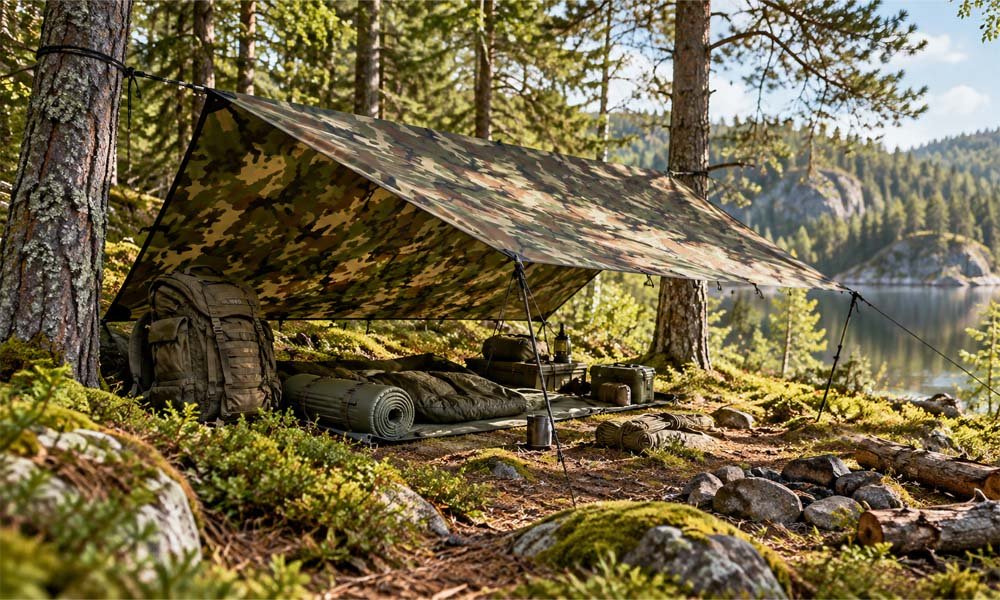
Have you ever seen a green or brown sheet stretched between trees? It may look like a simple cover. But it can keep rain away, make shade, and help an outdoor area blend with nature. This useful cover is often called Tarnplanen.
Tarnplanen are camouflage tarps made for many outdoor jobs. Campers use them for shelter. Wildlife fans may use them as a screen. People can also cover tools and outdoor gear with them. They are simple, but they can be very useful.
In this 2026 guide, we will explain what Tarnplanen means, how these tarps work, what they are made from, and where people use them. We will also look at camping, wildlife watching, water protection, buying tips, care, and safe setup.
What Does Tarnplanen Mean?
The word Tarnplanen comes from German. In simple English, it means camouflage tarpaulins or camouflage tarps. These are large sheets made to cover things while also helping them blend into the area around them.
The word can be understood in two parts. “Tarn” is linked with hiding or camouflage. “Planen” is the plural form of a word used for tarps or protective sheets. One camouflage tarp can be called a Tarnplane.
Tarnplanen is not the name of one brand. Many companies can make and sell these covers. This is important because one tarp may be very different from another. The size, fabric, strength, and water protection can all change from product to product.
How Tarnplanen Work Outdoors
A normal tarp may be bright blue, orange, or another strong color. That is fine when you only need a cover. But a bright tarp can stand out in a forest. Tarnplanen often use green, brown, olive, grey, or other soft colors.
These colors can help the sheet match trees, grass, soil, or rocks. This does not make a person or object fully invisible. It simply makes the covered area less easy to notice from a distance.
The tarp can also act as a basic wall or roof. For example, imagine sitting at a campsite when light rain starts. A well-set tarp above you can give some cover. At the same time, its natural colors may fit the campsite better than a bright plastic sheet.
Common Uses of Tarnplanen
Tarnplanen can be used for many outdoor tasks. This is one reason people like them. A single sheet can become a shelter, ground cover, rain cover, shade screen, or simple wall. The best use depends on its size and material.
Campers may carry a light Tarnplane in a bag. At camp, they can hang it between trees for shade or rain cover. Garden owners may use a stronger tarp to cover tools, wood, or other outdoor items for a short time.
Wildlife photographers may also use camouflage tarps. A sheet can help hide large shapes and movement. Some people use them during outdoor work as well. In every case, the tarp should be fixed well, especially when the weather is windy.
Tarnplanen for Camping and Shelter
Camping is one of the most common uses for Tarnplanen. A tarp can be tied between trees or held up with poles. This can make a simple roof where people can sit, cook safely nearby, or keep bags away from light rain.
One popular setup is an A-frame. The middle of the tarp is raised, while both sides slope down. Rain can then run toward the ground instead of sitting on top. Ropes and stakes can help keep the sheet firm.
Still, a Tarnplane is not always a full replacement for a tent. A tent can give more protection from insects, cold air, and wind. In rough weather, a simple tarp may not be enough. Campers should always choose shelter based on the place and weather.
Tarnplanen for Wildlife Photography
Wild animals can be careful around people. They may notice movement, bright clothes, or objects that look strange. Tarnplanen can help a photographer create a simple screen that fits better with the land around it.
For example, a photographer may sit behind a green and brown sheet near a safe viewing area. The tarp can hide some body movement and camera gear. This may make the setup less noticeable, but it does not mean animals will ignore it.
Wildlife should always come first. A camouflage tarp should never be used as a reason to get too close. People should stay away from nests and young animals. They should also follow local rules and give wildlife enough space.
What Materials Are Used in Tarnplanen?
Tarnplanen can be made from several kinds of fabric. Polyester is common because it can be light and easy to carry. It is often used for camping and outdoor covers. Its water protection depends on the coating and build.
Nylon can also be light and flexible. Some lightweight shelters use nylon because it packs into a small space. PVC-coated fabric can give strong protection from water, but it is often heavier. This may make it better for storage than long walks.
Canvas is a strong and more traditional material, but it can become heavy when wet. Ripstop fabric is made in a way that can help stop small tears from spreading quickly. No single material is best for everyone. The right Tarnplanen depends on where and how you plan to use it.
Are Tarnplanen Waterproof?
Not every Tarnplane is fully waterproof. This is important to know before you buy one. A camouflage print only tells you how the tarp looks. It does not tell you how well the fabric can stop rain.
Some Tarnplanen are made for light rain. Others have a special coating that gives better water protection. The seams also matter. Water can pass through weak seams even when the main fabric is strong.
Think about how you plan to use the tarp. A light cover may be fine for a short picnic. A camping shelter may need much better rain protection. Always read the product details before using it in wet weather.
How to Choose the Right Tarnplanen
Start by thinking about where you will use your Tarnplanen. A small tarp may work for one person. A larger one can cover a sitting area, camping gear, or a bigger outdoor space.
Next, look at the weight and fabric. Hikers often want a light tarp that fits inside a backpack. People who need a cover for a garden or car may care more about strength than weight.
Check the eyelets and loops too. Strong fixing points make setup much easier. Also look at the water rating, seams, and care guide. A simple check before buying can save you trouble later.
Best Camouflage Patterns for Tarnplanen
Camouflage patterns come in many colors. Green and brown are common for forests and grass areas. These colors can match leaves, trees, soil, and plants quite well.
Sand and light brown patterns may suit dry land. White and grey patterns can work better in snowy places. Grey or dark designs are sometimes used around rocks, buildings, or other outdoor areas.
The best pattern depends on your location. You do not need a perfect match. The goal is simply to make the tarp stand out less. If you only need rain cover, the color may not matter much at all.
How to Set Up Tarnplanen Safely
A safe setup starts with a good place. Avoid weak trees, falling branches, deep water, and low ground where rain can collect. Make sure the area is safe before you start tying ropes.
Use strong ropes, stakes, poles, or safe trees to hold the Tarnplane. Pull the fabric firm, but not too tight. Too much force can damage the eyelets or tear the corners.
Keep one side slightly lower if rain is expected. This helps water run off instead of making a heavy pool on top. Also keep flames, heaters, and very hot cooking tools away from the fabric.
How to Clean and Store Tarnplanen
Tarnplanen can last longer when they are cared for well. After a trip, shake away leaves, mud, and small pieces of dirt. A soft cloth or brush can help with marks that will not fall off.
Use mild soap only when the maker says it is safe. Strong cleaners may hurt the fabric or its water coating. After cleaning, let the tarp dry fully before folding it.
Never store a wet Tarnplane for a long time. Wet fabric can smell bad and may grow mold. Check the seams, loops, and eyelets before storage. Fixing a small tear early can stop it from becoming a bigger problem.
Benefits and Limits of Tarnplanen
One big benefit of Tarnplanen is that they can do many jobs. The same tarp may give shade at lunch, cover camping bags at night, and become a simple rain shelter when the weather changes.
Many types are also easy to carry. A light tarp can fold into a small bag. Camouflage colors are useful when you want your outdoor setup to look less bright in a natural area.
There are limits too. Thin fabric may tear in strong wind. Cheap eyelets can break. Some Tarnplanen are only water-resistant. They may not handle hours of heavy rain. Knowing these limits helps you use the tarp safely.
Are Tarnplanen Worth Buying?
Tarnplanen can be worth buying if you spend a lot of time outdoors. Campers, wildlife watchers, photographers, and people with outdoor gear may find many uses for one good tarp.
But camouflage is not always needed. Imagine that you only want to cover garden tools behind your house. A normal waterproof tarp may do the same job and may cost less.
Focus on quality first. Look at the fabric, size, strong edges, fixing points, and rain protection. A nice camouflage pattern is useful, but it should not be the only reason you choose a product.
Conclusion
Tarnplanen may sound like a strange word at first, but the idea is very simple. They are camouflage tarps made to cover, protect, and sometimes help outdoor setups blend into the land around them.
They can be useful for camping, simple shelters, wildlife photography, gardens, and gear protection. Different Tarnplanen use different fabrics, sizes, colors, and coatings. This is why checking the product details is so important.
In 2026, the best choice is still based on your real needs. Think about where you will use the tarp, how much rain it may face, and how much weight you can carry. Choose well, care for it properly, and one Tarnplane can help with many outdoor jobs.
(FAQs)
What does Tarnplanen mean in English?
Tarnplanen means camouflage tarps or camouflage tarpaulins in English. The word comes from German. These covers are made to protect outdoor gear while also helping it blend into the area around it.
Is Tarnplanen a brand name?
No. Tarnplanen is not one brand. It is a general German word used for camouflage tarps. Many different companies can sell Tarnplanen, so the size, fabric, strength, and quality can be very different.
Are all Tarnplanen waterproof?
No. Some Tarnplanen are waterproof, while others are only water-resistant. The camouflage pattern does not tell you how much rain the tarp can handle. Always check the fabric, coating, seams, and product details before buying.
Can Tarnplanen be used for camping?
Yes. Many people use Tarnplanen for camping. They can make shade, cover bags, or create a simple shelter. A tarp can be useful in light rain, but it may not give the same protection as a full tent.
What is the best material for Tarnplanen?
There is no single best material for everyone. Polyester and nylon are light and easy to carry. PVC-coated fabric is often stronger and better for wet use. Canvas is tough, but it can be heavy.
Can Tarnplanen be used for wildlife photography?
Yes. A camouflage tarp can help photographers hide some movement and bright gear. This may make the setup less easy for animals to notice. People should still keep a safe distance and avoid disturbing wildlife.
How do you set up a Tarnplane shelter?
You can tie the tarp between trees or use poles, ropes, and stakes. Keep the fabric firm, but not too tight. A sloping shape helps rain run off. Always check that the area is safe first.
How should Tarnplanen be cleaned?
Shake off dirt, leaves, and mud after use. Use a soft cloth or brush for small marks. Mild soap may be used if the maker allows it. Let the tarp dry fully before folding and storing it.
How long can Tarnplanen last?
A good Tarnplane can last for years if it is used and stored well. Strong sunlight, rough ground, sharp objects, and bad storage can shorten its life. Cleaning and drying it after use can help it last longer.
Are Tarnplanen worth buying?
Yes, they can be useful for campers, outdoor workers, photographers, and people who need gear protection. But if you only need a simple cover, a normal tarp may be enough. Choose based on your real needs.
Continue reading: Fanquer: What It Means and Why People Are Talking About It

Asmongold Net Worth: From World of Warcraft Gamer to Millionaire

Andrew Frankel: Meet the Rich Businessman Who Married Bridget Moynahan

French Montana Net Worth: His Music Money, YouTube Income, and Real Estate

Edward Abel Smith: The Untold Story of Kate Winslet’s Husband

Dua Lipa Net Worth: Inside Her Music, Tours, and Huge Earnings

Kandi Burruss Net Worth: Music, TV, Business, and Her Wealth

Cristina Invernizzi: What We Know About Jordan Belfort’s Wife

Why Coastal Homeowners Need a Different Approach to Property Maintenance

Meredith Schwarz: Everything to Know About Pete Hegseth’s Ex-Wife

lice Cooper Net Worth: How Six Decades of Rock Made Him Rich

Catherine Mooty: What Happened to Troy Aikman’s Ex-Wife?

Charfen.co.uk: What Is It and What Does It Offer?

Who Is Tamara Hurwitz? Meet Bill Pullman’s Wife

Voozon.com: Everything You Need to Know Before Using It

Diandra Luker: The Real Story of Michael Douglas’ Ex-Wife

Jack Scott Ramsay: What Happened to Gordon Ramsay’s Son?

SoSoActive: Everything You Need to Know About the Digital Platform

The Story of Jeannine Belleguic: What Public Records Really Reveal

Noelle Watters: Where Is Jesse Watters’ First Wife Now?

Kerri Browitt Caviezel: Everything to Know About Jim Caviezel’s Wife
Asmongold Net Worth: From World of Warcraft Gamer to Millionaire
Andrew Frankel: Meet the Rich Businessman Who Married Bridget Moynahan
French Montana Net Worth: His Music Money, YouTube Income, and Real Estate
Edward Abel Smith: The Untold Story of Kate Winslet’s Husband
Dua Lipa Net Worth: Inside Her Music, Tours, and Huge Earnings
Kandi Burruss Net Worth: Music, TV, Business, and Her Wealth
Cristina Invernizzi: What We Know About Jordan Belfort’s Wife
Why Coastal Homeowners Need a Different Approach to Property Maintenance
Meredith Schwarz: Everything to Know About Pete Hegseth’s Ex-Wife
lice Cooper Net Worth: How Six Decades of Rock Made Him Rich
-

 News2 months ago
Who Is Gigi Yallouz? Meet Owain Yeoman’s Wife and Jewelry Designer
-

 News2 months ago
Rajesh Nihalani: What We Know About Archie Panjabi’s Husband
-

 News2 months ago
Stephan Farmiga: Everything to Know About Vera Farmiga’s Brother
-

 News1 month ago
Who Is Tove Torvalds? All About Linus Torvalds’ Wife