Lifestyle
CO₂ Laser Skin Resurfacing in Toronto for Smoother, Brighter Skin

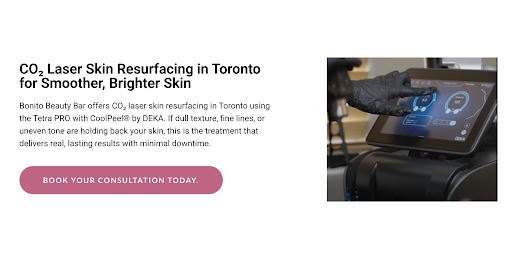
The landscape of non-surgical aesthetic medicine has evolved rapidly over the past decade. While topical serums and non-invasive facials offer surface hydration and mild barrier support, deeper structural skin concerns—such as static wrinkles, persistent photoaging, enlarged pores, and textural scarring—require modalities capable of reaching deep into the dermis. Among these advanced options, carbon dioxide (CO₂) laser skin resurfacing remains the gold standard for comprehensive dermatological skin transformation available at leading clinics like Bonito Beauty Bar in Toronto.
Historically, traditional ablative laser treatments required significant social downtime, prolonged skin redness, and an increased risk of post-treatment dyschromia. However, modern advancements in fractional energy delivery, micro-pulse technology, and customizable pulse durations have transformed the recovery process. Today, clients seeking CO₂ laser skin resurfacing in Toronto can enjoy dramatic skin rejuvenation with minimal, highly manageable downtime.
This comprehensive guide delves into the physics behind fractional carbon dioxide resurfacing, compares modern pulse technologies against legacy platforms, outlines expected recovery timelines, and provides objective criteria for selecting a qualified aesthetic provider.
The Physics of CO₂ Laser Resurfacing: How Light Energy Restores Skin Structure
At its core, a CO₂ laser is a gas-based laser emitting energy at an infrared wavelength of 10,600 nanometers (nm). This specific wavelength is exceptionally well-absorbed by intracellular water molecules within human skin tissue.
When the laser beam contacts the skin, the thermal energy rapidly vaporizes targeted cells in the epidermis and upper dermis. This process sets off a controlled biological repair cascade:
- Ablation: Microscopic channels of tissue are instantly vaporized, removing damaged superficial cells containing excess melanin, keratin buildup, and photoaged debris.
- Thermal Coagulation: The heat generated by the laser dissipates into the surrounding deep dermal tissue, creating a zone of controlled thermal injury.
- Fibroblast Activation & Neocollagenesis: The localized thermal shock stimulates dermal fibroblasts to synthesize new Type I and Type III collagen fibers while reorganizing existing elastin networks.
- Epidermal Regeneration: Adjacent untreated skin cells migrate into the treated micro-zones, accelerating skin re-epithelialization and barrier recovery.
Over subsequent weeks and months, the newly produced collagen matrix contracts and thickens, leading to visibly firmer, smoother, and more resilient skin structure.
Traditional vs. Fractional CO₂ Technology: Understanding the Shift
To appreciate modern resurfacing options, it is essential to distinguish between full-field ablative lasers and fractional CO₂ systems.
The Fractional Breakthrough
Fractional resurfacing revolutionized laser aesthetics by applying the energy in a grid-like pattern of microscopic thermal zones (MTZs). Instead of stripping the entire top layer of skin, fractional devices leave microscopic islands of healthy tissue intact between laser dots. These untreated bridges act as natural biological reservoirs, drastically shortening the healing timeline while preserving the profound collagen-stimulating benefits of 10,600 nm energy.
Short-Pulse and High-Peak Energy Innovations
Recent clinical platforms have introduced ultra-short pulse modes, such as the H-Pulse technology found in the DEKA Tetra PRO platform. By delivering high-peak energy in short bursts, these systems achieve surface ablation without spreading excess heat laterally into surrounding tissue. This delivery mechanism forms the basis of protocols like CoolPeel®, designed to deliver fractional resurfacing benefits with minimal post-procedure downtime.
Primary Clinical Indications for CO₂ Laser Resurfacing
Fractional CO₂ treatments address multiple structural skin concerns across the face, neck, and chest within a unified treatment framework.
1. Fine Lines and Peri-Oral Rhytids
Static lines around the mouth (smoker’s lines), eyes (crow’s feet), and cheeks respond exceptionally well to dermal collagen stimulation. By remodeling the underlying support matrix, laser energy smooths fine creases that topical products cannot resolve.
2. Textural Roughness and Pore Refinement
As skin ages, cellular turnover slows down, leading to a dull surface texture and stretched, visible pores. Micro-ablative channels clear surface congestion and tighten surrounding pore walls, resulting in a refined skin texture.
3. Sun Damage, Age Spots, and Dyschromia
Years of UV exposure cause actinic damage and uneven melanin distribution. CO₂ resurfacing strips away photo-damaged epidermal cells, bringing clearer, more evenly pigmented skin to the surface.
4. Atrophic Acne Scars and Scar Revision
Indentations from past inflammatory acne (such as boxcar and rolling scars) stem from fibrous tethering in the deep dermis. Fractional CO₂ energy disrupts rigid scar tissue, encouraging fresh collagen to fill in depressions over progressive healing cycles.
What to Expect: The Treatment Journey and Recovery Timeline
Understanding the pre-care, in-clinic protocol, and post-procedure recovery phase ensures realistic expectations and optimal healing outcomes.
Pre-Treatment Preparation
- Consultation and Skin Assessment: A qualified practitioner evaluates skin health, medical history, and Fitzpatrick skin type to configure safe laser parameters.
- Topical Pre-Conditioning: Patients with hyperpigmentation tendencies may be prescribed targeted skin-brightening agents prior to treatment to stabilize melanin activity.
- Discontinuing Actives: Retinoids, exfoliators, and photosensitizing topical ingredients are paused 5 to 7 days prior to treatment.
The In-Clinic Procedure
- Cleansing and Anesthesia: The treatment area is thoroughly cleansed, followed by the application of a high-potency topical numbing cream for 30 to 45 minutes to optimize patient comfort.
- Laser Application: The provider configures custom pulse power, density, and dwell time based on individual client goals. A full-face pass typically takes between 20 to 30 minutes. Sensation is usually described as mild warmth or a light prickling feeling.
- Immediate Post-Care: Soothing topical balms, cold compresses, or regenerative serums are applied immediately following laser exposure.
Recovery Phases
| Recovery Phase | CoolPeel® / Light Fractional Setting | Deep Fractional / Scar Revision Setting |
|---|---|---|
| Days 1–2 | Mild redness (sunburn sensation), slight warmth | Moderate erythema, localized swelling, minor oozing |
| Days 3–5 | Light peeling, fine sandpaper-like texture | Flaking, darkening of micro-spots, dryness |
| Days 6–10 | Pinkness resolves, skin feels smoother and clearer | Fresh epidermal layer appears, mild residual pinkness |
| Months 1–6 | Ongoing dermal collagen remodeling and radiance | Progressive structural firming and scar reduction |
Selecting a Qualified Provider for CO₂ Laser Skin Resurfacing in Toronto
Toronto is home to a vast aesthetic market, making provider selection a key component of patient safety and treatment efficacy. Because laser resurfacing alters skin structure, choosing an experienced clinic operating clinical-grade technology is essential.
Key Factors to Evaluate:
- Practitioner Credentials: Ensure the clinic is staffed by certified medical aestheticians or clinical professionals with specialized training in energy-based devices and dermal physiology.
- Advanced Laser Technology: Look for clinics utilizing modern multi-mode platforms, such as the DEKA Tetra PRO with CoolPeel technology. Advanced platforms allow practitioners to precise-tune power, density, and pulse structure rather than relying on fixed settings.
- Personalized Consultations: Top-tier studios perform thorough skin assessments, discuss Fitzpatrick skin risks, and customize post-care regimens tailored to individual lifestyle demands.
- Hygiene and Environment: A clean, peaceful clinical setting reduces contamination risks during the vulnerable post-laser window.
For instance, midtown Toronto clinics like Bonito Beauty Bar emphasize tailored fractional treatments, combining advanced platforms like the DEKA Tetra PRO with thorough pre-treatment conditioning and structured aftercare. Located on Avenue Road, Bonito Beauty Bar provides customized laser consultations that help clients navigate treatment options based on their unique skin type and recovery availability. Under the direction of experienced medical aesthetic professionals, the team at Bonito Beauty Bar balances patient comfort with clinical-grade skin revision protocols.
Post-Treatment Protocol: Protecting Your Investment
Post-laser care plays a critical role in preventing adverse events, such as post-inflammatory hyperpigmentation (PIH), and maximizing long-term collagen formation.
Essential Aftercare Rules:
- Strict Sun Avoidance: Freshly resurfaced skin is extremely susceptible to UV damage. Apply a broad-spectrum physical (mineral) sunscreen with zinc oxide daily, and avoid direct sun exposure.
- Maintain Barrier Hydration: Use gentle, fragrance-free cleansers and rich occlusive moisturizers or healing ointments to lock in hydration during the peeling phase.
- Avoid Picking or Exfoliating: Allow dry or flaking skin to slough off naturally. Forced exfoliation can cause micro-tears and permanent pigment alteration.
- Delay Active Ingredients: Pause glycolic acid, salicylic acid, vitamin C, and retinoids until the skin barrier has fully closed and recovered (typically 10 to 14 days).
Complementary Modalities for Skin Rejuvenation
While fractional CO₂ laser treatments deliver powerful standalone results, pairing them with other evidence-based aesthetic therapies offered at Bonito Beauty Bar can further enhance overall skin quality over time:
- Microneedling / Mesoneedling: Stimulates mechanical growth factor release between laser sessions to refine upper epidermal texture.
- LED Light Therapy: Photobiomodulation (near-infrared and red light) applied post-laser helps calm inflammation, speed wound healing, and support cellular repair.
- Chemical Peels & Hydrating Facials: Ideal for maintenance months after laser recovery to maintain pore clarity and cell turn-over.
Conclusion: Reclaiming Smooth, Healthy Skin Structure
CO₂ laser skin resurfacing remains one of the most effective, clinically proven treatments for reversing visible signs of aging, textural irregularities, and sun damage. Thanks to modern fractional innovations, achieving noticeable dermal tightening and radiance no longer requires weeks of painful isolation.
By partnering with an experienced clinic, such as the team at Bonito Beauty Bar in Toronto, patients can receive customized treatment plans that deliver meaningful clinical outcomes tailored to their specific skin goals. Whether addressing fine lines, enlarged pores, or stubborn acne scars, choosing high-caliber technology and following rigorous post-care ensures long-lasting, vibrant skin health.


Felicity Blunt: Everything to Know About Stanley Tucci’s Wife

Where Is Tim Belusko Now? His Life After Danielle Fishel

Tony Hinchcliffe Net Worth: How Stand-Up Comedy Made Him Rich

Katie Drysen: What We Know About Jason Earles’ Private Wife

Nate Bargatze Net Worth: Inside His $40 Million Comedy Fortune

NeNe Leakes Net Worth: Her Million-Dollar RHOA Salary and Wealth

DDG Net Worth: How Rich Is the Rapper and YouTube Star?

IShowSpeed Net Worth: YouTube Earnings, Brand Deals, and Luxury Cars

Mia Randall: Everything You Need to Know About Patrick Mahomes’ Younger Sister

Top AI Trends 2026: 10 Biggest AI Technologies, Risks, and Future Predictions

Catherine Mooty: What Happened to Troy Aikman’s Ex-Wife?

Charfen.co.uk: What Is It and What Does It Offer?

Who Is Tamara Hurwitz? Meet Bill Pullman’s Wife

Voozon.com: Everything You Need to Know Before Using It

Diandra Luker: The Real Story of Michael Douglas’ Ex-Wife

Jack Scott Ramsay: What Happened to Gordon Ramsay’s Son?

SoSoActive: Everything You Need to Know About the Digital Platform

Noelle Watters: Where Is Jesse Watters’ First Wife Now?

The Story of Jeannine Belleguic: What Public Records Really Reveal

Kerri Browitt Caviezel: Everything to Know About Jim Caviezel’s Wife
Felicity Blunt: Everything to Know About Stanley Tucci’s Wife
Where Is Tim Belusko Now? His Life After Danielle Fishel
Tony Hinchcliffe Net Worth: How Stand-Up Comedy Made Him Rich
Katie Drysen: What We Know About Jason Earles’ Private Wife
Nate Bargatze Net Worth: Inside His $40 Million Comedy Fortune
NeNe Leakes Net Worth: Her Million-Dollar RHOA Salary and Wealth
DDG Net Worth: How Rich Is the Rapper and YouTube Star?
IShowSpeed Net Worth: YouTube Earnings, Brand Deals, and Luxury Cars
Mia Randall: Everything You Need to Know About Patrick Mahomes’ Younger Sister
Top AI Trends 2026: 10 Biggest AI Technologies, Risks, and Future Predictions
-

 News2 months ago
Who Is Gigi Yallouz? Meet Owain Yeoman’s Wife and Jewelry Designer
-

 News2 months ago
Rajesh Nihalani: What We Know About Archie Panjabi’s Husband
-

 News2 months ago
Stephan Farmiga: Everything to Know About Vera Farmiga’s Brother
-

 News1 month ago
Who Is Tove Torvalds? All About Linus Torvalds’ Wife