
Lifestyle
Professional Pest Control Guide: What to Expect During Inspection, Treatment, and Follow-Up Services

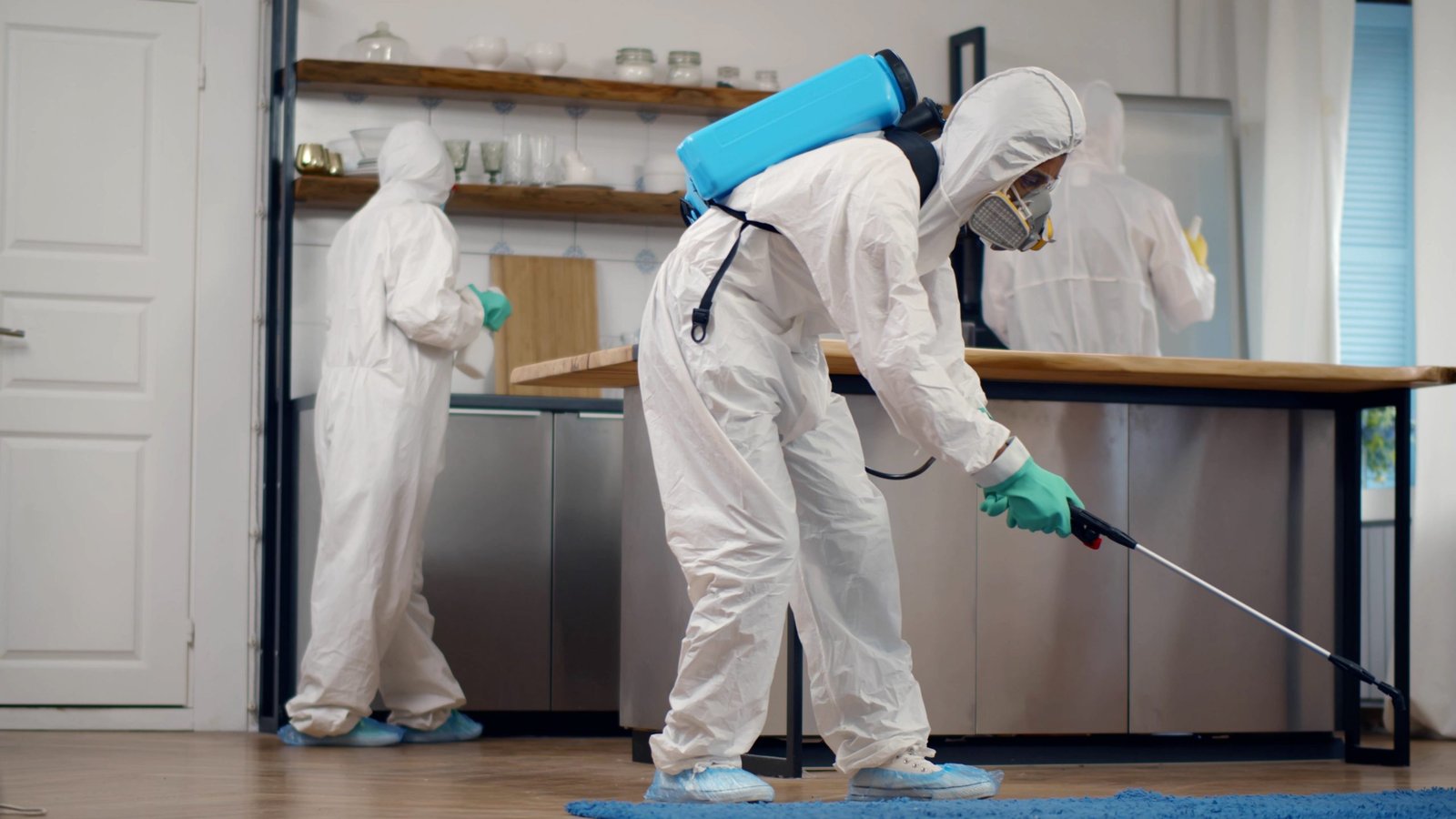
Pests can create significant problems for homes, offices, commercial buildings, warehouses, and other properties. Insects and rodents can enter through small openings, hide in difficult-to-reach spaces, contaminate food, damage materials, and make occupants uncomfortable. What begins as a few ants in a kitchen or occasional signs of rodents in a storage area can develop into a much larger infestation when the conditions supporting the pests are not addressed. Effective Pest Control involves more than treating visible insects or removing an occasional rodent. A complete strategy combines accurate identification, inspection, sanitation, exclusion, moisture management, monitoring, and carefully selected treatments. By understanding how pests enter buildings and what attracts them, property owners can take practical steps to reduce infestations and maintain cleaner, safer, and more comfortable environments.
Understanding Why Pests Enter Buildings
Pests generally enter buildings because they find something they need for survival. Food, water, warmth, shelter, and suitable nesting areas can all make a property attractive. Even well-maintained buildings can experience pest activity because insects and rodents naturally search for resources and protected spaces.
Cracks around foundations, gaps beneath doors, damaged screens, openings around pipes, roof penetrations, vents, and utility connections can provide access. Once inside, pests may find food crumbs, leaking plumbing, stored products, garbage, pet food, or other resources that allow them to remain.
Environmental changes can also affect pest activity. Heavy rain, temperature changes, construction, landscaping work, and changes in vegetation can alter the conditions around a building. Seasonal patterns may cause certain pests to become more active during particular periods of the year.
Understanding these factors is important because simply eliminating the pests that are currently visible may not prevent new ones from entering.
Common Types of Household Pests
Different pests behave differently and therefore require different management methods. Ants are often attracted to food and moisture and can establish trails between a food source and their nesting area. Cockroaches generally prefer warm, dark, and moist environments and may hide behind appliances, inside cabinets, or within wall spaces.
Rodents can enter through relatively small openings and may establish nests in attics, crawl spaces, garages, wall voids, or storage areas. Termites can damage wood while remaining hidden for long periods. Flies may be associated with garbage, drains, spoiled food, and organic material.
Bed bugs have different habits and can hide in mattresses, furniture, cracks, and other concealed locations. Stinging insects may establish nests around roofs, sheds, trees, walls, and other sheltered areas.
Correct identification is essential because a treatment suitable for one pest may be ineffective against another.
Why Early Detection Is Important
Early detection can make pest problems easier to manage. Property owners should pay attention to signs such as droppings, damaged food packaging, insect wings, nests, unusual odors, gnaw marks, live insects, and repeated activity in the same area.
Not seeing pests does not necessarily mean that an infestation is absent. Many species are active primarily at night or spend most of their time inside concealed spaces.
Regular inspection can help reveal problems before they become widespread. Kitchens, bathrooms, basements, attics, garages, storage areas, crawl spaces, and exterior walls can all provide useful clues.
When unusual evidence is discovered, it is better to investigate the cause rather than assuming the problem will resolve itself.
The Importance of Professional Inspection
A professional inspection can provide information that is difficult to obtain through casual observation. Trained technicians can look for evidence of pests in hidden areas and assess conditions that may be encouraging activity.
An inspection may include the property’s interior and exterior, depending on the pest involved. Technicians may examine foundations, doors, windows, rooflines, utility penetrations, plumbing areas, storage spaces, and other potential entry points.
The inspection should also consider environmental factors such as moisture, food availability, clutter, vegetation, and waste management.
Accurate diagnosis is particularly important when pests are recurring. If insects or rodents continue to appear after treatment, there may be an unresolved source or entry point that needs to be addressed.
Maintaining Clean and Sanitary Areas
Good sanitation is one of the most practical ways to reduce pest attraction. Food particles, grease, spills, garbage, and organic debris can provide resources for insects and rodents.
Food should be stored in appropriate sealed containers, while spills should be cleaned promptly. Kitchen surfaces, floors, appliances, cabinets, and other areas should be maintained according to normal cleaning routines.
Garbage should be kept in suitable containers with secure lids. Waste should not be allowed to accumulate unnecessarily, particularly when it contains food.
Pet food can also attract pests when it remains accessible for long periods. Managing feeding areas and cleaning food residue can help reduce unnecessary attraction.
Sanitation does not eliminate every pest problem, but it can make the environment less favorable for many common species.
Controlling Moisture
Water is another important factor in pest activity. Leaking pipes, dripping faucets, damaged roofs, clogged gutters, condensation, and standing water can create favorable conditions.
Property owners should periodically inspect areas under sinks, around appliances, near plumbing fixtures, and around exterior drainage systems. Any leaks should be repaired promptly.
Outdoor areas should also be examined for containers, planters, gutters, or low spots that hold water. These conditions can contribute to insect activity, including mosquitoes.
Reducing excess moisture can improve building conditions while making the property less attractive to pests that depend on damp environments.
Sealing Entry Points
Exclusion is an important part of long-term pest prevention. A building may have numerous small openings that allow insects and rodents to enter.
Doors should close properly, damaged screens should be repaired, and gaps around windows and utility penetrations should be evaluated. Cracks around foundations and openings in exterior walls may also require attention.
The correct sealing material depends on the location and type of opening. Some areas may require caulk, mesh, weatherstripping, or other appropriate materials.
However, openings should not be sealed blindly when an active infestation may already be inside a wall or enclosed area. A professional inspection can help determine whether an opening is an entry route or an active exit point.
Managing Outdoor Areas
The condition of the area surrounding a building can influence pest activity indoors. Overgrown vegetation, piles of leaves, stored materials, firewood, standing water, and accumulated debris can provide shelter or food.
Plants and shrubs should be maintained so that the building’s exterior remains accessible for inspection. Trees and vegetation that touch roofs or walls may provide pathways for some pests.
Firewood should be stored appropriately and inspected for insects before being brought indoors. Yard debris should also be removed or managed regularly.Maintaining outdoor spaces can therefore support the building’s overall pest prevention strategy.
Managing Rodent Infestations
Rodents can cause several types of problems, including contamination, property damage, and unpleasant odors. Signs may include droppings, gnaw marks, nesting materials, damaged packaging, and scratching sounds.
A successful rodent management program should identify how the animals are entering the building. Potential access points can occur around doors, foundations, vents, utility lines, roofs, and loading areas.
Food and water sources should also be evaluated. Accessible garbage, stored food, and pet food can provide resources that encourage rodents to remain.
Trapping may be used as part of a management program, but exclusion is essential for long-term prevention. Closing suitable entry points can help reduce the chance of new rodents entering after existing activity has been addressed.
Managing Cockroaches
Cockroaches can be particularly difficult to manage because they can hide in cracks, cabinets, wall voids, appliances, drains, and other concealed spaces.
Reducing food and moisture can help make a property less attractive to cockroaches. Cleaning food residue, repairing leaks, reducing clutter, and sealing suitable cracks can support professional treatment.
Monitoring devices can help determine where activity is concentrated. Targeted treatment may then be applied to appropriate areas.
If cockroach activity continues despite repeated treatment, the underlying cause should be investigated. The infestation may be connected to neighboring spaces, plumbing penetrations, structural gaps, or other access routes.
Ant Management
Ants often create visible trails as workers travel between food sources and their nesting areas. Simply eliminating the ants that are visible may not address the colony.
A more effective strategy begins by identifying where ants are coming from and what is attracting them. Food residue, moisture, vegetation touching the building, and cracks can all contribute.
Depending on the species, professional treatments may include targeted applications or baiting strategies. Baits can take advantage of ant colony behavior, allowing workers to carry material back toward the colony.The specific approach should depend on the type of ant and the conditions around the property.
Managing Flies
Flies can become a persistent problem when breeding sources are present. Garbage, spoiled food, drains, organic waste, and moisture can all contribute to fly activity.
Simply killing adult flies does not necessarily solve the problem if breeding material remains available. Identifying and eliminating the source is therefore important.Drain maintenance, proper garbage handling, food storage, screen repair, and regular cleaning can help reduce fly populations.
Commercial facilities may require additional monitoring because food preparation and waste can create ongoing opportunities for fly activity.
Termite Prevention
Termites can remain hidden while feeding on wood and other cellulose-based materials. Property owners should watch for mud tubes, discarded wings, damaged wood, and other signs of possible activity.
Moisture management, drainage maintenance, reducing unnecessary wood-to-soil contact, and keeping foundations accessible can support termite prevention.
If termite activity is suspected, a professional inspection is recommended. The appropriate treatment depends on the termite species, colony location, building construction, and extent of activity.Repairing damaged wood is separate from eliminating or controlling an active colony, so both concerns should be evaluated when evidence of termites is discovered.
Managing Stinging Insects
Wasps, hornets, and bees may establish nests around roofs, eaves, trees, sheds, wall cavities, and other sheltered locations. Some species can become defensive when their nests are disturbed.
Property owners should avoid physically disturbing an active nest. Instead, the location should be observed from a safe distance and evaluated by a qualified professional when necessary.
Once the nest has been appropriately managed, potential entry points can be addressed where suitable. Outdoor food, garbage, and standing water may also be reviewed as part of prevention.Special care is appropriate when nests are located near entrances, children’s play areas, patios, or other high-traffic locations.
Integrated Pest Management
Integrated Pest Management, or IPM, combines several techniques to manage pests more effectively. These can include inspection, monitoring, sanitation, exclusion, habitat modification, mechanical controls, and targeted treatments.
The benefit of an integrated approach is that it focuses on the underlying conditions that support pest activity rather than relying entirely on chemical applications.
For example, if rodents are entering through a damaged door seal, replacing the seal can be just as important as addressing the animals already inside. If flies are associated with a drain problem, cleaning and maintaining the drain may be necessary alongside other treatments.
IPM can be adapted to both residential and commercial properties according to their individual risks and requirements.
Protecting Children and Pets
When pest management products are used, property owners should follow all instructions provided by the manufacturer and service professional. Children and pets may have increased opportunities to contact treated surfaces, so appropriate precautions are important.
Food, toys, pet bowls, and other sensitive items may need to be removed or protected during certain applications.
Products should never be applied in ways that contradict their labels. If a professional treatment is being performed, the technician should explain preparation requirements and any restrictions that apply before and after service.
Commercial Pest Prevention
Businesses can face additional pest challenges because of larger facilities, food handling, inventory storage, customer traffic, and complex building systems. Restaurants, warehouses, offices, hotels, retail facilities, and manufacturing sites may all require different management strategies.
Commercial programs may include routine inspections, monitoring devices, sanitation recommendations, exclusion work, documentation, and targeted treatments.
Employees can also contribute by reporting pest sightings quickly and following established cleaning and waste-management procedures.
A consistent commercial program can make it easier to identify recurring problem areas and address them before they become significant.
Seasonal Pest Activity
Pest activity can change throughout the year. Warmer weather may increase insect activity, while colder periods can encourage rodents and other pests to seek shelter indoors.
Seasonal inspections can help property owners prepare for these changes. Before periods of increased insect activity, exterior cracks, screens, drainage systems, and standing water should be checked.
During cooler periods, attention can shift toward sealing openings and identifying sheltered spaces around attics, garages, foundations, and other areas.Understanding seasonal patterns can help property owners take preventive measures before pest activity reaches a higher level.
Choosing a Professional Pest Service
When professional assistance is needed, property owners should consider a provider’s qualifications, licensing where applicable, insurance, experience, inspection process, and treatment methods.
A reliable provider should be able to explain what pest has been identified, where activity was found, what conditions are contributing to the issue, and what treatment options may be appropriate.
Property owners should also understand the scope of service. Questions about inspection frequency, follow-up visits, monitoring, warranties, preparation requirements, and additional charges should be addressed before work begins.
A clear service plan can make expectations easier to manage and provide a better basis for evaluating results.
Common Pest Management Mistakes
One common mistake is waiting until an infestation becomes severe before taking action. Early signs are often easier to investigate and manage than widespread activity.
Another mistake is focusing only on visible pests. If food, water, shelter, or entry points remain available, new pests may continue to appear.
Using excessive amounts of pest-control products is also not a substitute for proper identification and treatment planning. Products why the infestation keeps returning. Recurring activity may indicate hidden nests, structural openings, moisture problems, or conditions outside the immediately should always be used according to their labels.
Property owners should also avoid repeatedly treating the same area without determining why the infestation keeps returning. Recurring activity may indicate hidden nests, structural openings, moisture problems, or conditions outside the immediately treated area.
Building a Long-Term Prevention Plan
Long-term pest control is most effective when prevention becomes part of regular property maintenance. Property owners should routinely inspect exterior walls, foundations, roofs, doors, windows, plumbing areas, storage spaces, and other locations where pests may enter or hide.
Sanitation should be consistent, food should be stored appropriately, waste should be managed properly, and leaks should be repaired quickly.
Outdoor spaces should be maintained so that vegetation, debris, and stored materials do not create unnecessary pest habitats. Potential entry points should be sealed when appropriate.
For properties with previous infestations, periodic professional inspections can provide additional protection by identifying signs of renewed activity early.
Final Thoughts
Pest control is not simply about removing insects or rodents after they become visible. Effective pest management involves understanding why pests are present and addressing the environmental, structural, and sanitation conditions that support them.
Regular inspections can help identify early warning signs, while proper food storage, waste management, moisture control, landscaping, and building maintenance can reduce opportunities for pests to establish themselves. When an infestation does occur, accurate identification is essential because different species require different approaches.
Professional assistance can be especially valuable for recurring infestations, concealed colonies, structural pests, stinging insects, or situations where previous treatments have not produced lasting results. A qualified technician can inspect the property, identify contributing conditions, recommend appropriate treatment, and explain preventative measures.
A long-term approach also means monitoring the property after treatment rather than assuming that one application will permanently solve every future problem. Conditions can change, and new pests can enter through previously unnoticed openings.
By combining professional expertise with consistent property maintenance, owners can reduce pest-related risks and create cleaner, more comfortable environments. Whether the concern involves insects, rodents, or other unwanted organisms, a thoughtful strategy based on prevention, inspection, monitoring, and targeted treatment provides a practical foundation for protecting the property over time.

Felicity Blunt: Everything to Know About Stanley Tucci’s Wife

Where Is Tim Belusko Now? His Life After Danielle Fishel

Tony Hinchcliffe Net Worth: How Stand-Up Comedy Made Him Rich

Katie Drysen: What We Know About Jason Earles’ Private Wife

Nate Bargatze Net Worth: Inside His $40 Million Comedy Fortune

NeNe Leakes Net Worth: Her Million-Dollar RHOA Salary and Wealth

DDG Net Worth: How Rich Is the Rapper and YouTube Star?

IShowSpeed Net Worth: YouTube Earnings, Brand Deals, and Luxury Cars

Mia Randall: Everything You Need to Know About Patrick Mahomes’ Younger Sister

Top AI Trends 2026: 10 Biggest AI Technologies, Risks, and Future Predictions

Catherine Mooty: What Happened to Troy Aikman’s Ex-Wife?

Charfen.co.uk: What Is It and What Does It Offer?

Who Is Tamara Hurwitz? Meet Bill Pullman’s Wife

Voozon.com: Everything You Need to Know Before Using It

Diandra Luker: The Real Story of Michael Douglas’ Ex-Wife

Jack Scott Ramsay: What Happened to Gordon Ramsay’s Son?

SoSoActive: Everything You Need to Know About the Digital Platform

Noelle Watters: Where Is Jesse Watters’ First Wife Now?

The Story of Jeannine Belleguic: What Public Records Really Reveal

Kerri Browitt Caviezel: Everything to Know About Jim Caviezel’s Wife
Felicity Blunt: Everything to Know About Stanley Tucci’s Wife
Where Is Tim Belusko Now? His Life After Danielle Fishel
Tony Hinchcliffe Net Worth: How Stand-Up Comedy Made Him Rich
Katie Drysen: What We Know About Jason Earles’ Private Wife
Nate Bargatze Net Worth: Inside His $40 Million Comedy Fortune
NeNe Leakes Net Worth: Her Million-Dollar RHOA Salary and Wealth
DDG Net Worth: How Rich Is the Rapper and YouTube Star?
IShowSpeed Net Worth: YouTube Earnings, Brand Deals, and Luxury Cars
Mia Randall: Everything You Need to Know About Patrick Mahomes’ Younger Sister
Top AI Trends 2026: 10 Biggest AI Technologies, Risks, and Future Predictions
-

 News2 months ago
Who Is Gigi Yallouz? Meet Owain Yeoman’s Wife and Jewelry Designer
-

 News2 months ago
Rajesh Nihalani: What We Know About Archie Panjabi’s Husband
-

 News2 months ago
Stephan Farmiga: Everything to Know About Vera Farmiga’s Brother
-

 News1 month ago
Who Is Tove Torvalds? All About Linus Torvalds’ Wife