
Home Improvement
Maintaining Reliable Heat Through Professional System Care

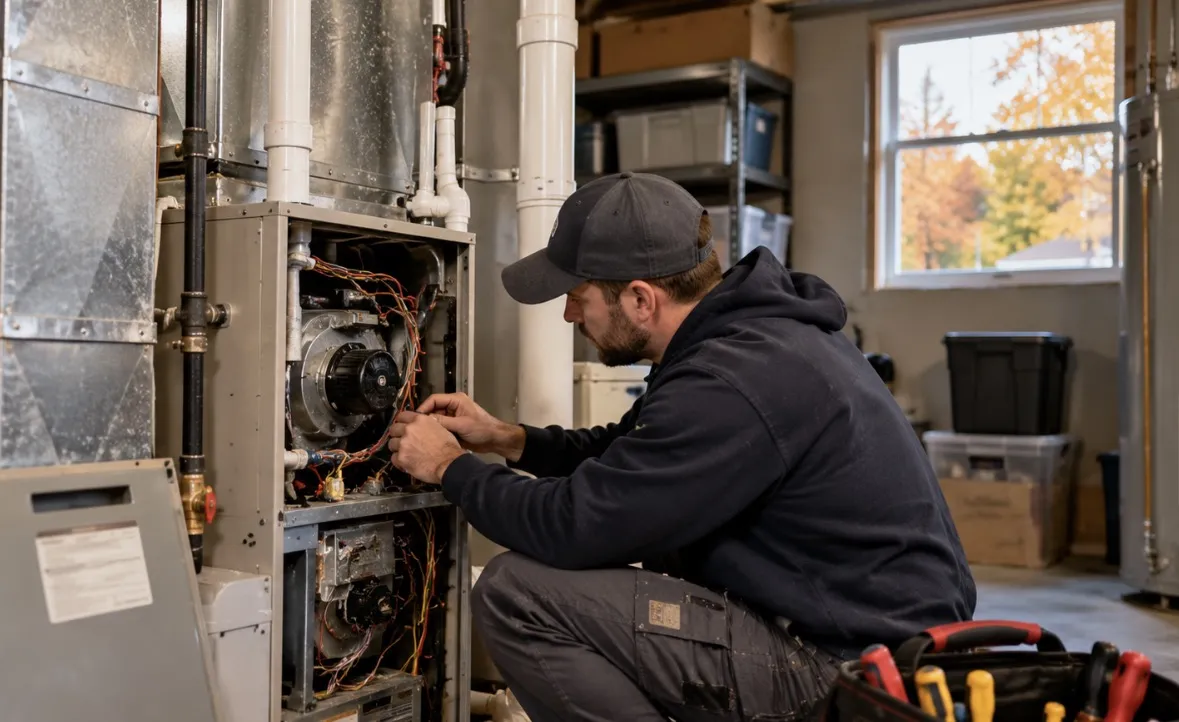
A dependable heating system is an important part of maintaining a comfortable indoor environment during colder periods, but reliable operation depends on more than simply turning the thermostat upward when temperatures fall. Heating equipment contains numerous electrical, mechanical, airflow, control, and safety components that must work together correctly. Over time, normal operation can lead to component wear, restricted airflow, dirty filters, electrical deterioration, control problems, drainage concerns, or other conditions that gradually affect performance. Some issues become obvious through unusual sounds, repeated cycling, weak airflow, delayed startup, or inconsistent temperatures, while other problems may remain unnoticed until the system experiences a significant interruption. Professional evaluation can help identify the underlying cause instead of treating only the visible symptom. Proper service can also help property owners understand whether a problem can be addressed through a specific repair, whether additional maintenance is needed, or whether the condition of older equipment should be considered as part of longer-term planning. By treating heating equipment as an interconnected system rather than focusing only on the immediate symptom, homeowners can develop a more practical approach to maintaining comfort and managing HVAC needs throughout the life of the equipment.
Understanding How Heating Systems Operate
Heating systems rely on multiple components to generate or transfer heat, distribute conditioned air, and maintain the temperature selected through the thermostat. Furnaces, heat pumps, boilers, and other heating technologies operate differently, but each requires appropriate controls, airflow or circulation, electrical operation, and safety measures. A problem affecting one component can sometimes influence other parts of the system, which is why accurate diagnosis is important. For example, weak airflow may be related to a filter, blower, ductwork restriction, or another condition rather than the heating source itself. Similarly, repeated cycling may involve thermostat settings, airflow, controls, equipment capacity, or a developing mechanical problem. Understanding these relationships allows technicians to investigate the complete system instead of immediately replacing the first component associated with a symptom. Professional assessment is particularly useful when a heating problem is intermittent or when the equipment continues operating but does not provide the same level of comfort it previously delivered.
Recognizing Early Signs of Heating Problems
Homeowners often notice small changes in heating performance before a system develops a complete failure. Paying attention to these changes can provide useful information for professional diagnosis. Unusual sounds may indicate that a mechanical component is operating differently, while weak airflow can point toward filtration, blower, ductwork, or other airflow concerns. Repeated cycling may suggest a control or operating issue, and inconsistent temperatures between rooms can sometimes indicate an air-distribution problem. Delayed startup or repeated attempts to begin a heating cycle may also justify professional inspection. These symptoms do not automatically identify a specific component failure, so homeowners should avoid assuming that one visible symptom has only one possible cause. Instead, documenting when the problem occurs and how the system behaves can help a technician investigate the issue more efficiently. Prompt attention may also give property owners more flexibility to arrange service before the equipment experiences a complete interruption during a period of high heating demand.
The Importance of Accurate Diagnosis
Accurate diagnosis is one of the most important parts of addressing a heating problem because replacing components without understanding the underlying cause can lead to unnecessary expenses or recurring issues. A technician may need to inspect several parts of the system to determine why the equipment is not operating correctly. This can include evaluating airflow, electrical connections, controls, thermostats, motors, safety components, filters, ductwork, and other equipment-specific areas. The diagnostic process may also involve reviewing the equipment’s age, previous repairs, maintenance history, and recent changes in performance. A system that has experienced the same problem repeatedly may require a different approach from equipment experiencing an isolated failure. Professional evaluation helps distinguish between symptoms and causes, allowing property owners to understand what service is actually required. This information can also help homeowners compare the immediate repair need with the broader condition of the system when deciding how to manage older equipment.
Evaluating Airflow Before Major Repairs
Airflow should be considered whenever a heating system is not delivering consistent comfort. A furnace or heat pump may be producing heat correctly, but restricted airflow can prevent that conditioned air from reaching rooms effectively. Dirty filters, blocked registers, damaged ductwork, blower problems, inadequate return airflow, and other restrictions can contribute to poor circulation. Homeowners may respond by raising the thermostat, but this does not necessarily address the underlying issue. In some situations, increasing the temperature setting may simply cause the equipment to operate longer without resolving the airflow problem. A professional inspection can evaluate the relationship between the heating equipment and the air-distribution system. If the filter is heavily loaded, replacement may be appropriate, while persistent airflow problems may require further evaluation of ductwork or mechanical components. Addressing airflow concerns correctly can help the system operate more effectively and may improve comfort throughout different areas of the property.
Examining Filters and Air Distribution
Filters play an important role in many heating systems because they capture airborne particles before air moves through the equipment. As filters become loaded, resistance to airflow can increase, potentially affecting system performance. The speed at which a filter becomes dirty varies according to occupancy, pets, property conditions, construction activity, outdoor air, and other factors. Homeowners should monitor filter conditions and follow the recommendations appropriate for their particular system. However, replacing a filter does not solve every heating problem. If weak airflow continues after an appropriate filter change, the issue may involve ductwork, blower operation, return pathways, or another part of the system.Air distribution also deserves attention because heating equipment must move conditioned air effectively through the property. Leaking, disconnected, damaged, or restricted ductwork can create temperature differences between rooms. During professional service, accessible ductwork and registers can be evaluated when comfort problems suggest that air distribution may be contributing to the issue. This broader approach can prevent homeowners from assuming that the central heating unit is responsible for every temperature problem.
Addressing Electrical and Mechanical Components
Heating systems depend on electrical and mechanical components that can experience normal wear as the equipment operates. Motors, wiring, capacitors, relays, switches, control boards, blowers, and other components may influence startup, continuous operation, and system shutdown. Mechanical components can also develop wear depending on equipment age and operating conditions. When a component begins to deteriorate, the system may continue working intermittently before eventually experiencing a more obvious failure. Homeowners may notice unusual sounds, delayed operation, repeated shutdowns, or Professional service allows appropriate electrical and mechanical components to be evaluated using suitable diagnostic procedures. Because HVAC equipment can contain energized electrical parts and specialized mechanical components, technical diagnosis and repair should be handled by qualified professionals. Replacing a part without determining why it failed can result in recurring problems, particularly when another system condition is contributing to the failure. A complete evaluation can provide more useful information and help property owners address the actual cause rather than repeatedly treating symptoms.
Checking Thermostats and Controls
Thermostats and control systems have a direct influence on when heating equipment starts, operates, and stops. A thermostat that is incorrectly configured, poorly positioned, inaccurate, or incompatible with the equipment can create comfort problems that may initially appear to be related to the heating unit itself. Frequent cycling, temperature fluctuations, delayed operation, or equipment that runs longer than expected can sometimes involve the control system. Professional service can include reviewing thermostat operation and confirming that the equipment responds appropriately to its commands.Modern thermostats may provide scheduling, remote access, temperature monitoring, and other features, but these functions must be configured correctly to work as intended. A new thermostat should also be compatible with the existing HVAC system. If homeowners recently changed controls and then noticed unusual heating behavior, that information can be valuable during diagnosis. Evaluating the thermostat alongside the heating equipment helps technicians determine whether the problem is mechanical, electrical, control-related, or caused by another condition.
Professional heating system repair
When heating equipment develops a significant performance problem, professional heating system repair can provide a structured approach to identifying and correcting the underlying issue. The exact service required depends on the equipment type, age, condition, maintenance history, and symptoms being experienced. A technician may inspect relevant electrical components, airflow, controls, motors, filters, safety devices, ductwork, and other system-specific parts before determining what corrective work is appropriate. Professional service is particularly important when the system produces unusual sounds, repeatedly shuts down, fails to maintain temperature, or shows other changes that cannot be explained through basic maintenance. Rather than replacing components based only on assumptions, professional diagnosis can provide homeowners with information about what has failed and why the system is behaving differently. This can make the repair process more deliberate and can help property owners understand whether additional maintenance or follow-up service may be necessary.
Maintaining Safety During Heating Repairs
Heating equipment should always be evaluated with safety in mind because different systems can involve electricity, combustion, hot surfaces, moving mechanical components, or other hazards depending on their design. Safety controls are intended to help protect the equipment and occupants, and these components should not be bypassed simply to keep the system operating. If a heating system repeatedly activates a safety control or shuts down unexpectedly, the underlying reason should be investigated rather than forcing the equipment to continue operating.Professional technicians can evaluate safety-related components as part of the diagnostic process and determine whether a malfunction is contributing to the problem. Homeowners should also avoid attempting complex repairs without appropriate technical knowledge because an incorrect adjustment can create additional equipment or safety concerns. If the system develops a serious operating issue, turning it off and arranging professional evaluation may be appropriate, particularly when there are unusual odors, visible damage, repeated electrical interruptions, or other concerning symptoms. Proper attention to safety protects both the equipment and the people using the property.
Considering the Age and Condition of Equipment
The age of a heating system can provide useful context, but age alone does not determine whether repair or replacement is appropriate. A relatively older system may continue operating effectively with proper maintenance, while another system of a similar age may have significant deterioration or repeated repair requirements. Property owners should consider the equipment’s overall condition, service history, frequency of breakdowns, repair costs, performance, and future maintenance needs. A professional evaluation can provide information that helps homeowners understand whether a current problem appears isolated or reflects broader deterioration.When several major components begin requiring attention within a short period, the total repair history may become important for future planning. Conversely, an isolated component failure on an otherwise well-maintained system may not indicate that replacement is immediately necessary. Understanding the distinction between an individual repair and a broader pattern can help property owners make decisions based on actual equipment information rather than relying on age as the only consideration.
Maintaining Heating Equipment Between Repairs
Professional service is important, but homeowners can also support heating system performance through regular care. Monitoring filters, keeping supply and return openings unobstructed, observing changes in operating behavior, and maintaining clear areas around accessible equipment can all contribute to better system management. Homeowners should also avoid ignoring recurring symptoms simply because the system continues to provide some heat. A system that operates intermittently or requires repeated resets may still have an unresolved issue.Keeping the equipment area reasonably clean and accessible can also make professional service easier. Property owners should follow manufacturer recommendations for homeowner-level maintenance and avoid interfering with technical components. If unusual sounds, odors, weak airflow, or temperature changes appear, documenting the circumstances can help technicians diagnose the problem. Consistent observation provides useful information between scheduled professional visits and can help identify changes before they become more disruptive.
The Value of Preventive Maintenance
Preventive maintenance can reduce the likelihood of avoidable problems by giving technicians an opportunity to inspect the heating system before peak seasonal demand. During maintenance, appropriate components can be evaluated for condition, airflow can be reviewed, filters can be checked, controls can be assessed, and other system-specific areas can be inspected. Maintenance does not guarantee that every component will continue operating indefinitely, but it can help identify conditions that deserve attention.Preventive service can also provide homeowners with greater awareness of their equipment’s condition. If a technician identifies a component that is beginning to show signs of wear, the homeowner may have an opportunity to plan appropriate service rather than waiting for an emergency. This can be particularly useful for older systems or equipment with a history of recurring issues. A consistent maintenance relationship can also help technicians become familiar with the property’s equipment, making future diagnosis more efficient.
Keeping Detailed Service Records
Heating system records can become increasingly valuable as equipment ages. Homeowners can document installation dates, equipment models, previous repairs, maintenance visits, component replacements, filter changes, warranty information, and technician recommendations. These records provide useful background when a new problem develops because technicians can review what has already been repaired and determine whether the current symptom may be related to an earlier issue.Service records can also help property owners recognize long-term patterns. If the same component has required repeated attention or repairs have become increasingly frequent, this information may influence future planning. On the other hand, a system with limited repair history and consistent maintenance may provide a different picture. Keeping records does not eliminate the need for professional diagnosis, but it gives technicians and homeowners more information to work with when evaluating the system.
Planning for Future Heating Needs
Heating problems sometimes occur unexpectedly, but homeowners can reduce the pressure associated with major decisions by planning ahead. If equipment is approaching the later portion of its service life or has experienced repeated significant repairs, property owners can begin researching future options before a complete failure occurs. This may include learning about different equipment types, installation requirements, maintenance expectations, electrical considerations, ductwork conditions, and other factors that could affect a future project.Planning does not mean replacing equipment prematurely. Instead, it allows homeowners to understand their options and prepare financially and practically if replacement eventually becomes necessary. Professional inspections can provide information about current equipment conditions and help identify areas that may require attention during a future installation. This can make replacement planning more organized and reduce the likelihood of making rushed decisions during an emergency.
Conclusion
Reliable heating performance depends on the condition of the complete HVAC system rather than one individual component. Airflow, filters, thermostats, electrical connections, mechanical parts, ductwork, safety devices, controls, and equipment condition can all influence how effectively a heating system operates. When unusual sounds, weak airflow, repeated cycling, inconsistent temperatures, delayed startup, or other changes appear, professional evaluation can help identify the underlying cause and determine the appropriate service approach. Accurate diagnosis is important because treating only a visible symptom may allow another condition to continue affecting the equipment.
Professional heating system repair can address identified problems while also helping determine whether related components require attention.Regular maintenance, timely professional service, detailed records, and attention to changing system behavior can help property owners manage heating equipment more effectively over time. When a repair is necessary, professional assessment can provide useful information about the specific problem and the overall condition of the system. For older equipment, reviewing maintenance history and repair frequency can also support longer-term planning without relying on age alone. By approaching heating care as an ongoing part of property maintenance rather than waiting for complete failure, homeowners can maintain greater awareness of their equipment, respond to developing concerns more deliberately, and support dependable indoor comfort throughout the heating season.

Where Is Tim Belusko Now? His Life After Danielle Fishel

Tony Hinchcliffe Net Worth: How Stand-Up Comedy Made Him Rich

Katie Drysen: What We Know About Jason Earles’ Private Wife

Nate Bargatze Net Worth: Inside His $40 Million Comedy Fortune

NeNe Leakes Net Worth: Her Million-Dollar RHOA Salary and Wealth

DDG Net Worth: How Rich Is the Rapper and YouTube Star?

IShowSpeed Net Worth: YouTube Earnings, Brand Deals, and Luxury Cars

Mia Randall: Everything You Need to Know About Patrick Mahomes’ Younger Sister

Top AI Trends 2026: 10 Biggest AI Technologies, Risks, and Future Predictions

Sal Vulcano Net Worth: Salary, Income, and His Rise to Fame

Catherine Mooty: What Happened to Troy Aikman’s Ex-Wife?

Charfen.co.uk: What Is It and What Does It Offer?

Who Is Tamara Hurwitz? Meet Bill Pullman’s Wife

Voozon.com: Everything You Need to Know Before Using It

Diandra Luker: The Real Story of Michael Douglas’ Ex-Wife

Jack Scott Ramsay: What Happened to Gordon Ramsay’s Son?

SoSoActive: Everything You Need to Know About the Digital Platform

Noelle Watters: Where Is Jesse Watters’ First Wife Now?

The Story of Jeannine Belleguic: What Public Records Really Reveal

Kerri Browitt Caviezel: Everything to Know About Jim Caviezel’s Wife
Where Is Tim Belusko Now? His Life After Danielle Fishel
Tony Hinchcliffe Net Worth: How Stand-Up Comedy Made Him Rich
Katie Drysen: What We Know About Jason Earles’ Private Wife
Nate Bargatze Net Worth: Inside His $40 Million Comedy Fortune
NeNe Leakes Net Worth: Her Million-Dollar RHOA Salary and Wealth
DDG Net Worth: How Rich Is the Rapper and YouTube Star?
IShowSpeed Net Worth: YouTube Earnings, Brand Deals, and Luxury Cars
Mia Randall: Everything You Need to Know About Patrick Mahomes’ Younger Sister
Top AI Trends 2026: 10 Biggest AI Technologies, Risks, and Future Predictions
Sal Vulcano Net Worth: Salary, Income, and His Rise to Fame
-

 News2 months ago
Who Is Gigi Yallouz? Meet Owain Yeoman’s Wife and Jewelry Designer
-

 News2 months ago
Rajesh Nihalani: What We Know About Archie Panjabi’s Husband
-

 News2 months ago
Stephan Farmiga: Everything to Know About Vera Farmiga’s Brother
-

 News1 month ago
Who Is Tove Torvalds? All About Linus Torvalds’ Wife