
Lifestyle
How to Make Kofta Kebabs at Home Without Overthinking It

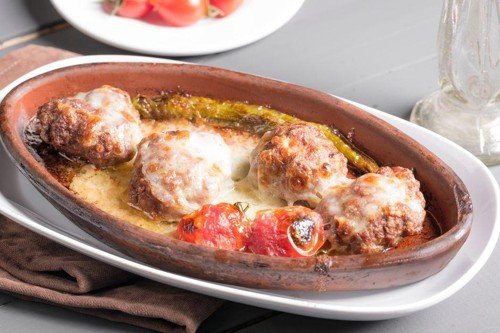
You don’t need a restaurant grill, a culinary degree, or a mysterious spice drawer to make great kofta kebabs at home. If you’ve ever ordered them at a Middle Eastern or Mediterranean spot and wondered how they get so juicy, smoky, and packed with flavor, you’re closer than you think. A good kofta kebab comes down to smart seasoning, proper texture, and a few cooking moves that keep the meat tender instead of turning it into edible regret.
What Makes Kofta Kebab Different From Regular Kebabs
Kofta kebabs stand out because they’re made with seasoned ground meat rather than chunks of meat threaded onto skewers. You usually shape the mixture around a skewer or into log-like portions, then grill, roast, or pan-cook them.
The texture matters just as much as the flavor. A solid kofta should feel tender and cohesive, not loose, crumbly, or dense like an overworked meatball. That balance comes from the right fat content, finely chopped aromatics, and enough mixing to help everything hold together.
Flavor-wise, kofta leans heavily on onion, garlic, herbs, and warm spices like cumin, coriander, paprika, and sometimes cinnamon. It’s savory, aromatic, and just bold enough to make plain grilled burgers seem a little underdressed.
Best Cooking Methods for Home Kitchens
Grilling gives kofta its classic char and smoky finish, but you can still get great results indoors. A broiler works surprisingly well because it exposes the kebabs to direct high heat, which helps with browning. A grill pan or cast-iron skillet also gets the job done.
If you’re using wooden skewers, soak them first so they don’t scorch too quickly. If skewers feel annoying, skip them. You can cook shaped kofta portions directly on a lined baking sheet or in a hot pan.
For a useful reference point, this kofta kebab recipe shows how a home cook can build flavor and structure without making the process feel fussy. Internal doneness matters too. Cook until the centers are no longer pink, but don’t keep blasting them with heat after they’re done.
Choosing the Right Meat and Fat Ratio
If you want juicy kofta, lean meat isn’t your friend. Ground lamb is traditional in many versions, though beef works well too, and plenty of home cooks use a mix of both. What matters most is having enough fat to carry flavor and keep the kebabs from drying out.
Aim for ground meat that’s around 80/20 or 85/15. Extra-lean meat often cooks up tight and dry, especially on high heat. Lamb naturally brings richness, while beef offers a milder profile that lets spices come forward more clearly.
If you’re shopping at a standard grocery store, don’t overcomplicate it. Ground beef and a good spice blend can still produce excellent results. If you can get freshly ground lamb from a butcher, even better. Either way, moisture and seasoning are doing the heavy lifting.
The Aromatics and Spices That Actually Matter
The ingredient list for kofta can get long fast, but not every addition pulls equal weight. Onion is a major player because it adds moisture and a subtle sweetness. Garlic gives depth. Fresh parsley or cilantro brightens the mix and cuts through the richness.
For spices, cumin and coriander are the backbone in many versions. Paprika adds color and gentle sweetness, while black pepper and salt keep the whole thing grounded. Some cooks add allspice, cinnamon, or chili flakes for extra complexity.
One important detail: chop or grate your onion very finely, and don’t dump in too much liquid. A soggy mixture won’t stay on skewers and can fall apart during cooking. You want moisture, not a meat slurry. That’s a phrase nobody wants to hear near dinner.
How to Mix and Shape Kofta So It Holds Together
This is the part where many home cooks get tripped up. If you barely mix the meat, the kofta may crumble. If you mash it too aggressively, it can turn dense. You’re aiming for a tacky, unified mixture that feels sticky enough to hold its shape.
Mix the meat with your onion, herbs, garlic, and spices using clean hands. Press and fold until everything looks evenly distributed. Then let it rest in the fridge for at least 20 to 30 minutes. That chill time helps the fat firm up and gives the seasoning time to settle in.
When shaping, wet your hands lightly to prevent sticking. Form the mixture into oval logs or press it around flat skewers if you have them. Uniform size helps everything cook evenly, which is useful when you’re trying to avoid one kebab being perfect and the next being hockey equipment.
What to Serve With Kofta Kebab
Kofta shines when you pair it with sides that bring contrast. Warm pita, flatbread, or rice gives you a base. A cool yogurt sauce adds creaminess and relief from the spices. Chopped cucumber, tomato, onion, and herbs bring freshness and crunch.
You can also turn kofta into an easy dinner spread with hummus, grilled vegetables, pickled onions, and a simple salad. If you want something more filling, tuck the kebabs into wraps with lettuce and tahini sauce. It’s fast, satisfying, and much cheaper than ordering takeout for four people who all want slightly different things.
A squeeze of lemon at the table wakes everything up. So does a spoonful of chili sauce if you like heat. Keep the sides flexible, but make sure at least one cool element and one acidic element are in the mix.
Common Mistakes That Ruin the Texture
The biggest mistake is adding too much moisture. Onion, herbs, and even rinsed ingredients can release water into the meat mixture. If the mix feels loose, chill it longer before shaping. Some cooks also grate onion and squeeze out a bit of excess liquid first.
Another issue is making the kebabs too thick. Large, heavy portions can split or cook unevenly. Compact but not compressed is the goal. If they’re packed too tightly, they lose tenderness.
Heat management matters too. A pan that isn’t hot enough leads to pale, steamed kebabs. Heat that’s too aggressive can burn the outside before the middle cooks through. Medium-high usually hits the sweet spot. Also, resist constant flipping. Let each side develop color before turning, or the surface may stick and tear.
How to Make Kofta Part of Your Regular Meal Rotation
Kofta works well for weeknight cooking because the prep can be done ahead. You can mix and shape the meat in advance, then keep it chilled until dinner. You can even freeze uncooked portions and cook them later with very little effort.
It also adapts well to different moods and budgets. Serve it with rice one night, in wraps the next, or over a salad for something lighter. If you’re cooking for people with different tastes, keep the kebabs classic and let everyone customize toppings and sauces.
Once you get the basic technique down, kofta becomes one of those recipes you stop needing to think about. And that’s the sweet spot for home cooking: food that tastes impressive without requiring a dramatic soundtrack, a pile of specialty gear, or a cleanup session that tests your character.

Where Is Tim Belusko Now? His Life After Danielle Fishel

Tony Hinchcliffe Net Worth: How Stand-Up Comedy Made Him Rich

Katie Drysen: What We Know About Jason Earles’ Private Wife

Nate Bargatze Net Worth: Inside His $40 Million Comedy Fortune

NeNe Leakes Net Worth: Her Million-Dollar RHOA Salary and Wealth

DDG Net Worth: How Rich Is the Rapper and YouTube Star?

IShowSpeed Net Worth: YouTube Earnings, Brand Deals, and Luxury Cars

Mia Randall: Everything You Need to Know About Patrick Mahomes’ Younger Sister

Top AI Trends 2026: 10 Biggest AI Technologies, Risks, and Future Predictions

Sal Vulcano Net Worth: Salary, Income, and His Rise to Fame

Catherine Mooty: What Happened to Troy Aikman’s Ex-Wife?

Charfen.co.uk: What Is It and What Does It Offer?

Who Is Tamara Hurwitz? Meet Bill Pullman’s Wife

Voozon.com: Everything You Need to Know Before Using It

Diandra Luker: The Real Story of Michael Douglas’ Ex-Wife

Jack Scott Ramsay: What Happened to Gordon Ramsay’s Son?

SoSoActive: Everything You Need to Know About the Digital Platform

Noelle Watters: Where Is Jesse Watters’ First Wife Now?

The Story of Jeannine Belleguic: What Public Records Really Reveal

Kerri Browitt Caviezel: Everything to Know About Jim Caviezel’s Wife
Where Is Tim Belusko Now? His Life After Danielle Fishel
Tony Hinchcliffe Net Worth: How Stand-Up Comedy Made Him Rich
Katie Drysen: What We Know About Jason Earles’ Private Wife
Nate Bargatze Net Worth: Inside His $40 Million Comedy Fortune
NeNe Leakes Net Worth: Her Million-Dollar RHOA Salary and Wealth
DDG Net Worth: How Rich Is the Rapper and YouTube Star?
IShowSpeed Net Worth: YouTube Earnings, Brand Deals, and Luxury Cars
Mia Randall: Everything You Need to Know About Patrick Mahomes’ Younger Sister
Top AI Trends 2026: 10 Biggest AI Technologies, Risks, and Future Predictions
Sal Vulcano Net Worth: Salary, Income, and His Rise to Fame
-

 News2 months ago
Who Is Gigi Yallouz? Meet Owain Yeoman’s Wife and Jewelry Designer
-

 News2 months ago
Rajesh Nihalani: What We Know About Archie Panjabi’s Husband
-

 News2 months ago
Stephan Farmiga: Everything to Know About Vera Farmiga’s Brother
-

 News1 month ago
Who Is Tove Torvalds? All About Linus Torvalds’ Wife