
Technology
Solar Security Cameras Compared: Power, Signal and Night Range

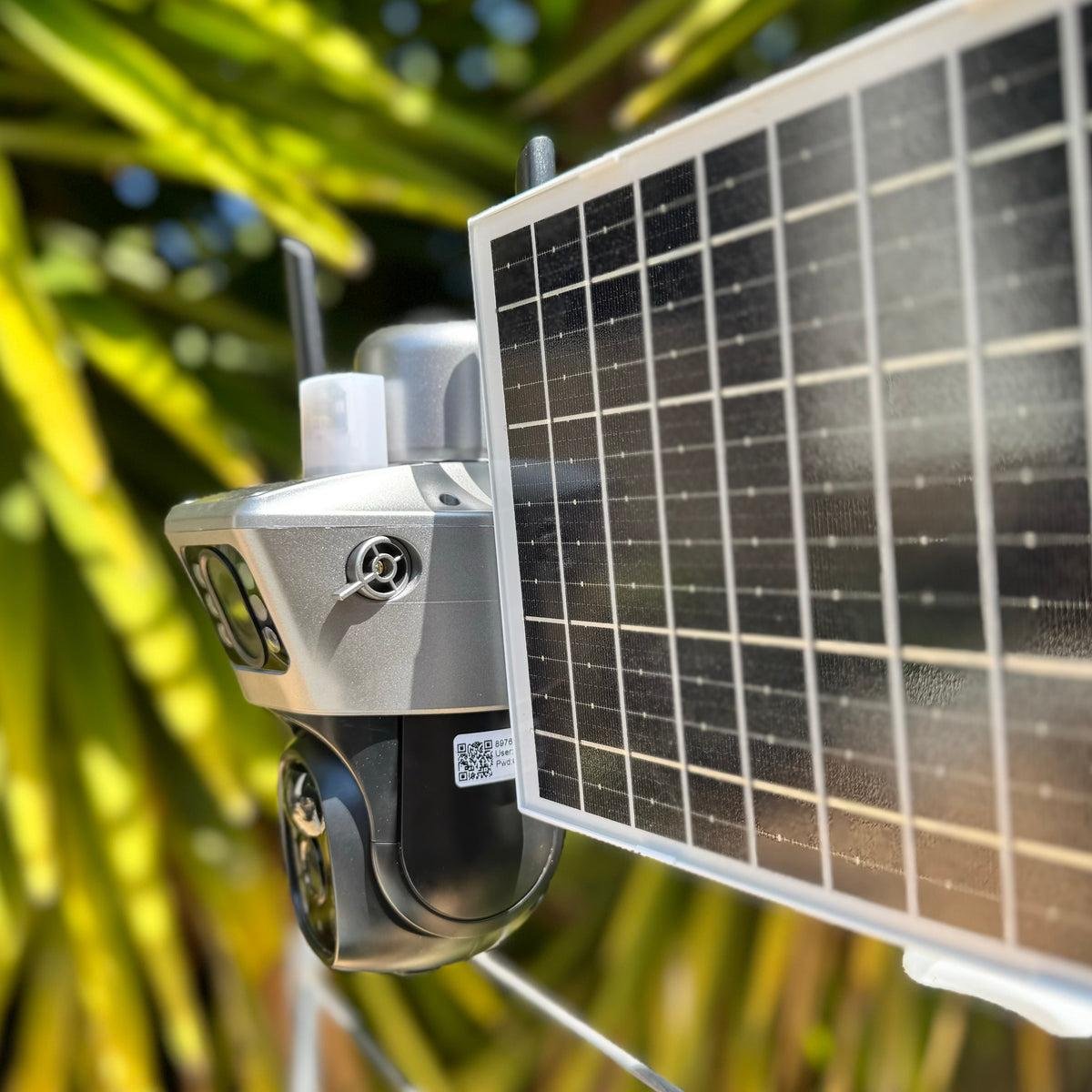
Solar security cameras solve a problem that wired systems cannot: watching a gate, shed, shopfront or paddock with no power point and no Wi-Fi signal. Pair a panel with a battery and a SIM card, and the camera runs on sunlight and reports over the mobile network, so the only real question is which model does the job best.
Four popular options are compared below on the three things that decide whether a remote camera earns its place: how it stays powered, how it connects and how far it sees after dark. Figures come from manufacturer pages and independent reviews, and accessories change, so confirm details before buying.
How Solar Security Cameras Differ
Power
Panel size and battery capacity set how long a camera survives a run of grey days, since a larger panel recovers charge faster and a bigger battery bridges the gaps. Housings take the same punishment as a roof, and this look at how roofing stands up to severe weather is a reminder that anything fixed outdoors needs to cope with rain, wind and heat. Check the ingress rating, the panel wattage and any stated battery backup before comparing prices.
Signal
Wi-Fi models need a router in range, which rules out most outbuildings. Models with 4G carry a SIM and connect to the mobile network instead, so check coverage at the mounting spot and allow for a data plan. Because the camera and its app handle video of your property, sensible online privacy habits such as unique passwords and multifactor sign-in are worth setting up on day one.
Night Range
Colour, infrared and spotlight systems light a scene differently, so the quoted distance is the number to compare. Short ranges leave the far end of a driveway or paddock in darkness, which is exactly where an intruder would walk. Lens type, resolution and zoom also shape how much usable detail survives once the light fades.
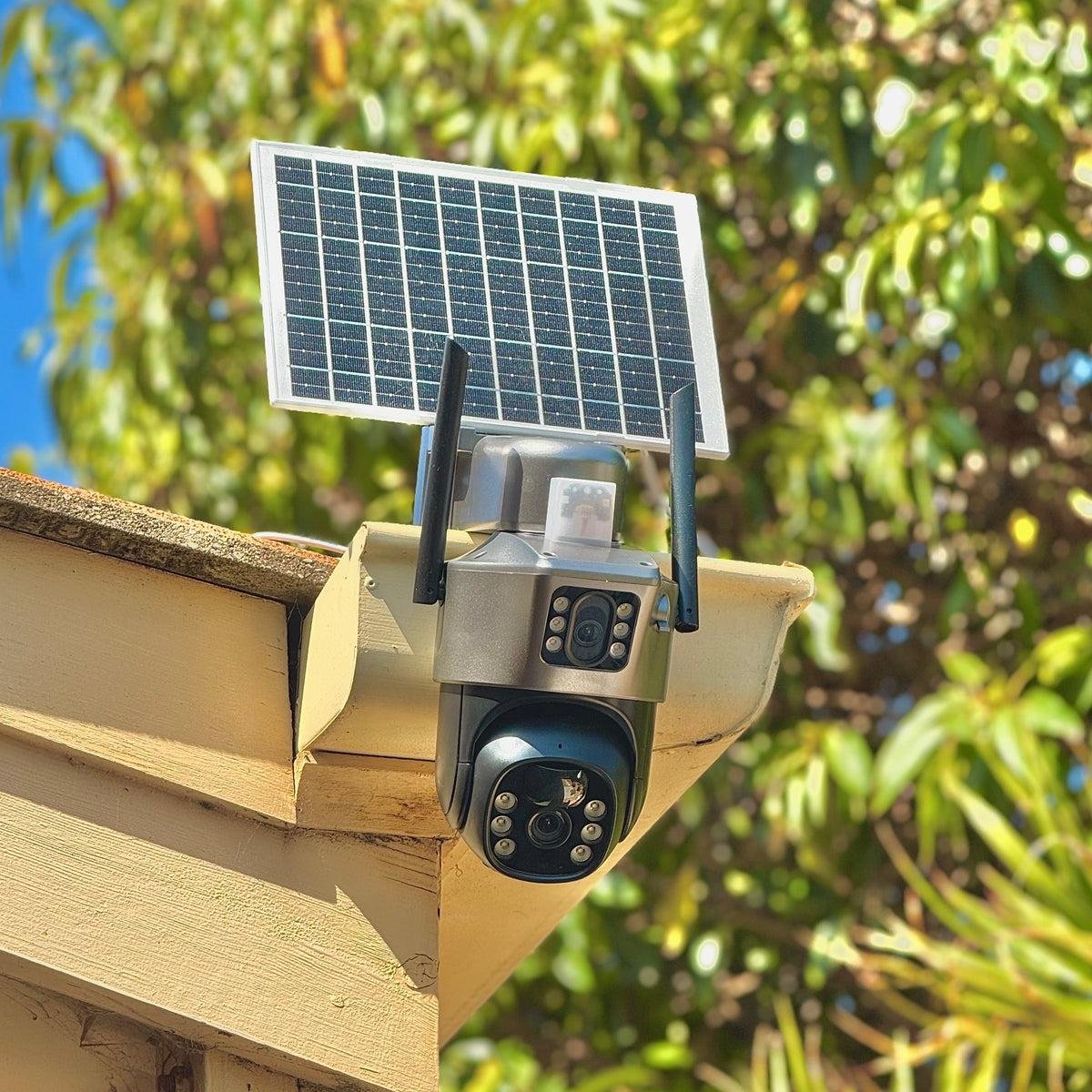
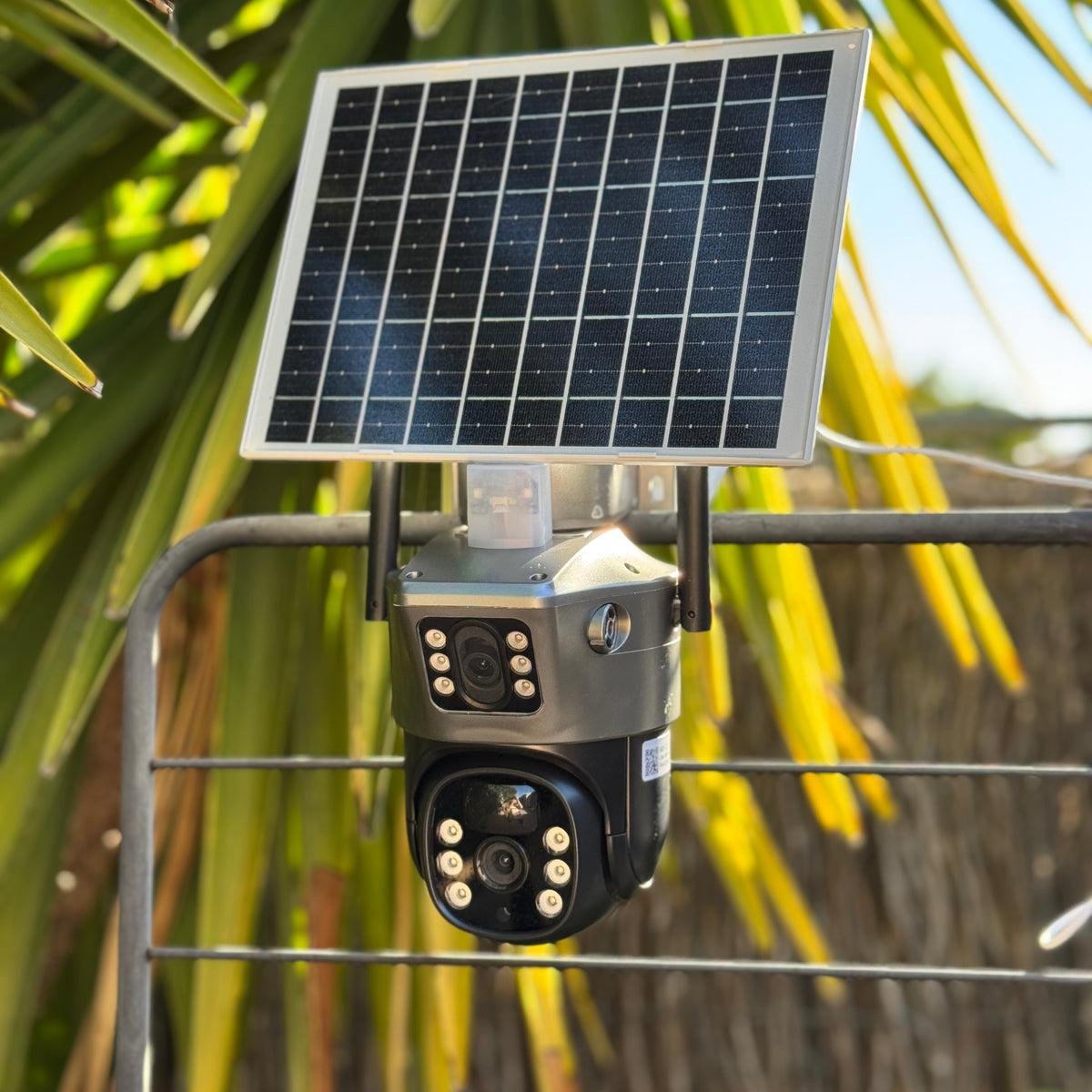
1. Sentinel Guardian Solar Camera: Best Overall
For people who want one camera to cover a whole yard, the Guardian is the strongest all-rounder here. Its 360° off-grid 4G camera design pairs dual PTZ lenses with 4K video and 16× optical zoom, so a single unit watches in every direction and zooms in on detail without a second device. Colour night vision reaches 20 metres, with up to 30 metres of total visibility.
Power comes from a 7.5W solar panel that the brand says keeps charging under overcast skies, backed by more than four days of battery without sun. It runs on Wi-Fi or a 4G/5G SIM and is Starlink compatible, and an included 64GB SD card means recordings need no subscription, with footage also saved to your phone through the free app. AI detection picks out people and tracks them automatically, triggering a flashing light, an alarm and two-way audio from the app. The housing is rated IP66, and support comes from an Adelaide-based team, with a 30-day return window and a one-year warranty.
2. Reolink Go Plus
Reolink's Go Plus is a compact 4G battery camera with 4MP (2K) video, person and vehicle detection and two-way audio, all managed through the Reolink app. It carries a 7800mAh battery and takes a microSD card of up to 128GB, with an optional cloud plan that includes a seven-day free tier.
Coverage is the main limit. The lens is fixed with a 95° horizontal view, so watching a wider area means mounting several units. Night vision uses infrared LEDs to roughly 10 metres, half the Guardian's colour night range, and the solar panel is a separate add-on rated at 3W, well under the Guardian's 7.5W.
3. Eufy 4G Starlight Camera
Eufy's 4G Starlight Camera records 2K video through a 120° lens, with a Starlight sensor for colour night images, a 600-lumen spotlight, human detection and GPS. Eufy rates the internal battery at up to three months and the housing at IP67, and it works with Alexa and Google Assistant but not Apple HomeKit.
Built-in storage is 8GB, against the Guardian's included 64GB card. The view is fixed, one review lists night range at around 8 metres, and the optional solar panel is rated at just 2.6W, so keeping it charged depends on an extra purchase.
4. Arlo Go 2
Arlo's Go 2 switches between Wi-Fi and LTE and adds GPS, a siren and a removable 13,000mAh battery, which Arlo quotes at up to four months on constant LTE. Video is 1080p with a 130° view, and night footage can come from infrared or the built-in spotlight.
Resolution tops out at 1080p, a quarter of the pixels in the Guardian's 4K image. The lens is fixed, its spotlight lights roughly 7.6 metres for colour night footage, and the solar panel is a separate accessory.
Choosing the Best Solar Security Camera
- The right pick depends on the spot being watched:
- Wide open yards and paddocks reward 360° coverage and optical zoom
- Long, dark driveways call for the longest night range
- Cloudy regions need a larger panel and a solid battery backup
- Sites beyond router range need a 4G or 5G SIM
Weighing power, signal and night range side by side, the Guardian covers the most ground, combining 360° coverage, 4K video, a 7.5W panel and 20-metre colour night vision in one unit that needs neither mains power nor a router.
Data plans for 4G cameras are a separate cost with any brand, so compare carrier coverage as carefully as the camera itself. Whichever model suits the site, test signal strength with a phone on the same carrier before drilling, and mount the panel where it gets the most direct sun, clear of shade from trees, roof lines and fences.

SEO Content Writing Tips: A Complete Guide to Better Rankings and Engagement

How to Build a Diamond Wardrobe That Survives Every Style Phase

How Daily Life Changes Shape the Value of an Injury Claim in Colorado

How to Recognize and Report Healthcare Fraud

Turn Your Creative Ideas Into Products With a Desktop Laser Engraver

Jeremy Renner Net Worth, Salary, Marvel Earnings, and Real Estate Wealth

Peter Facinelli Net Worth, His Twilight Success, Career, and Wealth

Nara Smith Net Worth, How Modeling and TikTok Made Her Rich

Jimmy O. Yang Net Worth, His Rise From Struggling Comedian to Famous Actor

Barbara Avery: Where Is James Avery’s Wife Now?

How to Make Kofta Kebabs at Home Without Overthinking It

Ethan Klein Net Worth: YouTube H3 Podcast and His Wealth

Oleksandra Zelenska: Who Is Volodymyr Zelensky’s Daughter?

Who Is Angel Iris Murphy Brown? All About Mel B’s Child

Rebecca Liddicoat: What Happened to RG3’s First Wife After Divorce?

Kai Dugan: Everything to Know About Jennifer Connelly’s Son

Beyond the Interior: Home Improvements That Transform Your Entire Property

Nicole Aniston Net Worth: Career, Income, and Wealth Explained

Lex Fridman Net Worth: Salary, Podcast and YouTube Money

Vivian Jenna Wilson Net Worth: How Elon Musk’s Daughter Makes Her Own Money
SEO Content Writing Tips: A Complete Guide to Better Rankings and Engagement
How to Build a Diamond Wardrobe That Survives Every Style Phase
How Daily Life Changes Shape the Value of an Injury Claim in Colorado
How to Recognize and Report Healthcare Fraud
Turn Your Creative Ideas Into Products With a Desktop Laser Engraver
Jeremy Renner Net Worth, Salary, Marvel Earnings, and Real Estate Wealth
Peter Facinelli Net Worth, His Twilight Success, Career, and Wealth
Nara Smith Net Worth, How Modeling and TikTok Made Her Rich
Jimmy O. Yang Net Worth, His Rise From Struggling Comedian to Famous Actor






