
Blog
Nahttypen: Everything You Need to Know About Different Seam Types

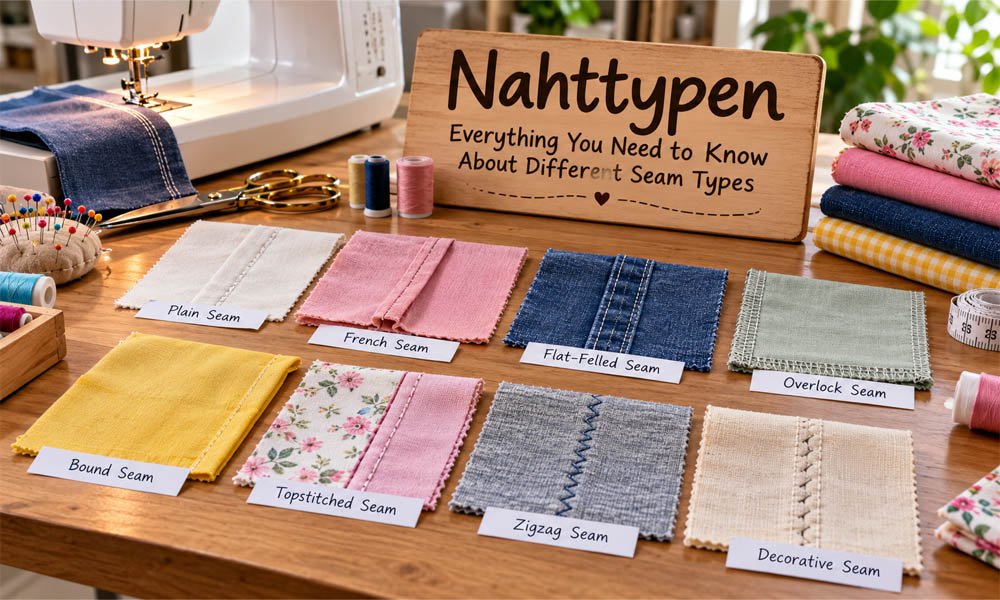
Have you ever wondered why some clothes last for years while others tear so fast? One big reason is the way they are sewn. Small stitches may look simple, but they play a big role in keeping clothes strong and neat.
This is where Nahttypen comes in. It is a German word for different seam types. Each seam has its own job. Some hold thick fabric together, while others make light clothes look smooth and beautiful.
Learning about seams can make sewing much easier. In this guide, we will explore different seam types, their uses, and simple sewing tips. You will also learn how to choose the right seam for your next project.
What Is Nahttypen?
Nahttypen is a German term that means “seam types” in English. The word “Naht” means seam, while “Typen” means types. In sewing, it describes the different ways two or more pieces of fabric are joined together.
A seam is the line where fabric pieces meet. Stitches are the small loops of thread that hold them together. A seam finish helps protect the cut edges from coming apart. These three things work together when making clothes.
Nahttypen is mainly used in sewing, but it has other meanings too. In welding, it can describe ways to join metal. In medicine, it can mean types of stitches used to close wounds. Here, we will focus on sewing.
Why Are Nahttypen Important in Sewing?
Choosing the right seam can make a big difference. Think about a pair of jeans and a soft silk dress. Jeans need strong seams that can handle pulling. A silk dress needs fine seams that do not make the fabric look thick.
Good seams also help clothes last longer. They keep fabric pieces together and help stop cut edges from fraying. This is important for bags, shirts, trousers, and clothes that are washed many times.
Comfort matters too. Thick seams may rub against the skin, while flat seams can feel much softer. Knowing different Nahttypen helps you make clothes that look good, feel nice, and stay strong during daily use.
Common Nahttypen and Their Uses
There are many seam types used in sewing. Some are very easy to make, while others need more care. The best choice depends on the fabric, the type of clothing, and how much strength the seam needs.
A plain seam is common in shirts, skirts, and home sewing projects. A French seam works well with thin fabric. A flat-felled seam is often used in jeans because it keeps the fabric edges covered.
Other Nahttypen include overlock, flatlock, bound, welt, and piped seams. Some help stretchy clothes move with the body. Others add a neat or pretty finish. Learning their uses can help you pick the right one.
Plain and French Nahttypen Explained
A plain seam is one of the easiest seams to learn. Two fabric pieces are placed with their right sides together. Then, a straight line of stitches joins them. This seam works well for cotton shirts, skirts, and pillow covers.
The main problem with a plain seam is that the cut edges stay open. Some fabrics may fray after washing. You can use zigzag stitches or an overlock finish to help keep those edges neat.
A French seam gives a cleaner finish. First, the fabric is sewn with the wrong sides together. Then, it is folded and sewn again to hide the raw edges. This seam is great for silk, chiffon, and light dresses.
Strong Nahttypen for Heavy Fabrics
Heavy fabrics need seams that can handle more pulling and wear. Denim, canvas, and work clothes are good examples. A weak seam may break when the fabric is pulled or washed many times.
A flat-felled seam is a popular choice for these fabrics. Its raw edges are folded inside and sewn flat. This creates a strong and neat join. You can often see this type of seam on jeans and work shirts.
Welt seams are another useful choice. They have extra stitching that helps hold the fabric in place. When sewing thick fabric, use a suitable needle and press the folds well. This helps stop the finished seam from becoming too bulky.
Stretch and Overlock Nahttypen
Stretchy fabrics need special care because they move with the body. Think about T-shirts, leggings, and sports clothes. A normal straight stitch may break when the fabric stretches too far.
An overlock seam is useful for many stretch fabrics. A machine called a serger can join fabric and wrap thread around its edges. It can also trim the edges while sewing, leaving a clean finish.
Flatlock seams are useful when clothes need to feel smooth against the skin. Zigzag and stretch stitches are also good choices. You do not always need a serger. A regular sewing machine can make many stretch-friendly seams with the right settings.
Decorative Nahttypen and Clean Finishes
Not all seams are made just for strength. Some also make clothes look pretty. Decorative Nahttypen can add style to jackets, bags, dresses, and cushions. They help turn simple fabric into something special.
A bound seam uses a strip of fabric to cover raw edges. A Hong Kong finish does something similar with light bias binding. Both give the inside of a garment a clean look. They work well for jackets without lining.
Piped seams have a small raised edge that adds decoration. You may see them on cushions or bags. Lapped seams join fabric by placing one edge over another. These seams can make sewing projects look neat and well-made.
How to Choose the Right Nahttypen
Choosing the right Nahttypen starts with looking at your fabric. Is it thick or thin? Does it stretch? Does it fray easily? These simple questions can help you find the seam that works best.
Cotton and linen often work well with plain seams. French seams are useful for light silk and chiffon. Denim may need flat-felled seams, while knit fabric needs stitches that can stretch without breaking.
The table below shows how common seams compare. It can help you make a better choice before starting your next sewing project.
| Seam Type | Best For | Strength | Skill Level |
|---|---|---|---|
| Plain seam | Cotton, shirts | Medium | Easy |
| French seam | Silk, chiffon | Medium | Medium |
| Flat-felled seam | Jeans, denim | High | Medium |
| Overlock seam | Knits, T-shirts | Good | Easy with serger |
| Flatlock seam | Sportswear | Varies | Medium |
| Bound seam | Jackets, coats | Medium | Medium |
| Welt seam | Heavy clothing | High | Medium |
| Piped seam | Bags, cushions | Varies | Medium |
Seam Allowance and Sewing Basics
Seam allowance is the space between the stitching line and the cut edge of fabric. It gives you room to join fabric pieces. Many patterns use 1.5 cm or 5/8 inch, but you should always check your pattern.
Keeping the seam allowance even is important. If you sew too close to the edge, the seam may become weak. If you sew too far inside, the finished clothing may become smaller than planned.
Pressing also makes a big difference. Use an iron to flatten seams after sewing. Trim extra fabric when needed. Before trying new Nahttypen, practice on small fabric scraps to check how the seam looks and feels.
Common Nahttypen Mistakes to Avoid
Even people who sew often make mistakes. One common problem is puckering. This happens when fabric gathers along the stitches. Wrong thread tension, needle size, or stitch settings can cause it. Testing on scrap fabric can help.
Another problem is broken stitches. This often happens when a straight stitch is used on very stretchy fabric. Try a zigzag or stretch stitch instead. Slippery fabrics may also move while sewing, so use pins or clips.
Raw edges can fray when they are not finished well. Thick seams may also look uneven or feel uncomfortable. Check your seam allowance and press each fold. Small changes can make your sewing much better.
Best Tools for Sewing Different Nahttypen
You do not need many costly tools to sew good seams. A basic sewing machine, sharp scissors, pins, and a seam ripper are enough to start. The right needle and thread are also very important.
A walking foot can help when thick or slippery fabric moves unevenly. An overlocker makes edge finishing faster, but it is not needed for every project. Many Nahttypen can be made with a regular sewing machine.
Do not forget your iron. Pressing helps seams lie flat and gives clothes a cleaner look. Fabric clips and a seam guide can also help. Good tools make sewing easier, but practice is still the key.
German Nahttypen Terms and Other Meanings
German sewing guides may use words that look hard at first. Learning a few common terms can make them easier to follow. For example, Kappnaht means flat-felled seam, while Französische Naht means French seam.
Here are some useful German sewing words:
| German Term | English Meaning |
|---|---|
| Einfache Naht | Plain seam |
| Französische Naht | French seam |
| Kappnaht | Flat-felled seam |
| Overlocknaht | Overlock seam |
| Zickzacknaht | Zigzag seam or stitch |
| Paspelnaht | Piped seam |
Nahttypen can also have other meanings. In welding, it may describe ways to join metal. In medicine, it can mean stitches used to close wounds. The meaning depends on the subject being discussed.
Conclusion
Learning Nahttypen can make sewing easier and more fun. Each seam has its own purpose. Some are made for strength, while others help fabric stretch or give clothes a neat and clean finish.
Start with simple seams like the plain seam. Then try French and flat-felled seams as your skills grow. Test each new seam on spare fabric before using it on a dress, bag, or shirt.
You do not need to learn every seam in one day. Take your time and keep practicing. With the right Nahttypen, you can make clothes that look better, feel more comfortable, and last longer.
(FAQs)
What does Nahttypen mean in English?
Nahttypen is a German word that means seam types. It describes different ways to join fabric pieces in sewing. Each seam has a special use. Some make clothes stronger, while others give fabric a neat and clean finish.
What are the most common Nahttypen in sewing?
The most common Nahttypen include plain seams, French seams, flat-felled seams, overlock seams, and bound seams. Plain seams are used for everyday sewing. French seams work well with light fabrics, while flat-felled seams are often used in jeans.
Which Nahttypen are best for beginners?
Plain seams are the easiest choice for beginners. They need only a basic sewing machine and a straight stitch. Beginners can use them for shirts, pillow covers, and simple bags. French seams are another good option to learn next.
What is the strongest seam type for clothing?
A flat-felled seam is one of the strongest seam types. It folds and covers the raw fabric edges. This makes it useful for jeans, workwear, and clothes that face regular pulling. Its strength also depends on the fabric and thread.
Which Nahttypen work best for stretchy fabrics?
Overlock and flatlock seams are useful for stretchy clothes. Zigzag and stretch stitches also work well because they can move with the fabric. These methods are often used for T-shirts, leggings, sportswear, and other clothes made from knit fabric.
What is the difference between a French seam and a flat-felled seam?
A French seam hides raw edges inside the seam. It works best for light fabrics like silk and chiffon. A flat-felled seam folds the edges flat and adds stitching. It is often used for stronger fabrics like denim.
Which seam is best for jeans and denim?
Flat-felled seams are a popular choice for jeans and denim clothing. They create a strong join and keep raw edges hidden. These seams can handle regular movement and washing. However, very thick denim may need special sewing machine settings.
Can I sew different Nahttypen without a serger?
Yes, you can make many Nahttypen without a serger. A regular sewing machine can sew plain seams, French seams, and flat-felled seams. You can also use zigzag stitches to finish raw edges and help stop fabric from fraying.
How do I stop fabric seams from fraying?
You can stop fraying by finishing the raw fabric edges. Zigzag stitching, overlocking, and binding are useful methods. French seams also hide raw edges inside the fabric. The best choice depends on how thick the fabric is and how easily it frays.
Does Nahttypen have other meanings outside sewing?
Yes, Nahttypen is also used in welding and medicine. In welding, it can describe different types of metal joints or weld seams. In medicine, it can refer to stitches used to close wounds. Its meaning depends on the subject.
Continue reading: vçç: What Does It Mean and Why Is Everyone Talking About It?

Asmongold Net Worth: From World of Warcraft Gamer to Millionaire

Andrew Frankel: Meet the Rich Businessman Who Married Bridget Moynahan

French Montana Net Worth: His Music Money, YouTube Income, and Real Estate

Edward Abel Smith: The Untold Story of Kate Winslet’s Husband

Dua Lipa Net Worth: Inside Her Music, Tours, and Huge Earnings

Kandi Burruss Net Worth: Music, TV, Business, and Her Wealth

Cristina Invernizzi: What We Know About Jordan Belfort’s Wife

Why Coastal Homeowners Need a Different Approach to Property Maintenance

Meredith Schwarz: Everything to Know About Pete Hegseth’s Ex-Wife

lice Cooper Net Worth: How Six Decades of Rock Made Him Rich

Catherine Mooty: What Happened to Troy Aikman’s Ex-Wife?

Charfen.co.uk: What Is It and What Does It Offer?

Who Is Tamara Hurwitz? Meet Bill Pullman’s Wife

Voozon.com: Everything You Need to Know Before Using It

Diandra Luker: The Real Story of Michael Douglas’ Ex-Wife

Jack Scott Ramsay: What Happened to Gordon Ramsay’s Son?

SoSoActive: Everything You Need to Know About the Digital Platform

The Story of Jeannine Belleguic: What Public Records Really Reveal

Noelle Watters: Where Is Jesse Watters’ First Wife Now?

Kerri Browitt Caviezel: Everything to Know About Jim Caviezel’s Wife
Asmongold Net Worth: From World of Warcraft Gamer to Millionaire
Andrew Frankel: Meet the Rich Businessman Who Married Bridget Moynahan
French Montana Net Worth: His Music Money, YouTube Income, and Real Estate
Edward Abel Smith: The Untold Story of Kate Winslet’s Husband
Dua Lipa Net Worth: Inside Her Music, Tours, and Huge Earnings
Kandi Burruss Net Worth: Music, TV, Business, and Her Wealth
Cristina Invernizzi: What We Know About Jordan Belfort’s Wife
Why Coastal Homeowners Need a Different Approach to Property Maintenance
Meredith Schwarz: Everything to Know About Pete Hegseth’s Ex-Wife
lice Cooper Net Worth: How Six Decades of Rock Made Him Rich
-

 News2 months ago
Who Is Gigi Yallouz? Meet Owain Yeoman’s Wife and Jewelry Designer
-

 News2 months ago
Rajesh Nihalani: What We Know About Archie Panjabi’s Husband
-

 News2 months ago
Stephan Farmiga: Everything to Know About Vera Farmiga’s Brother
-

 News1 month ago
Who Is Tove Torvalds? All About Linus Torvalds’ Wife