
Blog
Turaska: Discover the True Meaning Behind This Mysterious Name

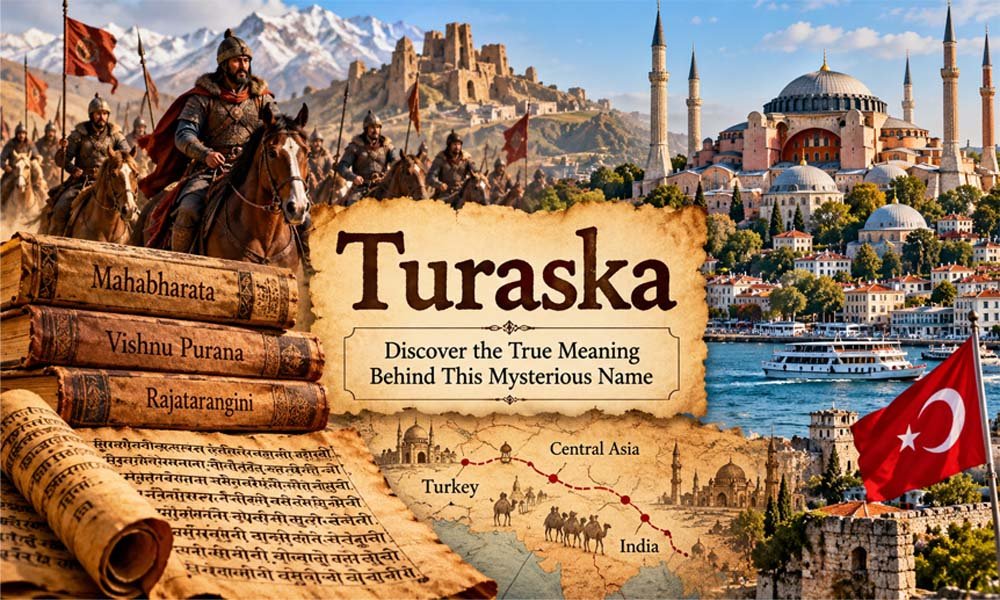
Have you ever seen the word Turaska and wondered what it means? This unusual word has a long and interesting past. It connects ancient India with people from Central Asia. Today, it also has a meaning linked to Turkey.
Turaska is not just a strange name found online. It has roots in old Sanskrit writing. People used related forms of this word many years ago. Its meaning changed as new rulers and groups came into India.
In this article, we will explore the meaning, origin, and history of Turaska. We will also learn about its link with Turkic people and ancient Indian books. Each part will help you understand this old word in simple terms.
What Is Turaska?
Turaska is a word with more than one meaning. In old Sanskrit writing, a related word was used for Turks and certain other groups. These people had links with lands northwest of India. The word helped writers describe them.
In modern Bengali, Turaska can mean Turkey. Turkey is a country that lies between Europe and Asia. This meaning is still used today. So, the word can point to a country or a group from history.
Some people think Turaska is the name of a famous person. However, there is no strong proof of a well-known person with this exact name. It is mainly known as a word linked to language and history.
Turaska Meaning and Its Origin
The history of Turaska is closely tied to Sanskrit. Sanskrit is an old language used in India. Many ancient books were written in it. The related Sanskrit word is Turuṣka, which is also written as Turushka.
In Sanskrit, Turuṣka often meant a Turk or Turks. It was used to describe people linked with Turkic groups. These groups lived across parts of Central Asia and nearby lands. Their history later became connected with India.
The exact path of the word is not fully clear. However, its link with Turks is well known. As people traveled and kingdoms changed, writers used the term in new ways. This is how words can gain new meanings over time.
The Ancient History of Turaska
The story of Turaska takes us back many centuries. India had contact with people from distant lands through trade and travel. Some came to sell goods. Others came as soldiers or became part of new kingdoms.
One early known use of Turuṣka may appear in the seventh-century Sanskrit work Harshacharita. Later records also used the term. This shows that Indian writers knew about groups linked with Turks long before the Delhi Sultanate began.
Yet, not every old writer used the word in the same way. Some used it for a certain people. Others used it for a wider group. To understand its meaning, we must look at when and where it was written.
Turaska in Sanskrit Literature
Sanskrit books help us learn how people saw the world long ago. Writers told stories about kings, wars, travel, and life in distant places. They also used names for people who came from lands outside their own.
The word Turuṣka appears in medieval Sanskrit writing. One important work is the Rajatarangini, which tells the history of Kashmir. Other works, such as the Kathasaritsagara, help us understand the wider world of old Indian stories.
Some sources also link the term with the Mahabharata and the Puranas. However, the exact passages need careful checking. These books grew over long periods. A word found in a later part may not be as old as the main story.
Turaska and the Turkic People
To understand Turaska, we should also know about Turkic people. They were not one single tribe. They were many groups with related languages and customs. Over time, they lived across large parts of Central Asia.
Many Turkic groups were skilled horse riders. Some traded goods across long routes. Others served in armies or built strong kingdoms. Their travels brought them into contact with people from India and many other parts of Asia.
As these groups gained power, Indian writers used words such as Turuṣka to describe them. Still, the term did not always mean the same group. Its use depended on the writer, the place, and the time.
Turaska in Medieval Indian History
The meaning of Turaska became more important during medieval Indian history. Turkic-led rulers began to play a major role in northern India. Their armies, kingdoms, and political ties brought many changes to the region.
One famous ruler was Mahmud of Ghazni. He led several military campaigns into India during the early 1000s. Later, Muhammad of Ghor’s campaigns helped prepare the way for the Delhi Sultanate, which began in 1206.
The Delhi Sultanate had several ruling families, including those with Turkic roots. During this period, Sanskrit writers used Turuṣka in different ways. Sometimes it pointed to Turks. In other cases, it described wider groups linked with Muslim rule.
How the Meaning of Turaska Changed
The meaning of Turaska did not stay the same forever. In early Sanskrit writing, the related word Turuṣka was mainly linked with Turks. As new groups entered India, writers began using this word in different ways.
During medieval times, some writers used Turuṣka for Muslim rulers and their armies. This did not mean that every person called Turuṣka was Muslim. The word could have a different meaning based on the time and place.
This change shows how language grows with history. A word may first describe one group of people. Later, it may describe many groups. Turaska is a good example of how old words can gain new meanings.
Turaska Meaning in Bengali
Turaska also has a clear meaning in modern Bengali. In this language, the word তুরস্ক means Turkey. Turkey is a country with a rich history. It lies between Europe and Asia and is known for its old cities.
Bengali is widely spoken in Bangladesh and parts of India. People use তুরস্ক when talking about Turkey. For example, a Bengali news story about Turkey may use this word when discussing travel, sports, or world events.
This modern meaning is different from the old Sanskrit use. In Bengali, the word points to a country. In Sanskrit history, Turuṣka often described people. Both meanings have a link with Turks and their long history.
Turaska vs. Turushka: What Is the Difference?
Turaska and Turushka may look like the same word, but they are not always used in the same way. Turushka is a common English spelling of the Sanskrit word Turuṣka. It is mainly found in historical writing.
Turaska may appear when people write the Bengali word তুরস্ক using English letters. It can also appear as a loose spelling of the older term. This is why searching online may bring up different meanings.
The best way to understand the difference is to check the sentence. If someone is talking about a modern country, Turaska may mean Turkey. If the topic is ancient India, Turushka may refer to a historical group.
Is Turaska a Person or a Historical Word?
Some people search for Turaska because they think it belongs to a famous person. The word may look like a name. However, there is no strong public evidence that Turaska alone identifies a well-known celebrity.
This means details such as age, birthday, family, height, and net worth cannot be given for the word. A word does not have a childhood or a personal life. Making up such details would only confuse readers.
In 2026, many websites discuss unusual names and search terms. Readers should check reliable sources before believing personal stories. For Turaska, the strongest information comes from language dictionaries and historical studies.
Interesting Facts About Turaska
One interesting fact about Turaska is that its related Sanskrit form has more than one meaning. Besides referring to Turks, some Sanskrit dictionaries connect Turuṣka with olibanum. This is a type of resin used as incense.
Another fact is that the word connects two different periods of history. The Sanskrit form helps us learn about old Indian writing. The Bengali form is still used today when people talk about the country of Turkey.
The different spellings also make this word special. Turaska, Turuska, Turushka, and Turuṣka may appear in books or online. Small spelling changes can lead to different meanings, so checking the language is important.
Why Turaska Still Matters in 2026
Turaska still matters because it helps us understand the past. Old words can tell us how people viewed other lands and groups. They also show how travel, trade, and wars brought different cultures into contact.
Students and history lovers may find this word while reading about India or Central Asia. Learning its meaning can make old stories easier to understand. It also helps readers avoid mixing up past groups with modern countries.
Today, people can find many answers online, but not all are correct. Knowing the difference between Turaska and Turuṣka helps readers find better information. It reminds us that even one small word can hold a long history.
Conclusion
Turaska is more than an unusual word. Its story connects Sanskrit writing, Turkic peoples, medieval India, and modern Bengali. Over many centuries, related forms of the word have been used in different ways by different people.
The Sanskrit word Turuṣka was linked with Turks and sometimes wider groups in later writing. The Bengali word তুরস্ক means Turkey today. These meanings are related, but they should not be treated as exactly the same.
Understanding Turaska helps us see how words change as people and cultures meet. It also teaches us to read old texts with care. A simple word can tell a much bigger story about language and history.
(FAQs)
What does Turaska mean in simple words?
Turaska is a word linked to Turks and their history. In old Sanskrit writing, the related word Turuṣka was used for Turks and sometimes other groups. In modern Bengali, Turaska means Turkey, the country.
Where does the word Turaska come from?
Turaska is closely linked to the Sanskrit word Turuṣka (तुरुष्क). This old word was used in Indian writing many centuries ago. It has a strong connection with Turkic peoples and their contact with India.
Is Turaska a person or a historical word?
Turaska is mainly known as a historical and language-related word. There is no reliable proof that it refers to a famous person. That means details such as age, birthday, family, and net worth do not apply to the word.
What is the Sanskrit meaning of Turaska?
The related Sanskrit word Turuṣka commonly means a Turk or Turks. Some old dictionaries also give another meaning linked to incense resin. The correct meaning depends on how the word is used in a sentence.
Is Turaska another name for Turkey?
Yes, in Bengali, তুরস্ক means Turkey. It is the normal Bengali name for the modern country. However, the old Sanskrit word Turuṣka usually referred to people rather than the country we know as Turkey today.
What is the difference between Turaska and Turushka?
Turushka is a common English spelling of the Sanskrit word Turuṣka. Turaska can be a Roman spelling of the Bengali word তুরস্ক. Both are linked to Turk-related terms, but they are not always used in the same way.
Which ancient Indian texts mention Turaska?
The related word Turuṣka appears in old Sanskrit writing, including medieval works such as the Rajatarangini. Some sources also connect it with the Mahabharata and Puranas. However, those claims need checking against the original passages.
How is Turaska connected to Turkic people?
Turaska is linked to Turkic peoples who lived across Central Asia and nearby lands. Some traveled to India for trade, while others came as soldiers or rulers. Sanskrit writers used Turuṣka to describe certain groups connected with these people.
Why was Turaska used in medieval Indian history?
During medieval times, Turkic-led rulers became important in northern India. Writers used Turuṣka when describing some of these rulers and their armies. Over time, the word was also used for wider groups linked with Muslim rule.
Why is Turaska still important in 2026?
Turaska helps people learn about old languages and the history of India and Central Asia. It shows how the meaning of a word can change over time. It also helps readers understand the difference between historical Turks and modern Turkey.
Continue reading: Schedow: Everything You Need to Know About Smart Scheduling

Asmongold Net Worth: From World of Warcraft Gamer to Millionaire

Andrew Frankel: Meet the Rich Businessman Who Married Bridget Moynahan

French Montana Net Worth: His Music Money, YouTube Income, and Real Estate

Edward Abel Smith: The Untold Story of Kate Winslet’s Husband

Dua Lipa Net Worth: Inside Her Music, Tours, and Huge Earnings

Kandi Burruss Net Worth: Music, TV, Business, and Her Wealth

Cristina Invernizzi: What We Know About Jordan Belfort’s Wife

Why Coastal Homeowners Need a Different Approach to Property Maintenance

Meredith Schwarz: Everything to Know About Pete Hegseth’s Ex-Wife

lice Cooper Net Worth: How Six Decades of Rock Made Him Rich

Catherine Mooty: What Happened to Troy Aikman’s Ex-Wife?

Charfen.co.uk: What Is It and What Does It Offer?

Who Is Tamara Hurwitz? Meet Bill Pullman’s Wife

Voozon.com: Everything You Need to Know Before Using It

Diandra Luker: The Real Story of Michael Douglas’ Ex-Wife

Jack Scott Ramsay: What Happened to Gordon Ramsay’s Son?

SoSoActive: Everything You Need to Know About the Digital Platform

The Story of Jeannine Belleguic: What Public Records Really Reveal

Noelle Watters: Where Is Jesse Watters’ First Wife Now?

Kerri Browitt Caviezel: Everything to Know About Jim Caviezel’s Wife
Asmongold Net Worth: From World of Warcraft Gamer to Millionaire
Andrew Frankel: Meet the Rich Businessman Who Married Bridget Moynahan
French Montana Net Worth: His Music Money, YouTube Income, and Real Estate
Edward Abel Smith: The Untold Story of Kate Winslet’s Husband
Dua Lipa Net Worth: Inside Her Music, Tours, and Huge Earnings
Kandi Burruss Net Worth: Music, TV, Business, and Her Wealth
Cristina Invernizzi: What We Know About Jordan Belfort’s Wife
Why Coastal Homeowners Need a Different Approach to Property Maintenance
Meredith Schwarz: Everything to Know About Pete Hegseth’s Ex-Wife
lice Cooper Net Worth: How Six Decades of Rock Made Him Rich
-

 News2 months ago
Who Is Gigi Yallouz? Meet Owain Yeoman’s Wife and Jewelry Designer
-

 News2 months ago
Rajesh Nihalani: What We Know About Archie Panjabi’s Husband
-

 News2 months ago
Stephan Farmiga: Everything to Know About Vera Farmiga’s Brother
-

 News1 month ago
Who Is Tove Torvalds? All About Linus Torvalds’ Wife