
Fashion
6 Hair Treatments for Dry and Damaged Hair: Expert Tips

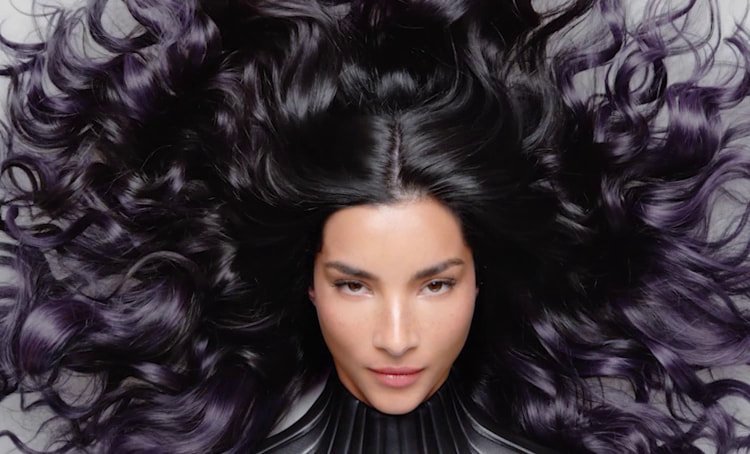
Dry, brittle and damaged hair can develop for many reasons, from frequent colouring and heat styling to sun exposure and everyday environmental stress. In Singapore, the humid climate creates an additional challenge: hair can feel dry through the lengths while becoming frizzy, difficult to manage or oily around the scalp. For anyone searching for the best hair salon singapore, understanding which professional treatment actually addresses the underlying problem is more useful than simply choosing the most intensive-sounding service.
Not every form of damage requires the same solution. Hair that lacks moisture may need a different approach from strands weakened by bleaching, while an irritated or excessively oily scalp requires attention at the roots rather than another conditioning mask on the lengths. Professional assessment can help identify whether the priority should be hydration, structural repair, smoothing, scalp care or a combination of treatments. The following six options explain how different professional services can support healthier-looking, more manageable hair.
1. Intensive Moisture and Hydration Treatments
When hair feels rough, dull or unusually difficult to detangle, dehydration may be part of the problem. This is particularly common after repeated heat styling, colouring or prolonged exposure to the sun.
Professional moisture treatments are designed to improve the hair’s softness and manageability by replenishing conditioning ingredients and helping the strands retain moisture. They can be especially useful for dry mid-lengths and ends that feel coarse despite regular shampooing.
Signs your hair may benefit from hydration
- The ends feel rough after washing.
- Hair becomes tangled easily.
- Your usual conditioner no longer seems sufficient.
- The lengths look dull rather than glossy.
- Brushing creates unnecessary pulling or breakage.
Hydration should not automatically mean applying the heaviest possible mask. Fine hair can become weighed down by rich products, while very porous hair may need a more targeted combination of moisture and strengthening care.
A professional stylist can assess texture and porosity before recommending the appropriate treatment intensity.
2. K18 and Other Bond-Focused Repair Treatments
Chemical processing can affect the internal structure of the hair. Bleaching is particularly relevant because significant lightening can leave strands more fragile, porous and prone to snapping.
Bond-focused treatments such as K18 are designed for chemically stressed hair and are commonly incorporated into professional colour-care routines. Blonde & Pastel Hair Salon, for example, offers a two-step K18 mist and mask service and also uses K18 and Olaplex as protective options alongside selected colour services.
These treatments can be particularly relevant for people who regularly have:
- Bleach or highlights
- Balayage
- Blonde transformations
- Pastel colour
- Colour correction
- Repeated chemical services
The important point is that a bond-focused treatment is not simply another conditioning mask. Its purpose and application are different, which is why professional guidance can help determine when it is appropriate.
3. Professional Keratin Smoothing Treatments
Humidity can make already porous or naturally textured hair considerably harder to manage. Strands may swell, frizz and lose the smooth finish created during styling.
Keratin smoothing treatments are designed to improve manageability and reduce the appearance of frizz. They can be useful for people who spend considerable time blow-drying or straightening their hair because a smoother surface may make everyday styling easier.
Professional salons may offer different keratin systems depending on the desired result. Blonde & Pastel Hair Salon currently lists Brazilian Keratin, Keratin Smoothing and Keratin Complex services among its treatment options.
However, smoothing is not automatically the right choice for every damaged head of hair. If the hair is severely weakened, the priority may first be restoring its condition rather than adding another chemical process.
Before choosing a smoothing treatment, consider:
Hair strength: Very fragile strands may need restorative care first.
Desired finish: Some clients want frizz reduction while retaining movement, whereas others prefer a considerably sleeker appearance.
Colour history: Recent bleaching or colouring can affect how chemical services should be scheduled.
Maintenance: Discuss how the treatment will affect your usual washing and styling routine.
4. Scalp Treatments for Dryness, Oiliness and Irritation
Healthy-looking hair starts with a healthy scalp. If the scalp is excessively oily, dry, flaky or uncomfortable, concentrating exclusively on the ends will not address the complete problem.
Professional scalp treatments can be selected according to the specific concern. For example, Blonde & Pastel Hair Salon lists scalp care services addressing concerns including dry and oily scalps, dandruff and hair-loss-related needs.
Scalp care can be particularly relevant in Singapore because heat and perspiration may encourage oiliness, while frequent washing and unsuitable products can leave the scalp feeling dry or uncomfortable.
A useful scalp-care routine includes:
- Cleansing according to your scalp’s actual needs
- Avoiding excessive scratching
- Rinsing shampoo thoroughly
- Choosing products appropriate for your scalp type
- Keeping heavy styling products away from the scalp when possible
If persistent itching, severe flaking or unusual hair shedding occurs, salon treatment should not replace medical assessment. A dermatologist or qualified healthcare professional may be needed to identify an underlying condition.
5. Colour-Saving and Cuticle-Smoothing Treatments
Coloured hair can become increasingly porous as a result of chemical processing. Once the cuticle is less compact, the hair may lose moisture and colour more quickly, creating a cycle of dryness, fading and repeated treatment.
A colour-focused treatment can support the appearance of freshly coloured hair by improving smoothness and helping the strands retain conditioning ingredients.
This is particularly useful for people with:
- Blonde highlights
- Balayage
- Pastel colours
- Fashion shades
- Frequent colour changes
- Colour-corrected hair
Blonde & Pastel’s treatment menu includes a Scalp Express/Colour Saver service, while its broader treatment approach places emphasis on maintaining the condition of chemically treated hair.
The benefit of this approach is that maintaining colour does not always require immediately recolouring the entire head. Depending on the situation, a targeted refresh and appropriate treatment may be enough to improve the overall appearance.
6. Restorative Treatments for Severely Processed Hair
Some hair needs more than occasional conditioning. Repeated bleaching, chemical straightening, perming and heat styling can gradually affect elasticity, strength and surface condition.
In these situations, a restorative treatment plan may combine several forms of professional care rather than relying on one product.
Blonde & Pastel’s current hair-treatment information describes a personalised approach that considers hair condition and aims to address issues such as chemical and environmental damage, dryness, porosity and breakage. Its service offering combines restorative treatments with scalp care, K18 and smoothing options.
The advantage of a tailored programme is that the stylist can decide whether the immediate priority is structural support, moisture, scalp care or protection before another chemical service.
How to Tell Whether Your Hair Is Dry or Actually Damaged
Dryness and structural damage can appear similar, but they are not necessarily the same problem.
Dry hair may feel rough, lack shine or become difficult to style. It may improve considerably when an appropriate conditioning routine is introduced.
Damaged hair can show more significant changes, including breakage, split ends, poor elasticity, excessive tangling and a noticeably altered texture.
| Hair symptom | What it may indicate | Professional focus |
| Rough, dull lengths | Lack of moisture | Hydrating care |
| Frequent snapping | Structural weakness | Bond or restorative treatment |
| Frizz after colouring | Increased porosity | Smoothing and conditioning |
| Oily scalp with dry ends | Imbalanced routine | Scalp and length-specific care |
| Fading colour | Porosity or frequent washing | Colour-saving maintenance |
| Severe tangling | Surface or structural damage | Repair and conditioning |
This is why simply buying the most expensive hair mask is not always the answer. The treatment should match the actual condition of the hair.
Singapore Hair Care: Why Humidity Changes the Routine
Humidity does not mean hair is automatically moisturised. Hair can absorb atmospheric moisture while still having a dry or damaged internal structure.
Porous hair can respond particularly strongly to changes in humidity. The cuticle may lift more readily, creating frizz and making the surface feel less smooth.
A practical routine should therefore focus on maintaining the hair’s condition rather than attempting to eliminate every sign of natural texture.
Helpful habits include:
Use suitable cleansing products: Choose products according to both scalp needs and the condition of the lengths.
Avoid very hot water: Excessive heat during washing can leave already dry hair feeling less comfortable.
Use heat protection: Straighteners, curling tools and high-temperature blow-drying can compound existing damage.
Do not over-wash: Washing frequency should reflect your scalp rather than a fixed schedule.
Protect coloured hair: Colour-safe products can help reduce unnecessary fading.
Trim damaged ends: Treatments can improve manageability, but severely split ends cannot be permanently repaired back into their original structure.
What to Ask During a Professional Hair Treatment Consultation
Before booking a treatment, explain your complete hair history. This includes bleaching, highlights, permanent colour, rebonding, keratin treatments, perms and frequent heat styling.
It is also useful to explain what you dislike about your hair now. Saying that your hair feels “damaged” is less informative than describing specific problems such as snapping, rough ends, frizz, tangling or loss of elasticity.
A professional consultation should ideally establish:
- Your current hair condition.
- Your scalp condition.
- Previous chemical services.
- Your styling habits.
- Your desired result.
- Which treatment should come first if several concerns exist.
This assessment becomes particularly important if you are planning another colour transformation. Hair that is already highly processed may need a period of restorative care before additional lightening.
How to Protect Your Hair Between Professional Treatments
Salon treatments work best when supported by sensible home care. If hair is repeatedly exposed to high temperatures, harsh cleansing or unnecessary chemical processing, the benefits of a professional treatment may not last as long.
Keep your routine relatively simple. Cleanse the scalp properly, condition the lengths, use a suitable leave-in product when needed and protect the hair before heat styling.
If you colour your hair, follow the maintenance routine recommended for that specific shade. Blonde and pastel hair may require toning, while brunette or red shades may benefit from colour-preserving products.
Most importantly, do not assume that more products automatically produce healthier hair. Using too many heavy products can create build-up and leave some hair types looking flat or greasy.
Final Thoughts
Dry and damaged hair rarely has one universal cause, which is why professional treatment should begin with assessment rather than guesswork. Hydration, bond-focused repair, keratin smoothing, scalp care, colour-saving services and restorative treatment plans each have different purposes. The right choice depends on whether your main concern is moisture loss, chemical damage, frizz, scalp imbalance, fading or weakened strands. Singapore’s humid climate adds another layer to this equation, making sensible aftercare just as important as the treatment itself.
If you are comparing options at the best hair salon Singapore, look for a professional approach that considers hair history, texture, porosity, scalp condition and future chemical services rather than recommending the same treatment to everyone. For readers exploring specialised colour care, K18, Olaplex, keratin smoothing and scalp treatments, blondeandpastelhairsalon.sg provides information on services designed around different hair concerns. A thoughtful treatment plan can help dry, overworked hair become more manageable while supporting healthier-looking results over time.
Frequently Asked Questions
1. How do I know which treatment is best for damaged hair?
The best treatment depends on the type and extent of damage. Dryness may respond well to targeted hydration, while hair weakened by bleaching may require bond-focused or restorative care. A professional assessment can examine texture, porosity, elasticity and previous chemical treatments. This helps avoid using a treatment that is unnecessarily heavy or unsuitable for your particular hair.
2. Can keratin treatments help frizzy hair in Singapore?
Keratin smoothing treatments can reduce the appearance of frizz and make hair easier to manage, which can be useful in a humid climate. They are particularly appealing to people who spend significant time styling their hair. However, smoothing treatments involve their own chemical considerations. If hair is already severely weakened, your stylist may recommend restorative care or a different approach before proceeding.
3. Is K18 suitable for bleached or coloured hair?
K18 is commonly used as a professional treatment for chemically treated hair, including hair affected by lightening. Blonde & Pastel Hair Salon offers a K18 mist and mask service and also uses K18 as an optional protective treatment with selected colouring services. Whether it is appropriate for your hair depends on its current condition and treatment history. It should form part of a wider care routine rather than being viewed as a replacement for good everyday maintenance.
4. How often should I have a professional hair treatment?
No fixed schedule works for every person. Someone with frequently bleached hair may need more structured professional maintenance than someone with naturally healthy, untreated hair. Your stylist can recommend a frequency based on your hair condition, chemical history and lifestyle. Between appointments, gentle cleansing, conditioning and heat protection can help maintain the improvement.
5. Can a professional treatment permanently repair split ends?
Treatments can improve the feel, appearance and manageability of damaged hair, but a genuinely split strand cannot be permanently reconstructed into its original condition. Products can temporarily smooth and protect the affected area. Regular trimming remains the most reliable way to remove severely split ends. Combining trims with appropriate restorative and conditioning care can help reduce further breakage and maintain healthier-looking lengths.

Morgan Wallen Net Worth: How He Built His $35 Million Fortune

DeVon Minters: Everything to Know About Karrueche Tran’s Father

Chris Carmack Net Worth: How Much Money Does He Really Have?

Rich the Kid Net Worth: How Rich Is the Famous Rapper Today?

Don’t Hire a Contractor Until You’ve Checked These 7 Things

Cole Bennett Net Worth: Income, Career, House and Lifestyle

Traditional Bank or Online App? Picking the Right Non-Resident Bank Account in Spain

Lili Estefan Net Worth: Her Salary Career and Success Story

A Simple Guide to Eligibility Requirements for Research Publication

Killer Mike Net Worth: How Music and Business Built His Wealth

Charfen.co.uk: What Is It and What Does It Offer?

Diandra Luker: The Real Story of Michael Douglas’ Ex-Wife

Voozon.com: Everything You Need to Know Before Using It

Jack Scott Ramsay: What Happened to Gordon Ramsay’s Son?

The Story of Jeannine Belleguic: What Public Records Really Reveal

Kerri Browitt Caviezel: Everything to Know About Jim Caviezel’s Wife

SoSoActive: Everything You Need to Know About the Digital Platform

Milo William Langdon: Meet Liv Tyler’s Son

From Search Visibility to Enquiries: Building a Stronger SEO System in Essex

Maureen Wilson: The Real Story of Robert Plant’s First Wife
Morgan Wallen Net Worth: How He Built His $35 Million Fortune
DeVon Minters: Everything to Know About Karrueche Tran’s Father
Chris Carmack Net Worth: How Much Money Does He Really Have?
Rich the Kid Net Worth: How Rich Is the Famous Rapper Today?
Don’t Hire a Contractor Until You’ve Checked These 7 Things
Cole Bennett Net Worth: Income, Career, House and Lifestyle
Traditional Bank or Online App? Picking the Right Non-Resident Bank Account in Spain
Lili Estefan Net Worth: Her Salary Career and Success Story
A Simple Guide to Eligibility Requirements for Research Publication
Killer Mike Net Worth: How Music and Business Built His Wealth
-

 News2 months ago
Who Is Gigi Yallouz? Meet Owain Yeoman’s Wife and Jewelry Designer
-

 News2 months ago
Rajesh Nihalani: What We Know About Archie Panjabi’s Husband
-

 News2 months ago
Who Is Tove Torvalds? All About Linus Torvalds’ Wife
-

 News2 months ago
Stephan Farmiga: Everything to Know About Vera Farmiga’s Brother