
Home Improvement
Before the First Leak: Knowing When Your Roof Needs a Fresh Start

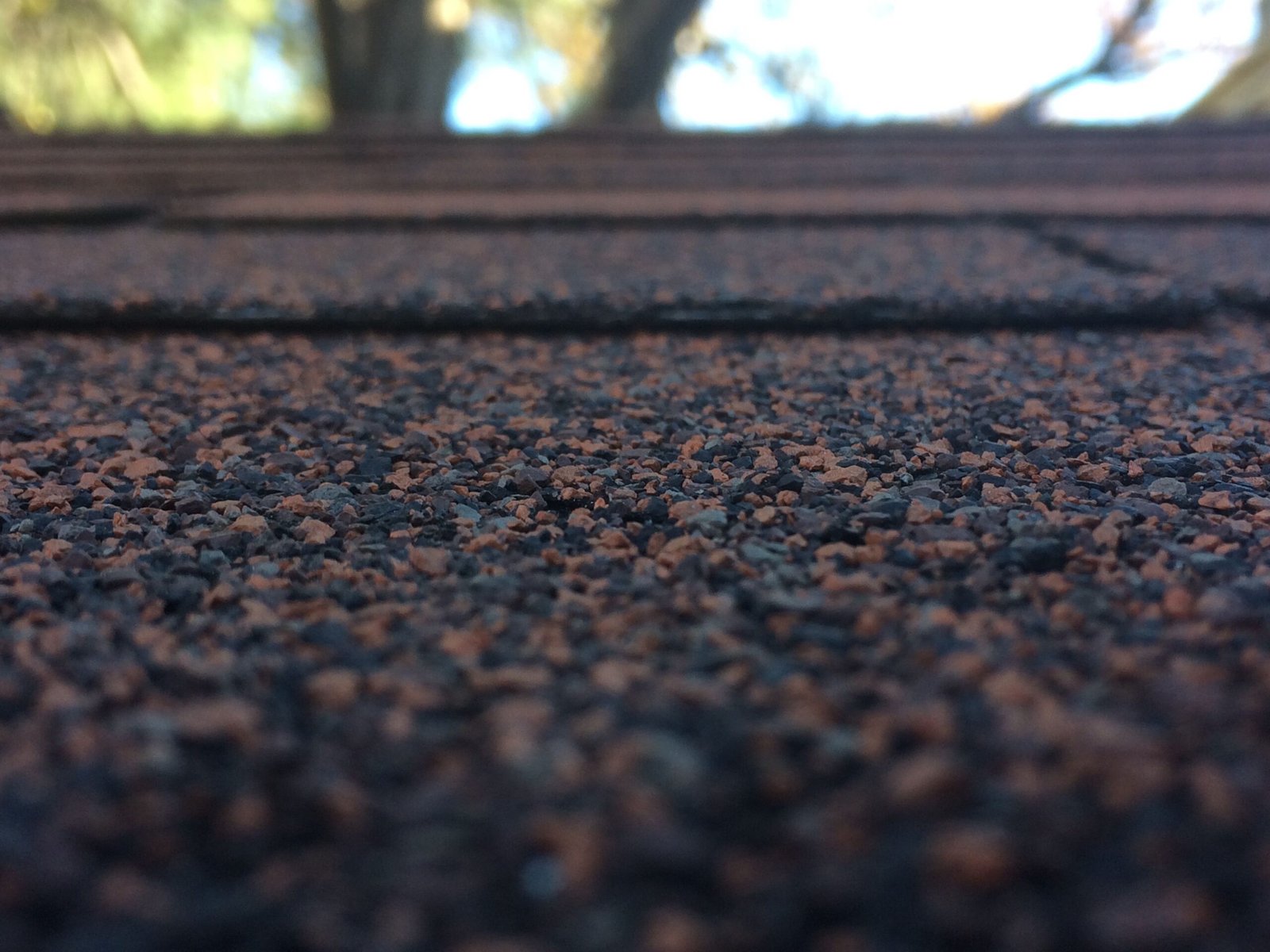
A roof can look dependable from the street while years of weather slowly weaken the materials protecting your home. Rain, snow, and changing temperatures can expose weaknesses that deserve attention, even when the damage is not immediately visible. Recognizing the warning signs early gives you time to compare repairs, plan a budget, and avoid making a major decision during an emergency.
Read the Warning Signs Before They Become Leaks
Roof damage rarely begins with water pouring through the ceiling. More often, it appears as curling or cracked shingles, missing pieces after a storm, exposed fasteners, or excessive granules collecting in gutters. Stains on an upstairs ceiling may indicate moisture entering somewhere above, although plumbing and condensation can produce similar marks.
Look for changes in the roofline, too. A noticeable sag, soft-looking section, or widespread shingle deterioration calls for professional assessment. Dark streaks alone do not prove structural damage; they may be caused by algae. Moss, however, can retain moisture and make inspection harder.
Check what you can safely see from the ground or an accessible window. Do not climb onto a steep or damaged roof to investigate. Photographs taken over time can help an inspector understand whether conditions are changing.
Decide Whether Repair Still Makes Financial Sense
A targeted repair may be appropriate when damage is limited and surrounding materials remain in good condition. Replacing a small section of flashing or addressing a few damaged shingles can be reasonable if the rest of the roof has useful life remaining.
Repeated leaks, widespread deterioration, compromised decking, or several previous patches change the calculation. Ask for a written assessment describing the problem, its likely cause, and whether repair is expected to last. Compare the projected cost of recurring work with the price and benefits of a complete replacement.
If replacement appears more practical, roof replacement contractors can evaluate the roofing system, explain suitable materials, and provide estimates based on its condition. Ask for evidence supporting the recommendation rather than accepting a replacement proposal solely because the roof is old.
Understand Why Age Is Only Part of the Story
Asphalt shingles have a limited service life, but no single birthday determines when replacement becomes necessary. Material quality, installation, sun exposure, ventilation, storm damage, and maintenance all affect performance. Two roofs installed in the same year may age very differently.
If you do not know when the roof was installed, review home purchase records, permits, invoices, or warranty documents. An inspection can then assess whether the system is wearing evenly or showing isolated trouble.
Pay particular attention to flashing around chimneys, vents, and roof intersections. These details manage water where roofing surfaces meet other materials. A failure at one junction may create a leak even when most shingles remain sound.
Stop Small Moisture Problems From Spreading
A minor leak can damage far more than the visible ceiling stain. Water may soak insulation, soften decking, stain drywall, or create conditions favorable to mold. If you discover moisture indoors, protect belongings, document the damage, and arrange a prompt inspection. Electrical fixtures near a leak should be treated cautiously; seek qualified help when wiring may be affected.
The guide to moisture and mold in the home explains why identifying the water source and drying affected materials promptly matter. Painting over a stain without fixing the leak only hides the symptom.
Gutters and downspouts also deserve attention. Blockages can direct water toward vulnerable edges and exterior walls. Routine cleaning and timely repairs help the entire drainage system perform as intended.
Know What Happens During Replacement
Most projects begin with a site inspection, measurements, material selection, and a written scope of work. The contractor should explain whether existing layers will be removed, how damaged decking will be handled, and which underlayment, flashing, ventilation components, and shingles are included.
During installation, crews generally remove old roofing where specified, inspect the deck, complete necessary repairs, install protective layers and new materials, and clear debris. The schedule depends on size, pitch, access, weather, and hidden damage discovered after removal.
Ask how the crew will protect landscaping, manage nails and debris, handle unexpected repairs, and confirm completion. Discuss warranties separately: manufacturer coverage for materials and contractor coverage for workmanship are not necessarily the same.
Choose a Contractor With More Than Price in Mind
A detailed estimate makes competing proposals easier to compare. Look for specific materials, quantities or work areas, labor, disposal, possible decking charges, payment terms, and an expected timeline. Confirm insurance and any licensing requirements that apply, and ask who will supervise the project.
The consumer guide to avoiding home improvement scams explains the value of multiple written estimates, careful contract review, and avoiding pressure to pay everything upfront. A dramatically lower bid is worth examining closely if it leaves out important components.
Review recent customer experiences for clues about communication, cleanup, and how problems were resolved. A reliable contractor should answer technical questions in understandable language and explain changes before performing additional work.
Protect the Investment After the Work Is Done
Replacement is not the end of roof care. Keep records of materials, warranties, inspections, and repairs. Arrange periodic visual checks, particularly after severe weather, and address loose gutters, damaged flashing, or blocked drainage before they become larger problems.
Make sure attic ventilation and insulation are evaluated as parts of the wider building system. Good airflow and moisture control can help prevent condensation-related problems, although ventilation alone will not correct a roof leak.
A sound roof protects interior finishes, comfort, and the value of your home. The smartest approach is neither to replace it at the first imperfect shingle nor to wait for major water damage. Understand the evidence, compare the options, and act while you still have time to choose carefully.

Kevin Bacon Net Worth: How Rich Is the Footloose Star Today?

Justin Baldoni Net Worth: How Acting and Directing Made Him Rich

Telee Gaulden: Everything to Know About NBA YoungBoy’s Older Sister

Omar Epps Net Worth: How He Made Millions From Movies and TV

J Balvin Net Worth: How the Reggaeton Star Built His $30 Million Fortune

Bretman Net Worth: YouTube Income, Brand Deals and Wealth

Westen Champlin Net Worth: The Money Behind His Wild Car Videos

The Royalty Family Net Worth: How Rich Is the YouTube Family?

Christine Marinoni: Everything About Cynthia Nixon’s Wife

Nick Bare Net Worth: Inside His BPN Success and YouTube Income

Charfen.co.uk: What Is It and What Does It Offer?

Diandra Luker: The Real Story of Michael Douglas’ Ex-Wife

Who Is Tamara Hurwitz? Meet Bill Pullman’s Wife

Voozon.com: Everything You Need to Know Before Using It

Jack Scott Ramsay: What Happened to Gordon Ramsay’s Son?

SoSoActive: Everything You Need to Know About the Digital Platform

The Story of Jeannine Belleguic: What Public Records Really Reveal

Kerri Browitt Caviezel: Everything to Know About Jim Caviezel’s Wife

Milo William Langdon: Meet Liv Tyler’s Son

From Search Visibility to Enquiries: Building a Stronger SEO System in Essex
Kevin Bacon Net Worth: How Rich Is the Footloose Star Today?
Justin Baldoni Net Worth: How Acting and Directing Made Him Rich
Telee Gaulden: Everything to Know About NBA YoungBoy’s Older Sister
Omar Epps Net Worth: How He Made Millions From Movies and TV
J Balvin Net Worth: How the Reggaeton Star Built His $30 Million Fortune
Bretman Net Worth: YouTube Income, Brand Deals and Wealth
Westen Champlin Net Worth: The Money Behind His Wild Car Videos
The Royalty Family Net Worth: How Rich Is the YouTube Family?
Christine Marinoni: Everything About Cynthia Nixon’s Wife
Nick Bare Net Worth: Inside His BPN Success and YouTube Income
-

 News2 months ago
Who Is Gigi Yallouz? Meet Owain Yeoman’s Wife and Jewelry Designer
-

 News2 months ago
Rajesh Nihalani: What We Know About Archie Panjabi’s Husband
-

 News1 month ago
Who Is Tove Torvalds? All About Linus Torvalds’ Wife
-

 News2 months ago
Stephan Farmiga: Everything to Know About Vera Farmiga’s Brother