
Fashion
From Runway to High Street: How Catwalk Trends Shape What We Wear

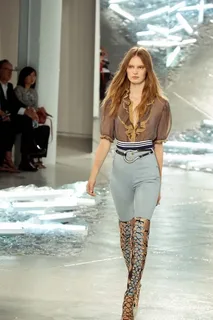
Every season, a handful of designers send models down the catwalk in clothes most people will never buy. Within months, the shapes, colours and ideas from those shows turn up in high street shops, on social media feeds and in our own wardrobes. Understanding how that journey works makes shopping easier, and it helps you spot which trends are worth your money.
How Catwalks Became Trendsetters
Fashion weeks in London, Paris, Milan and New York were originally set up to show buyers and the press what was coming next. London Fashion Week began in the 1980s and has built a reputation for backing creative, experimental talent, often well before the wider public notices them.
Designers show collections around six months before the clothes reach the shops. That gap gives the industry time to produce garments and gives everyone else time to react. High street brands watch the shows closely, picking out the shapes, fabrics and colours that feel strongest, then adapting them into more affordable versions.
Fast fashion has shortened that timeline considerably. A look that appears on a catwalk can now be in the shops in a matter of weeks. Social media has sped things up further, because a trend can spread from a front-row photo to a million screens within hours.
Streetwear: From the Pavement to the Catwalk
Not every trend starts at the top. Streetwear is a good example of fashion moving in the opposite direction. It grew out of skate, surf and hip-hop culture in the 1980s and 1990s, built on hoodies, trainers, graphic tees and relaxed fits.
Over time, luxury houses noticed. High-profile collaborations between streetwear labels and designer brands, such as the 2017 Louis Vuitton and Supreme partnership, helped to cement the style at the highest level. Today, oversized silhouettes, tracksuits and statement trainers are normal on both the runway and the high street. Comfort became a fashion priority, not a compromise.
Boho Chic: Relaxed, Romantic and Never Quite Gone
Boho chic draws on the free-spirited looks of the 1960s and 1970s, with flowing maxi dresses, embroidery, suede, fringing and earthy tones. It has resurfaced many times, including in the mid-2000s, when festival fashion turned it into a mainstream look.
Its influence is still easy to spot. Floaty midi dresses, wide-leg trousers, crochet details and tiered skirts regularly return in spring and summer collections, and the style has always suited people who prefer an easy, lived-in feel over anything too polished.
Minimalism: Less, But Better
Minimalism came to prominence in the 1990s, led by designers who favoured clean lines, neutral colours and precise tailoring. Its appeal has endured because it is simple to wear. A well-cut blazer, a plain knit and straight trousers never look dated.
More recently, the trend has taken on new life through the idea of “quiet luxury”, where quality fabric and fit matter more than logos. High street brands have followed, offering pared-back basics in neutral shades that suit a capsule wardrobe. For shoppers, this style rewards buying fewer, better pieces and wearing them often.
Other Influences Worth Knowing
Several other movements continue to filter down from the catwalk:
- Y2K and nostalgia: Low-rise jeans, baby tees and metallic accessories show how the industry often looks backwards for inspiration.
- Tailoring: Sharp blazers and relaxed suiting have moved from the boardroom into everyday outfits.
- Sustainability: Rental, resale and longer-lasting pieces have become part of the conversation as shoppers think harder about what they buy.
How Runway Ideas Become Everyday Pieces
Few people wear a full runway look. Instead, they borrow one idea at a time. A dramatic collection might feature giant puffed sleeves, and the high street version becomes a blouse with a subtle volume. A show full of oversized tailoring becomes a relaxed blazer that works with jeans.
Jackets are a perfect example. Designers regularly use outerwear to make a statement, from sculpted shoulders to exaggerated proportions. High street versions take the same shapes and make them practical. Today’s jackets borrow heavily from the catwalk, with oversized blazers, leather biker styles, cropped puffers, utility shapes and tailored trench-inspired designs all adapted from designer collections. A good jacket is also one of the few pieces that can define an entire outfit, which makes it an easy place to experiment with a trend.
Dressing for Real Life
The most useful lesson from the runway is how to borrow from it sensibly. A few simple habits help:
- Pick one trend at a time: Pair a bold piece with simple basics so the outfit feels balanced.
- Check it works with what you own: If a new piece goes with at least three existing outfits, it is likely to earn its place.
- Choose quality where it counts: Jackets, tailoring and shoes tend to repay a bigger investment.
- Let your own style lead: A trend is only worth following if it feels like you.
This approach pays off when travelling too. Planning city break outfits is easier when your wardrobe is built from versatile, trend-aware pieces. A neutral knit, a well-fitted pair of trousers and a statement jacket can be mixed in different ways across several days, and they reflect the same minimalist and streetwear influences that now shape high street shops.
The Takeaway
Catwalk trends no longer stay in the exclusive world of fashion week. Through the high street and social media, they reach a much wider audience, and each style, from streetwear to boho chic to minimalism, has left a lasting mark on what people wear. Knowing where ideas come from makes it much easier to choose the ones that suit you and leave the rest on the rail.

How Small Clothing Brands Photograph Fit and Where an AI Image Editor Helps

How A Cash Home Buyer Helps Dallas, Texas Homeowners Sell Houses Faster

Top Tree Care Companies in Pittsburgh, PA: Expert Picks for Local Homes and Businesses

From Runway to High Street: How Catwalk Trends Shape What We Wear

What to Expect From a Professional Solar Inverter Repair Service in Phoenix

Why the Aviator Nation 5-Stripe Hoodie Never Leaves My Weekly Rotation

How Power BI Consultants Accelerate Digital Transformation for Growing Businesses

How Canadian Families Can Recheck Life Insurance Needs After Major Life Changes

How to Write an eBook to Generate Leads and Build Authority

Phoenix’s Holiday Travel Season Begins: What Drivers Should Know Before Thanksgiving and Christmas Road Trips

How to Make Kofta Kebabs at Home Without Overthinking It

Michele Morrone Net Worth: His Salary, Earnings, and Rich Life

Oleksandra Zelenska: Who Is Volodymyr Zelensky’s Daughter?

Ethan Klein Net Worth: YouTube H3 Podcast and His Wealth

Parke Official and Mixed Emotions: Everyday Style Meets Modern Streetwear

Hi3D: Accelerating Creative Prototyping with AI-Powered 3D Design

Patricia Azarcoya Schneider: Everything You Need to Know About Rob Schneider’s Wife

Phil Wickham Net Worth: His YouTube Income, Tours, and Wealth

Beyond the Interior: Home Improvements That Transform Your Entire Property

Who Is Angel Iris Murphy Brown? All About Mel B’s Child
How Small Clothing Brands Photograph Fit and Where an AI Image Editor Helps
How A Cash Home Buyer Helps Dallas, Texas Homeowners Sell Houses Faster
Top Tree Care Companies in Pittsburgh, PA: Expert Picks for Local Homes and Businesses
From Runway to High Street: How Catwalk Trends Shape What We Wear
What to Expect From a Professional Solar Inverter Repair Service in Phoenix
Why the Aviator Nation 5-Stripe Hoodie Never Leaves My Weekly Rotation
How Power BI Consultants Accelerate Digital Transformation for Growing Businesses
How Canadian Families Can Recheck Life Insurance Needs After Major Life Changes
How to Write an eBook to Generate Leads and Build Authority






