Home Improvement
From Empty Ground to Outdoor Elegance: Designing a Beautiful Backyard with Pavers

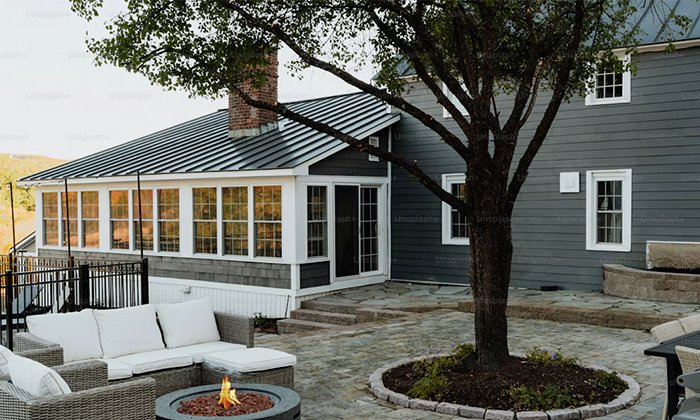
Transforming Backyards into Functional Outdoor Spaces
A well-designed backyard can provide much more than an open area behind a house. It can become a comfortable extension of the home, offering space for family gatherings, outdoor dining, relaxation, and entertainment. Creating an attractive backyard requires thoughtful planning, suitable materials, and careful attention to how different features work together. Pavers are a popular choice for outdoor improvements because they combine visual appeal with practical functionality and provide numerous opportunities for customization. Professional backyard paver installation can transform uneven or underused ground into a durable surface that supports outdoor furniture, defined walking areas, and inviting entertainment spaces. With a carefully selected paving pattern, complementary colors, and proper preparation, homeowners can create an outdoor environment that enhances their property’s appearance while making everyday outdoor activities more convenient.Outdoor improvements are most successful when appearance and functionality receive equal attention. A beautiful patio should provide enough room for seating, allow people to move comfortably, and fit naturally into the surrounding landscape. Paving can help establish clear boundaries between entertainment areas, garden beds, walkways, and other outdoor features. Homeowners can choose from concrete pavers, natural stone, and other suitable paving products to achieve different design styles. Some materials provide a clean, contemporary appearance, while others offer natural textures and traditional character. By considering the property’s architecture, the intended use of the backyard, and the maintenance requirements of different materials, homeowners can make informed decisions that contribute to a balanced and attractive outdoor space.
Choosing the Right Paving Materials
Material selection is one of the most important decisions in any outdoor paving project. Different pavers offer different combinations of strength, texture, color, cost, and maintenance requirements. Concrete pavers are available in many shapes and finishes, making them suitable for a wide range of residential designs. Natural stone offers distinctive patterns and variations that can create a more organic appearance, while other manufactured paving products may provide specific textures or decorative effects. The most appropriate choice depends on the intended application, expected traffic, environmental exposure, and overall design goals. Homeowners should evaluate samples in the actual outdoor setting whenever possible because natural and artificial lighting can influence how paving colors appear throughout the day.Durability should remain a priority when selecting materials for a backyard project. Patio areas used for furniture and dining may have different requirements from walkways or spaces that support heavier loads. The selected pavers should be suitable for the intended use and installed over a base designed to support the expected weight. Properly planned backyard paver installation considers the material specifications, ground conditions, drainage needs, and construction requirements before work begins. Choosing attractive pavers without considering these practical factors may lead to problems such as cracking, movement, or uneven surfaces. A knowledgeable contractor can help homeowners compare available products and select materials that balance appearance, performance, and long-term maintenance needs.
Designing a Layout That Fits Your Lifestyle
Every backyard serves a different purpose, so the paving layout should reflect how the household intends to use the space. Some homeowners want a large patio for outdoor dining and entertaining, while others prefer a combination of smaller seating areas and winding garden paths. Families may prioritize open space for recreation, whereas homeowners who frequently host guests may want clearly defined areas for furniture, cooking, and conversation. Before construction begins, it is helpful to measure the available area and plan the placement of major features. A carefully developed layout makes it easier to establish comfortable walking routes, position outdoor furniture, and ensure that the finished patio feels spacious rather than crowded.The shape and arrangement of pavers can also influence the overall character of the backyard. Straight patterns often create a clean and organized appearance, while curved edges can soften the transition between paved areas and gardens. Herringbone, basketweave, running bond, and modular patterns provide different visual effects and may suit different architectural styles. During backyard paver installation, the layout should account for the dimensions of the space, the shape of the selected pavers, and the positioning of edges and transitions. Planning these details beforehand helps reduce unnecessary cutting and material waste while creating a more consistent finish. A well-proportioned layout allows the paving to complement the property instead of dominating the entire landscape.
Preparing the Ground Properly
Ground preparation is essential for creating a stable paving surface that remains attractive over time. Before laying pavers, contractors generally need to remove unsuitable soil, vegetation, roots, and other materials that could interfere with the installation. The required excavation depth depends on the paver thickness, base materials, soil conditions, drainage requirements, and expected loading. Once the area has been excavated, the underlying soil must be assessed and prepared appropriately. Weak or unstable ground may require additional measures to provide adequate support. Skipping these steps can lead to settling, uneven surfaces, and gaps between pavers, even when high-quality materials are used. Careful preparation creates the foundation for a durable outdoor surface.Compaction is another important part of the construction process. The prepared subgrade and aggregate base must be compacted according to the requirements of the project so that the finished surface can withstand normal use without excessive movement. The base material should be appropriate for the soil conditions and the expected loads. During backyard paving projects, the contractor must also establish the correct surface levels and slope to help direct water away from buildings and other vulnerable areas. Poor grading can allow water to collect on the patio or flow toward the foundation, potentially contributing to drainage problems. Investing in proper preparation may not be the most visible part of the project, but it plays a major role in the stability, performance, and lifespan of the completed paving.
Creating Effective Drainage
Drainage is a fundamental consideration in any outdoor paving design because rainwater needs a suitable path away from the paved area and nearby structures. Without appropriate grading and drainage provisions, water can collect on the surface, enter surrounding soil, or contribute to movement within the paving base. The design should account for existing slopes, downspouts, garden beds, and nearby hardscape features. Water should not be directed toward the home’s foundation or neighboring properties. Depending on the site conditions, a project may require adjusted surface levels, drainage channels, or other suitable measures. Planning drainage before installation helps avoid expensive modifications after the patio has been completed.Well-executed backyard paver installation combines attractive paving with practical water management. The surface should be graded to encourage appropriate runoff while remaining comfortable and accessible for everyday use. Jointing materials and edge restraints must also be suitable for the selected paving system and installation conditions. In areas with heavy rainfall or challenging soil conditions, a contractor may need to evaluate additional drainage strategies to prevent water from accumulating beneath the surface. Properly planned drainage protects the surrounding landscape, reduces the risk of erosion, and helps preserve the stability of the paved area. When these details are considered during the design stage, homeowners can enjoy a patio that looks attractive while functioning effectively in changing weather conditions.
Installing Pavers with Precision
The installation stage brings the design to life and requires attention to alignment, spacing, and surface consistency. Once the base has been prepared and checked, the appropriate bedding layer can be installed according to the selected paving system. Pavers are then placed in the planned pattern, with care taken to maintain consistent lines and appropriate joint widths. Contractors must also consider how the pattern meets walls, steps, garden borders, and other features. Poor alignment can make the finished surface look uneven, even when the materials themselves are attractive. Careful placement and regular checks help maintain a professional appearance throughout the installation.
Edges and borders deserve particular attention because they help define the finished patio and contribute to its stability. Suitable edge restraints can reduce unwanted lateral movement and help keep pavers in their intended positions. Depending on the system, jointing sand or other specified joint materials may be used to fill the spaces between individual units. The surface should be finished using the appropriate equipment and methods for the chosen pavers. During backyard paving projects, installers should avoid using techniques that could damage the material or compromise the completed surface. A careful finishing process helps create a consistent appearance and supports the performance of the paving under normal use.
Enhancing the Space with Outdoor Features
Paving provides a versatile foundation for adding features that make a backyard more comfortable and functional. Outdoor dining tables, lounge furniture, shade structures, planters, and decorative lighting can all help turn a paved area into an inviting living space. The layout should allow enough room for furniture without obstructing walkways or access to doors. Homeowners may also consider creating separate zones for dining, relaxing, and entertaining, using different paving patterns or subtle changes in layout to distinguish each area. A coordinated design makes the backyard easier to use while providing a more polished overall appearance.Additional features can make a paved backyard feel more distinctive when they are selected to complement the surrounding materials. Decorative stonework can introduce texture, while planting beds soften the appearance of hard surfaces and add natural color. Outdoor kitchens and seating walls may provide practical benefits for homeowners who regularly entertain guests. However, these features should be planned alongside the paving rather than added without considering their weight, foundations, drainage, and required clearances. Integrating the different components during the original design helps create a cohesive outdoor environment and reduces the likelihood of having to remove or modify completed paving later.
Combining Pavers with Fire Pits and Patio Covers
A paved backyard can become an especially inviting gathering space when it incorporates a suitable fire feature or patio cover. A fire pit can establish a central meeting point, while a patio cover can provide shade and make an outdoor seating area more comfortable during sunny conditions. The paving layout should accommodate these features without restricting movement or making the space feel overcrowded. Where a fire pit is planned, the surrounding materials must be appropriate for the expected heat exposure, and the required clearances must follow the manufacturer’s instructions and applicable safety requirements. Similarly, patio covers require suitable support and drainage planning. Coordinating these features with the paving design helps create an outdoor space that serves multiple purposes.Homeowners should also consider how the different elements will be used throughout the year. A covered dining area may be useful for regular meals, while an open paved section can provide space for sun-loving plants or additional seating. The location of a fire pit may influence where chairs are placed and how people move through the yard. Properly designed backyard paver installation creates a stable and visually consistent foundation for these improvements while accounting for practical requirements such as drainage, access, and structural support. By planning the paving and additional features together, homeowners can achieve an outdoor environment that is more functional and visually appealing than a collection of separately designed elements.
Maintaining the Beauty of Your Paved Backyard
Although quality pavers are designed for outdoor use, regular maintenance helps preserve their appearance and performance. Dirt, fallen leaves, pollen, and organic debris can gradually accumulate on the surface, especially in areas surrounded by trees and garden beds. Routine sweeping helps remove loose debris before it becomes difficult to clean. When deeper cleaning is necessary, homeowners should use methods and products appropriate for the selected paving material. Harsh chemicals and excessive pressure may damage certain finishes or disturb jointing materials. Testing a cleaning method on a small area and following the manufacturer’s recommendations can help prevent unintended damage.Periodic inspections can also help homeowners identify minor issues before they become more serious. Uneven pavers, widening joints, damaged edges, and areas where water collects may indicate that maintenance or repairs are necessary. In some cases, individual pavers can be lifted and reset without replacing the entire patio. The appropriate repair depends on the cause of the problem, which may involve the bedding layer, aggregate base, drainage, or edge restraints. Addressing the underlying issue is important because simply adjusting the surface may not prevent the same problem from returning. With routine care and timely repairs, a properly installed paved area can remain attractive and useful for many years.
Planning Your Budget and Project Timeline
The cost of a paving project depends on the area to be covered, the materials selected, the complexity of the layout, and the condition of the existing ground. Natural stone may have different material and labor costs from manufactured concrete pavers, while intricate patterns and curved borders can increase installation time. Excavation, disposal of existing materials, drainage improvements, and difficult site access may also affect the budget. Homeowners should request an estimate that accounts for the complete scope of work rather than comparing the price of pavers alone. A detailed estimate helps identify the materials, preparation requirements, installation work, and finishing components included in the project.Project scheduling should account for preparation, base construction, paving, finishing, and any additional landscaping or outdoor features. Weather conditions and unexpected site problems can affect the timeline, particularly when excavation reveals unsuitable soil or existing drainage issues. Before work begins, homeowners should discuss the expected schedule and determine which areas of the yard will remain accessible during construction. It is also useful to clarify how changes to the original plan will be handled. Good communication helps avoid misunderstandings and makes it easier to coordinate paving with other home improvement projects. A realistic schedule supports a more organized installation process and gives homeowners a clearer understanding of when the completed backyard will be ready to use.
Choosing a Professional Paving Contractor
Selecting a qualified contractor is an important step in achieving a durable and attractive paved surface. Homeowners should look for professionals who understand excavation, base preparation, compaction, grading, drainage, and the requirements of the chosen pavers. Reviewing examples of previous projects can help demonstrate the contractor’s attention to detail and ability to create clean, consistent patterns. It is also helpful to ask about material recommendations, edge restraints, jointing methods, warranties, and maintenance requirements. A knowledgeable contractor should be able to explain the proposed approach and identify potential challenges before work begins.For homeowners planning broader outdoor improvements, working with a company that offers hardscape services can make it easier to coordinate paving with related features. Pacific Pavers provides hardscape-related services that property owners can explore when considering ways to improve their outdoor spaces. Discussing the project’s goals, existing site conditions, material preferences, and intended use can help establish an appropriate plan. Homeowners should confirm the company’s current service offerings and determine whether they match the specific requirements of the project. Clear communication about the scope of work and installation process helps create realistic expectations and supports a smoother experience from initial planning through final inspection.
Conclusion
A beautifully paved backyard can improve the appearance, functionality, and enjoyment of a property by creating a durable surface for outdoor activities. From selecting appropriate materials and developing a balanced layout to preparing the ground and managing drainage, each stage contributes to the quality of the finished project. Proper construction helps prevent uneven surfaces, unwanted movement, and premature deterioration, while thoughtful design allows the paving to complement landscaping, furniture, and other outdoor features. By considering both practical requirements and visual preferences, homeowners can create an outdoor environment that suits their lifestyle and provides lasting value.Investing in professional backyard paver installation can help transform an underused yard into a welcoming space for relaxing, dining, and entertaining. The best results come from combining suitable materials with a stable base, effective drainage, precise installation, and regular maintenance. Working with an experienced paving contractor can help homeowners navigate material choices, plan the layout, and coordinate additional hardscape improvements. With careful preparation and quality workmanship, a paved backyard can become a beautiful extension of the home that remains functional, attractive, and enjoyable for years to come.

How to Write an eBook to Generate Leads and Build Authority

Phoenix’s Holiday Travel Season Begins: What Drivers Should Know Before Thanksgiving and Christmas Road Trips

Buying This Shop as a Gift, With No Size Chart to Lean On

Ten to Fifteen Days, or Five: What Each Shipping Tier Buys

How Newsrooms Can Use AI Drafting Without Losing Editorial Standards

A Practical Guide to Organizing Records for a U.S. Investor Immigration Case

How to Prepare a Used Boat for Sale: A Clear Checklist for Owners

Commercial Rooftop Solar Installation in Phoenix: A Complete Guide for Business Owners

11 Creative Ways to Decorate Your Home with Willow Storage Baskets

Sammy Hagar Net Worth: Cabo Wabo, Cars, Homes, and His Huge Fortune

Buying Property Through Your Super? Run an SMSF Loan Calculator Before You Call a Broker

How to Make Kofta Kebabs at Home Without Overthinking It

NF Net Worth: How the Rapper Turned Pain Into Millions

Michele Morrone Net Worth: His Salary, Earnings, and Rich Life

Who Is Ariane Bourdain? All About Anthony Bourdain’s Daughter

Oleksandra Zelenska: Who Is Volodymyr Zelensky’s Daughter?

Who Is Leonard Francois? Meet Naomi Osaka’s Father and First Tennis Coach

Ethan Klein Net Worth: YouTube H3 Podcast and His Wealth

Hi3D: Accelerating Creative Prototyping with AI-Powered 3D Design

Parke Official and Mixed Emotions: Everyday Style Meets Modern Streetwear
How to Write an eBook to Generate Leads and Build Authority
Phoenix’s Holiday Travel Season Begins: What Drivers Should Know Before Thanksgiving and Christmas Road Trips
Buying This Shop as a Gift, With No Size Chart to Lean On
Ten to Fifteen Days, or Five: What Each Shipping Tier Buys
How Newsrooms Can Use AI Drafting Without Losing Editorial Standards
A Practical Guide to Organizing Records for a U.S. Investor Immigration Case
How to Prepare a Used Boat for Sale: A Clear Checklist for Owners
Commercial Rooftop Solar Installation in Phoenix: A Complete Guide for Business Owners
11 Creative Ways to Decorate Your Home with Willow Storage Baskets