
Business
Commercial Rooftop Solar Installation in Phoenix: A Complete Guide for Business Owners

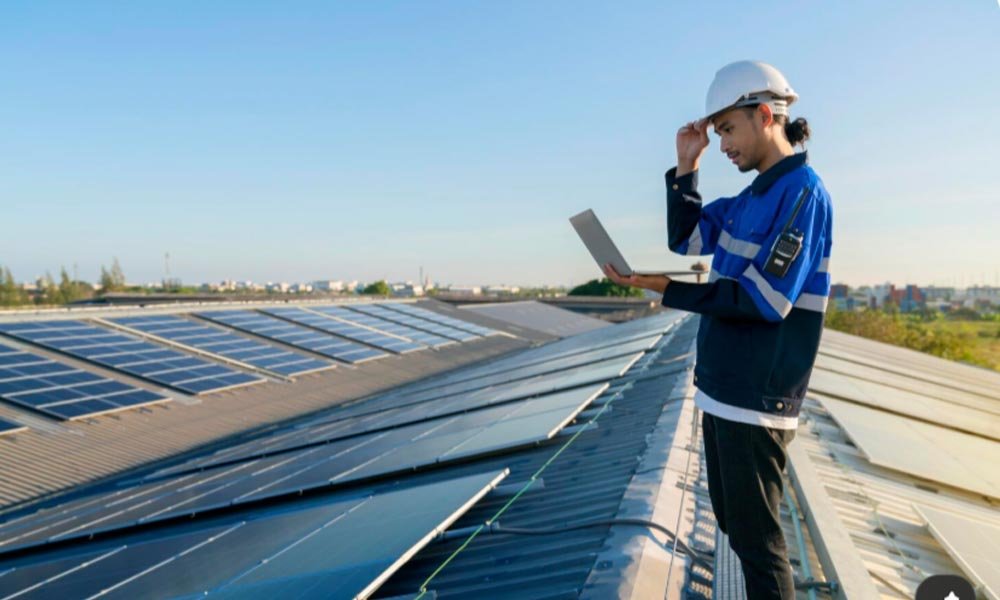
Electricity is a major operating expense for many commercial properties in Phoenix. Warehouses, offices, retail centers, and manufacturing facilities often require substantial power for lighting, cooling, equipment, and daily operations. With Arizona receiving abundant sunshine throughout the year, rooftop solar offers businesses an opportunity to generate electricity directly from their buildings. However, a successful project requires proper planning, suitable equipment, and an understanding of the property’s energy requirements.
1. Evaluate Your Commercial Roof
When it comes to commercial rooftop solar installation in Phoenix, the initial step is determining if the roof of the building can support solar panels. Installation is affected by roof size, structural strength, condition and orientation. If you have a large roof, you might be able to fit a large solar panel installation but not necessarily every part of the roof.
Additionally, the age of the roof and remaining service life should be taken into account. If repairs or replacement is required in the near future, then it may be best to undertake the task before installing the solar panels to avoid extra costs in the future. During the professional roof inspection, it will be possible to identify structural concerns, leaks, drainage concerns and other potential installation issues.
2. Understand Your Electricity Consumption
Business owners should be knowledgeable about the electricity usage for their facilities before selecting a solar system. Looking at your utility bills from the past month or year will give you valuable data regarding your monthly consumption, seasonal trends and peak demand. This information comes in handy when deciding how much electricity a solar installation should strive to produce.
Times of operation are important too. Solar power consumption could be higher for businesses with higher electricity usage during the day. The energy needs of warehouses, offices and retail premises can differ, and it is important to size the system for the actual energy needs and not just the roof space.
3. Choose Suitable Solar Equipment
Typical rooftop commercial solar systems include solar panels, inverters, mounting equipment, wiring, and electrical protection devices. All the parts play their part in the overall performance and reliability of the system. Before a company accepts an equipment installation proposal, it should check the specifications and warranties of the equipment.
The hot climate in Phoenix is also a consideration for equipment selection. The efficiency of solar panels decreases with higher operating temperature, so it is important to consider the temperature properties of solar panels and their design when installing them. Operating conditions may be controlled by the use of proper mounting and ventilation. It is equally essential to have a proper inverter, as this is responsible for converting the electricity generated by the panels into electricity that can be utilized by the building.
4. Review Permits and Electrical Requirements
Typically, commercial solar installations need applicable building and electrical permits. Depending on the system and location of the property, projects may also require structural review, utility interconnection approval and inspection. These requirements ensure the installation meets the relevant safety requirements and building regulations.
The current electrical system should also be assessed. Modifications to the electrical panel, upgrades to the wiring or other work may be necessary for some commercial buildings before a solar system can be connected. These requirements can be identified as part of the planning process so that the businesses can know what the entire scope of work will be and what work might be unexpected during the installation process.
5. Understand Installation and Maintenance
When the design, the equipment and the approvals are all complete, the installation process can start. This usually involves roof preparation, erecting support systems, attaching solar panels, wiring the system, and integrating the panel with the building’s electrical system. The schedule will vary based on project size, roof conditions and approval needs.
Regular monitoring following commissioning can be used to monitor electricity production and unexpected performance changes. Output can be reduced over time due to the accumulation of dust, failures and damage to equipment. Regular inspections and cleaning, as needed, ensure reliable operation.
Planning Your Commercial Solar Project
Before investing, businesses should compare installation proposals, expected energy production, equipment warranties, and total project costs. A detailed assessment makes it easier to select a system that matches the property’s requirements and long-term energy goals. For businesses considering rooftop solar in Phoenix, AZ Commercial Solar Installers provides commercial solar panel installation, electrical wiring, and integration services.

How to Write an eBook to Generate Leads and Build Authority

Phoenix’s Holiday Travel Season Begins: What Drivers Should Know Before Thanksgiving and Christmas Road Trips

Buying This Shop as a Gift, With No Size Chart to Lean On

Ten to Fifteen Days, or Five: What Each Shipping Tier Buys

How Newsrooms Can Use AI Drafting Without Losing Editorial Standards

A Practical Guide to Organizing Records for a U.S. Investor Immigration Case

How to Prepare a Used Boat for Sale: A Clear Checklist for Owners

Commercial Rooftop Solar Installation in Phoenix: A Complete Guide for Business Owners

11 Creative Ways to Decorate Your Home with Willow Storage Baskets

Sammy Hagar Net Worth: Cabo Wabo, Cars, Homes, and His Huge Fortune

Buying Property Through Your Super? Run an SMSF Loan Calculator Before You Call a Broker

How to Make Kofta Kebabs at Home Without Overthinking It

NF Net Worth: How the Rapper Turned Pain Into Millions

Michele Morrone Net Worth: His Salary, Earnings, and Rich Life

Who Is Ariane Bourdain? All About Anthony Bourdain’s Daughter

Oleksandra Zelenska: Who Is Volodymyr Zelensky’s Daughter?

How Interactive Step-by-Step Guides Make Tech Easier to Learn

Who Is Leonard Francois? Meet Naomi Osaka’s Father and First Tennis Coach

Ethan Klein Net Worth: YouTube H3 Podcast and His Wealth

Hi3D: Accelerating Creative Prototyping with AI-Powered 3D Design
How to Write an eBook to Generate Leads and Build Authority
Phoenix’s Holiday Travel Season Begins: What Drivers Should Know Before Thanksgiving and Christmas Road Trips
Buying This Shop as a Gift, With No Size Chart to Lean On
Ten to Fifteen Days, or Five: What Each Shipping Tier Buys
How Newsrooms Can Use AI Drafting Without Losing Editorial Standards
A Practical Guide to Organizing Records for a U.S. Investor Immigration Case
How to Prepare a Used Boat for Sale: A Clear Checklist for Owners
Commercial Rooftop Solar Installation in Phoenix: A Complete Guide for Business Owners
11 Creative Ways to Decorate Your Home with Willow Storage Baskets






