
Business
How to Prepare a Used Boat for Sale: A Clear Checklist for Owners

Key Takeaways
- Cleanliness, organized records, and working basics make a boat easier to evaluate.
- Address safety, reliability, and usability concerns before considering cosmetic upgrades.
- Use current photos and an accurate description that includes normal wear and known issues.
- Set a realistic price by comparing similar boats, equipment, condition, and local demand.
- Have title, lien, payment, and transfer details ready before a buyer is found.
Preparing a used boat for sale is about reducing uncertainty for the next owner. Whether you are listing it privately or exploring options for selling my boat, a clean presentation, clear records, and straightforward answers can make the process more manageable.
A boat does not need to look brand new to be ready for the market. It should accurately show how it has been cared for. Clutter, odors, dead batteries, missing paperwork, and unexplained equipment problems can distract buyers from the boat’s genuine strengths.
Why Preparation Matters Before Listing
Buyers often use visible details to form an impression of overall care. A tidy cockpit, dry storage compartments, organized service receipts, and a boat that starts and operates normally give them a clearer basis for inspection. Preparation also gives you time to find issues before a showing, rather than being surprised by them during a buyer’s visit.
Start several weeks before you hope to list the boat, if possible. That time can be used for cleaning, basic repairs, photos, document collection, and scheduling service. It also leaves room for a buyer to arrange an inspection, survey, mechanical review, or water test.
For owners comparing their options, reviewing the information boat dealers in Missouri request can help identify the details buyers commonly want to know, including the boat’s year, model, engine, hours, condition, and equipment.
- Clean and Declutter From Bow to Stern
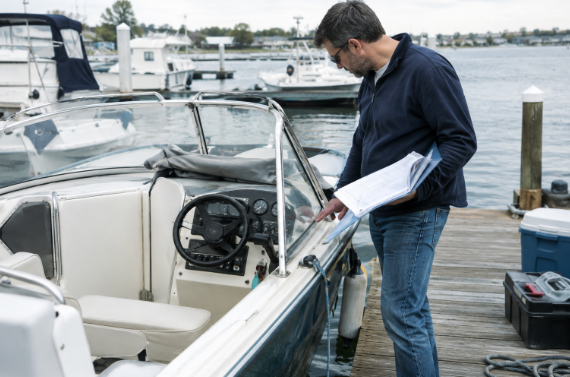
Clean the hull, deck, cockpit, helm, seating, storage areas, cabin, bilge, and trailer, if included. Remove clothing, food, loose tools, fishing gear, personal décor, old paperwork, and any items not part of the sale. Keep only equipment you intend to include, and make a list of it.
Wash dirt, salt residue, stains, and ordinary grime, but do not try to cover damage or conceal leaks. Check for mildew, standing water, clogged drains, worn upholstery, peeling finishes, cracked hardware, and signs of corrosion. A buyer may still accept an older cosmetic flaw when it is visible and honestly described.
- Test Mechanical Systems and Safety Equipment
Before taking photos or scheduling showings, test the engine, steering, trim, gauges, switches, batteries, bilge pump, horn, navigation lights, and installed electronics. Inspect visible fuel lines, hoses, clamps, belts, wiring, battery terminals, and connections for obvious wear or corrosion. Record the engine-hour reading when it is available.
If a trailer is part of the sale, inspect its tires, lights, coupler, winch, bunks, frame, bearings, and safety chains. Trailer problems can affect whether a buyer can safely take the boat home, so they deserve the same attention as the vessel itself.
Review onboard equipment separately from the boat’s systems. The safety equipment checklist provided through the U.S. Coast Guard boating resources can help you review common items and request a vessel safety check. Identify equipment that works, equipment that is outdated, and equipment that will not be included.
- Choose Repairs Carefully
Prioritize repairs that affect safety, reliability, or basic operation. Replacing a failed battery, repairing trailer lights, tightening loose hardware, or correcting a minor leak may be worthwhile, as these issues can interfere with an inspection or test run. Keep receipts for completed work and note the date of service.
Be cautious about expensive upgrades completed solely for resale. New electronics, custom upholstery, or major cosmetic changes may make the boat more appealing, but they do not always return their full cost. When a larger issue remains unresolved, accurate disclosure is generally more useful than a temporary cosmetic fix.
- Build a Complete Records Folder
Create a printed folder, a digital folder, or both. Include maintenance invoices, repair receipts, winterization records, manuals, warranty details, prior survey reports, and documentation for upgrades. Add a simple list of included items, such as covers, electronics, safety gear, spare parts, anchors, or fishing accessories.
Do not guess about missing records, engine hours, or past repairs. Instead, state what you know, identify what is unavailable, and keep the information consistent in conversations, photos, and the listing description.
- Price, Photograph, and Describe the Boat Clearly
Set a fair asking price
Compare similar boats by make, model, year, length, engine type, approximate hours, equipment, trailer status, and condition. Look at several current listings rather than one unusually high or low example. Asking prices are not necessarily final sale prices, so leave room for the fact that condition and documentation can affect a buyer’s offer.
Take current photos
Use daylight and photograph the bow, stern, hull sides, deck, cockpit, helm, seating, storage, cabin, engine area, bilge, and trailer. Include close views of major equipment and normal wear. Avoid heavy filters or old photos that no longer reflect the boat’s condition.
Write an honest listing
Lead with facts: year, make, model, length, engine details, approximate hours, service history, storage history, included equipment, and known issues. Explain how the boat was used, such as fishing, cruising, watersports, or family outings. State what is not included so buyers do not make assumptions.
- Prepare for Inspections, Payment, and Transfer
Expect questions about ownership, maintenance, storage, repairs, engine hours, use, and the reason for selling. Decide in advance how inspections, water tests, haul-outs, mechanic time, launch fees, and fuel costs will be handled. Put inspection deadlines, deposits, included equipment, and any agreed conditions in writing.
Before accepting an offer, confirm that the ownership documents match the boat’s identification information and check for outstanding loans or liens. Prepare a detailed bill of sale identifying the buyer, seller, boat, engine, trailer, included equipment, price, and date. Missouri owners can review boat titling and registration requirements before closing, particularly when titles, registrations, outboard motors, or lien releases are involved.
Final Pre-Listing Checklist
- Clean the boat, remove personal items, and inspect the trailer.
- Test major systems, safety equipment, batteries, and electronics.
- Complete sensible repairs and save related invoices.
- Gather ownership papers, service records, manuals, and lien information.
- Use current photos and write a complete, accurate description.
- Set expectations for inspections, payment verification, and final handoff.
Conclusion
A successful used-boat sale begins before the listing is published. By cleaning thoroughly, checking essential systems, documenting maintenance, pricing realistically, and organizing transfer paperwork, you make it easier for serious buyers to evaluate the boat. Honest preparation helps prevent delays and supports a smoother handoff for everyone involved.

How Newsrooms Can Use AI Drafting Without Losing Editorial Standards

A Practical Guide to Organizing Records for a U.S. Investor Immigration Case

How to Prepare a Used Boat for Sale: A Clear Checklist for Owners

Commercial Rooftop Solar Installation in Phoenix: A Complete Guide for Business Owners

11 Creative Ways to Decorate Your Home with Willow Storage Baskets

John Leguizamo Net Worth: His Wealth, Income, and Real Estate

Ethan Suplee Net Worth: How the Famous Actor Made His Millions

Juice WRLD Net Worth: His Music, Millions, and Lasting Fame

Will Tennyson Net Worth: How Much Does the Fitness Star Make?

Maitland Ward Net Worth: How She Built Her $4 Million Fortune

Buying Property Through Your Super? Run an SMSF Loan Calculator Before You Call a Broker

How to Make Kofta Kebabs at Home Without Overthinking It

NF Net Worth: How the Rapper Turned Pain Into Millions

Naomi Burton-Crews: The Heartwarming Story of Terry Crews’ Eldest Child

Michele Morrone Net Worth: His Salary, Earnings, and Rich Life

Who Is Ariane Bourdain? All About Anthony Bourdain’s Daughter

Oleksandra Zelenska: Who Is Volodymyr Zelensky’s Daughter?

How Interactive Step-by-Step Guides Make Tech Easier to Learn

Who Is Leonard Francois? Meet Naomi Osaka’s Father and First Tennis Coach

Hi3D: Accelerating Creative Prototyping with AI-Powered 3D Design
How Newsrooms Can Use AI Drafting Without Losing Editorial Standards
A Practical Guide to Organizing Records for a U.S. Investor Immigration Case
How to Prepare a Used Boat for Sale: A Clear Checklist for Owners
Commercial Rooftop Solar Installation in Phoenix: A Complete Guide for Business Owners
11 Creative Ways to Decorate Your Home with Willow Storage Baskets
John Leguizamo Net Worth: His Wealth, Income, and Real Estate
Ethan Suplee Net Worth: How the Famous Actor Made His Millions
Juice WRLD Net Worth: His Music, Millions, and Lasting Fame
Will Tennyson Net Worth: How Much Does the Fitness Star Make?






