Health
How Fentanyl Detox Works: What to Expect

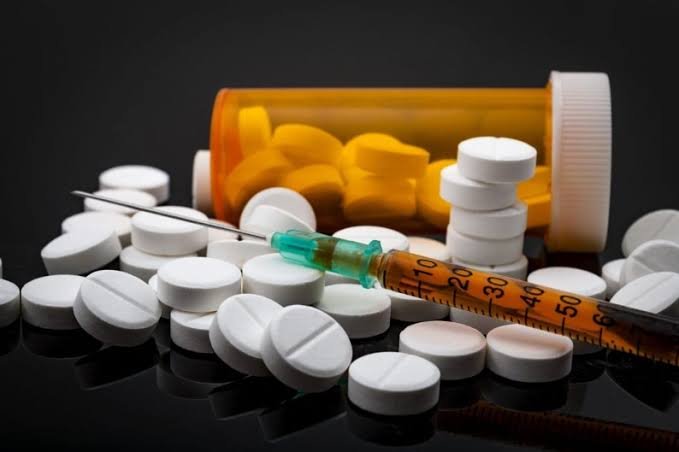
Fentanyl has changed the opioid crisis in ways that most people did not anticipate even a decade ago. It is roughly 100 times more potent than morphine, and because illicit versions of it are now pressed into counterfeit pills or mixed into other street drugs, people sometimes develop a physical dependence on it without ever knowing they were exposed. When someone finally decides to stop, the question almost everyone asks first is the same: what is actually going to happen to my body, and how bad is it going to get?
This article walks through the physiology of opioid withdrawal, what a medically supervised detox timeline looks like, the medications that make the process safer, and why the period after detox matters just as much as the detox itself. Understanding the full picture helps people make better decisions for themselves or for someone they care about.
Why Fentanyl Withdrawal Hits Differently
All opioids work by binding to mu-opioid receptors in the brain and body. With regular use, the brain adjusts its own chemistry to compensate for the constant presence of the drug. When the drug is removed, that adjusted chemistry is suddenly unbalanced, and the body goes into a kind of alarm state. That alarm state is withdrawal.
Fentanyl is particularly disruptive during withdrawal for a few reasons. First, its potency means the brain has adapted to an extremely strong opioid signal. Second, synthetic opioids like fentanyl and its analogs can accumulate in fatty tissue, which sometimes causes withdrawal symptoms to fluctuate in ways that feel unpredictable. Third, the illegal drug supply now contains a range of fentanyl analogs, including carfentanil, acetylfentanyl, and others, some of which have different half-lives and receptor profiles than pharmaceutical fentanyl. That variability makes the withdrawal experience harder to standardize.
The Drug Enforcement Administration reported in 2023 that fentanyl was present in nearly 70 percent of all drug overdose deaths in the United States. That figure reflects not just the drug’s lethality at high doses but also how thoroughly it has replaced heroin and other opioids in the illicit supply. For anyone attempting to stop using opioids today, there is a good chance fentanyl is part of what their body has adapted to.
The Withdrawal Timeline: What Research Shows
Opioid withdrawal follows a fairly predictable arc, though the exact timing depends on the specific drug, the dose, the duration of use, and individual biology. The table below gives a general framework for what fentanyl withdrawal tends to look like when it is not medically managed.
| Phase | Approximate Timing | Common Symptoms |
| Early onset | 8 to 24 hours after last dose | Anxiety, restlessness, yawning, watery eyes, mild muscle aches |
| Peak symptoms | 24 to 72 hours after last dose | Severe muscle cramps, vomiting, diarrhea, chills, insomnia, elevated heart rate |
| Subsiding acute phase | Days 4 to 7 | Physical symptoms begin to ease; psychological symptoms remain strong |
| Post-acute withdrawal | Weeks to months after | Mood instability, cravings, sleep disruption, low motivation |
Post-acute withdrawal syndrome, often called PAWS, is the phase that catches many people off guard. The worst physical symptoms are behind them, but the brain’s reward and stress systems are still recalibrating. Cravings can surge without obvious triggers. Sleep may remain poor for months. This is one of the core reasons that detox alone, without follow-up treatment, has a very high relapse rate.
Medically Supervised Detox: What It Involves
Medical detox is not simply a place to wait out the worst symptoms. Done properly, it involves continuous clinical assessment, medication management, and stabilization before the transition to a longer-term treatment setting. For anyone coming off high doses of fentanyl or synthetic opioids, medical supervision is considered the standard of care by addiction medicine specialists.
During fentanyl/synthetic opioid detox, clinicians typically use validated assessment tools such as the Clinical Opiate Withdrawal Scale, known as COWS, to measure symptom severity at regular intervals and adjust medications accordingly. This prevents both under-treatment, which leaves people in unnecessary distress, and over-treatment, which carries its own risks.
Medications Used in Opioid Detox
Three medications are most commonly used during opioid detox, and each works differently. Understanding what they do helps clarify why medication-assisted approaches produce better outcomes than withdrawal without support.
- Methadone: A long-acting opioid agonist that occupies the same receptors as fentanyl, reducing withdrawal symptoms while preventing euphoria at therapeutic doses. It is typically used as a maintenance medication rather than a short-term detox agent, though it can be tapered slowly over time.
- Buprenorphine (Suboxone when combined with naloxone): A partial agonist that blunts withdrawal symptoms and cravings with a ceiling effect that makes it safer in overdose than full agonists. Research published in JAMA Psychiatry has consistently found that buprenorphine maintenance significantly reduces opioid use and overdose mortality.
- Clonidine: An alpha-2 adrenergic agonist that addresses many of the autonomic symptoms of withdrawal, including elevated blood pressure, sweating, and anxiety, without itself being an opioid. It is often used alongside buprenorphine or for patients who cannot access opioid agonist therapy.
- Naltrexone: An opioid antagonist used after the acute detox phase is complete. It blocks opioid receptors entirely, so any opioid use produces no effect. It requires a full detox before starting, since taking it during active dependence triggers precipitated withdrawal.
Inpatient Versus Outpatient Detox Settings
The right setting depends on the clinical picture. Inpatient or residential detox is generally recommended when someone has a long history of heavy use, previous complicated withdrawals, unstable housing, co-occurring mental health conditions, or limited social support. The 24-hour monitoring reduces the risk of a medical emergency going unaddressed and removes the person from environments associated with drug use.
Outpatient detox can work well for people with shorter use histories, strong support systems at home, and no prior complicated withdrawals. It requires reliable transportation, a stable living environment, and a genuine ability to attend daily or near-daily appointments. For anyone with moderate to severe fentanyl dependence, outpatient detox is usually not the first recommendation from addiction medicine clinicians.
The Role of Mental Health in Opioid Recovery
Opioid use disorder and mental health conditions frequently co-occur. Studies from the Substance Abuse and Mental Health Services Administration have found that roughly half of people with a substance use disorder also meet criteria for at least one mental health condition. Depression, anxiety, PTSD, and bipolar disorder are among the most common. When these conditions go unaddressed during and after detox, they become significant drivers of relapse.
Effective detox programs screen for co-occurring conditions and begin addressing them in parallel with the physical withdrawal process. This might mean starting an antidepressant, initiating trauma-focused therapy, or simply ensuring that someone has a psychiatric appointment scheduled before they leave the detox unit. The gap between detox discharge and the next clinical contact is one of the highest-risk periods in early recovery.
What Comes After Detox and Why It Matters
Detox is a medical event. Recovery is a process. These two things are not the same, and confusing them is one of the most common and costly mistakes people make when trying to understand addiction treatment.
After the acute phase is complete, most treatment guidelines recommend transitioning directly into a structured treatment program, whether that is a residential rehabilitation program, an intensive outpatient program, or at minimum a consistent schedule of outpatient counseling combined with medication management. The American Society of Addiction Medicine’s national practice guidelines emphasize that medications like buprenorphine and methadone should be continued for at least a year, and often longer, because the data shows better outcomes with extended treatment.
Peer support also plays a documented role in sustained recovery. Programs like SMART Recovery and 12-step groups provide social accountability and community at no cost. Some people find that peer recovery coaches, individuals with lived experience of addiction who now work in support roles, are particularly effective bridges between clinical treatment and daily life.
- Complete medically supervised detox and stabilize on appropriate medications before transitioning.
- Get a formal assessment for co-occurring mental health conditions during or immediately after detox.
- Enroll in a structured treatment program rather than relying on willpower alone after discharge.
- Continue medication-assisted treatment for the duration recommended by your prescribing clinician, not just until you feel better.
- Build a peer or community support network to reduce isolation during the post-acute withdrawal phase.
- Develop a relapse prevention plan with a counselor that includes specific steps for high-risk situations.
Putting the Pieces Together
Withdrawing from fentanyl and other synthetic opioids is physically demanding and psychologically complex. The symptoms are real, the timeline is predictable enough to plan around, and the medications available today make the process significantly safer and more manageable than it was even ten years ago. What has not changed is the importance of treating the whole picture: the physical dependence, the mental health piece, and the longer-term work of rebuilding a life without opioids. Detox opens the door. What happens next determines whether someone walks through it.

Bipolar Disorder: Symptoms, Types, and What Helps

Heroin Withdrawal: What to Expect and How Treatment Works

How Cocaine Affects the Mouth and Oral Health

How Fentanyl Detox Works: What to Expect

How Trauma Rewires the Brain and What Helps

How to Choose the Right Alcohol or Drug Rehab

Pets and Eating Disorder Recovery: What You Should Know

BPD and Relationships: What You Need to Know

Mental Health Treatment Levels: A Complete Guide

Short-Term Therapy: Does Brief Counseling Actually Work?

How to Make Kofta Kebabs at Home Without Overthinking It

Michele Morrone Net Worth: His Salary, Earnings, and Rich Life

Oleksandra Zelenska: Who Is Volodymyr Zelensky’s Daughter?

Ethan Klein Net Worth: YouTube H3 Podcast and His Wealth

Parke Official and Mixed Emotions: Everyday Style Meets Modern Streetwear

Patricia Azarcoya Schneider: Everything You Need to Know About Rob Schneider’s Wife

Who Is Angel Iris Murphy Brown? All About Mel B’s Child

Phil Wickham Net Worth: His YouTube Income, Tours, and Wealth

Beyond the Interior: Home Improvements That Transform Your Entire Property

Kai Dugan: Everything to Know About Jennifer Connelly’s Son
Bipolar Disorder: Symptoms, Types, and What Helps
Heroin Withdrawal: What to Expect and How Treatment Works
How Cocaine Affects the Mouth and Oral Health
How Fentanyl Detox Works: What to Expect
How Trauma Rewires the Brain and What Helps
How to Choose the Right Alcohol or Drug Rehab
Pets and Eating Disorder Recovery: What You Should Know
BPD and Relationships: What You Need to Know
Mental Health Treatment Levels: A Complete Guide