Health
Teeth Whitening: What Actually Works and Why

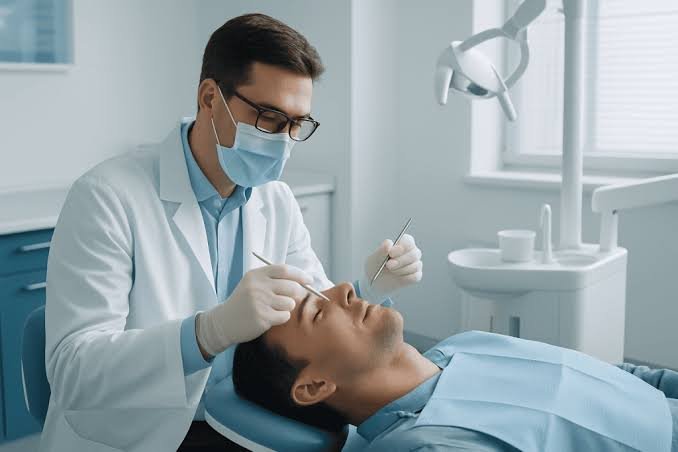
Most people want a brighter smile, but the sheer number of whitening products on store shelves can make the whole thing feel overwhelming. Strips, trays, LED kits, charcoal pastes, whitening toothpastes. Each one promises dramatic results, and very few of them explain what is actually happening inside your tooth when you use them. Understanding the science behind whitening cuts through a lot of that noise and helps you make smarter decisions about your own teeth.
This article covers how tooth discoloration forms, how the main whitening methods work at a chemical level, what you can realistically expect from each option, and which factors most affect your final result. Whether you are exploring at-home products or considering a professional treatment, the information here gives you a solid foundation.
Why Teeth Discolor in the First Place
Tooth color is determined by two layers working together. The outer layer, enamel, is semi-translucent. The inner layer, dentin, is naturally yellow. When enamel is thick and healthy, it reflects light well and the dentin shows through less. As enamel thins or picks up surface stains, the overall tooth appears darker or more yellow.
Dentists generally classify stains into two categories. Extrinsic stains sit on the surface of the enamel and come from food, beverages, and tobacco. Coffee, red wine, tea, and berries are common culprits because they contain chromogens, which are intensely pigmented compounds that bind to enamel protein. Intrinsic stains are located inside the tooth structure itself. These form from sources like tetracycline use during childhood, excessive fluoride exposure during tooth development, or the natural aging process as dentin gradually darkens over time.
This distinction matters because extrinsic and intrinsic stains respond differently to whitening treatments. Surface stains are generally much easier to lift. Deep intrinsic discoloration can be resistant even to professional-grade bleaching agents.
The Chemistry Behind Whitening Agents
Almost every effective whitening product relies on one of two active ingredients: hydrogen peroxide or carbamide peroxide. Carbamide peroxide breaks down into hydrogen peroxide once it contacts saliva, so both ultimately work through the same mechanism. The peroxide molecule is small enough to pass through the enamel and enter the dentin. Once inside, it triggers an oxidation reaction that breaks apart the long carbon-chain molecules responsible for staining. Those broken chains reflect light differently, which is what makes the tooth appear whiter.
Concentration levels vary significantly across products. Over-the-counter strips typically contain 6 to 10 percent hydrogen peroxide. Professional take-home trays often use 10 to 22 percent carbamide peroxide. In-office treatments can use hydrogen peroxide concentrations ranging from 25 to 40 percent, though the contact time is carefully controlled by a dental professional to minimize risk.
Light-activated systems, the LED or laser setups you see in both dental offices and at-home kits, are designed to accelerate the peroxide reaction. The evidence on whether light actually improves final results is mixed. A review published in the Journal of the American Dental Association found that light activation may speed up the whitening process during a session but does not reliably produce a greater shade change compared to peroxide alone over the same treatment period.
Comparing the Main Whitening Options
Every whitening method has trade-offs around cost, convenience, speed, and the degree of shade change you can expect. The table below summarizes the most common options side by side.
| Method | Active Agent Concentration | Typical Treatment Duration | Expected Shade Change | Relative Cost |
| Whitening toothpaste | Abrasives + low peroxide or enzymes | Ongoing daily use | 1 to 2 shades (surface only) | Low |
| OTC whitening strips | 6 to 10% hydrogen peroxide | 10 to 30 minutes daily, 2 to 4 weeks | 2 to 5 shades | Low to moderate |
| Take-home tray (dentist) | 10 to 22% carbamide peroxide | 30 to 60 minutes daily, 1 to 3 weeks | 4 to 8 shades | Moderate |
| In-office professional | 25 to 40% hydrogen peroxide | 60 to 90 minutes, single visit | 5 to 10 shades | Higher |
Shade change estimates are averages based on clinical studies and can vary depending on your starting tooth color, the nature of your staining, and how consistently you follow the treatment protocol. Intrinsic discoloration, particularly tetracycline staining, often falls at the low end of any range regardless of which method is used.
Sensitivity and Enamel Safety: What the Research Shows
Tooth sensitivity is the most common side effect of whitening, and it stops a lot of people from finishing their treatment. The peroxide temporarily increases the permeability of enamel, allowing fluids to shift more freely inside the tiny tubules of dentin. That fluid movement stimulates the nerve, causing the sharp, brief pain many people describe as a zing or twinge, especially with cold temperatures.
The good news is that sensitivity from whitening is almost always temporary. For most people it resolves within 24 to 48 hours of stopping or pausing treatment. Using a toothpaste formulated with potassium nitrate before and during whitening has been shown in several clinical studies to reduce sensitivity meaningfully. Your dentist may also recommend a fluoride application after in-office treatments to help remineralize enamel.
Concerns about permanent enamel damage from peroxide-based whitening have been studied extensively. When used as directed, at appropriate concentrations and contact times, hydrogen peroxide does not cause measurable enamel loss. Problems arise mainly from overuse, using products not designed for teeth, or applying them far more frequently than recommended.
Who Should Be Cautious
- People with significant gum recession, since exposed root surfaces (cementum) are more porous than enamel and absorb peroxide unevenly.
- Anyone with active cavities or cracked teeth, because peroxide can penetrate damaged enamel and irritate the pulp.
- Pregnant or nursing individuals, as a precaution since there is limited safety data specific to this group.
- People with crowns, veneers, or bonding on front teeth, because these materials do not respond to peroxide and will stay their original shade while natural teeth lighten.
Factors That Determine Your Results
Two people using the exact same product for the same number of days can end up with noticeably different results. Several variables account for this.
Starting shade matters a great deal. Teeth that are mildly yellowed tend to respond faster and more dramatically than teeth that are heavily stained or grayish in tone. The source of the discoloration is equally important. Extrinsic coffee and wine stains tend to lift well. Age-related yellowing responds reasonably well. Tetracycline staining is significantly more stubborn and often requires extended treatment periods or alternative approaches like porcelain veneers.
Consistency and compliance with the treatment protocol matter more than most people expect. Skipping sessions, leaving strips on for less than the recommended time, or using a tray that fits poorly and allows saliva to dilute the gel all reduce efficacy. When getting your teeth whitened through a dental office, the dentist can take custom impressions for a tray that fits precisely and minimizes gel leakage, which is one meaningful advantage of professional treatment over generic at-home kits.
Diet and habits during and after whitening also play a role. The 48 hours immediately following treatment are sometimes called the “white diet” window. Enamel is temporarily more porous right after whitening, making it easier for new stains to set. Avoiding deeply pigmented foods and beverages during this window helps protect the results you worked to achieve.
How Long Results Last
Whitening results are not permanent. Teeth naturally pick up new stains over time, and dentin continues to darken slightly with age. That said, most people maintain their results for anywhere from six months to two years, depending on diet, oral hygiene, and whether they use any maintenance products.
- Brush twice daily with a fluoride toothpaste. Consider a whitening toothpaste a few times per week to manage surface stains between treatments.
- Rinse with water after consuming coffee, tea, or red wine if brushing right away is not practical.
- Schedule periodic touch-up treatments. Even a few days with a lower-concentration take-home tray once or twice a year can extend professional results significantly.
- Get regular professional cleanings. Removing tartar and surface buildup allows whitening agents to contact clean enamel more evenly.
Lifestyle habits are probably the single biggest predictor of how long whitening lasts. Someone who drinks three cups of coffee daily without rinsing or brushing afterward will see their results fade much faster than someone who is more mindful about staining foods.
A Few Words on Whitening Products to Approach with Skepticism
Activated charcoal products have become popular on social media, often marketed as a natural alternative to peroxide-based whitening. The concern among dental researchers is that charcoal is highly abrasive. It may remove some surface stains in the short term, but repeated use can physically wear down enamel, which is irreversible. A 2019 review in the British Dental Journal examined 50 charcoal dental products and found that none of them had sufficient clinical evidence to support their safety or efficacy claims.
Oil pulling, the practice of swishing coconut or sesame oil for 15 to 20 minutes, is sometimes credited with whitening teeth. There is currently no peer-reviewed clinical evidence that it changes tooth shade. It may have mild antimicrobial benefits, but as a whitening method it has no mechanism that would explain a shade change.
Lemon juice and baking soda combinations circulate as home remedies. Baking soda is a mild abrasive with some evidence for plaque removal. Lemon juice is acidic enough to soften enamel, and applying an abrasive to softened enamel is a recipe for accelerated erosion. This combination is best avoided entirely.
Teeth whitening is one of the most studied cosmetic dental procedures available, and when done correctly with established peroxide-based products, it is both safe and effective for most people. Knowing what type of staining you have, choosing an appropriate method for your situation, and following the protocol consistently gives you the best chance at a result you will actually be happy with. That knowledge, more than any single product, is what separates people who get great results from those who end up frustrated.

IT Support for Small Business: What You Need to Know

PPC Advertising: What Every Small Business Should Know

Teeth Whitening: What Actually Works and Why

Understanding Depression: Types, Signs, and Treatment

How Animals Support Mental Health Recovery

Teen Mental Health Warning Signs Parents Should Know

Bipolar Disorder: Symptoms, Types, and What Helps

Heroin Withdrawal: What to Expect and How Treatment Works

How Cocaine Affects the Mouth and Oral Health

How Fentanyl Detox Works: What to Expect

How to Make Kofta Kebabs at Home Without Overthinking It

Michele Morrone Net Worth: His Salary, Earnings, and Rich Life

Oleksandra Zelenska: Who Is Volodymyr Zelensky’s Daughter?

Ethan Klein Net Worth: YouTube H3 Podcast and His Wealth

Parke Official and Mixed Emotions: Everyday Style Meets Modern Streetwear

Patricia Azarcoya Schneider: Everything You Need to Know About Rob Schneider’s Wife

Who Is Angel Iris Murphy Brown? All About Mel B’s Child

Phil Wickham Net Worth: His YouTube Income, Tours, and Wealth

Beyond the Interior: Home Improvements That Transform Your Entire Property

Kai Dugan: Everything to Know About Jennifer Connelly’s Son
IT Support for Small Business: What You Need to Know
PPC Advertising: What Every Small Business Should Know
Teeth Whitening: What Actually Works and Why
Understanding Depression: Types, Signs, and Treatment
How Animals Support Mental Health Recovery
Teen Mental Health Warning Signs Parents Should Know
Bipolar Disorder: Symptoms, Types, and What Helps
Heroin Withdrawal: What to Expect and How Treatment Works
How Cocaine Affects the Mouth and Oral Health