
Blog
A Calmer Month End Starts With a Better Household Calendar

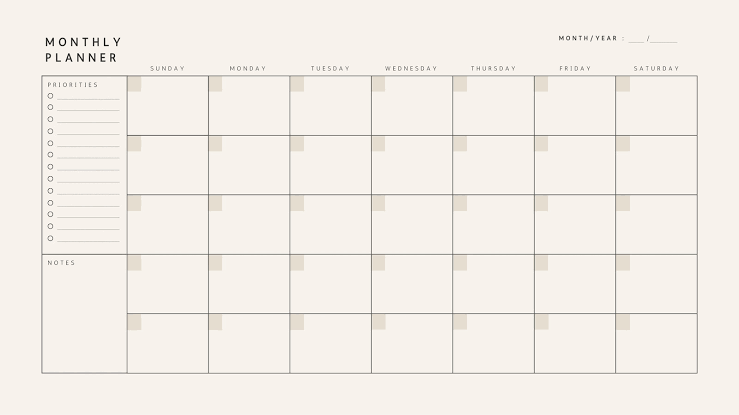
The last week before payday can feel more crowded than the rest of the month. A bill arrives, a subscription renews and a family plan needs paying for, even though each expense looked manageable on its own. Often the difficulty is seeing when the commitments meet, rather than remembering that they exist.
A household calendar can bring those dates into view. Put income, essential payments and upcoming decisions together, then look at the weeks between them. The aim is to spot pressure early enough to make a useful change, whether that means moving an optional plan, checking a bill or speaking to a provider.
Start with the dates that affect the bank balance
List regular income dates and the payments that leave automatically. Include rent or mortgage payments, utilities, transport costs and existing credit repayments. Check statements to confirm dates rather than relying on memory, especially where payments have changed recently.
Add less frequent costs such as an annual renewal, school expense or planned journey. A monthly budget can appear comfortable while leaving too little in the account for one busy week. Giving those costs a date makes the timing visible.
Keep estimated income clearly separate from money you know will arrive. Overtime, commissions or irregular work may not land when expected. If a payment date is uncertain, avoid building essential commitments around the most optimistic version of it. Update the calendar when the amount or date is confirmed.
Separate committed money from spending money
A bank balance does not show how much is safe to spend. Some of that money may already be needed for bills scheduled later in the week. Mark those commitments first and work out what remains before making plans for meals out, shopping or entertainment.
A separate bills account or budgeting pot can help some households, provided its use is clear and it does not create unnecessary fees. Others may prefer one account and a simple written list. Choose a system that the adults responsible for the money will actually maintain.
MoneyHelper’s budget planner provides a structured way to compare income and outgoings. Use it to build the overall picture, then place the relevant payments on the calendar. The budget answers whether spending fits; the calendar shows when it needs to fit.
Use reminders for decisions as well as payments
A reminder on the day a subscription renews may come too late to be useful. Set it before the cancellation or renewal deadline, leaving enough time to review the service. Check the notice period and terms rather than assuming that cancelling a payment ends the agreement.
Apply the same idea to family events. A birthday, trip or seasonal activity may involve several smaller purchases. An early reminder gives you time to decide what matters and check what is already available. It also makes it easier to agree a limit before shopping begins.
| Calendar entry | Add this detail | Useful action |
|---|---|---|
| Income date | Confirmed amount or estimate | Base essentials on reliable income |
| Regular bill | Amount and payment method | Reserve the money before spending |
| Renewal | Review and cancellation deadlines | Decide whether to keep the service |
| Family event | Cost limit and preparation date | Reuse suitable items and plan ahead |
| Irregular cost | Due date and expected amount | Set aside manageable sums early |
Give optional plans room to move
A calendar becomes useful when it changes decisions. If several commitments fall in the same week, look first at plans that can be moved or simplified. A home meal, a smaller gift or postponing a nonessential purchase may make the week easier without disturbing important payments.
Agree limits before booking or buying. Someone may assume an outing includes transport and food while another person has budgeted only for admission. Writing down the whole plan avoids finding those extra costs at the point where changing arrangements becomes inconvenient.
Use household projects as another place to plan ahead. Before buying organisers, clothes or furniture, check what is already in use and what problem the purchase will solve. The magazine’s guide to modern wardrobe designs offers inspiration for making storage work within a room. Start with the practical need and available space, then decide whether spending is necessary now.
Distinguish a timing problem from a lasting shortfall
An unexpected expense is different from regularly reaching payday without enough for essentials. The first calls for a decision about that particular cost. The second needs a wider review of income, bills and support, because rearranging dates alone will not make an unaffordable month affordable.
Speak to a provider early if a payment is becoming difficult. Ask what support or arrangements are available and what each option means for the account. Do not simply cancel a direct debit and assume the underlying bill has disappeared. Keep a record of any agreement and its dates.
Citizens Advice’s guidance on getting help with bills explains possible support when household costs are difficult to pay. Eligibility and available help depend on the bill and personal circumstances. Checking the relevant options early can give you more information before the next deadline.
Keep borrowing decisions separate from the rush
The pressure of an approaching payment date can narrow the choices you consider. Payday loans should be assessed against alternatives and the effect of repayment on the following month, rather than judged only by access to money now. Check the terms of the actual UK product being considered instead of assuming every option mentioned alongside that search works in the same way.
Look at APR, fees, repayment dates and the total amount repayable. Compare these with other suitable options and money genuinely available after essential spending. A repayment that appears manageable today may coincide with several bills later. Eligibility and suitability are individual, and an application does not guarantee approval.
Repeated borrowing to meet ordinary bills is a reason to seek free debt guidance. The calendar can reveal that pattern, but it cannot solve it through reminders. Getting help with the underlying shortfall is more useful than making the next month depend on another application.
Make the review short enough to repeat
Spend a few minutes each week checking the next fortnight. Update amounts that were estimates, record changed dates and remove completed tasks. Keep the calendar where it will be seen, whether that is a shared app, a notebook or a page beside the usual household planner.
At the end of the month, note one expense that surprised you and one change that helped. Add the lesson to the next calendar. A calm month end comes from making ordinary commitments visible early, leaving room to adjust optional plans and recognising when the household needs more support than a schedule can provide.

Andrew Frankel: Meet the Rich Businessman Who Married Bridget Moynahan

French Montana Net Worth: His Music Money, YouTube Income, and Real Estate

Edward Abel Smith: The Untold Story of Kate Winslet’s Husband

Dua Lipa Net Worth: Inside Her Music, Tours, and Huge Earnings

Kandi Burruss Net Worth: Music, TV, Business, and Her Wealth

Cristina Invernizzi: What We Know About Jordan Belfort’s Wife

Why Coastal Homeowners Need a Different Approach to Property Maintenance

Meredith Schwarz: Everything to Know About Pete Hegseth’s Ex-Wife

lice Cooper Net Worth: How Six Decades of Rock Made Him Rich

Tim Malone: Everything About Don Lemon’s Husband

Catherine Mooty: What Happened to Troy Aikman’s Ex-Wife?

Charfen.co.uk: What Is It and What Does It Offer?

Who Is Tamara Hurwitz? Meet Bill Pullman’s Wife

Voozon.com: Everything You Need to Know Before Using It

Diandra Luker: The Real Story of Michael Douglas’ Ex-Wife

Jack Scott Ramsay: What Happened to Gordon Ramsay’s Son?

SoSoActive: Everything You Need to Know About the Digital Platform

The Story of Jeannine Belleguic: What Public Records Really Reveal

Noelle Watters: Where Is Jesse Watters’ First Wife Now?

Kerri Browitt Caviezel: Everything to Know About Jim Caviezel’s Wife
Andrew Frankel: Meet the Rich Businessman Who Married Bridget Moynahan
French Montana Net Worth: His Music Money, YouTube Income, and Real Estate
Edward Abel Smith: The Untold Story of Kate Winslet’s Husband
Dua Lipa Net Worth: Inside Her Music, Tours, and Huge Earnings
Kandi Burruss Net Worth: Music, TV, Business, and Her Wealth
Cristina Invernizzi: What We Know About Jordan Belfort’s Wife
Why Coastal Homeowners Need a Different Approach to Property Maintenance
Meredith Schwarz: Everything to Know About Pete Hegseth’s Ex-Wife
lice Cooper Net Worth: How Six Decades of Rock Made Him Rich
Tim Malone: Everything About Don Lemon’s Husband
-

 News2 months ago
Who Is Gigi Yallouz? Meet Owain Yeoman’s Wife and Jewelry Designer
-

 News2 months ago
Rajesh Nihalani: What We Know About Archie Panjabi’s Husband
-

 News1 month ago
Who Is Tove Torvalds? All About Linus Torvalds’ Wife
-

 News2 months ago
Stephan Farmiga: Everything to Know About Vera Farmiga’s Brother