
Blog
The Hidden Costs of Replacing a Household Appliance

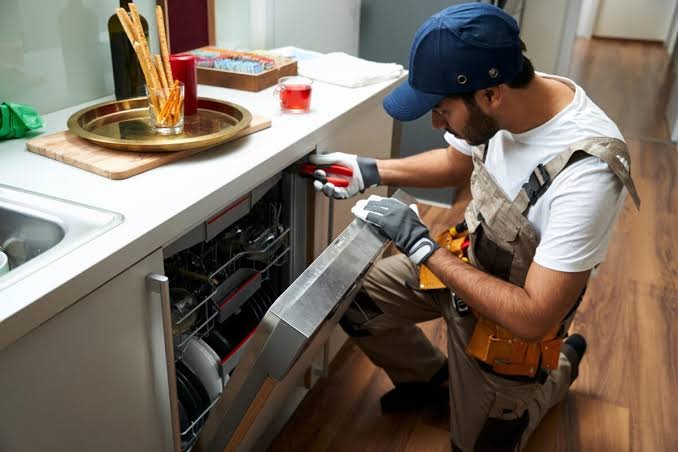
A washing machine stops halfway through a cycle, or a fridge no longer keeps food cold. The first instinct is often to find a replacement with an acceptable price and the earliest delivery date. Yet the figure beside the product photograph may cover only part of what the household will spend.
Delivery, installation, removal of the old appliance and small alterations can all change the final bill. A replacement also has to fit the space and the way the household uses it. Taking a little time to define the job can prevent a hurried purchase from becoming a more expensive project.
Establish whether a replacement is necessary
Start with the model number, age and description of the fault. Check the instructions for ordinary troubleshooting and any warranty or service cover. A blocked filter or a setting changed accidentally may need a different response from a major mechanical failure. Stop using an appliance if there is a safety concern, and use a qualified professional where appropriate.
Ask what a repair quotation includes. A call-out fee may be payable even if the appliance cannot be repaired, while parts and labour might be quoted separately. Find out whether the fee counts towards the repair and whether the work has a guarantee.
Compare that quote with a complete replacement cost. There is no single age at which every appliance should be discarded. The seriousness of the fault, availability of parts and condition of the machine matter alongside its age. Avoid paying for several speculative repairs without understanding what the engineer expects to resolve.
Measure the route as well as the space
A machine can fit a kitchen recess and still be difficult to bring into the house. Measure doorways, narrow corners and stairs before ordering. Check whether the delivery team needs clear access or expects the appliance to be left at the entrance.
For the appliance itself, allow for doors opening, hoses, sockets and any ventilation clearance specified by the manufacturer. Product depth can be particularly misleading if the measurement excludes a handle or leaves no room for connections behind the machine. Record the available space rather than relying on the dimensions of the old unit alone.
Integrated appliances need extra care. A cabinet door, hinge position or worktop clearance may create a compatibility issue that is not obvious in the listing. The magazine’s article on planning a remodel offers a related reminder to consider the practical work behind a finished room. Replacing one machine can expose the same need for accurate measurements and a clear scope.
Build a complete cost before comparing offers
Put the essential charges on one list and use it for every retailer. A lower product price may be outweighed by delivery and installation fees. Another offer may include a service that the household would otherwise have to arrange separately.
Read the installation conditions before paying. A basic connection service may assume that suitable plumbing, electrical supplies and access are already in place. It may exclude adjustments, repairs or work involving a gas supply. Ask who handles any extra work and obtain the cost before agreeing to it.
| Cost | What to check | Why it matters |
|---|---|---|
| Delivery | Access, time slot and included service | A basic drop-off may leave extra work |
| Installation | Connections and excluded alterations | Existing fittings may need attention |
| Old appliance | Disconnection and collection terms | Removal may be a separate charge |
| Accessories | Required hoses or fitting parts | Small extras change the checkout total |
| Running costs | Energy use and suitable capacity | Ownership continues after delivery |
Treat optional services separately. You may want an extended cover plan, but read what it covers, its exclusions and any overlap with existing protection. A checkout add-on should earn its place in the budget rather than be accepted because the purchase already feels urgent.
Match the machine to ordinary household use
Capacity and features should reflect what happens in your home. A large drum may be useful for a busy household that regularly fills it. It may offer little practical benefit if most washes are small. The same principle applies to an oversized fridge that occupies more space than its contents require.
Consider controls, noise and maintenance as well as appearance. An appliance that is easy for the people using it to operate may be a better choice than one with numerous programmes that rarely get used. Check whether filters and other routine maintenance points can be reached once the unit is installed.
Energy Saving Trust’s home appliance guidance explains energy labels and considerations when choosing household equipment. Compare the stated energy consumption of suitable models rather than judging efficiency solely by the product description. Actual household costs also depend on usage and the electricity tariff.
Work out what the household can afford
Decide the spending limit after identifying the full job. Separate the minimum suitable replacement from upgrades such as a different finish, larger capacity or smart controls. Those extras can be considered later if the essential purchase leaves room for them.
MoneyHelper’s budget planner can help organise income and outgoings. Use recent bills and statements, including existing repayments, to see what is available without taking money needed for essential commitments. A purchase budget is more useful when it includes the next few weeks, not just today’s bank balance.
An urgent replacement sometimes prompts a search for 500 loans, but the amount borrowed is only part of the decision. For a UK household considering credit, compare the interest, fees, repayment term and total amount repayable, then check whether repayments fit alongside essential bills. Approval and suitability depend on individual circumstances.
Consider alternatives before adding a repayment commitment. A repair, suitable refurbished appliance, temporary workaround or available savings may change the amount needed. If the budget already falls short on ordinary essentials, free debt advice is a better starting point than borrowing to cover a recurring gap.
Make delivery day part of the plan
Confirm when the old appliance must be disconnected, whether it needs to be empty and what the collection team will remove. Arrange qualified help for work you cannot safely carry out yourself. Clear the route without blocking essential access through the home.
Keep order details and photographs of the delivered item. Check for visible damage and confirm that the model supplied matches the purchase. Follow the manufacturer’s instructions before the first use, including any requirements after transport. Test the appliance while there is time to report a problem through the retailer’s process.
Once it is working, keep the manual and proof of purchase somewhere easy to find. Set reminders for the maintenance the manufacturer recommends. A carefully chosen replacement should solve the original problem without introducing avoidable fees, fitting difficulties or commitments that strain the household afterwards.

Andrew Frankel: Meet the Rich Businessman Who Married Bridget Moynahan

French Montana Net Worth: His Music Money, YouTube Income, and Real Estate

Edward Abel Smith: The Untold Story of Kate Winslet’s Husband

Dua Lipa Net Worth: Inside Her Music, Tours, and Huge Earnings

Kandi Burruss Net Worth: Music, TV, Business, and Her Wealth

Cristina Invernizzi: What We Know About Jordan Belfort’s Wife

Why Coastal Homeowners Need a Different Approach to Property Maintenance

Meredith Schwarz: Everything to Know About Pete Hegseth’s Ex-Wife

lice Cooper Net Worth: How Six Decades of Rock Made Him Rich

Tim Malone: Everything About Don Lemon’s Husband

Catherine Mooty: What Happened to Troy Aikman’s Ex-Wife?

Charfen.co.uk: What Is It and What Does It Offer?

Who Is Tamara Hurwitz? Meet Bill Pullman’s Wife

Voozon.com: Everything You Need to Know Before Using It

Diandra Luker: The Real Story of Michael Douglas’ Ex-Wife

Jack Scott Ramsay: What Happened to Gordon Ramsay’s Son?

SoSoActive: Everything You Need to Know About the Digital Platform

The Story of Jeannine Belleguic: What Public Records Really Reveal

Noelle Watters: Where Is Jesse Watters’ First Wife Now?

Kerri Browitt Caviezel: Everything to Know About Jim Caviezel’s Wife
Andrew Frankel: Meet the Rich Businessman Who Married Bridget Moynahan
French Montana Net Worth: His Music Money, YouTube Income, and Real Estate
Edward Abel Smith: The Untold Story of Kate Winslet’s Husband
Dua Lipa Net Worth: Inside Her Music, Tours, and Huge Earnings
Kandi Burruss Net Worth: Music, TV, Business, and Her Wealth
Cristina Invernizzi: What We Know About Jordan Belfort’s Wife
Why Coastal Homeowners Need a Different Approach to Property Maintenance
Meredith Schwarz: Everything to Know About Pete Hegseth’s Ex-Wife
lice Cooper Net Worth: How Six Decades of Rock Made Him Rich
Tim Malone: Everything About Don Lemon’s Husband
-

 News2 months ago
Who Is Gigi Yallouz? Meet Owain Yeoman’s Wife and Jewelry Designer
-

 News2 months ago
Rajesh Nihalani: What We Know About Archie Panjabi’s Husband
-

 News1 month ago
Who Is Tove Torvalds? All About Linus Torvalds’ Wife
-

 News2 months ago
Stephan Farmiga: Everything to Know About Vera Farmiga’s Brother