
Blog
Navigator Pear Tree: Everything You Need to Know Before Planting

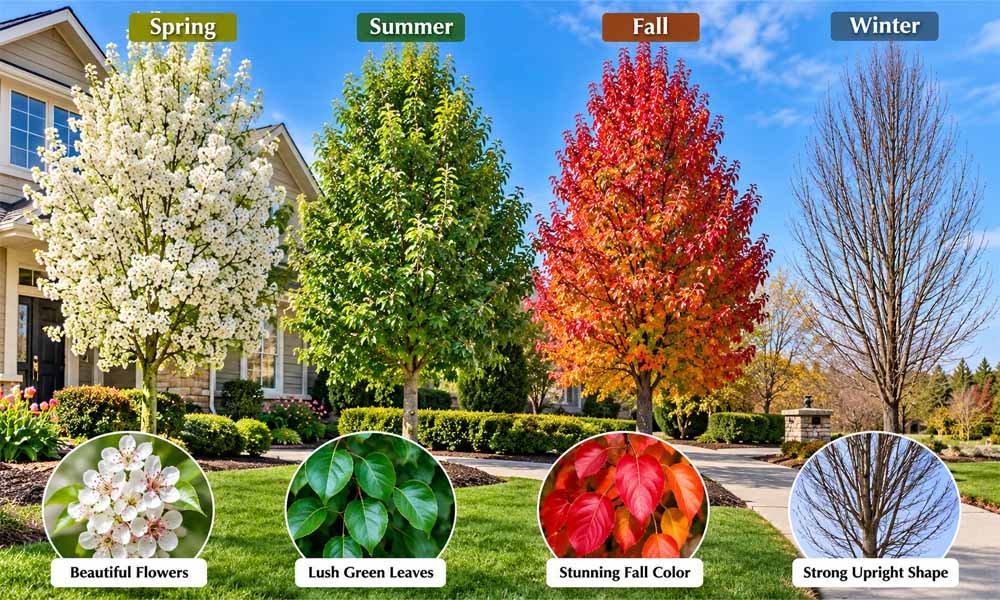
Do you want a beautiful tree that makes your garden look fresh and neat? The Navigator Pear tree might be what you need. It has lovely white flowers, bright fall colors, and a narrow shape that looks great in many yards.
In 2026, many people want trees that look good without needing too much work. The Navigator Pear is one option worth knowing about. It can add beauty to your home while taking up less space than many large trees.
But is this tree right for your garden? In this guide, we will explore its size, growth, flowers, soil needs, and planting steps. You will also learn what to check before bringing one home.
What Is the Navigator Pear Tree?
The Navigator Pear is a type of ornamental pear tree. This means people grow it mainly for its beauty, not for eating pears. It is known for its upright shape, spring flowers, and colorful leaves.
The tree is sold as a special type of pear for gardens and outdoor spaces. Its exact plant name should be checked with the nursery. This matters because different pear trees can have different sizes and needs.
Unlike pear trees grown for food, the Navigator Pear is not meant to give you large, sweet pears. It may grow small fruit, but that fruit is not grown for eating. Its main job is to make your yard look beautiful.
Navigator Pear Tree Size and Growth Rate
One reason people like the Navigator Pear tree is its neat size. It is often described as growing about 20 to 26 feet tall. Its width may reach around 12 feet when fully grown.
The tree has a narrow shape that is wider near the bottom. This makes it useful in places where a wide tree may not fit. For example, it may look nice beside a driveway or in a small front yard.
The Navigator Pear is also described as a fast-growing tree. However, its growth depends on sunlight, water, soil, and weather. Its full size and lifespan can also vary, so ask your nursery what to expect.
Navigator Pear Tree Flowers and Fall Colors
Spring is one of the prettiest times for the Navigator Pear tree. It can grow many small white flowers before its leaves fully open. These flowers make the tree look bright and fresh after winter.
During summer, the tree grows green leaves that give it a full look. The leaves help make a garden feel calm and cool. Its upright branches also help it keep a neat shape as it grows.
Fall brings another beautiful change. The leaves may turn red, orange, yellow, or dark red. When winter comes, the leaves fall away. The bare branches still give the garden shape until spring returns.
Best Climate and Soil for Navigator Pear
Before planting a Navigator Pear, think about your local weather. This tree is often sold for places with cold winters. Some descriptions list it for very cold areas, but its exact hardiness zone needs to be confirmed.
Sunlight is also important. Choose a place that gets at least six hours of direct sun each day. A sunny spot can help the tree grow well and show its best flowers and fall colors.
The Navigator Pear can grow in several soil types. Still, soil that drains well is the best choice. If water stays around the roots for too long, the tree may become weak or sick.
How to Plant a Navigator Pear Tree
Planting a Navigator Pear starts with choosing the right spot. Look for an open area with good sunlight and enough room for the tree to grow. Keep it away from power lines and crowded spaces.
Spring and fall are often good times to plant trees. Dig a hole about twice as wide as the root ball, but no deeper than the roots need. The top of the roots should sit near ground level.
Place the tree in the hole and fill it with the soil you removed. Water it well to help the soil settle. Add a layer of mulch, but keep it away from the trunk.
Navigator Pear Tree Watering and Care
A young Navigator Pear tree needs steady care while its roots grow. Water it well after planting. Check the soil often during the first growing season. It should stay moist, but not wet all the time.
Older trees may need less water once their roots grow deep into the ground. Still, they can need help during hot and dry weather. A slow, deep watering is often better than a quick splash.
Fertilizer is not always needed. If the tree grows well, you may not need to feed it. A soil test can help you decide. Good sunlight, water, and healthy soil are the best places to start.
Navigator Pear Tree Pruning and Maintenance
The Navigator Pear tree needs some care to stay healthy and beautiful. Pruning is one important part of this care. It helps remove weak branches and keeps the tree looking neat. A healthy tree can also grow better with proper pruning.
Late winter is often a good time to prune this tree. Start by removing dead, broken, or damaged branches. You can also cut branches that rub against each other. Always use clean and sharp tools to avoid hurting the tree.
Do not cut too many branches at once. Heavy pruning can cause stress and lead to weak new growth. The Navigator Pear already has a natural upright shape. Light pruning is usually enough to help it stay strong and attractive.
Navigator Pear Tree Roots and Lifespan
The Navigator Pear tree grows roots that help it take in water and food from the soil. These roots spread as the tree gets older. Their size depends on the soil, available water, and growing space.
Before planting, check the space around your home. Avoid placing the tree too close to walls, pipes, or paved paths. Roots can cause problems when they grow in tight spaces. Giving the tree enough room helps prevent future trouble.
Some descriptions suggest that Navigator Pear trees may live for 50 years or more. However, this is not a sure lifespan. Weather, disease, soil, and care all play a part. Healthy roots and good growing conditions can help the tree live longer.
Common Navigator Pear Tree Problems
Like other trees, the Navigator Pear can face some health problems. One disease to watch for is fire blight. It can make leaves and branches turn brown or black. Some pear trees resist this disease better than others.
Small insects may also harm the leaves or new growth. Check your tree from time to time. Look for damaged leaves, unusual spots, or dying branches. Finding a problem early can make it easier to manage.
Too much water is another concern. Wet soil can harm the roots and slow growth. Weak branch joints can also be a problem in some ornamental pears. Check the tree after storms and ask a tree expert for help when needed.
Best Places to Plant Navigator Pear Trees
The Navigator Pear tree may work well in a small front yard. Its narrow shape can add height without covering too much ground. One tree near an open lawn can make the whole space look more welcoming.
You can also plant these trees along a driveway or garden path. A row of trees can create a neat and balanced look. However, each tree needs enough space for its branches and roots to grow.
Avoid planting under power lines or too close to buildings. Also, check local planting rules before buying. Some places limit ornamental pear trees because certain types can spread into wild areas. A local nursery can help you choose safely.
Navigator Pear vs Regular Pear Tree
The Navigator Pear and regular pear trees may look similar, but they have different uses. Navigator Pear is grown mainly for decoration. Regular pear trees are grown for the sweet fruit that people enjoy eating.
A regular pear tree, often called Nashpati in South Asia, can produce large edible pears. These fruits need time to grow and ripen. The Navigator Pear may produce small fruit, but it is not grown for harvest.
Both trees need sunlight, water, and healthy soil. However, their shapes and care needs can differ. If you want fresh pears, choose a fruit tree. If you want flowers and fall color, an ornamental tree may suit your garden better.
Navigator Pear Tree Benefits and Drawbacks
One major benefit of the Navigator Pear tree is its beautiful look. It offers white flowers in spring and green leaves in summer. Its bright fall colors can also make a simple yard feel warm and lively.
Another benefit is its upright shape. It may fit into spaces where wider trees cannot grow well. The tree is also grown for decoration rather than large fruit. This may mean less fallen fruit to clean up.
Still, there are some drawbacks. The tree may face disease, branch damage, or root problems. Some ornamental pears can also spread beyond gardens. Before planting, check the exact variety and local rules. This helps you make a better choice.
Conclusion
The Navigator Pear tree can be a lovely choice for people who enjoy beautiful gardens. Its white flowers, green leaves, and bright fall colors make it interesting through the seasons. Its narrow shape is another reason people may like it.
Before planting, make sure your yard has enough sunlight and space. Check the soil and learn about your local weather. Good watering, light pruning, and regular checks can help keep the tree healthy.
In 2026, choosing the right tree is about more than beauty. It should also suit your land and local environment. If the Navigator Pear fits your area, it may bring color and charm to your garden for many years.
(FAQs)
What is a Navigator Pear tree?
The Navigator Pear tree is a type of ornamental pear tree. People grow it for its white flowers, green leaves, and bright fall colors. It has a narrow shape that can look beautiful in gardens and front yards.
How fast does a Navigator Pear tree grow?
The Navigator Pear is known as a fairly fast-growing tree. Its growth depends on sunlight, water, soil, and weather. With good care, young trees can grow well each year. The exact growth rate may vary.
How tall and wide does a Navigator Pear tree get?
The Navigator Pear tree is often described as growing about 20 to 26 feet tall and around 12 feet wide. Its upright shape makes it useful for smaller yards. Always check the mature size with your nursery.
Does the Navigator Pear tree produce fruit?
Yes, the Navigator Pear may produce small fruit, but it is mainly grown for decoration. Unlike regular pear trees, it does not grow large pears for eating. Small fruits may still fall to the ground.
Can a Navigator Pear tree survive cold winters?
The Navigator Pear is sold as a cold-hardy tree. However, its exact USDA growing zone should be checked before planting. A local nursery can help you find out whether it can survive winters in your area.
How much sunlight does a Navigator Pear tree need?
The Navigator Pear tree grows best in full sunlight. Try to choose a place that gets at least six hours of direct sun each day. Good sunlight helps the tree grow strong and produce beautiful flowers.
How often should I water a Navigator Pear tree?
Young Navigator Pear trees need regular watering while their roots grow. Check the soil and water when it starts to dry. Older trees may need less water, but they still need extra care during hot and dry weather.
Are Navigator Pear tree roots invasive?
Navigator Pear roots can spread as the tree grows. However, there is not enough confirmed information to say that this exact variety has invasive roots. Plant it away from walls, pipes, and paths to allow room for growth.
What are the common problems with Navigator Pear trees?
Common concerns include fire blight, damaged branches, insects, and wet soil. Some ornamental pear trees may also have weak branches. Check your tree often and remove damaged wood at the right time to help keep it healthy.
How long does a Navigator Pear tree live?
Some sources suggest that Navigator Pear trees can live for 50 years or longer, but this lifespan is not confirmed for every tree. Good soil, enough sunlight, proper watering, and regular care can help it stay healthy for many years.
Continue reading: PLG Supplies: Everything You Need to Know in 2026

NF Net Worth: How the Rapper Turned Pain Into Millions

Kotora Melnkalne: Best Things to Do, See, and Enjoy in 2026

Slim Thug Net Worth: Inside His Music Career, Income, and Success

FSI Blogs US: Everything You Need to Know in 2026

Gldyql: Everything You Need to Know About This Mystery Term

Ben and Zara Net Worth: YouTube Income, TikTok Fame, and Earnings

Pomerusky: Everything You Need to Know About This Cute and Fluffy Dog

Piragnia: Why Is Everyone Curious About This Mystery Fish?

Navigator Pear Tree: Everything You Need to Know Before Planting

PLG Supplies: Everything You Need to Know in 2026

Arbello Barroso: Where Is Luciana Barroso’s Ex-Husband Now?

Suzanne Bukinik: Everything to Know About Brad Falchuk’s Ex-Wife

Maria Jesus Pariente: What We Know About Enzo Maresca’s Wife

Who Is Astrid Menks? All About Warren Buffett’s Wife

Who Is April Dubois? All About Wesley Snipes’ Ex-Wife

Berkin Gökbudak: What to Know About Aslı Enver’s Husband

Who Is Kate Connelly? All About Bobby Flay’s Ex-Wife

Erika Riker: Where Is Randy Jackson’s Ex-Wife Now?

Patricia Rahman: The Full Story of James Marsters’ Ex-Wife

Andrea Sarubbi: Who Is Luke Kirby’s Wife and What Does She Do?
NF Net Worth: How the Rapper Turned Pain Into Millions
Kotora Melnkalne: Best Things to Do, See, and Enjoy in 2026
Slim Thug Net Worth: Inside His Music Career, Income, and Success
FSI Blogs US: Everything You Need to Know in 2026
Gldyql: Everything You Need to Know About This Mystery Term
Ben and Zara Net Worth: YouTube Income, TikTok Fame, and Earnings
Pomerusky: Everything You Need to Know About This Cute and Fluffy Dog
Piragnia: Why Is Everyone Curious About This Mystery Fish?
Navigator Pear Tree: Everything You Need to Know Before Planting
PLG Supplies: Everything You Need to Know in 2026
-

 News1 month ago
Who Is Gigi Yallouz? Meet Owain Yeoman’s Wife and Jewelry Designer
-

 News2 months ago
Rajesh Nihalani: What We Know About Archie Panjabi’s Husband
-

 News2 months ago
Stephan Farmiga: Everything to Know About Vera Farmiga’s Brother
-

 News1 month ago
Who Is Tove Torvalds? All About Linus Torvalds’ Wife