
Blog
How to Plan a Family Camping Weekend Without Taking Time Off Work

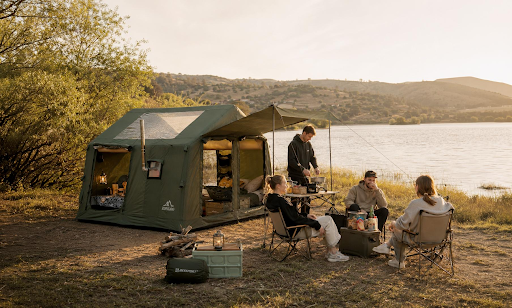
Want to take the family camping but never seem to find the time? Between work, family commitments and everyday responsibilities, taking a week off isn’t always practical. Fortunately, a camping trip doesn’t have to mean a long holiday. Choose an accessible campsite, prepare your equipment in advance, and an ordinary weekend can be enough for a proper break outdoors.
For busy families, Friday might still be full of emails and meetings, while Monday means returning to the usual routine. The trick is to spend less time travelling and getting organised, leaving more of the weekend to relax together.
Choose Your Destination Around the Time You Have
It’s easy to get excited about a destination before considering how long it takes to reach. But when you’re working on Friday and returning to the office on Monday, travel time often matters more than the number of nearby attractions.
For a first weekend camping trip, look for an established campsite within a manageable driving distance, with convenient access and suitable facilities. Check its check-in times as well as the journey. If you can’t leave until Saturday afternoon, an early arrival deadline could make the weekend unnecessarily stressful.
Ideally, you’ll have enough time on Saturday to pitch the tent, unpack and settle in. Sunday should allow for packing up and travelling home without rushing.
Britain offers plenty of countryside, lakeside and coastal campsites, but the most practical choice depends on where you’re starting from. A family leaving London will have different options from one travelling from Manchester or Bristol. A shorter journey often means more time to enjoy the destination.
Make the Most of Bank Holidays Without Depending on Them
Bank holidays offer a chance to extend a camping weekend. The extra day can mean more time outdoors or a more relaxed journey home.
However, public holidays also tend to bring busier roads and greater demand for pitches. If you’re planning to camp around Easter, the May bank holidays or the summer bank holiday, check availability early.
Families with school-age children must also consider term dates and other commitments. Even when parents can arrange annual leave, everyone may not be free at the same time.
Rather than waiting for a long holiday, start with a short break that fits your schedule. A weekend that actually happens is better than a trip that keeps getting postponed.
Keep Pitching and Packing Simple
On a short camping trip, time spent dealing with equipment is time taken away from relaxing. If pitching the tent takes most of Saturday afternoon and packing occupies Sunday morning, there’s little opportunity to enjoy being away.
Ease of setup is therefore worth considering. Inflatable tents use air-beam structures that reduce the need to assemble traditional tent poles, although they still require proper inflation, securing and packing according to the manufacturer’s instructions.
Pitching speed isn’t everything. A family staying just one night also needs space for mattresses, spare clothes and weekend bags. Otherwise, time saved during setup may be lost trying to organise belongings inside.
Whatever tent you choose, practise pitching it at home before your first trip. Check that the pegs, guy ropes and inflation equipment are complete, and keep sleeping supplies, clothing, food and lighting packed separately. Familiar equipment and organised bags make both arrival and departure easier.
Think About How Much Space Your Family Really Needs
Family camping involves more than finding somewhere to sleep. Clothes, shoes, food and other belongings all need space, so a tent’s advertised capacity shouldn’t be the only consideration.
The ZONKOO Vega, for example, is an option in the inflatable tents for camping category. Its air-beam structure has a listed pitching time of 11 minutes, with 129 square feet of interior space for two to six people. For a one-night family trip, these specifications help with planning both setup time and where to place mattresses, clothes and bags while keeping the entrance clear.
How spacious a tent feels still depends on the number of occupants, mattress sizes and equipment brought along. Larger families shouldn’t assume the maximum advertised capacity will provide enough room for everyone’s belongings.
The aim isn’t simply to choose the biggest tent, but one that allows everyone to sleep comfortably, move around and keep their things organised.
Leave Room for Downtime
After finally arranging a camping trip, it’s tempting to fill the weekend with walking, cycling, sightseeing and outdoor meals. But a busy itinerary can mean spending more time travelling between activities than enjoying them.
For a one-night stay, one or two main activities are usually enough. You might explore the surrounding area or enjoy a short walk suited to everyone’s abilities, then return to the campsite for dinner and a relaxed evening.
Consider everyone’s ages, interests and energy levels. If someone prefers a quiet afternoon, the whole family doesn’t need to follow the same schedule, provided appropriate supervision is in place.
A weekend away isn’t about seeing as much as possible. It’s an opportunity to spend time together somewhere different from home.
Prepare Ahead Rather Than Shopping Before Every Trip
If your family plans to camp regularly, keeping a familiar set of basic equipment makes future trips easier. Instead of choosing new tents, sleeping mats or lights each time, you can check that everything is in good condition before leaving.
If you’re unsure whether camping will become a regular activity, borrowing suitable equipment for your first trip may be sensible. Once you’ve tried it, you’ll know more about what your family needs.
If you’ve already camped several times this year and know which items you’ll need next season, black friday deals can offer an opportunity to buy them in advance. When spring or summer arrives, you won’t need to spend valuable time comparing products and shopping at the last minute.
Storage matters too, especially for families with limited space at home. Preparing early should make weekends away simpler, not leave you with equipment you rarely use.
Allow for Changes in Weather and the Journey Home
British weather can be unpredictable, so leave some flexibility in your plans. Check the campsite’s cancellation or rescheduling terms before booking, then review the forecast and any site notices before travelling.
If prolonged rain or strong winds are expected, reconsider your planned activities. Pitch and secure your tent according to the manufacturer’s instructions, and follow the campsite operator’s guidance if conditions become unsafe.
Sunday also needs enough time for packing. Besides taking down the tent, you’ll need to organise belongings and deal with damp equipment. Once home, ensure wet tents and fabrics are thoroughly dried according to the care instructions before storage.
Allowing time to travel home and get organised is particularly important when work starts again on Monday. A relaxing weekend shouldn’t end with a stressful rush.
You Don’t Need a Long Holiday for a Family Camping Break
For busy families, a successful camping weekend doesn’t require a long journey or a packed itinerary. Leaving enough time for travelling, pitching and getting home makes the break easier to enjoy.
A longer holiday is always worth looking forward to, but you don’t have to wait until everyone’s diary is clear to get away together. Sometimes, a well-planned weekend is all you need.

Why Do Essentials Hoodies Look Different on Different Body Types

Spider Web Graphics in Fashion From Halloween to Streetwear

How Oversized Proportions Influence the Look of SKYLRK Apparel

How to Check Raspberry Hills Clothing Measurements Before Buying

How to Plan a Family Camping Weekend Without Taking Time Off Work

Best Free AI Image Generator: Creating Visuals That Make Sense Across Cultures

Essentials: Understanding Chandal Essentials and Sudadera Essentials

Laurence K. Avanzino: Everything About Kathy Hilton’s Father

Can Machines Spot Machine Writing? A Closer Look at AI Essay Checkers

Mary Louise Szekely: Everything to Know About Louis C.K.’s Daughter

Buying Property Through Your Super? Run an SMSF Loan Calculator Before You Call a Broker

Eractoll: What Is It and Why Did Enterprise Charge You?

How to Make Kofta Kebabs at Home Without Overthinking It

Michele Morrone Net Worth: His Salary, Earnings, and Rich Life

NF Net Worth: How the Rapper Turned Pain Into Millions

Press Release Distribution for Startups: A Practical Guide to Your First Announcement

FintechZoom.com: Is It Useful for Financial Research?

Innovations in Floristry: BOPP Matte Film as the Go-To Material for Modern Flower Packaging

How Interactive Step-by-Step Guides Make Tech Easier to Learn

Inside the Obsession With Chrome Hearts and CDG
Why Do Essentials Hoodies Look Different on Different Body Types
Spider Web Graphics in Fashion From Halloween to Streetwear
How Oversized Proportions Influence the Look of SKYLRK Apparel
How to Check Raspberry Hills Clothing Measurements Before Buying
How to Plan a Family Camping Weekend Without Taking Time Off Work
Best Free AI Image Generator: Creating Visuals That Make Sense Across Cultures
Essentials: Understanding Chandal Essentials and Sudadera Essentials
Laurence K. Avanzino: Everything About Kathy Hilton’s Father
Can Machines Spot Machine Writing? A Closer Look at AI Essay Checkers
Mary Louise Szekely: Everything to Know About Louis C.K.’s Daughter
-

 News2 months ago
Who Is Gigi Yallouz? Meet Owain Yeoman’s Wife and Jewelry Designer
-

 News2 months ago
Who Is Tove Torvalds? All About Linus Torvalds’ Wife
-

 News2 months ago
Rajesh Nihalani: What We Know About Archie Panjabi’s Husband
-

 News2 months ago
Stephan Farmiga: Everything to Know About Vera Farmiga’s Brother