
Technology
Electric Mini Bikes vs. Gas Mini Bikes: What Changes After You Buy?

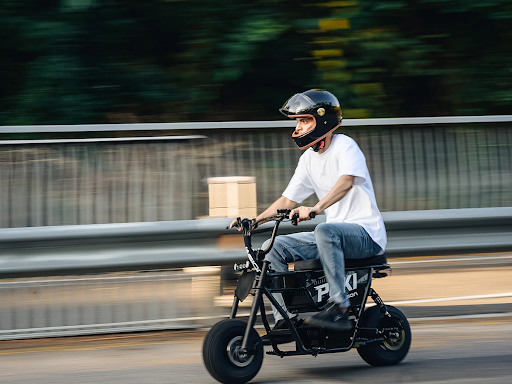
A mini bike is easy to judge in a short video. Owning one involves the parts the camera usually misses: getting it ready, finding somewhere suitable to ride, cleaning it afterward, and keeping it in good condition between outings. For buyers comparing gas-powered mini bikes with electric bikes, those routines can be more revealing than a top-speed figure.
Electric power removes several familiar engine jobs. Gas power offers a different way to refuel and a different service routine. Neither choice removes the need to look after the rest of the bike, and neither tells you where it may legally be ridden.
The useful comparison starts with an ordinary riding day. Here is what changes before you leave, while you are out, and after the bike goes back into storage.
Before the Ride: An Outlet or a Fuel Can?
With a gas mini bike, preparation includes having the correct fuel available and following the engine’s starting procedure. The details vary: a carbureted engine may have a choke and fuel valve, while other configurations work differently. The owner’s manual matters more than a generic starting tutorial.
For an electric mini bike, the equivalent question is whether the battery is ready. Charging needs to happen in a suitable location with equipment approved for the exact battery system. A charger with a plug that fits is not necessarily a compatible charger.
That difference can suit a regular routine. If you know when you will ride and have an appropriate place to charge beforehand, preparing an electric mini ebike can fit naturally around the rest of your day. You are planning access to electricity rather than keeping gasoline on hand.
Last-minute outings make a different demand. If the battery is depleted, the time needed to recharge may determine whether that ride happens. A gas bike can generally be refueled more quickly once the engine has been shut down and allowed to cool as directed, provided the correct fuel is available. For riders planning repeated sessions far from charging facilities, that distinction deserves attention.
Neither routine is difficult simply because it is unfamiliar. The issue is which one works where you actually keep and use the bike.
Once You Are Riding, Power Source Is Only Part of the Story
It is tempting to assume that electric means gentle and gas means demanding. That is a poor way to choose a bike. Motor output, throttle response, available settings, vehicle weight, and rider fit all affect the comparison.
A powerful electric mini bike may be a very different proposition from a low-powered model with a similar silhouette. The same is true of gas bikes. Engine size or a motor’s peak wattage cannot, by itself, tell you whether the controls and performance suit the intended rider.
The sound is different, too. An electric motor avoids combustion-engine exhaust noise, but the bike is not silent: tires, drive components, and other moving parts still make sound. Lower engine noise can be appealing, yet it does not override a riding site’s rules or make it acceptable to disturb other people.
Start with the vehicle, then the riding area. A compact frame, lights, or an electric drivetrain does not automatically make a mini bike an ordinary road-legal bicycle. Check the specific vehicle classification and the requirements of the place where you intend to use it.
Afterward: Electric Removes Engine Work, Not Bike Work
The clearest maintenance advantage of an electric mini bike is the absence of a combustion engine. There is no engine oil to change, spark plug to replace, or carburetor to service on the electric drivetrain itself.
That does not make every gas model’s schedule identical. A four-stroke engine normally has an oil-service routine. A two-stroke design may have different lubrication requirements. Fuel delivery and starting systems vary as well. Before comparing maintenance costs, identify the actual engine rather than treating all gas mini bikes as one design.
Electric ownership shifts some attention toward the battery, charger, connections, and electronic controls. Those components may need model-specific diagnosis if something goes wrong. The absence of oil changes does not mean that every repair is a simple home job.
Much of the routine work is shared. Tires still need inspection and the correct pressure. Brakes wear. Fasteners need checking according to the manual. A chain-driven electric bike still has a chain to inspect, clean, and maintain; electric power does not make that component disappear.
The riding environment matters here. Dust, mud, and water exposure create cleaning and inspection work regardless of what turns the rear wheel. Follow the bike’s cleaning guidance, particularly around electrical parts, bearings, and brake surfaces. Do not assume that a machine intended for outdoor use tolerates every washing method.
Leaving It Unused Creates Different Jobs
How often you ride changes the ownership comparison. A bike used regularly and one left parked for a season do not have the same routine.
Gasoline can deteriorate during storage. Honda’s fuel recommendations explain that fuel condition depends on factors including formulation, temperature, humidity, and time in the storage container. For a gas mini bike, follow its engine manufacturer’s instructions on fuel and longer-term storage rather than borrowing a procedure from a different engine.
An electric bike avoids stale fuel and carburetor-related storage concerns, but its battery still needs an appropriate storage plan. Use the instructions for the exact battery to establish the charge condition, environment, and inspection schedule. There is no good reason to substitute a universal internet percentage for model-specific guidance.
Think about the physical space as well. Fuel storage, charging access, building rules, and the route in and out all belong in the decision. Neither a fuel tank nor a large battery should become a problem to solve only after delivery.
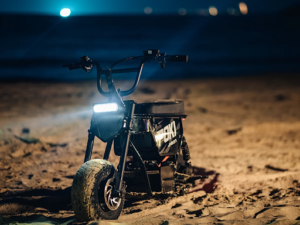
Jasion Poki parked with its headlight illuminated. Image: JasionBike.
Compare Repair Access Before Comparing Savings
Broad claims about cheap ownership are not particularly useful without two actual bikes and a pattern of use. The purchase price is only the beginning. Energy, scheduled service, consumables, repair labor, and replacement parts contribute to the total.
For electric models, ask about replacement battery availability and compatibility, the supplied charger, and how faults are diagnosed. For gas models, establish which engine is fitted and who can service it. In both cases, check where you can obtain the exact tires, brake components, and drive parts the bike uses.
A nearby shop that services bicycles may not work on every electric mini bike. A small-engine workshop may service an engine without handling the complete vehicle. Contact the relevant service provider before assuming that local support exists.
Owners who enjoy mechanical work may see routine engine servicing differently from buyers who want fewer engine-related tasks. That preference is legitimate, but it should be part of the purchase rather than an unwelcome discovery later.
Which Routine Would You Rather Have?
Electric is worth serious consideration when you have suitable charging access, can plan around recharge time, and would prefer to avoid fuel handling and combustion-engine servicing. It offers a different ownership routine, not an exemption from maintenance.
Gas can make sense when quicker refueling is important, charging access is limited, and the owner is comfortable with the engine’s service and storage requirements. That still leaves fit, noise, riding permission, and the condition of the complete bike to assess.
Before choosing, picture the next outing from beginning to end: preparing the bike, getting it to the riding area, using it, and putting it away. The better purchase is the one whose routine you can support, including on the days when riding is over and the maintenance still needs doing.

Can Machines Spot Machine Writing? A Closer Look at AI Essay Checkers

How Niche eCommerce Founders Can Validate Product Demand Before Investing in Inventory

Building a Competitive Online Presence with Link Building Services and SEO Packages

Luxury Rigid Boxes: Planning Premium Packaging Around Product Fit and Presentation

Tommy Bynes: Everything About Amanda Bynes’ Brother

How to Cook Healthy Family Meals Safely: A Parent’s Guide

How Personalized Addiction Treatment Plans Can Improve Patient Engagement and Recovery Outcomes

Need LLC Help? Here’s How to Get an LLC Online

Helen Beth Duntz: The Real Story of James MacArthur’s Wife

Cassandra Marino: The Full Story of Caitlyn Jenner’s Eldest Daughter

Charfen.co.uk: What Is It and What Does It Offer?

SoSoActive: Everything You Need to Know About the Digital Platform

Buying Property Through Your Super? Run an SMSF Loan Calculator Before You Call a Broker

Kerri Browitt Caviezel: Everything to Know About Jim Caviezel’s Wife

Voozon.com: Everything You Need to Know Before Using It

From Search Visibility to Enquiries: Building a Stronger SEO System in Essex

How to Make Kofta Kebabs at Home Without Overthinking It

Eractoll: What Is It and Why Did Enterprise Charge You?

Michele Morrone Net Worth: His Salary, Earnings, and Rich Life

NF Net Worth: How the Rapper Turned Pain Into Millions
Can Machines Spot Machine Writing? A Closer Look at AI Essay Checkers
How Niche eCommerce Founders Can Validate Product Demand Before Investing in Inventory
Building a Competitive Online Presence with Link Building Services and SEO Packages
Luxury Rigid Boxes: Planning Premium Packaging Around Product Fit and Presentation
Tommy Bynes: Everything About Amanda Bynes’ Brother
How to Cook Healthy Family Meals Safely: A Parent’s Guide
How Personalized Addiction Treatment Plans Can Improve Patient Engagement and Recovery Outcomes
Need LLC Help? Here’s How to Get an LLC Online
Helen Beth Duntz: The Real Story of James MacArthur’s Wife
Cassandra Marino: The Full Story of Caitlyn Jenner’s Eldest Daughter
-

 News2 months ago
Who Is Gigi Yallouz? Meet Owain Yeoman’s Wife and Jewelry Designer
-

 News2 months ago
Who Is Tove Torvalds? All About Linus Torvalds’ Wife
-

 News2 months ago
Rajesh Nihalani: What We Know About Archie Panjabi’s Husband
-

 News2 months ago
Stephan Farmiga: Everything to Know About Vera Farmiga’s Brother