
Celebrity
Wondrand: What It Means and Why It Matters for Wound Healing

Have you ever had a small cut on your hand? At first it may look red and sore. After a few days the skin starts to close. But have you ever thought about how this happens?
The edge of a wound plays a big part in healing. This area is called Wondrand in Dutch. It helps doctors see if new skin is growing and if the wound is getting better.
In this article we will explain what Wondrand means and why it matters. We will also look at healthy wound edges and common healing problems. Everything is shared in easy words so you can understand it.
What Is Wondrand?
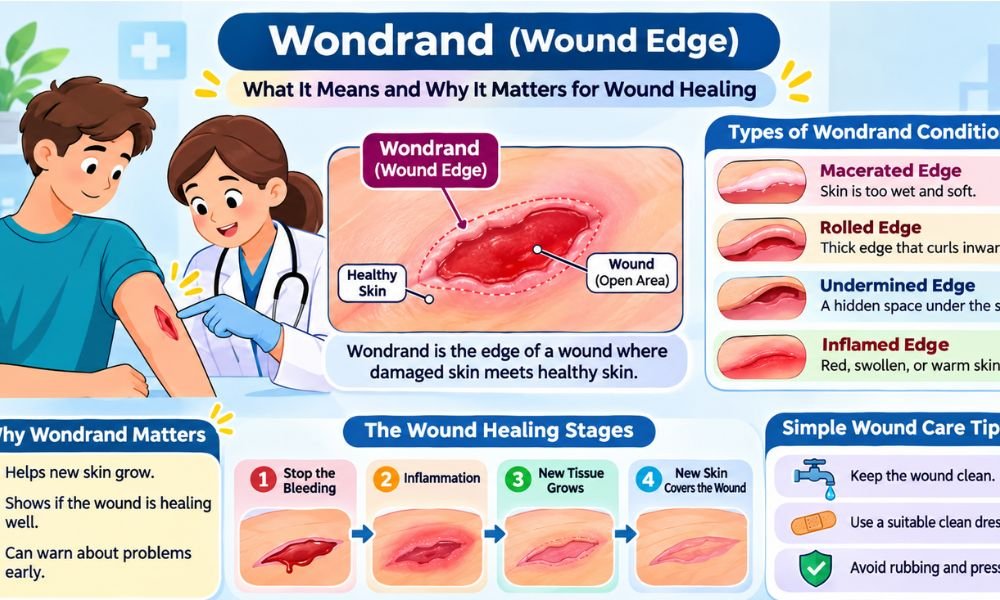
Wondrand is a Dutch medical word that means wound edge. It is the border where damaged skin meets healthy skin. Doctors and nurses look at this area to see how well a wound is healing.
The word comes from two Dutch words. Wond means wound and rand means edge. In German the word is Wundrand. Both words have the same meaning but use a different spelling.
Wondrand is not a disease or a type of medicine. It is simply a part of a wound. This small area can tell doctors a lot about skin health and how the body repairs itself.
Why Is Wondrand Important for Wound Healing?
When you get a cut your body starts fixing the damaged skin. New skin cells grow and move across the open area. The wound edge is one place where this new skin starts to form.
A healthy Wondrand can be a good sign. It may show that the wound is slowly closing. But if the edges become damaged or stay too wet then healing may take more time.
Doctors do not look at the wound edge alone. They also check the open area and the skin around it. This helps them understand if the wound is healing well or needs more care.
What Does a Healthy Wondrand Look Like?
A healthy Wondrand may look smooth and show thin new skin. The new skin can look pink or lighter than the skin around it. Its color can also vary based on a person’s skin tone.
As the wound heals the edges may slowly move closer together. The open area may become smaller each day. This can be a sign that the body is making progress with skin repair.
But not every wound looks the same. Some wounds heal faster than others. Doctors check changes in size and pain as well as skin color. A wound that looks normal may still need medical care.
Different Types of Wondrand Conditions
Wound edges do not always heal in the same way. Some become too wet while others grow thick or swollen. These changes can help doctors find problems that may slow down the healing process.
Macerated wound edges happen when skin stays too wet. The edge may turn white and feel soft. Too much wound fluid can cause this problem and make the skin easier to damage.
Rolled wound edges happen when the skin at the border becomes thick and curls inward. This can stop new skin from moving across the wound. Doctors call this condition epibole.
Undermined wound edges have a hidden space under the nearby skin. The wound may look small from above but can be larger underneath. This problem needs a trained doctor or nurse to check it.
Inflamed wound edges may look red or feel warm and swollen. Some redness is normal after an injury. But spreading redness or growing pain may be a sign that something is wrong.
These conditions do not always mean a wound is infected. Doctors look at the full wound before making a decision. Never try to cut thick edges or check hidden spaces with tools at home.
How Wondrand Changes During Healing
Your body begins healing soon after the skin gets hurt. The process takes place in several stages. Each stage helps repair damaged tissue and brings the wound closer to closing.
The first stage is stopping the bleeding. Blood forms a clot that helps close the damaged blood vessels. This is the body’s first step in protecting the injured area from more blood loss.
The next stage is inflammation. The body sends special cells to help clean the wound. You may see mild redness or swelling. This can be normal during early healing but should not keep getting worse.
The third stage is new tissue growth. Fresh tissue starts filling the wound. New skin cells also move across its surface. Doctors call this skin-covering process epithelialisation. It helps close the open area.
The final stage makes the skin stronger. Even after the wound closes the new skin is still weak. Over time it becomes stronger. Keeping it safe from rubbing and pressure helps protect the healing area.
Wondrand changes during these stages. The edges may move inward as new skin grows. But the time needed for healing depends on the wound’s size and depth and the person’s health.
Continue reading: Novafork: Everything You Need to Know About Free Movie Streaming
Common Causes of Poor Wondrand Healing
Sometimes a wound does not heal as quickly as expected. The edges may stay open or become damaged. There are several reasons why this can happen even when someone tries to care for the wound.
Too much moisture is one common cause. When wound fluid stays on the skin for too long the edges can become soft and weak. Very dry wound tissue can also make healing harder.
Pressure and rubbing can slow skin repair. For example a wound on the foot may keep getting hurt by tight shoes. This can damage new skin and stop the wound from closing.
Infection can also affect healing. Warning signs may include spreading redness and more pain or pus. A wound that becomes worse instead of better should be checked by a medical professional.
Poor blood flow can make healing take longer. Blood carries oxygen and nutrients that help repair skin. When enough blood cannot reach the wound the body may struggle to build healthy new tissue.
Diabetes and other health problems can also slow healing. Some people with diabetes may not feel much pain from a foot wound. This makes early medical care very important even for small injuries.
The wrong dressing may cause problems too. Some dressings hold too much fluid against the skin. Others may not protect the wound well enough. A doctor or nurse can help choose suitable care.
A healthy Wondrand needs the right conditions to heal. Keeping the wound clean and protected can help with minor injuries. But wounds that are deep or slow to heal need proper medical advice.
How Doctors Check and Assess Wondrand
Doctors look closely at Wondrand to see how a wound is healing. They check the shape and color of the edges. They also look for signs of damage that may slow down skin repair.
A doctor may measure the wound to see if it is getting smaller. They may check its depth and look for hidden spaces under the skin. These checks help them understand how much healing has taken place.
Doctors also look at the skin around the wound. They check for swelling and too much moisture. They may write down changes during each visit. This helps them see if the wound is getting better.
Wondrand and the TIME Framework
Doctors often use a simple plan called the TIME framework. It helps them check four key parts of wound healing. Each part gives useful clues about the health of the wound.
T stands for Tissue. Doctors check the tissue inside the wound. They look for healthy new growth and damaged areas. Healthy tissue can help the wound close while dead tissue may slow healing.
I stands for Infection or Inflammation. Doctors look for signs of infection. These may include spreading redness and more pain or pus. Some early swelling is normal but growing symptoms need medical care.
M stands for Moisture. A wound needs the right amount of moisture to heal. Too much fluid can make the edges weak. Very dry tissue can also slow down the growth of new skin.
E stands for Edge. This part focuses on Wondrand. Doctors check if the wound edges are moving inward. They also look for thick skin and hidden spaces that may stop the wound from closing.
The TIME framework helps doctors see the full picture. It shows why wound care is more than just cleaning a cut. Each part of the wound needs attention to support healthy healing.
How to Protect Wondrand During Wound Care
Good wound care can help protect new skin. For a small cut you should first wash your hands. Then gently rinse the wound with clean water and cover it with a suitable clean dressing.
Keeping the dressing clean is important. Change it when needed or as your doctor advises. A dressing helps protect the wound from dirt and rubbing. It can also help keep the right moisture level.
Try not to pick at the wound or pull off healing skin. This can damage new tissue and slow repair. If a dressing sticks to the wound do not pull it away with force.
Too much moisture can also hurt Wondrand. If a dressing stays wet or keeps leaking it may need to be changed. A doctor or nurse can help choose the right dressing for wounds that produce a lot of fluid.
Pressure is another thing to avoid. For example a cut on your heel may keep rubbing against your shoes. Reducing this rubbing can help protect the new skin while the wound heals.
Do not cut or scrape thick wound edges at home. Do not put tools inside a wound to check its depth. These actions can cause more harm. Deep wounds and wounds that do not heal need medical care.
Continue reading: Stephanie Soo Net Worth: How Much Money Does She Really Make?
Wondrand in Different Types of Wounds
Not all wounds are the same. A small cut on your finger is different from a deep wound after surgery. Wondrand can look different based on the type of injury and how the skin is healing.
Surgical wounds are cuts made during an operation. Doctors often close them with stitches or other medical tools. The edges should stay together as the skin heals. New gaps or pus need medical attention.
Diabetic foot wounds need special care. Diabetes can affect blood flow and feeling in the feet. A person may have a serious wound without much pain. Any new open foot wound should be checked by a medical professional.
Pressure wounds can form when skin stays under pressure for too long. They often affect people who spend long periods in bed or in a chair. The edges may become damaged or develop hidden spaces.
Leg ulcers are open sores that may take a long time to heal. Poor blood flow or problems with the veins can play a part. Some ulcers release fluid that can damage the skin around them.
Minor cuts and scrapes are common at home. Many small wounds begin to improve within a few days. Cleaning and covering them can help. But deep or dirty cuts may need more care.
Each type of wound needs the right treatment. What works for a small scrape may not work for a foot ulcer. This is why doctors check the wound type before choosing a care plan.
When Should You See a Doctor for Wondrand?
A wound may look red or feel sore when it is new. This can be part of normal healing. But some changes may mean the wound is getting worse instead of better.
Watch for redness that spreads beyond the wound. Growing swelling and pain can also be warning signs. If pus appears or the wound starts to smell bad you should seek medical advice.
A fever or feeling very unwell can point to a serious infection. Do not wait for the wound to become larger before getting help. Early care may help prevent more serious problems.
A wound that opens again after surgery also needs prompt medical attention. The same is true for wounds that do not get smaller over time. A doctor can check what is slowing the healing process.
Some injuries need emergency care. These include wounds with bleeding that will not stop and very deep cuts. Loss of feeling or movement is also a serious sign. Do not remove an object stuck deep inside a wound.
Animal bites and dirty puncture wounds may need medical care too. A doctor can check if you need a tetanus shot based on the injury and your past vaccines.
People with diabetes or poor blood flow should be extra careful. Even a small wound can become serious. If you are unsure about a wound it is safer to ask a healthcare professional.
Conclusion
Wondrand may sound like a hard word but its meaning is simple. It is the edge of a wound where damaged skin meets healthy skin. This small area plays an important part in wound healing.
Healthy wound edges may show new skin growth as the wound closes. But thick or wet edges can be signs of trouble. Watching changes over time can help you notice when healing is slow.
Good wound care helps protect the skin as it heals. Keep minor wounds clean and covered. Follow medical advice for deeper wounds. If you notice warning signs or slow healing seek help from a doctor.
(FAQs)
What does Wondrand mean in English?
Wondrand is a Dutch word that means wound edge or wound margin. It is the border where injured skin meets healthy skin. Doctors check this area to see how well a wound is healing and whether new skin is growing.
Is Wondrand a disease or a medical treatment?
No. Wondrand is not a disease or medicine. It is simply the edge of a wound. Doctors use this term when checking cuts and other skin injuries. The condition of this area can help them spot healing problems.
What does a healthy Wondrand look like?
A healthy Wondrand may look smooth with thin new skin forming near the edge. The wound may slowly become smaller. New skin can look pink or a different shade from nearby skin. Its appearance depends on skin tone and wound type.
Why does Wondrand turn white and soft?
Wondrand can turn white and soft when it stays too wet. This problem is called maceration. Too much wound fluid can weaken the skin and slow healing. A doctor or nurse may need to check the dressing and moisture level.
What causes rolled wound edges?
Rolled wound edges form when the skin around a wound becomes thick and curls inward. Doctors call this epibole. It can stop new skin from growing across the wound. This problem may need special care from a trained medical professional.
Can Wondrand show signs of infection?
Yes. Changes around Wondrand may help doctors spot a possible infection. Warning signs include spreading redness and growing pain or swelling. Pus and fever are also concerning. But redness alone does not always mean a wound is infected.
How long does Wondrand take to heal?
There is no fixed healing time. Small cuts may start improving within a few days. Deep wounds can take much longer. Healing depends on the wound’s size and depth as well as blood flow and overall health.
What is the difference between Wondrand and Wundrand?
Wondrand is a Dutch word while Wundrand is German. Both words mean wound edge. They describe the border between injured skin and nearby healthy skin. The main difference is the language and spelling rather than the medical meaning.
Can diabetes affect Wondrand healing?
Yes. Diabetes can slow wound healing. It may affect blood flow and feeling in the feet. This means a foot wound can become serious without causing much pain. People with diabetes should get new open foot wounds checked early.
When should you see a doctor for Wondrand problems?
See a doctor if the wound becomes more painful or swollen. Spreading redness and pus are also warning signs. A wound that reopens or stops healing needs attention. Deep wounds and bleeding that will not stop need emergency care.
Continue reading: Ruschek: Where This Rare Name Comes From

The Business Fundamentals That Matter Most: Quiet Skills That Stand the Test of Time

Beyond First Impressions: Building Trust and Growth in Financial Advisory

How to Manage Exam Anxiety During the Leaving Cert

How To Build A Cash Reserve That Keeps Pace With Living Costs

Stop Guessing and Start Tracking with These Essential Email Analytics

IT Support for Small Business: What You Need to Know

PPC Advertising: What Every Small Business Should Know

Teeth Whitening: What Actually Works and Why

Understanding Depression: Types, Signs, and Treatment

How Animals Support Mental Health Recovery

How to Make Kofta Kebabs at Home Without Overthinking It

Ethan Klein Net Worth: YouTube H3 Podcast and His Wealth

Oleksandra Zelenska: Who Is Volodymyr Zelensky’s Daughter?

Patricia Azarcoya Schneider: Everything You Need to Know About Rob Schneider’s Wife

Who Is Angel Iris Murphy Brown? All About Mel B’s Child

Phil Wickham Net Worth: His YouTube Income, Tours, and Wealth

Kai Dugan: Everything to Know About Jennifer Connelly’s Son

Beyond the Interior: Home Improvements That Transform Your Entire Property

Nicole Aniston Net Worth: Career, Income, and Wealth Explained

Reza Pahlavi Net Worth: How Rich Is Iran’s Former Crown Prince?
The Business Fundamentals That Matter Most: Quiet Skills That Stand the Test of Time
Beyond First Impressions: Building Trust and Growth in Financial Advisory
How to Manage Exam Anxiety During the Leaving Cert
How To Build A Cash Reserve That Keeps Pace With Living Costs
Stop Guessing and Start Tracking with These Essential Email Analytics
IT Support for Small Business: What You Need to Know
PPC Advertising: What Every Small Business Should Know
Teeth Whitening: What Actually Works and Why
Understanding Depression: Types, Signs, and Treatment






