
Blog
How Hard Water Can Affect Daily Business Operations

Water is essential for daily operations in many commercial facilities. Businesses depend on a reliable water supply for cleaning, heating, manufacturing, and maintaining equipment. However, water quality can affect how efficiently these activities are performed.
Hard water contains dissolved substances that can cause problems in plumbing systems. Over time, these substances can form deposits inside pipes, machines, and water heaters, affecting their performance. Knowing the problems caused by hard water can help businesses protect their equipment, avoid frequent repairs, and keep daily operations running smoothly.
Hard Water Problems in Commercial Plumbing
Businesses often use large amounts of water for their daily activities. When the water contains too many minerals, a hard layer can slowly form inside pipes, valves, and fixtures. This buildup is known as scale.
The gradual accumulation of scale can narrow the space inside pipes, reducing water flow and causing changes in water pressure across the facility. Businesses may notice reduced water flow, blocked fixtures, or recurring plumbing problems. These issues can interfere with activities that depend on a consistent water supply.
Hard water problems are particularly important in facilities that operate boilers, heaters, and other water-dependent equipment. Mineral accumulation can reduce system efficiency and increase maintenance requirements.
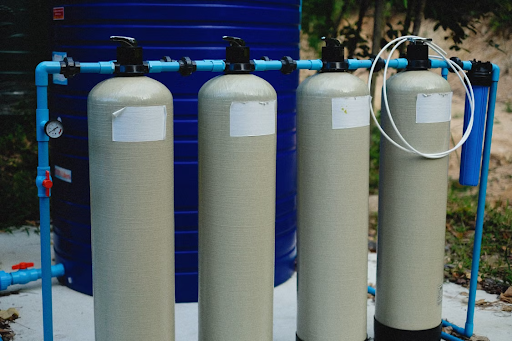
One way to address these concerns is through professional water treatment. Commercial water softening systems remove calcium and magnesium through an ion exchange process, helping reduce scale formation in pipes and equipment.
Hard water can cause mineral deposits to accumulate inside commercial plumbing systems, affecting water flow and equipment performance. Businesses that experience recurring scale buildup may need a reliable water treatment solution. A professional commercial water softener service can help reduce water hardness, protect plumbing components, and maintain efficient water distribution throughout the facility.
Increased Maintenance Requirements for Commercial Equipment
Hard water can affect equipment that regularly uses or heats water. Boilers, dishwashers, washing machines, and industrial processing equipment are particularly vulnerable to mineral accumulation.
When deposits form on internal surfaces, equipment may require more frequent cleaning and servicing. In some cases, scale can restrict water movement or interfere with components responsible for heating and circulation.
Maintenance teams may spend additional time removing deposits, inspecting affected parts, and addressing recurring performance issues. These responsibilities can increase the workload of facility management teams.
Regular equipment inspections and water quality testing can help identify problems before they become more serious. Businesses should also follow manufacturer recommendations for cleaning and maintenance to protect essential systems.
Reduced Efficiency in Water Heating Systems
Water heating systems are especially sensitive to mineral buildup. When hard water is heated, dissolved minerals can form deposits on heating elements and heat transfer surfaces.
These deposits create an additional barrier between the heating surface and the water. As a result, the equipment may need more energy to achieve the required temperature.
In commercial buildings, inefficient water heating can affect activities such as cleaning, sanitation, and manufacturing. Businesses that depend on continuous hot water may experience reduced performance or longer heating times.
Monitoring water hardness and maintaining heating equipment can help minimize these problems. Removing existing scale and controlling further mineral accumulation are important steps in maintaining efficient operations. Facilities with significant water heating requirements should include water quality management in their preventive maintenance plans.
Effects on Cleaning and Sanitation Processes
Hard water can make routine cleaning more difficult in commercial environments. Calcium and magnesium minerals can react with certain soaps and cleaning products, reducing their effectiveness.
Businesses may notice soap residue, water spots, or mineral stains on sinks, glassware, fixtures, and other surfaces. These problems are particularly noticeable in restaurants, hotels, laundries, and commercial cleaning facilities.
Employees may need to use additional cleaning products or repeat certain tasks to achieve the desired results. This can make cleaning take longer and slow down daily work. Hard water can also leave deposits inside commercial dishwashers and laundry equipment, creating additional maintenance requirements.
Using suitable cleaning products, maintaining equipment, and addressing water hardness can improve cleaning consistency. Businesses should also consider their specific sanitation requirements when selecting water treatment solutions.
Potential Disruptions to Daily Business Activities
Reliable equipment and plumbing are essential for uninterrupted business operations. When hard water contributes to equipment problems, businesses may experience delays in routine activities.
For example, a restaurant may encounter difficulties when a commercial dishwasher requires unexpected maintenance. A laundry facility may experience reduced productivity if washing equipment develops scale-related problems.
Manufacturing facilities can face similar challenges when water-dependent machinery requires repairs or additional cleaning. Unexpected maintenance may also require equipment to be temporarily removed from service. This can affect employee schedules, production targets, and customer service.
Although hard water does not cause every equipment failure, controlling mineral buildup can help reduce one common source of operational problems.
Businesses can improve reliability by monitoring equipment performance, maintaining plumbing systems, and addressing recurring water quality concerns before they lead to disruptions.
How Hard Water Can Affect Product Quality
Water quality can influence the consistency of products and services in certain industries. Businesses that use water directly in production or cleaning processes may experience noticeable effects from high mineral concentrations.
In commercial laundries, hard water can interfere with detergent performance and contribute to mineral deposits on fabrics. In food service operations, it may affect equipment cleanliness and leave visible residue on glassware.
Some manufacturing processes also require carefully controlled water characteristics. Excessive hardness can interfere with washing, rinsing, or other production activities. However, different industries have different water quality requirements. Water softening alone may not provide the level of treatment needed for every application.
Businesses should evaluate their operational requirements and conduct appropriate water testing before selecting treatment equipment. This helps ensure that the chosen system supports the intended processes.
Why Preventive Water System Maintenance Matters
Preventive maintenance helps businesses identify water-related problems before they affect daily operations. Regular inspections can reveal early signs of mineral buildup, restricted water flow, or declining equipment performance.
Water testing is an important part of this process. Measuring hardness levels allows facility managers to understand whether mineral concentrations could create operational concerns.
Businesses using water softening equipment should also monitor system performance. Depending on the equipment, maintenance may include checking salt levels, inspecting valves, reviewing regeneration settings, and testing treated water. Maintenance schedules should reflect water consumption, equipment specifications, and operating conditions.
Keeping accurate service records can help identify recurring problems and determine whether additional treatment or equipment adjustments are necessary. A consistent maintenance approach supports equipment reliability and helps businesses make informed decisions about water system improvements.
Building a More Reliable Water Management Strategy
Managing hard water effectively requires more than responding to plumbing problems after they occur. Businesses should understand their water quality, identify vulnerable equipment, and establish practical maintenance procedures.
The first step is evaluating how water is used throughout the facility. Equipment that heats, circulates, or processes large volumes of water may require particular attention.
Water hardness testing can help determine whether treatment is necessary. Facility managers can then compare available solutions based on water consumption, system capacity, and operational requirements.
Employee awareness is also important. Maintenance personnel should recognize warning signs such as recurring scale deposits, reduced water pressure, and declining equipment efficiency.
.

The Business Fundamentals That Matter Most: Quiet Skills That Stand the Test of Time

Beyond First Impressions: Building Trust and Growth in Financial Advisory

How to Manage Exam Anxiety During the Leaving Cert

How To Build A Cash Reserve That Keeps Pace With Living Costs

Stop Guessing and Start Tracking with These Essential Email Analytics

IT Support for Small Business: What You Need to Know

PPC Advertising: What Every Small Business Should Know

Teeth Whitening: What Actually Works and Why

Understanding Depression: Types, Signs, and Treatment

How Animals Support Mental Health Recovery

How to Make Kofta Kebabs at Home Without Overthinking It

Ethan Klein Net Worth: YouTube H3 Podcast and His Wealth

Oleksandra Zelenska: Who Is Volodymyr Zelensky’s Daughter?

Patricia Azarcoya Schneider: Everything You Need to Know About Rob Schneider’s Wife

Who Is Angel Iris Murphy Brown? All About Mel B’s Child

Kai Dugan: Everything to Know About Jennifer Connelly’s Son

Beyond the Interior: Home Improvements That Transform Your Entire Property

Nicole Aniston Net Worth: Career, Income, and Wealth Explained

Reza Pahlavi Net Worth: How Rich Is Iran’s Former Crown Prince?

Rebecca Yarros Net Worth: Her Income and Success Story
The Business Fundamentals That Matter Most: Quiet Skills That Stand the Test of Time
Beyond First Impressions: Building Trust and Growth in Financial Advisory
How to Manage Exam Anxiety During the Leaving Cert
How To Build A Cash Reserve That Keeps Pace With Living Costs
Stop Guessing and Start Tracking with These Essential Email Analytics
IT Support for Small Business: What You Need to Know
PPC Advertising: What Every Small Business Should Know
Teeth Whitening: What Actually Works and Why
Understanding Depression: Types, Signs, and Treatment






