
Lifestyle
Beyond the Menu: How Street Food Businesses Can Build a Recognizable Brand Identity

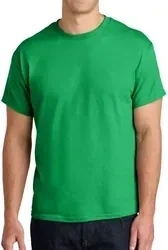
Great street food is about more than what ends up on the plate. Customers might discover a food truck because of its menu, stop at a market stall because of the smell, or visit a pop-up because a friend recommended it. But what makes them remember a business after the meal is over? Often, it is the combination of a distinctive visual identity, a consistent experience, and small details that make the brand recognizable wherever it appears.
For street food businesses, branding needs to work in fast-moving environments. A food truck at a festival, a stall at a weekend market, and a pop-up at a private event may all serve the same food, but they should feel like parts of the same business. Branded clothing, signage, packaging, and social media content can help create that consistency without requiring an elaborate marketing budget.
Turning a Food Concept Into a Visual Identity
Street food brands often begin with a specific concept: gourmet burgers, Mexican tacos, Korean fried chicken, loaded fries, or plant-based street food. The menu defines what the business sells, but its visual identity communicates what makes it different.
A recognizable brand starts with a few consistent elements. Colors, typography, logo placement, and graphic style should work together across menus, packaging, uniforms, and promotional materials. A business serving artisanal sandwiches might choose muted colors and understated typography, while a late-night taco truck might use bold colors and energetic graphics.
Choosing Colors That Fit the Menu
Color can influence how customers perceive a food business before they taste anything. Warm colors can create an energetic, inviting impression, while darker palettes may suit a premium or modern concept. The important thing is to choose colors that reflect the business rather than follow every current design trend.
Limiting the palette to a few recognizable colors also makes it easier to maintain consistency across different materials. A red-and-cream combination, for example, can carry through from a food truck’s exterior to staff shirts, takeaway bags, and social media graphics.
Making the Logo Work Everywhere
A logo that looks good on a large sign might not work equally well on a small sleeve print or a takeaway sticker. Street food businesses need designs that remain legible at different sizes and distances.
A simplified logo or recognizable symbol can be especially useful in crowded markets and festival settings, where customers may have only a few seconds to notice a stall. Testing the design across different materials before committing to a large order helps avoid unnecessary printing costs and inconsistent results.
Creating a Consistent Look Across the Team
Customers often interact with street food staff in busy, informal settings. Employees take orders, prepare food, handle payments, and answer questions while working in front of a queue. Their appearance is part of the customer experience, which makes branded apparel a practical extension of the business’s identity.
A shared uniform helps customers identify staff quickly, particularly at large events where several vendors operate close together. It can also make the business appear more organized and established, even when the operation consists of a small team and a single food truck.
Choosing Apparel for a Food Service Environment
Street food work involves heat, movement, spills, and frequent washing. Uniforms therefore need to be comfortable and practical as well as visually consistent. Breathable fabrics, appropriate fits, and colors that work with the food preparation environment are important considerations.
A business might choose branded T-shirts for outdoor festivals, polos for catering events, and sweatshirts for cooler evening service. Different garment styles can serve different purposes while retaining the same logo, color palette, and overall design.
Food safety and hygiene requirements should always guide uniform choices. Branded shirts complement suitable protective clothing and hygiene practices; they do not replace them.
Keeping the Design Simple and Recognizable
A uniform does not need to display the entire menu or every element of the brand story. A clear logo on the chest, a distinctive graphic on the back, or a short phrase associated with the business can be enough.
Custom branded T-shirts give street food businesses a flexible way to apply their visual identity to everyday team clothing. A consistent design can work across food truck crews, market stalls, catering teams, and promotional events without requiring an entirely different uniform for every setting.
Making the Food Truck or Stall Instantly Recognizable
Street food businesses compete for attention in places where customers have many options. At a festival, a row of food trucks may offer similar dishes, making it important for each business to communicate its identity quickly.
The truck exterior, menu board, staff clothing, and packaging should reinforce one another. When customers see the same colors and graphics in each place, they can connect the different elements to one business. This recognition becomes especially valuable when the brand starts attending recurring events or operating in multiple locations.
Signage should prioritize readability. Large menu headings, clear pricing, and a recognizable logo are generally more useful than covering every available surface with graphics. The goal is to help customers identify the business and understand its offer without making the ordering process more complicated.
Packaging also deserves attention. Branded paper bags, cups, stickers, and takeaway boxes can extend the visual identity beyond the point of sale. Customers carrying food through a market or sharing a meal at an outdoor event may expose the brand to people who have not yet visited the stall.
Using Branded Clothing as a Marketing Tool
Unlike a printed advertisement that appears in one place, branded clothing travels with the people wearing it. A food truck team at a music festival, a vendor at a local market, or staff catering a private event can introduce the brand to new audiences simply by being visible in the environment.
This does not mean every shirt needs a promotional slogan. Often, a clear logo and a distinctive design are more effective because people can recognize them without stopping to read a message.
Branded clothing can support several marketing activities:
- Food festivals and markets: Matching team shirts make the business easier to identify among multiple vendors and create a cohesive appearance in photographs.
- Pop-ups and collaborations: When a food business partners with a brewery, event organizer, or another local brand, coordinated apparel helps maintain its identity in a shared setting.
- Social media content: Staff wearing consistent branded clothing can create a recognizable visual thread across cooking videos, behind-the-scenes posts, and event announcements.
- Community events: Participation in local fundraisers, neighborhood celebrations, and outdoor gatherings can introduce the business to customers who may not otherwise encounter it.
- Promotional merchandise: Selected designs can become merchandise for loyal customers, turning a staff uniform into a product that people choose to wear themselves.
The value comes from repeated exposure. A customer who sees the same design at a weekend market and later recognizes it in a social media post has another opportunity to remember the business.
Building a Brand That Can Grow With the Business
A street food operation may start with one menu, one vehicle, and a small team. As demand grows, the business might expand into catering, additional trucks, permanent locations, or packaged products. A flexible brand identity makes these transitions easier.
The visual system should be simple enough to reproduce consistently but adaptable enough to accommodate new formats. A logo that works on a shirt should also be suitable for a delivery bag, event banner, or packaging label. Standardizing colors, typography, and logo files can help prevent inconsistencies as new employees, suppliers, and marketing partners become involved.
Ordering apparel in planned batches can also make operations easier. Keeping a record of garment styles, sizes, colors, and print specifications helps maintain consistency when the team grows or existing uniforms need replacing.
The Takeaway
For street food businesses, branding extends far beyond the menu. The colors on a food truck, the packaging customers carry away, and the shirts worn by employees all contribute to how people recognize and remember the business.
A consistent visual identity does not require a large marketing budget. It requires deliberate choices that work together across everyday customer interactions. When apparel, signage, packaging, and promotional activities share the same recognizable style, a simple street food operation can build a stronger presence, create a more cohesive customer experience, and give people a reason to remember it long after the last bite.

How to Plan a Family Camping Weekend Without Taking Time Off Work

Best Free AI Image Generator: Creating Visuals That Make Sense Across Cultures

Essentials: Understanding Chandal Essentials and Sudadera Essentials

Can Machines Spot Machine Writing? A Closer Look at AI Essay Checkers

Summer Tiger: Everything to Know About Adam Beach’s Wife

Gloria DeLouise: What Happened to Burt Young’s Wife?

How Niche eCommerce Founders Can Validate Product Demand Before Investing in Inventory

Building a Competitive Online Presence with Link Building Services and SEO Packages

Luxury Rigid Boxes: Planning Premium Packaging Around Product Fit and Presentation

Tommy Bynes: Everything About Amanda Bynes’ Brother

Charfen.co.uk: What Is It and What Does It Offer?

Buying Property Through Your Super? Run an SMSF Loan Calculator Before You Call a Broker

Voozon.com: Everything You Need to Know Before Using It

Eractoll: What Is It and Why Did Enterprise Charge You?

How to Make Kofta Kebabs at Home Without Overthinking It

Michele Morrone Net Worth: His Salary, Earnings, and Rich Life

NF Net Worth: How the Rapper Turned Pain Into Millions

FintechZoom.com: Is It Useful for Financial Research?

Press Release Distribution for Startups: A Practical Guide to Your First Announcement

Innovations in Floristry: BOPP Matte Film as the Go-To Material for Modern Flower Packaging
How to Plan a Family Camping Weekend Without Taking Time Off Work
Best Free AI Image Generator: Creating Visuals That Make Sense Across Cultures
Essentials: Understanding Chandal Essentials and Sudadera Essentials
Can Machines Spot Machine Writing? A Closer Look at AI Essay Checkers
Summer Tiger: Everything to Know About Adam Beach’s Wife
Gloria DeLouise: What Happened to Burt Young’s Wife?
How Niche eCommerce Founders Can Validate Product Demand Before Investing in Inventory
Building a Competitive Online Presence with Link Building Services and SEO Packages
Luxury Rigid Boxes: Planning Premium Packaging Around Product Fit and Presentation
Tommy Bynes: Everything About Amanda Bynes’ Brother
-

 News2 months ago
Who Is Gigi Yallouz? Meet Owain Yeoman’s Wife and Jewelry Designer
-

 News2 months ago
Who Is Tove Torvalds? All About Linus Torvalds’ Wife
-

 News2 months ago
Rajesh Nihalani: What We Know About Archie Panjabi’s Husband
-

 News2 months ago
Stephan Farmiga: Everything to Know About Vera Farmiga’s Brother