
Lifestyle
Beyond the Straight Smile: What to Know Before Braces or Aligners

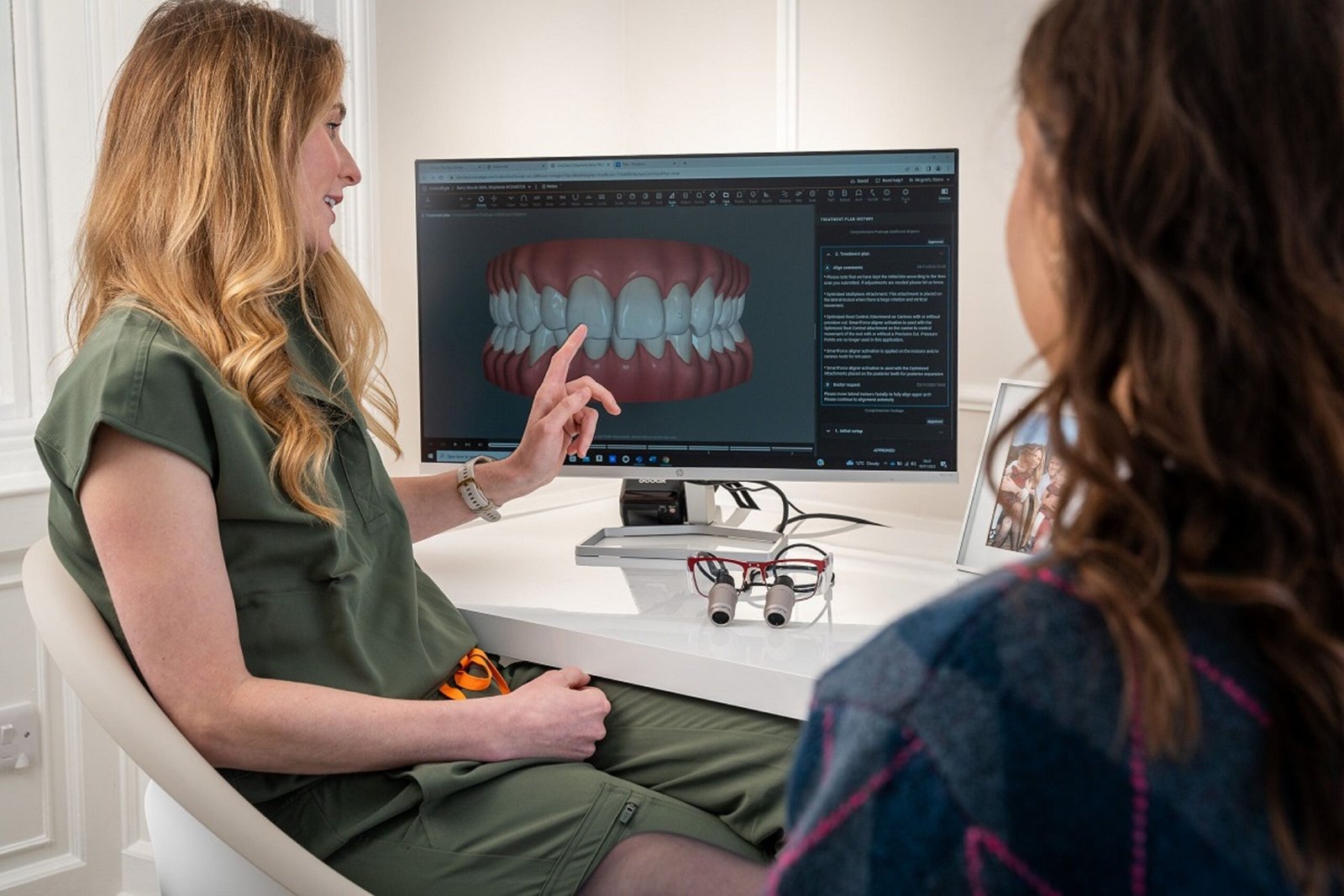
Straightening your teeth is about more than choosing between metal brackets and clear trays. In Columbus, Ohio, planning ahead can help you compare options and make time for follow-up care. In 2024, 64.3% of adults in the surveyed regional service area reported visiting a dentist or dental clinic within the previous year, highlighting the importance of routine dental care.
Start With Your Bite, Not the Appliance
It is easy to focus first on which option looks less noticeable. But the right treatment begins with an assessment of your teeth, bite, gums, and overall oral health. Crowding, gaps, overbite, underbite, crossbite, and jaw alignment can all affect the plan.
Ask what the treatment is expected to correct, how success will be measured, and what limitations may apply. An explanation of the likely timeline and possible complications is more valuable than a promise of a perfect smile by a particular date.
If you are comparing orthodontic treatment in Columbus, Ohio, look for a discussion of diagnosis, monitoring, and your role in treatment.
A Straight Smile Should Also Work Well
Online before-and-after photos can make orthodontics seem straightforward, but the visible front teeth tell only part of the story.
Your consultation may include photographs, digital scans or impressions, X-rays when clinically indicated, and a review of dental history. Mention grinding, jaw discomfort, gum problems, and previous dental work.
Clear Aligners Need Consistent Wear
Clear aligners appeal to people who want a less noticeable option and the ability to remove their appliance for meals and brushing. That flexibility comes with responsibility. Aligners generally need to be worn for about 20 to 22 hours daily, following the schedule prescribed for your case. Leaving them out too long can slow progress or affect how well the next tray fits.
Think through your everyday habits before choosing this option. Work lunches, school, travel, sports, and social plans can make it easy to forget where you put a tray or leave it out for longer than intended. Keep its case with you, clean the trays as instructed, and remove them for food and drinks other than plain water unless your orthodontist gives different guidance.
Braces Have Different Trade-Offs
Traditional braces remain useful for a wide range of orthodontic problems and do not rely on remembering to put an appliance back in after meals. However, brackets and wires make cleaning more difficult and require care around hard or sticky foods. Brackets may loosen, and wires can irritate cheeks.
Neither braces nor aligners are automatically better for everyone. The right option depends on your bite, the movements required, your oral health, and how consistently you can follow instructions. This overview of braces and clear aligners explains common differences in visibility, cleaning, eating, and wear requirements.
Budget for the Full Treatment, Not Just the Quote
The fee is only one part of the financial decision. Ask whether the estimate includes diagnostic records, routine appointments, refinements, emergency visits, and retainers. Clarify what happens if treatment takes longer than expected or an aligner, bracket, or retainer is lost or damaged.
Insurance benefits can have age limits, waiting periods, or lifetime orthodontic maximums. Request a written breakdown of what your plan may cover and what you would pay yourself.
Time also has a cost. Appointments may mean arranging transport, missing part of a workday, or coordinating school and family schedules. Ask how often visits are expected, how urgent issues are handled, and whether some check-ins can be completed remotely when appropriate.
Timing Should Fit Your Life
Some children benefit from early evaluation, although treatment may not need to start immediately. For teens and adults, the best start date may depend on oral health, the complexity of the case, and upcoming commitments.
Starting immediately before a major exam period, a move, or an intense sports season may add avoidable stress. The first days after braces are placed, or a new aligner is introduced, can bring pressure or tenderness, and adapting to cleaning routines takes time. Discuss your schedule with the orthodontist and plan for a manageable start.
Adults should mention crowns, bridges, implants, gum recession, previous periodontal treatment, and other dental work. These factors do not automatically rule out orthodontics, but they may affect how teeth can be moved and how treatment is monitored.
Retainers Are Part of the Plan
Finishing active treatment is an important milestone, but it does not mean teeth will stay in exactly the same position without support. Teeth can shift over time, so retainers are commonly prescribed to help maintain the result. Ask which type is recommended and how often it should be worn.
Fixed retainers require careful cleaning and periodic checks. Removable retainers need consistent wear and cleaning. If a retainer cracks, becomes uncomfortable, or no longer fits properly, contact your orthodontist rather than forcing it into place.
This guide to orthodontic care and retention explains the role retainers play in keeping teeth stable after active treatment.
Choose Clarity Over a Sales Pitch
A well-organized orthodontic practice should explain who monitors your progress, how often appointments occur, what to do if something breaks, and whom to contact with concerns.
Ask questions until the answers make sense. Treatment is a shared effort: the provider plans and monitors tooth movement, while you follow care instructions, maintain oral hygiene, attend appointments, and wear aligners or retainers as directed.
Make the Decision With the Long View
The best orthodontic choice is not necessarily the least visible or the least expensive. It is the approach that suits your dental needs, daily habits, budget, and ability to maintain the result. Compare plans and understand what happens after active treatment.
With realistic expectations and consistent care, braces or aligners can become a manageable part of daily life rather than a string of surprises. A successful outcome includes a healthy bite, healthy gums, and habits that protect your smile.

Can Machines Spot Machine Writing? A Closer Look at AI Essay Checkers

How Niche eCommerce Founders Can Validate Product Demand Before Investing in Inventory

Building a Competitive Online Presence with Link Building Services and SEO Packages

Luxury Rigid Boxes: Planning Premium Packaging Around Product Fit and Presentation

Tommy Bynes: Everything About Amanda Bynes’ Brother

How to Cook Healthy Family Meals Safely: A Parent’s Guide

How Personalized Addiction Treatment Plans Can Improve Patient Engagement and Recovery Outcomes

Need LLC Help? Here’s How to Get an LLC Online

Helen Beth Duntz: The Real Story of James MacArthur’s Wife

Cassandra Marino: The Full Story of Caitlyn Jenner’s Eldest Daughter

Charfen.co.uk: What Is It and What Does It Offer?

SoSoActive: Everything You Need to Know About the Digital Platform

Buying Property Through Your Super? Run an SMSF Loan Calculator Before You Call a Broker

Kerri Browitt Caviezel: Everything to Know About Jim Caviezel’s Wife

Voozon.com: Everything You Need to Know Before Using It

From Search Visibility to Enquiries: Building a Stronger SEO System in Essex

Eractoll: What Is It and Why Did Enterprise Charge You?

How to Make Kofta Kebabs at Home Without Overthinking It

Michele Morrone Net Worth: His Salary, Earnings, and Rich Life

NF Net Worth: How the Rapper Turned Pain Into Millions
Can Machines Spot Machine Writing? A Closer Look at AI Essay Checkers
How Niche eCommerce Founders Can Validate Product Demand Before Investing in Inventory
Building a Competitive Online Presence with Link Building Services and SEO Packages
Luxury Rigid Boxes: Planning Premium Packaging Around Product Fit and Presentation
Tommy Bynes: Everything About Amanda Bynes’ Brother
How to Cook Healthy Family Meals Safely: A Parent’s Guide
How Personalized Addiction Treatment Plans Can Improve Patient Engagement and Recovery Outcomes
Need LLC Help? Here’s How to Get an LLC Online
Helen Beth Duntz: The Real Story of James MacArthur’s Wife
Cassandra Marino: The Full Story of Caitlyn Jenner’s Eldest Daughter
-

 News2 months ago
Who Is Gigi Yallouz? Meet Owain Yeoman’s Wife and Jewelry Designer
-

 News2 months ago
Who Is Tove Torvalds? All About Linus Torvalds’ Wife
-

 News2 months ago
Rajesh Nihalani: What We Know About Archie Panjabi’s Husband
-

 News2 months ago
Stephan Farmiga: Everything to Know About Vera Farmiga’s Brother