
Business
Luxury Rigid Boxes: Planning Premium Packaging Around Product Fit and Presentation


A premium product can lose some of its appeal when the packaging feels poorly considered. A lid that catches, an oversized insert, or a product that is difficult to remove can interrupt the experience before the customer has examined what they purchased.
Well-designed luxury rigid boxes connect the exterior presentation with the details inside. They give brands a way to coordinate structure, product arrangement, printing, and opening features across gifts, jewelry, cosmetics, accessories, and other premium products.
The right design begins with the contents and how customers will handle them. Materials and finishes should support that experience, while dimensions, closures, and inserts make the package practical to assemble, store, deliver, and open.
What Makes Rigid Box Packaging Different?
Rigid boxes generally use a substantial board structure covered with a printed or decorative wrap. Traditional setup boxes retain their assembled shape, unlike folding cartons that are typically supplied flat.
That construction creates opportunities for defined edges, fitted interiors, and different lid arrangements. However, board thickness alone does not establish the quality of the finished package.
Wrap alignment, corner finishing, lid fit, and interior construction all affect the result.
A well-made rigid box should feel consistent when handled. Uneven edges, loose coverings, or poorly aligned panels can distract from an otherwise attractive design.
Custom Rigid Boxes Start With Accurate Product Dimensions
Custom rigid boxes should be developed around finished products, including accessories, protective wrapping, and any components placed inside.
Measure the complete arrangement rather than estimating from individual product dimensions. A bottle with a decorative cap, for example, may require more clearance than its main body suggests.
Confirm:
- Product length, width, and height
- Filled or assembled weight
- Fragile surfaces and projections
- Accessories included
- Required removal space
- Intended product orientation
Allow room for packing and removal without creating unnecessary movement. A precise-looking cavity is only useful if it accommodates normal product variation and remains comfortable to use.
Choose an Opening Style That Suits the Contents
The opening action should make the product easy to understand and reach.
A lift-off lid can suit a simple presentation. A drawer structure introduces a horizontal reveal, while a hinged format keeps the lid connected to the base.
Consider where customers will open the package and how much space the action requires. A wide hinged lid may need more clearance than a compact removable cover.
Avoid selecting an unusual opening solely for its visual effect. The mechanism should work reliably, support the product arrangement, and remain straightforward for customers encountering it for the first time.
Magnetic Closure Boxes Need Careful Alignment
Magnetic closure boxes can create a clean exterior without visible locking tabs. Concealed magnets help hold the lid in place, but the complete structure determines how the closure feels.
Check the alignment of the lid, hinge, and contact points. A magnetic box that closes unevenly can feel less refined than a simpler structure with an accurate fit.
The closure should hold appropriately without requiring excessive pulling.
A box with magnetic lid should also leave room for the packed contents. An overfilled insert can push against the lid and interfere with closure, even when the empty sample works correctly.

Inserts Should Protect Products and Make Removal Easy
An insert controls where the product sits and how customers first see it. It can separate components, limit movement, and create a consistent arrangement.
However, an insert should not grip so tightly that the product becomes difficult to remove.
For custom rigid box packaging, evaluate the insert with actual products rather than dimensional substitutes alone. Surface finishes, weight, and shape can change the interaction.
Possible approaches include:
- Folded paperboard supports
- Die-cut compartments
- Fitted trays
- Dividers for multiple items
- Layered arrangements with accessible lifting points
Choose the material and structure according to the product’s needs, including any compatibility concerns.
Luxury Gift Boxes Should Explain the Arrangement
Luxury gift boxes often contain several items that differ in size, weight, and purpose. The layout should help the recipient understand the collection immediately.
Place important products where they are easy to identify. Keep small accessories from disappearing beneath larger items or loose filler.
Custom luxury gift boxes can also include a message card or product guide, but printed additions should have an assigned place.
A considered arrangement makes repacking easier, too. Customers may want to return an item to its original position or keep the box for storage, so the interior should remain understandable after the first opening.
A Fully Custom Luxury Tasting Box Needs Product Separation
A tasting collection introduces different requirements from a single-product gift.
Small bottles, jars, sealed food packs, or confectionery containers need an arrangement that keeps them identifiable and appropriately separated. The outer presentation box should not be assumed to provide the primary food-contact or barrier function.
For a fully custom luxury tasting box, establish the tasting sequence before finalizing the compartments.
Consider:
- Portion and container dimensions
- Product names or numbered positions
- Tasting notes and instructions
- Separation between fragile containers
- Space for removing individual items
- Replacement options if the assortment changes
Products with temperature or other special handling requirements need a suitable distribution system beyond decorative rigid packaging.
Custom Magnetic Boxes Can Support Corporate Gifting
Corporate gifts often combine products from different suppliers. A notebook, drinkware item, accessory, and message card may all need to fit within one coordinated presentation.
Custom magnetic boxes can provide a hinged format for organizing the collection, provided the base and insert support its total weight.
Confirm the final contents before approving the structure. Replacing one item with a taller or heavier alternative may affect the entire arrangement.
For personalized programs, decide which elements remain permanent and which change between recipients. A removable card or sleeve can offer flexibility without requiring a separate box design for every variation.
Finishes Should Reinforce the Brand’s Visual Hierarchy
Luxury packaging does not need several competing decorative effects. A restrained combination can make the brand easier to recognize and the package more coherent.
Options such as foil stamping, embossing, debossing, textured wraps, and spot UV can emphasize selected details.
Start by deciding what deserves attention. A logo, collection name, or small graphic may benefit from a finish, while supporting text should remain easy to read.
Review finishes on the intended material. A digital preview cannot fully show texture, reflection, or the contrast between treated and untreated areas.
Keep decorative treatments clear of functional folds and sensitive edges where appropriate.
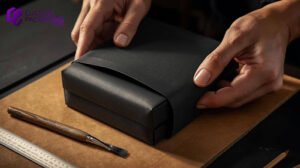
A Black Rectangle Box Depends on Precise Execution
A black rectangle box can create an understated setting for jewelry, accessories, cosmetics, or electronics. Its simplicity also makes construction and surface quality more noticeable.
Check the chosen wrap for visible fingerprints, abrasion, and changes in appearance during handling.
Dark printing can look different across papers and finishes, so compare physical samples rather than relying on a screen.
Use enough contrast for product names and essential information. Small metallic lettering may look attractive in a mockup but become difficult to read under certain lighting.
A minimal design works best when proportions, alignment, and surface quality are consistently controlled.
Collapsible Rigid Boxes Change Storage and Assembly
Some rigid-style structures are designed to fold flat before assembly. These can reduce the space occupied by empty packaging compared with equivalent assembled boxes, although the actual benefit depends on the design.
The tradeoff includes setup time and the need for dependable assembly.
Evaluate collapsible rigid boxes for:
- Panel alignment after setup
- Corner stability
- Closure performance
- Assembly instructions
- Insert installation
- Finished appearance
Test several units using the intended packing process. A sample assembled carefully by a designer may not reveal the difficulties faced during routine fulfillment.
Compare storage savings with labor and component requirements before choosing the format.
Portfolio Boxes Need Stable Panels and Usable Depth
Portfolio boxes can hold printed presentations, sample collections, certificates, creative work, or other flat materials.
Wide panels need suitable support to remain aligned. The required construction depends on the dimensions, packed weight, and how the box will be carried or stored.
Allow enough depth for the complete contents without compressing documents or making removal awkward.
Pockets, lifting ribbons, or separate sections may help organize materials, but they should suit a defined purpose.
For professional presentation boxes, clear labeling and a manageable opening action can be more useful than elaborate decoration that competes with the work inside.

Unusually Shaped Rigid Packaging Should Solve a Real Need
Distinctive geometry can support a product’s identity, but it also affects packing, storage, and delivery.
Before approving an unusual shape, identify what it improves. It might organize a particular product arrangement, create a useful display, or reinforce a recognizable brand form.
Then evaluate the practical consequences.
An advent calendar, for example, needs compartments that remain accessible and suit the planned contents. Decorative doors should open without disrupting neighboring sections.
Check whether the shape requires a larger shipping carton or additional protective material. A distinctive design is more valuable when its benefits justify the extra complexity.
Rigid Packaging Still Needs a Shipping Plan
A substantial presentation box is not automatically a complete shipping solution. Printed surfaces can scuff, lids can separate, and products can move during handling.
Assess the package in the exact configuration customers will receive.
The shipping arrangement may need:
- A suitable outer carton
- Protection around exposed edges
- Separation between multiple boxed products
- Support that limits internal movement
- A closure method appropriate to distribution
Test using the actual contents and a method suited to the delivery conditions.
Keep retail presentation and shipping performance connected throughout development so protective additions do not become an expensive last-minute adjustment.
Rigid Boxes Wholesale Require a Clear Approval Standard
Ordering rigid boxes wholesale is easier when the product, structure, artwork, and finishing specifications are stable.
Approve a physical sample and document the details that matter: internal dimensions, insert fit, wrap material, print placement, lid alignment, and acceptable appearance.
Compare complete costs rather than the box price alone. Assembly, inserts, storage, protective shipping materials, and freight can change the overall budget.
If manufacturing location matters to the project, confirm it directly. A supplier’s US contact details or design service do not by themselves establish that a particular order is made in the USA.
Clear specifications help make repeat production more consistent.
Evaluate Reuse and Disposal Alongside Presentation
A durable package may be retained for storage, but reuse should not be assumed simply because a box looks substantial.
Give the structure a practical secondary function where appropriate. An accessible interior may be more reusable than a tightly fitted insert that cannot be removed.
Environmental claims should account for the complete package, including wraps, coatings, magnets, foam, ribbons, and adhesives.
Avoid describing luxury packaging boxes as fully recyclable without supporting information about the materials and relevant recycling arrangements.
Reducing unnecessary size and decorative components can be useful, provided the changes preserve essential product protection and usability.
Final Thoughts
Luxury rigid boxes bring the strongest results when the structure, opening action, interior arrangement, and visual design are developed together. Each detail should make the product easier to present, handle, or understand.
Magnetic gift boxes, tasting collections, portfolio formats, and collapsible structures serve different needs. Choosing between them requires a clear view of the contents, packing process, storage space, and delivery journey.
When discussing custom luxury packaging with a Custom Packaging Company, provide finished products or accurate samples, an intended layout, and the requirements for distribution. These details make the design brief more useful and the quotation easier to evaluate.
Approve the package through physical testing before committing to volume. The final measure of a premium box is how consistently it works when someone packs it, receives it, and opens it.

Frequently Asked Questions
- What are luxury rigid boxes?
Luxury rigid boxes are substantial presentation packages commonly made with a rigid board structure and an outer wrap. They can include fitted inserts, decorative finishes, and different opening styles. Their suitability depends on the product, construction, handling requirements, and intended customer experience.
- How are rigid boxes different from folding cartons?
Traditional rigid boxes retain their assembled shape, while folding cartons are typically supplied flat and erected before use. Rigid structures generally use thicker board. Collapsible rigid designs offer another option, combining flat storage with a structured appearance after assembly.
- Can custom luxury rigid boxes include magnetic closures?
Yes. Custom luxury rigid boxes can incorporate concealed magnets in hinged-lid designs. The lid, hinge, magnets, and interior clearance must work together. Test a packed sample to confirm alignment, comfortable opening, and reliable closure with the actual contents.
- Are rigid gift boxes suitable for shipping?
Rigid gift boxes may require a protective outer carton and additional support when shipped. Their substantial appearance does not establish parcel-shipping performance. Evaluate the complete packed system for movement, surface damage, lid separation, and protection under the intended distribution conditions.
- Can luxury packaging be supplied flat packed?
Some collapsible rigid structures can be supplied flat packed and assembled before filling. Traditional setup boxes generally remain formed. Compare assembled stability, labor, storage requirements, and finished appearance before deciding whether a collapsible design suits the project.
- What should businesses check before ordering rigid boxes wholesale?
Confirm product fit, insert performance, opening action, closure alignment, print quality, finishes, and packing requirements using a physical sample. Document the approved specifications and evaluate shipping protection. Include assembly, storage, and distribution costs when comparing production options.

Can Machines Spot Machine Writing? A Closer Look at AI Essay Checkers

How Niche eCommerce Founders Can Validate Product Demand Before Investing in Inventory

Building a Competitive Online Presence with Link Building Services and SEO Packages

Luxury Rigid Boxes: Planning Premium Packaging Around Product Fit and Presentation

Tommy Bynes: Everything About Amanda Bynes’ Brother

How to Cook Healthy Family Meals Safely: A Parent’s Guide

How Personalized Addiction Treatment Plans Can Improve Patient Engagement and Recovery Outcomes

Need LLC Help? Here’s How to Get an LLC Online

Helen Beth Duntz: The Real Story of James MacArthur’s Wife

Cassandra Marino: The Full Story of Caitlyn Jenner’s Eldest Daughter

Charfen.co.uk: What Is It and What Does It Offer?

SoSoActive: Everything You Need to Know About the Digital Platform

Buying Property Through Your Super? Run an SMSF Loan Calculator Before You Call a Broker

Kerri Browitt Caviezel: Everything to Know About Jim Caviezel’s Wife

Voozon.com: Everything You Need to Know Before Using It

From Search Visibility to Enquiries: Building a Stronger SEO System in Essex

How to Make Kofta Kebabs at Home Without Overthinking It

Eractoll: What Is It and Why Did Enterprise Charge You?

Michele Morrone Net Worth: His Salary, Earnings, and Rich Life

NF Net Worth: How the Rapper Turned Pain Into Millions
Can Machines Spot Machine Writing? A Closer Look at AI Essay Checkers
How Niche eCommerce Founders Can Validate Product Demand Before Investing in Inventory
Building a Competitive Online Presence with Link Building Services and SEO Packages
Luxury Rigid Boxes: Planning Premium Packaging Around Product Fit and Presentation
Tommy Bynes: Everything About Amanda Bynes’ Brother
How to Cook Healthy Family Meals Safely: A Parent’s Guide
How Personalized Addiction Treatment Plans Can Improve Patient Engagement and Recovery Outcomes
Need LLC Help? Here’s How to Get an LLC Online
Helen Beth Duntz: The Real Story of James MacArthur’s Wife
Cassandra Marino: The Full Story of Caitlyn Jenner’s Eldest Daughter
-

 News2 months ago
Who Is Gigi Yallouz? Meet Owain Yeoman’s Wife and Jewelry Designer
-

 News2 months ago
Who Is Tove Torvalds? All About Linus Torvalds’ Wife
-

 News2 months ago
Rajesh Nihalani: What We Know About Archie Panjabi’s Husband
-

 News2 months ago
Stephan Farmiga: Everything to Know About Vera Farmiga’s Brother