
Lifestyle
A Home That Lasts: Smarter Choices for the Next Ten Years

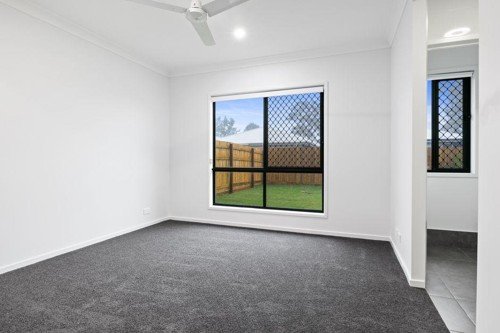
Building a home is exciting, but the decisions that matter most are rarely the ones that look impressive in a showroom. In Australia, residential buildings account for around 24% of electricity use and more than 10% of total carbon emissions, making design important. A lasting home responds to its climate, controls costs, and adapts as its occupants change.
Begin With the Way You Actually Live
Many design regrets begin before construction. An impressive floor plan may not suit daily routines. A second living area may be more useful than an oversized bedroom.
Think through a typical day. Where do bags, shoes, and keys go when you arrive? Do you work from home? These questions reveal where rooms and privacy matter. A short list of priorities can keep selections focused when quotes, upgrades, and design ideas compete for attention.
A smaller home with sensible circulation can feel more generous than a larger one filled with awkward corners. Prioritise function over square metres.
Choose a Builder Who Explains the Trade-Offs
A good builder does more than approve every upgrade. They explain which choices improve performance, which are mainly aesthetic, and where spending more may not deliver meaningful value.
If you are comparing established builders such as Domaine Homes, review how clearly they explain their designs, standard inclusions, and available upgrades. Look for straightforward information about what is included, what changes the price, and how the process is managed. A transparent process makes it easier to compare options clearly and avoid assumptions. Before signing, request written specifications for major finishes, inclusions, allowances, and provisional sums. Keeping these details together makes comparisons clearer and reduces disputes when selections or prices change during construction.
Choose Flexibility Over Fixed Room Labels
Households rarely stay the same for a decade. Children grow, relatives may visit, work arrangements change, and hobbies need room. A space designed for only one purpose can become difficult to use.
Look for rooms that can change roles. A ground-floor room near a bathroom might serve as a study, guest room, or future bedroom. Sliding doors, wider hallways, and storage improve adaptability.
Flexibility does not mean making every room anonymous. Avoid choices that prevent a space from evolving. Planning for more than one possible use can protect both comfort and future value.
Treat Energy Performance as Part of the Design
Energy efficiency is not a finishing touch. Orientation, insulation, glazing, shading, and ventilation influence how comfortable a home feels and how much it costs to run. A living room exposed to harsh afternoon sun may overheat, while poorly ventilated bedrooms can remain uncomfortable overnight.
Think about the sun path, prevailing breezes, window placement, eaves, and insulation before the plans are final. These decisions are easier to make during design than to correct later. The building envelope should suit the conditions around it.
Explore these design principles for thermal comfort for a closer look at how orientation, insulation, glazing, and thermal mass can improve comfort and reduce unwanted heat gain or loss.
Look Beyond the Styling in Display Homes
Display homes are staged. High ceilings, upgraded joinery, premium flooring, and generous windows may not be included in the advertised base price.
Ask what is standard and what costs extra. Check whether the kitchen storage, pantry, and window sizes shown are included. Consider how the plan fits your block.
Look past decorative styling and focus on natural light, storage, durability, and movement between rooms. These practical qualities shape everyday satisfaction more than a feature wall or fashionable tapware.
Give Storage the Space It Deserves
Storage is easy to underestimate because it rarely creates the excitement of a new kitchen or bathroom. Yet inadequate storage can make an otherwise attractive home feel crowded. Think about linen cupboards, entry storage, pantry depth, garage clearance, and bedroom wardrobes before plans are final.
Good storage reduces daily friction. Full-height cabinetry, deep drawers, broom cupboards, and a practical place for school bags or work equipment can keep frequently used items accessible without spreading clutter.
Plan for the things you own now as well as those you may accumulate. Thought at the design stage can prevent shelves, cupboards, and furniture from becoming expensive afterthoughts.
Select Materials for Everyday Use
A home should look good beyond handover day. Some finishes scratch, stain, or require more maintenance than expected. Consider how floors, benchtops, tapware, and cabinetry will handle children, pets, visitors, sunlight, and regular cleaning.
Ask practical questions before choosing. Will a surface show fingerprints? Is the flooring suitable for high-traffic areas? Does the benchtop need sealing? Is the finish easy to repair if damaged? Low-maintenance materials can still look good while suiting household routines.
Balance Upfront Cost With Long-Term Value
A realistic budget considers more than the initial build price. Running costs, maintenance, and future repairs all affect what a home costs to own. This guide to residential building efficiency outlines home energy standards and their impact on running costs.
Keep Resale in Mind Without Designing for Everyone
Even if you expect to stay for years, circumstances can change. Work, family needs, or financial priorities may make a move necessary. A home with a practical layout, natural light, useful outdoor connection, and sensible bathrooms is likely to appeal to a wider range of buyers.
That does not mean avoiding personal character. It means being thoughtful about permanent choices that may be expensive to reverse. Highly specialised rooms or trend-led finishes can date quickly, while adaptable spaces and durable materials tend to remain useful.
Build for the Life That Comes After Moving In
The strongest home is not always the biggest or most elaborate. It is the one that feels comfortable, functions naturally, and can adjust as life changes. Judge each decision by asking whether it will still make sense in five or ten years. When layout, energy performance, storage, materials, and budget work together, the result is more than an attractive new build: it is a home you can still enjoy.

The Growing Role of SEBI CSCRF in Financial Data Protection

How Employer Of Record Services Help Startups Expand Into New Markets With Lower Operational Risk

What Most Homeowners Miss When Planning a Roof Replacement in Sacramento

Smarter Lawn Feeding and Seeding: How You Get Better Results With the Right Spreader

A Home That Lasts: Smarter Choices for the Next Ten Years

A Season-by-Season Plumbing Guide for New York Homes

Protecting Plumbing Performance Through Proper Drain Maintenance

Rauw Alejandro Net Worth: His Income and Rich Lifestyle

Lynn Whitfield Net Worth: How Rich Is the Famous Actress?

Which SAFe Scrum Master Training Is Best for You?

Buying Property Through Your Super? Run an SMSF Loan Calculator Before You Call a Broker

Eractoll: What Is It and Why Did Enterprise Charge You?

How to Make Kofta Kebabs at Home Without Overthinking It

NF Net Worth: How the Rapper Turned Pain Into Millions

Michele Morrone Net Worth: His Salary, Earnings, and Rich Life

Press Release Distribution for Startups: A Practical Guide to Your First Announcement

Innovations in Floristry: BOPP Matte Film as the Go-To Material for Modern Flower Packaging

Inside the Obsession With Chrome Hearts and CDG

Naomi Burton-Crews: The Heartwarming Story of Terry Crews’ Eldest Child

How Interactive Step-by-Step Guides Make Tech Easier to Learn
The Growing Role of SEBI CSCRF in Financial Data Protection
How Employer Of Record Services Help Startups Expand Into New Markets With Lower Operational Risk
What Most Homeowners Miss When Planning a Roof Replacement in Sacramento
Smarter Lawn Feeding and Seeding: How You Get Better Results With the Right Spreader
A Home That Lasts: Smarter Choices for the Next Ten Years
A Season-by-Season Plumbing Guide for New York Homes
Protecting Plumbing Performance Through Proper Drain Maintenance
Rauw Alejandro Net Worth: His Income and Rich Lifestyle
Lynn Whitfield Net Worth: How Rich Is the Famous Actress?
Which SAFe Scrum Master Training Is Best for You?
-

 News2 months ago
Who Is Gigi Yallouz? Meet Owain Yeoman’s Wife and Jewelry Designer
-

 News2 months ago
Who Is Tove Torvalds? All About Linus Torvalds’ Wife
-

 News2 months ago
Rajesh Nihalani: What We Know About Archie Panjabi’s Husband
-

 News2 months ago
Stephan Farmiga: Everything to Know About Vera Farmiga’s Brother