
Home Improvement
What Most Homeowners Miss When Planning a Roof Replacement in Sacramento

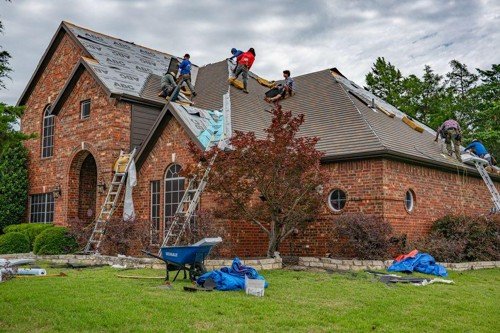
If you live in Sacramento, your roof deals with a rough mix of long dry summers, intense UV exposure, winter rain, and sudden temperature shifts. That combination wears materials down in ways many homeowners don’t notice until leaks or energy bills show up. Before you budget for a replacement, it helps to understand what actually affects roof lifespan, pricing, installation timing, and material performance in this region.
Sacramento homeowners should ask smarter questions before signing a contract
A roof proposal can look straightforward while leaving out critical details. Before you sign, ask whether the estimate includes tear-off, decking replacement allowances, ventilation modifications, flashing replacement, permit handling, cleanup, and warranty terms. Those line items shape the true project cost.
It also helps to ask how the crew handles dry rot, whether installation follows manufacturer specifications, and who supervises the work onsite. A low bid can become expensive if shortcuts lead to callbacks or reduced roof life.
If you’re researching roofing Sacramento, look for companies that understand local weather patterns, code requirements, and system design rather than only basic shingle replacement. That gives you a better shot at getting a roof assembly that performs well through Sacramento’s heat and seasonal rain.
Sacramento weather puts your roof under a specific kind of stress
A roof in Sacramento doesn’t age the same way a roof does in cooler or wetter climates. The biggest factor is prolonged sun exposure. UV radiation gradually breaks down asphalt shingles, dries out sealants, and can make flashing more vulnerable over time.
Then winter brings rain that tests every weak point. A roof that looks fine in August can reveal underlayment issues in January. You also have attic heat buildup to think about. If ventilation is weak, trapped heat can speed up material degradation and push cooling costs higher.
When you’re comparing timelines for replacement, local conditions matter more than a manufacturer’s maximum lifespan estimate. A 30-year shingle rarely performs like a perfect lab number once it spends years baking through Central Valley summers.
The warning signs usually show up before an active leak
Most homeowners wait for water stains, but roof failure often starts with smaller signals. Look for shingle granules collecting in gutters, dark streaking, lifted edges, cracked seal strips, and uneven roof planes. Those issues can point to aging materials or compromised fastening.
Inside the house, rising utility bills can also hint at roof-related problems, especially if poor ventilation or damaged decking is affecting temperature control. In older homes, you may even notice musty smells in the attic after rain.
A visual inspection from the ground is helpful, but it won’t tell you everything. Soft decking, flashing deterioration around penetrations, and hidden moisture intrusion often stay out of sight. Catching those issues early can save you from pairing a roof project with unexpected structural repairs.
Material choice affects more than curb appeal
A lot of homeowners start with color and finish, but performance specs deserve more attention. In Sacramento, reflectivity, wind resistance, fire ratings, and thermal behavior all matter. Asphalt shingles remain common because they balance cost and availability, but not all shingle systems are equal.
Some products are engineered to resist algae staining, impact damage, or extreme heat better than entry-level options. Metal roofing can perform well in high-heat conditions and may last longer, though upfront costs are usually higher. Composite products can also make sense if you want durability with a more tailored look.
The key is matching the system to your house, not only your budget. Roof pitch, attic design, sun exposure, nearby trees, and neighborhood code expectations all shape what will actually work over the next two decades.
Ventilation and underlayment deserve more attention than they get
Homeowners often focus on the visible roofing material and ignore the assembly underneath. That’s a mistake. A roof system only performs well when ventilation, underlayment, flashing, and decking work together.
Poor intake and exhaust ventilation can trap hot air in the attic, creating a cycle that stresses shingles from below while making your HVAC system work harder. Underlayment also matters because it acts as a secondary water barrier once the outer material starts to age.
Flashing details around chimneys, valleys, skylights, and vents are another common failure point. A clean-looking roof can still leak if these transitions are poorly installed. When evaluating contractors or product packages, ask about the entire system rather than only the outer layer. That’s where long-term performance is decided.
Timing your project can affect cost, scheduling, and installation quality
Many homeowners wait until peak leak season to start calling contractors, which limits options fast. Once heavy rain begins, demand rises and schedules tighten. Planning ahead gives you more flexibility to compare materials, review estimates carefully, and choose a better installation window.
Late spring through early fall is often easier for scheduling, but high summer temperatures can still affect jobsite pacing and material handling. Experienced crews know how to manage that, especially with heat-sensitive components and attic work.
If your roof is already near the end of its service life, replacing it proactively usually creates fewer complications than waiting for emergency damage. You’ll have more control over product selection, budget, and contractor availability. It also reduces the chance of interior damage, mold growth, or insulation loss after a sudden storm event.
Energy efficiency is part of the roof conversation now
Roof replacement used to be treated as a basic exterior repair. Now it intersects with energy performance in a real way. In a city like Sacramento, where summer cooling loads can be intense, the roof plays a direct role in indoor comfort and utility costs.
Cool roof products, improved attic ventilation, and better insulation coordination can help reduce heat transfer. Even small design choices, such as shingle color and ridge vent layout, can influence how much heat your home absorbs and holds.
That doesn’t mean every homeowner needs the most premium system available. It means you should think in terms of lifecycle value, not only installation price. A cheaper roof that contributes to higher cooling costs and earlier replacement isn’t necessarily the better financial move over time.
A strong roof decision comes from context, not guesswork
The best roof replacement plans are built around local climate, house design, material performance, and installation quality. Sacramento homeowners often get into trouble when they assume all shingles are interchangeable or that every estimate covers the same scope of work.
A roof is a system, not a surface. It protects your framing, insulation, finishes, air balance, and monthly energy budget all at once. Once you see it that way, the questions become sharper and the decisions become easier.
If your roof is showing age, don’t wait for obvious failure to take it seriously. Get clear about the condition, compare full-system proposals, and choose a solution that fits how your home actually handles Sacramento heat, rain, and seasonal wear.

The Growing Role of SEBI CSCRF in Financial Data Protection

How Employer Of Record Services Help Startups Expand Into New Markets With Lower Operational Risk

What Most Homeowners Miss When Planning a Roof Replacement in Sacramento

Smarter Lawn Feeding and Seeding: How You Get Better Results With the Right Spreader

A Home That Lasts: Smarter Choices for the Next Ten Years

A Season-by-Season Plumbing Guide for New York Homes

Protecting Plumbing Performance Through Proper Drain Maintenance

Which SAFe Scrum Master Training Is Best for You?

Brad Williams Net Worth: How the Famous Comedian Built His Fortune

Shenseea Net Worth: How the Dancehall Star Built Her Fortune

Buying Property Through Your Super? Run an SMSF Loan Calculator Before You Call a Broker

Eractoll: What Is It and Why Did Enterprise Charge You?

How to Make Kofta Kebabs at Home Without Overthinking It

NF Net Worth: How the Rapper Turned Pain Into Millions

Michele Morrone Net Worth: His Salary, Earnings, and Rich Life

Press Release Distribution for Startups: A Practical Guide to Your First Announcement

Innovations in Floristry: BOPP Matte Film as the Go-To Material for Modern Flower Packaging

Inside the Obsession With Chrome Hearts and CDG

Naomi Burton-Crews: The Heartwarming Story of Terry Crews’ Eldest Child

How Interactive Step-by-Step Guides Make Tech Easier to Learn
The Growing Role of SEBI CSCRF in Financial Data Protection
How Employer Of Record Services Help Startups Expand Into New Markets With Lower Operational Risk
What Most Homeowners Miss When Planning a Roof Replacement in Sacramento
Smarter Lawn Feeding and Seeding: How You Get Better Results With the Right Spreader
A Home That Lasts: Smarter Choices for the Next Ten Years
A Season-by-Season Plumbing Guide for New York Homes
Protecting Plumbing Performance Through Proper Drain Maintenance
Which SAFe Scrum Master Training Is Best for You?
Brad Williams Net Worth: How the Famous Comedian Built His Fortune
Shenseea Net Worth: How the Dancehall Star Built Her Fortune
-

 News2 months ago
Who Is Gigi Yallouz? Meet Owain Yeoman’s Wife and Jewelry Designer
-

 News2 months ago
Who Is Tove Torvalds? All About Linus Torvalds’ Wife
-

 News2 months ago
Rajesh Nihalani: What We Know About Archie Panjabi’s Husband
-

 News2 months ago
Stephan Farmiga: Everything to Know About Vera Farmiga’s Brother