
Blog
Artificial Zoo: Everything You Need to Know Before Visiting

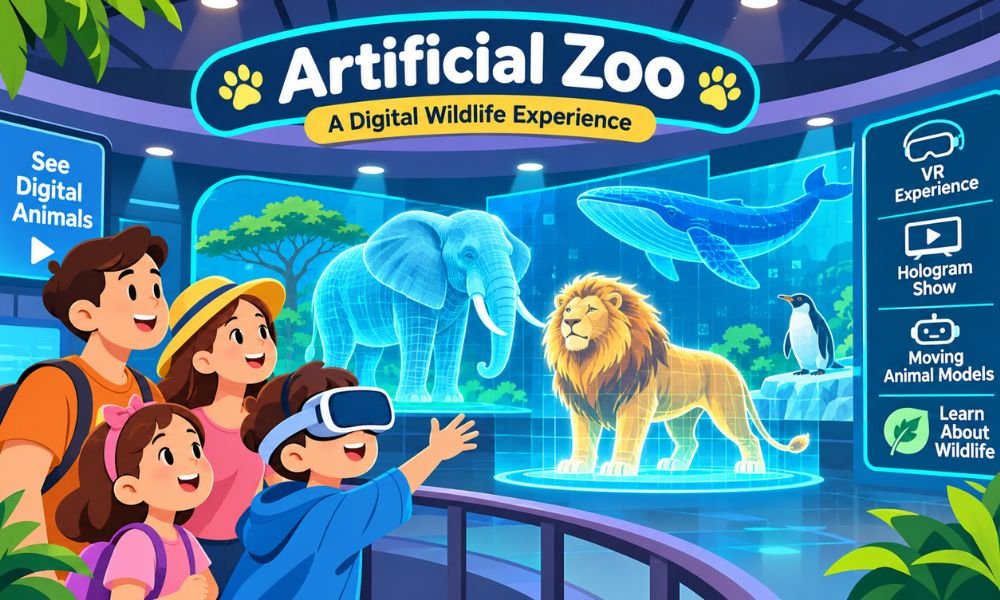
Have you ever wished to see a huge whale swim right past you? What if you could watch a lion walk nearby without any fear? An artificial zoo makes these fun moments possible through digital animals and special technology.
In 2026 many people want new ways to enjoy wildlife. Digital zoos offer a different kind of animal experience. Visitors can explore wild places and learn about animals without seeing them in real cages.
But how does an artificial zoo work? Is it safe for kids? Where can you visit one? This guide will explain how digital zoos work and share real places to visit. It will also help you plan a fun trip.
What Is an Artificial Zoo?
An artificial zoo is a place where visitors see digital animals instead of living ones. These animals may appear on screens or through special glasses. Some places also use moving animal models that look very real.
Think about walking into a room and seeing a giant elephant in front of you. The elephant may move its head or make sounds. Yet it is not alive. It is a digital image made to look real.
The main goal is to make wildlife fun to explore. Some digital zoos focus on learning. Others offer exciting shows for families. A few are part of real zoos or museums that also have live animals.
How Does an Artificial Zoo Work?
An artificial zoo uses modern tools to create animal scenes. These tools can make visitors feel like they are standing in a forest or swimming under the sea. The animals are not real but may look lifelike.
Some places use special headsets. When visitors wear them they can see a digital world around them. A person may see sharks swimming nearby or birds flying above. The headset makes the scene feel close.
Other places use large screens and light shows. These can make animals appear inside a room. Some shows even let visitors move around and explore. The exact experience depends on the tools used at each place.
Different Types of Artificial Zoo Technology
Virtual Reality (VR)
Virtual reality is one of the main tools used in digital zoos. Visitors wear a headset that shows a new world. They may feel like they are walking through a jungle or exploring the deep sea.
The headset can show animals from many sides. Some shows also use sound to make the scene feel real. Visitors may hear birds singing or water moving. This makes the whole visit more exciting.
Augmented Reality (AR) and Mixed Reality
Augmented reality adds digital animals to the real world. For example you may look through a phone and see a tiger standing in your room. The room is real but the tiger is not.
Mixed reality works in a similar way. It can make digital animals seem part of the space around you. Some systems let visitors use their hands or body moves to take part in the show.
Holograms and Moving Animal Models
Some artificial zoos use light and images to make animals appear in a room. These shows are often called hologram shows. Visitors may need special glasses to see the full effect.
Other places use moving animal models. These are called animatronics. They may turn their heads or open their mouths. Unlike digital images these models are real objects with parts that move.
Continue reading: Schedow: Everything You Need to Know About Smart Scheduling
Best Artificial Zoo Attractions Around the World
Hologram Zoo in Brisbane, Australia
One well-known example is Hologram Zoo. This attraction uses special images to show animals in exciting settings. Visitors can enjoy scenes with wildlife and even creatures from long ago.
The attraction is recommended for children aged three and older. Its visitor guide describes a show lasting about 30 minutes. A full session may take around 50 minutes when other parts of the visit are included.
Families should check the show theme before booking. Different sessions may offer different animal scenes. It is also smart to check the ticket price and age rules so everyone knows what to expect.
Visions of Nature in London, England
Visions of Nature is a digital wildlife experience at the Natural History Museum. It lets visitors explore what nature might look like 100 years in the future. The show uses special headsets.
Visitors can see digital animals while still seeing the room around them. This makes it different from some VR shows. The experience helps people think about nature and how the world may change.
The museum lists a minimum age of 10. In September 2026 the listed price was £9.95 for non-members and £7.95 for members. Visitors should check the latest prices and dates before going.
Virtual Reality at Milwaukee County Zoo, USA
Visitors can try experiences such as Gorilla Trek and Shark Dive. The shows offer a new way to explore animals.
The zoo has also listed a show called The Great Migration. These experiences let people see wildlife scenes through virtual reality. Each show has its own theme and gives visitors a different view.
The listed cost was $6 for one show with a $1 discount for Zoo Pass members. Regular zoo entry may cost extra. Families should check the full price before planning their visit.
Artificial Zoo vs Traditional Zoo
An artificial zoo and a traditional zoo offer different experiences. A normal zoo has living animals that need food and care. A digital zoo uses images or models to show animals without keeping those animals alive.
In a real zoo a lion may sleep during your visit. You might not see it move at all. In a digital show the lion can appear at a planned time. This makes the show easier to predict.
Both types can help people learn about wildlife. A real zoo lets visitors watch living animals. A digital zoo can show scenes that are hard to see in nature. The best choice depends on what your family enjoys.
An artificial zoo can be a fun choice for people who enjoy technology. A traditional zoo may suit those who want to watch living animals. Some places offer both experiences during the same visit.
Benefits of Visiting an Artificial Zoo
A Fun Way to See Wild Animals
One big benefit of an artificial zoo is the chance to see animals in new ways. Visitors may watch a huge shark swim close by. They may also see animals from places that are hard to reach.
Digital animals can appear much closer than real wild animals. This can make the show exciting without bringing visitors near a dangerous living animal. Still the equipment and room must be safe for everyone.
Learning About Animals and Nature
Digital zoos can teach people about animal homes and daily life. A show may explain how sea turtles find food. Another may show how animals live in forests or cold places.
Some shows also teach people about pollution and damage to nature. Visitors may see how a clean ocean differs from a dirty one. This can help children understand why animals need safe places to live.
Family Fun and New Experiences
An artificial zoo can be a fun family activity. Parents and children can enjoy animal scenes together. They may talk about what they saw and share their favorite parts after the show.
These visits can also make learning feel like play. A child who loves sharks may enjoy seeing them in a digital ocean. Yet families should choose shows that fit each child’s age and comfort.
Is an Artificial Zoo Good for Kids?
An artificial zoo can be a fun place for children. Kids can see wild animals without getting close to real ones. They can also learn about nature through bright pictures and sounds that make each show feel exciting.
Still not every show is right for every child. Some digital animals may look very big or scary. A loud roar or dark room can upset young kids. Parents should always check the show before booking.
In 2026 many digital wildlife shows offer new ways to learn. But each place has its own age rules. Parents should choose a show that fits their child’s age and make sure they can leave if needed.
Age Limits at Different Attractions
Age rules can change from one artificial zoo to another. Hologram Zoo in Brisbane recommends its shows for children aged three and older. Visions of Nature in London has a minimum age of ten because of its headsets.
These rules help families choose the right show. A young child may enjoy large animal pictures but find a headset too heavy. Always check the age rules on the official website before you buy tickets.
How Kids Can Learn From Digital Animals
Children can learn many things from digital wildlife shows. They may see where animals live and what they eat. Some shows explain why forests and oceans are important for the animals that call them home.
For example a child may see a sea turtle swim through the ocean. The show might explain how plastic waste can harm turtles. This helps children learn about nature while enjoying a fun family activity.
Safety Tips for Young Visitors
Parents should ask about loud sounds and bright lights before visiting. Some children may feel dizzy while wearing VR headsets. Others may not enjoy large animals appearing close to their faces during a show.
It is also smart to ask if adults can stay with their children. Check whether kids can take breaks or leave early. A good artificial zoo should make the visit clear and comfortable for families.
Artificial Zoo Ticket Prices and Visiting Tips
Ticket prices can change based on the place and type of show. Some attractions sell tickets for one digital experience. Others may charge a main entry fee before visitors can enjoy the wildlife show.
For example Milwaukee County Zoo listed its VR shows at $6 each in September 2026. The Natural History Museum in London listed Visions of Nature at £9.95 for non-members. These prices may change over time.
Before visiting an artificial zoo you should check the full cost. Look for booking fees and other charges. This helps families plan their day and avoid paying more than they expected.
How Long Does an Artificial Zoo Visit Take?
Some digital wildlife shows last only a short time. Hologram Zoo in Brisbane has described its main show as around 30 minutes. The full session may take about 50 minutes when other activities are included.
Other attractions may have different show times. Visitors may also need time to put on headsets and hear safety rules. Always check how much time you will spend watching the actual show.
What Should You Check Before Booking?
Start by checking the show date and ticket price. Make sure the attraction is open on the day you want to visit. Also check whether you need to book your place before arriving.
Next look at the age rules and access options. Some visitors may need seats or help with headsets. It is also useful to check the refund rules in case the show is stopped or canceled.
Continue reading: FintechZoom.com: Is It Useful for Financial Research?
Can an Artificial Zoo Help Save Wildlife?
An artificial zoo can help people learn why animals need protection. Digital shows can explain how forests are lost and why oceans become dirty. They can also show how these changes affect animals in the wild.
For example a show may take visitors into a clean ocean full of fish. It may then show the same place filled with waste. This can help people understand why keeping water clean matters.
However digital shows cannot save animals on their own. Real wildlife still needs safe homes and proper care. A digital zoo can help teach people but it cannot replace the work needed to protect nature.
How Digital Zoos Teach People About Nature
Digital wildlife shows can make hard topics easier to understand. Visitors can see how animals live in different places. They may also learn how changes in weather and land can harm wildlife.
A good show does more than display beautiful animals. It explains what visitors are seeing and why it matters. This gives families useful facts to talk about after their visit.
Do Artificial Zoos Support Real Wildlife Projects?
Some attractions may say they help save wildlife. But visitors should check what that means. A place may teach people about animals without giving money to any wildlife project.
Look for clear details about donations or named wildlife groups. If an attraction says part of its ticket money helps animals then it should explain where that money goes. This helps visitors know what they support.
Problems and Limits of Artificial Zoos
An artificial zoo offers many fun experiences. Still it has some limits. Digital animals may look real but they cannot act exactly like living animals. Their movements and actions are made by people or computer systems.
A real elephant may choose when to walk or eat. A digital elephant follows the design of its show. This means visitors may miss the chance to watch real animal behavior.
Some shows also need costly equipment. Headsets and special screens can break or stop working. Visitors should know what happens if a show ends early because of a problem.
Can Digital Animals Replace Real Animals?
Digital animals can help people learn about wildlife. They can also show animals that would be hard to see in real life. But they cannot fully replace the experience of watching a living animal.
Both types of visits offer something different. A traditional zoo lets people see real animals. A digital zoo can show planned scenes and teach lessons through pictures and sound.
Headset Problems and Visitor Comfort
Some people may feel sick or dizzy when using VR headsets. Others may find them heavy or hard to wear. Bright lights and fast-moving scenes can also make some visitors feel uncomfortable.
Visitors should follow the safety rules at each attraction. If someone feels unwell they should stop using the headset. Families should also ask about shows that do not need headsets.
Ticket Costs and Access Problems
Some digital shows may cost more than families expect. A visitor might need to pay for the main attraction and then buy another ticket for the VR show. This can make a family trip expensive.
Not every show is easy for all visitors to use. Some may require standing or holding special tools. Before booking check for seating and wheelchair access. Also ask about captions and other help if needed.
The Future of Artificial Zoos
The future of artificial zoos may bring new ways to enjoy wildlife. As technology improves digital animals may look more real. Visitors may also get more ways to explore and take part in animal shows.
Imagine walking through a digital forest and seeing animals move around you. You might learn about each animal by looking at it or choosing a topic. Some future shows could make learning more like a game.
In 2026 places such as Hologram Zoo and Visions of Nature already show what this technology can do. More museums and parks may try similar ideas. Still future growth will depend on cost and visitor interest.
How New Technology May Improve Digital Zoos
Better screens and headsets may make digital wildlife scenes clearer. New tools could also help animals move in more natural ways. These changes may make shows easier to enjoy and understand.
Some attractions may also use artificial intelligence to make animals respond to visitors. But not every digital zoo uses AI today. Each place uses its own tools to create the experience.
Why More Places May Use Digital Wildlife Shows
Digital wildlife shows can bring new experiences to museums and parks. They can show animals from faraway places without bringing those animals into the building. This gives visitors more ways to explore nature.
Schools may also find these shows useful for teaching. Students could explore oceans or forests through digital scenes. Yet good lessons still need clear facts and help from teachers.
Conclusion
An artificial zoo offers a new way to see and learn about wildlife. It uses digital images and special tools to create animal experiences. Visitors can explore nature through shows without seeing those animals alive.
These attractions can be fun for children and adults. They may also help people understand why wildlife matters. But every show is different. Some use headsets while others use screens or moving models.
Before visiting an artificial zoo check ticket prices and age rules. Make sure the show fits your family and your budget. With the right choice a digital wildlife visit can be both fun and useful.
(FAQs)
What Is an Artificial Zoo?
An artificial zoo is a place where people see digital animals. These animals are not real. They appear on screens or through special glasses. Visitors can watch lions and sharks without getting close to real wild animals.
Are There Real Animals in an Artificial Zoo?
No. The animals in digital shows are not alive. They are made with pictures and special tools. Some shows take place inside real zoos. Those places may also have living animals for visitors to see.
Where Can You Visit an Artificial Zoo in 2026?
You can find Hologram Zoo in Brisbane. London has a show called Visions of Nature. Milwaukee County Zoo also offers digital animal shows. Check each place before visiting to make sure tickets are still on sale.
How Much Does an Artificial Zoo Cost?
The price depends on the place. Milwaukee County Zoo listed VR shows at $6 each in 2026. A show in London listed tickets at £9.95 for adults who are not members. Prices can change.
Is an Artificial Zoo Safe for Kids?
Yes. Many digital zoos are made for families. But some shows have loud sounds and bright lights. Young kids may feel scared. Parents should check the age rules and stay close to their children.
Can You Touch Animals in an Artificial Zoo?
You cannot touch digital animals like real ones. Some shows let you move your hands to play with animal images. Other shows only let you watch. It depends on the tools used at each place.
How Long Does an Artificial Zoo Visit Take?
Most visits depend on the type of show. Hologram Zoo in Brisbane has described a show lasting about 30 minutes. The full visit may take around 50 minutes. Other places may have different show times.
Can an Artificial Zoo Help Save Wild Animals?
An artificial zoo can teach people about wild animals. It can show why forests and oceans need care. But digital shows cannot save animals alone. Real animals still need safe homes and help from people.
What Is the Difference Between an Artificial Zoo and a Real Zoo?
An artificial zoo shows digital animals. A real zoo has living animals that need food and care. Digital animals follow a planned show. Real animals can move and act in their own way.
Will Artificial Zoos Replace Real Zoos in the Future?
No one knows for sure. Artificial zoos may become more common in the future. They offer fun ways to learn about wildlife. But real zoos let people see living animals. Both offer different experiences.
Continue reading: Nionenad: What Makes This Online Platform Worth Exploring?

How Peer Review Improves Research Quality: What Authors Should Know

Smart Student Recruitment Strategies for Colleges and Universities in a Competitive Education Market

Smart Game Booster Review: How to Improve FPS and Reduce Ping for Better Gaming

The 3 Carat Diamond, Explained: What the Weight Means, What It Costs and How to Buy One Well

Why is the Demand for Farm Equipment Loans Rising in Modern Agriculture

Beyond the Surgery: Understanding the Full Cost of Scoliosis Surgery in India

How to Maintain Your PC for Better Everyday Performance and Gaming

The Growing Role of SEBI CSCRF in Financial Data Protection

How Employer Of Record Services Help Startups Expand Into New Markets With Lower Operational Risk

What Most Homeowners Miss When Planning a Roof Replacement in Sacramento

Buying Property Through Your Super? Run an SMSF Loan Calculator Before You Call a Broker

How to Make Kofta Kebabs at Home Without Overthinking It

Press Release Distribution for Startups: A Practical Guide to Your First Announcement

NF Net Worth: How the Rapper Turned Pain Into Millions

Michele Morrone Net Worth: His Salary, Earnings, and Rich Life

Innovations in Floristry: BOPP Matte Film as the Go-To Material for Modern Flower Packaging

Inside the Obsession With Chrome Hearts and CDG

Naomi Burton-Crews: The Heartwarming Story of Terry Crews’ Eldest Child

How Interactive Step-by-Step Guides Make Tech Easier to Learn

Hi3D: Accelerating Creative Prototyping with AI-Powered 3D Design
How Peer Review Improves Research Quality: What Authors Should Know
Smart Student Recruitment Strategies for Colleges and Universities in a Competitive Education Market
Smart Game Booster Review: How to Improve FPS and Reduce Ping for Better Gaming
The 3 Carat Diamond, Explained: What the Weight Means, What It Costs and How to Buy One Well
Why is the Demand for Farm Equipment Loans Rising in Modern Agriculture
Beyond the Surgery: Understanding the Full Cost of Scoliosis Surgery in India
How to Maintain Your PC for Better Everyday Performance and Gaming
The Growing Role of SEBI CSCRF in Financial Data Protection
How Employer Of Record Services Help Startups Expand Into New Markets With Lower Operational Risk
What Most Homeowners Miss When Planning a Roof Replacement in Sacramento
-

 News2 months ago
Who Is Gigi Yallouz? Meet Owain Yeoman’s Wife and Jewelry Designer
-

 News2 months ago
Who Is Tove Torvalds? All About Linus Torvalds’ Wife
-

 News2 months ago
Rajesh Nihalani: What We Know About Archie Panjabi’s Husband
-

 News3 months ago
Stephan Farmiga: Everything to Know About Vera Farmiga’s Brother