
Blog
Direct to Film Printing: Planning Production, Managing Quality, and Choosing the Right Workflow

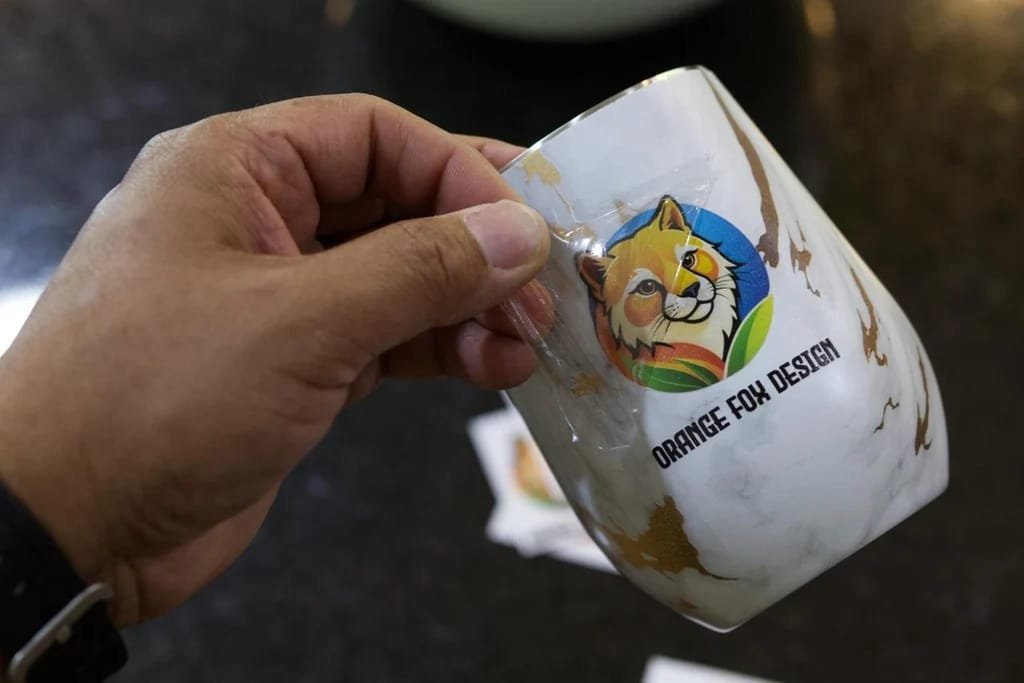
Choosing a garment decoration method involves more than deciding how an image will be printed. Businesses and independent creators also need to consider order quantities, material costs, production time, design requirements, and the consistency of finished products. DTF printing is one option that addresses several of these needs by separating the printing stage from the actual garment application.
Rather than printing directly onto clothing, this process creates a design on a specialised film that can be transferred to fabric later. This separation offers flexibility, but it also introduces additional materials and quality checks. Understanding the practical side of the method can help determine when it is suitable for a particular project.
When Does Direct to Film Printing Make Sense?
Direct to film printing can be useful when a design needs to be reproduced on different garments or when production involves changing artwork and relatively small batches. Since the image is prepared as a transfer, printing and garment decoration do not have to happen at the same time. For example, a clothing business might prepare several transfers in advance and apply them as customer orders arrive. This can make production planning easier when garment sizes, colours, or styles vary.
The method is also useful for artwork containing multiple colours, gradients, and intricate details. Unlike processes that require separate screens for individual colours, DTF printing handles complex digital artwork through a controlled printing workflow. However, it is not automatically the most economical choice for every order. Large production runs may benefit from other methods, depending on artwork consistency, labour requirements, and available equipment.
Understanding the Production Costs
The cost of producing a DTF transfer comes from several components rather than the printer alone. A realistic estimate should account for:
- Printing materials: Film, inks, and adhesive powder are recurring consumables.
- Equipment: Printers, curing units, heat presses, and maintenance supplies contribute to operating costs.
- Labour: Artwork preparation, printing, powder application, curing, pressing, and inspection all require time.
- Waste: Misprints, damaged transfers, and unsuccessful applications increase the cost per usable design.
- Garments: The type, size, colour, and quality of the clothing also affect the total production expense.
For small businesses, it is useful to calculate costs based on successful finished garments rather than the number of transfers printed. A sheet containing several designs may look economical initially, but mistakes during application can reduce the number of usable pieces. Keeping basic production records makes it easier to identify where materials or time are being wasted.
How to Organise Orders More Efficiently
A consistent workflow can make direct to film printing easier to manage, especially when several designs or garment types are involved. Start by grouping artwork according to size, colour requirements, and intended application. Similar designs may be arranged together to make better use of transfer film. Leave suitable spacing between graphics so they can be separated without damaging their edges. Next, organise transfers by customer order or garment type. Clear labels reduce the risk of applying the wrong design to an item. This matters when a production batch includes different sizes, colours, names, or customised graphics.
Before pressing, confirm the fabric type and check the recommended temperature, pressure, and application time for the transfer materials. These settings should not be treated as universal because films, adhesives, and textiles can have different requirements. A written job sheet containing the design name, garment details, and pressing instructions can help maintain consistency across multiple orders.
Quality Control: What Should Be Checked?
Quality inspection should take place at more than one stage. Checking only the completed garment makes it harder to identify the source of a defect.
Before printing: Examine the artwork for unclear edges, incorrect dimensions, and unwanted background elements. Confirm that the file is suitable for the intended print size.
After printing: Look for missing details, uneven colour, and alignment problems. The white ink layer should also be inspected where it forms part of the design.
After curing: Check whether the adhesive powder has formed an even layer. Inconsistent coverage can affect bonding during garment application.
After pressing: Inspect the design for incomplete adhesion, lifting edges, distorted details, or visible damage to the fabric. Follow the film supplier’s peeling instructions because different transfer films may require different peeling conditions.
Testing samples before a large production run can reveal problems without putting an entire order at risk.
Important Limitations to Consider
Although DTF printing is compatible with many commonly used fabrics, the results depend on the textile and transfer materials. Cotton, polyester, and blended fabrics may be suitable, but their heat tolerance, surface texture, and stretch characteristics differ. A design applied to a stretchy garment must withstand movement. Large printed areas may also feel different from the surrounding fabric, which can influence comfort and appearance.
Another consideration is the heat-press requirement. Every garment must be suitable for the temperature needed by the transfer system. Delicate fabrics or items with heat-sensitive coatings may require an alternative decoration method. It is also important not to confuse DTF with UV printing. For example, eufyMake is associated with UV printing technology, which uses ultraviolet-curable inks on compatible surfaces. Conventional garment DTF instead relies on printed transfer film, adhesive powder, and heat to attach a design to fabric. These processes serve different applications.
Choosing Between DTF and Other Printing Methods
The most appropriate method depends on the production goal. Screen printing can be cost-effective for large quantities of identical designs, although preparing screens adds time and setup work. Direct to film printing offers another option by allowing designs to be printed onto a special film before being transferred to garments. Direct-to-garment printing places ink directly onto clothing and may suit certain cotton-based applications. Sublimation is useful for compatible polyester materials and coated products but has more limited fabric compatibility.
DTF offers a different balance: designs can be prepared separately and transferred to a range of suitable textiles. Before choosing it, compare the expected order size, material requirements, available equipment, and desired finish.
Conclusion
Direct to film printing is a flexible option for producing garment designs that can be printed in advance and applied when needed. Its practical advantages depend on careful order organisation, realistic cost calculations, compatible fabrics, and consistent quality checks. Rather than treating it as a universal solution, businesses should evaluate their production volume and garment requirements before selecting this method.
Frequently Asked Questions
Can DTF transfers be prepared before a customer places an order?
Yes. Transfers can generally be printed and stored for later application when they are kept under suitable conditions. This can help businesses prepare frequently requested designs in advance.
Does direct to film printing work for personalised clothing?
Yes. It can be used for names, numbers, customised graphics, and other individual designs. Artwork preparation and order labelling are particularly important when producing personalised items.
How can a business reduce wasted DTF materials?
Careful artwork checks, organised production sheets, sample testing, and regular equipment maintenance can help reduce misprints and unsuccessful transfers. Recording the causes of defects also helps improve future production runs.
Does the size of a DTF design affect the finished garment?
Yes. Larger designs cover more fabric and may feel different from smaller graphics. Their appearance and comfort also depend on the garment material, adhesive, and transfer construction.
Is DTF printing suitable for every type of clothing?
No. Fabric composition, texture, stretch, and heat tolerance influence compatibility. Each material should be tested against the transfer supplier’s recommendations before full production.

Direct to Film Printing: Planning Production, Managing Quality, and Choosing the Right Workflow

How Peer Review Improves Research Quality: What Authors Should Know

Smart Student Recruitment Strategies for Colleges and Universities in a Competitive Education Market

Smart Game Booster Review: How to Improve FPS and Reduce Ping for Better Gaming

The 3 Carat Diamond, Explained: What the Weight Means, What It Costs and How to Buy One Well

Why is the Demand for Farm Equipment Loans Rising in Modern Agriculture

Beyond the Surgery: Understanding the Full Cost of Scoliosis Surgery in India

How to Maintain Your PC for Better Everyday Performance and Gaming

The Growing Role of SEBI CSCRF in Financial Data Protection

How Employer Of Record Services Help Startups Expand Into New Markets With Lower Operational Risk

Buying Property Through Your Super? Run an SMSF Loan Calculator Before You Call a Broker

How to Make Kofta Kebabs at Home Without Overthinking It

Press Release Distribution for Startups: A Practical Guide to Your First Announcement

NF Net Worth: How the Rapper Turned Pain Into Millions

Michele Morrone Net Worth: His Salary, Earnings, and Rich Life

Naomi Burton-Crews: The Heartwarming Story of Terry Crews’ Eldest Child

How Interactive Step-by-Step Guides Make Tech Easier to Learn

Innovations in Floristry: BOPP Matte Film as the Go-To Material for Modern Flower Packaging

Inside the Obsession With Chrome Hearts and CDG

Hi3D: Accelerating Creative Prototyping with AI-Powered 3D Design
Direct to Film Printing: Planning Production, Managing Quality, and Choosing the Right Workflow
How Peer Review Improves Research Quality: What Authors Should Know
Smart Student Recruitment Strategies for Colleges and Universities in a Competitive Education Market
Smart Game Booster Review: How to Improve FPS and Reduce Ping for Better Gaming
The 3 Carat Diamond, Explained: What the Weight Means, What It Costs and How to Buy One Well
Why is the Demand for Farm Equipment Loans Rising in Modern Agriculture
Beyond the Surgery: Understanding the Full Cost of Scoliosis Surgery in India
How to Maintain Your PC for Better Everyday Performance and Gaming
The Growing Role of SEBI CSCRF in Financial Data Protection
How Employer Of Record Services Help Startups Expand Into New Markets With Lower Operational Risk
-

 News2 months ago
Who Is Gigi Yallouz? Meet Owain Yeoman’s Wife and Jewelry Designer
-

 News2 months ago
Who Is Tove Torvalds? All About Linus Torvalds’ Wife
-

 News2 months ago
Rajesh Nihalani: What We Know About Archie Panjabi’s Husband
-

 News3 months ago
Stephan Farmiga: Everything to Know About Vera Farmiga’s Brother