Lifestyle
Transforming Your Space with Quality Flooring: A Complete Guide to Style, Durability, and Long-Term Value

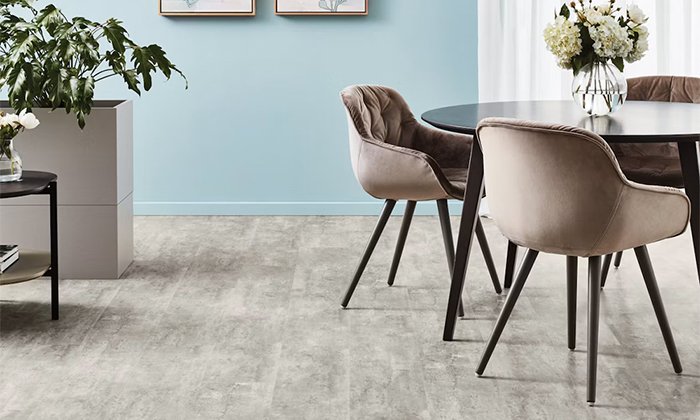
Flooring is one of the most important elements of any interior space because it influences the overall appearance, comfort, functionality, and value of a property. Whether you are renovating an existing home, designing a new commercial environment, or upgrading a particular room, selecting the right flooring can make a significant difference. A well-chosen floor creates a welcoming atmosphere, complements interior decorations, and provides a durable foundation for everyday activities. Since flooring is used constantly, it is essential to consider more than just its appearance when making an investment. Factors such as material quality, maintenance requirements, installation techniques, durability, and budget all play an important role in achieving satisfactory results. Working with an experienced flooring company can help property owners understand their options, avoid common installation mistakes, and select a solution that meets their practical and aesthetic requirements.
Understanding the Importance of Quality Flooring
Quality flooring contributes significantly to the functionality and visual appeal of any property. It creates the foundation for interior design and influences how furniture, lighting, wall colors, and decorative accessories come together. An attractive floor can make a room appear more spacious, organized, and inviting, while an unsuitable material may affect both comfort and practicality. For example, a warm wood-inspired surface can create a welcoming atmosphere in living spaces, whereas durable tile flooring may be more appropriate for areas exposed to moisture and frequent cleaning. Choosing a suitable material requires an understanding of how each room will be used and what conditions the flooring will need to withstand.
Beyond appearance, flooring plays an important role in everyday convenience and long-term property maintenance. Surfaces that resist scratches, stains, moisture, and general wear can help reduce repair expenses over time. Families with children or pets may require materials that are easy to clean and capable of handling frequent activity. Commercial properties often need stronger surfaces that can accommodate regular foot traffic without quickly losing their appearance. By considering these practical requirements before making a purchase, property owners can achieve a balance between attractive design and reliable performance.
Exploring Different Types of Flooring Materials
The flooring industry offers a wide selection of materials, each with distinct characteristics, benefits, and limitations. Understanding these differences makes it easier to choose a product that suits the intended environment. Hardwood, laminate, vinyl, tile, carpet, and engineered wood are among the most popular options available. Each material offers different levels of durability, comfort, maintenance, and design flexibility, making it important to evaluate individual needs rather than choosing a product based solely on appearance.
Hardwood flooring remains a popular choice because of its natural beauty, timeless character, and ability to complement various interior styles. It can introduce warmth and elegance into bedrooms, living rooms, dining areas, and other residential spaces. Different wood species, finishes, and installation patterns provide opportunities for customization. However, hardwood may require regular maintenance and appropriate protection against moisture, scratches, and excessive humidity. Its suitability depends on the environment and the level of care the property owner is prepared to provide.
Laminate flooring is another practical alternative for individuals who appreciate the appearance of natural wood but want a different combination of affordability and maintenance convenience. Modern laminate products are available in numerous patterns, textures, and finishes that imitate wood and stone. Their layered construction provides a decorative surface supported by a protective wear layer and a stable core. Although laminate is generally easier to maintain than traditional hardwood, its resistance to moisture varies between products, so selecting an appropriate option is particularly important for kitchens and other areas where spills may occur.
Vinyl flooring has also become increasingly popular because of its versatility, comfort, and range of available designs. Luxury vinyl planks and tiles can replicate the appearance of natural materials while providing a practical surface for everyday use. Many products offer water-resistant or waterproof construction, although performance depends on the specific product and installation system. Vinyl is commonly considered for kitchens, bathrooms, laundry rooms, and busy family areas because it is relatively easy to clean and available in designs that complement contemporary interiors.
Tile flooring provides another dependable solution, particularly in environments where moisture resistance and easy cleaning are important. Ceramic and porcelain tiles are available in countless colors, patterns, sizes, and finishes. Their hard surfaces can withstand considerable everyday use, making them suitable for bathrooms, kitchens, hallways, and commercial environments. However, installation requires careful preparation, accurate alignment, and appropriate grouting to achieve a professional result. Carpet, meanwhile, offers softness, warmth, and sound absorption, making it an appealing option for bedrooms, offices, and comfortable living areas.
Why Professional Installation Makes a Difference
Selecting high-quality flooring is only one part of a successful renovation project. Proper installation is equally important because even excellent materials may perform poorly when installed incorrectly. Uneven surfaces, inaccurate measurements, inadequate preparation, and poorly fitted joints can lead to visible imperfections and premature damage. Professional installation helps minimize these problems by following appropriate procedures and using suitable equipment for each material.
An experienced flooring company can assess the condition of the existing surface, identify potential installation challenges, and recommend suitable preparation methods before the project begins. Subfloor inspection is particularly important because moisture problems, cracks, uneven sections, and structural weaknesses may affect the finished floor. Addressing these concerns early helps prevent complications that could otherwise become expensive to correct later. Professional installers also understand the expansion requirements, adhesive specifications, underlayment options, and installation patterns associated with different flooring products.
Attention to detail is another major advantage of professional workmanship. Accurate cutting, consistent spacing, clean transitions, and properly finished edges contribute to a polished appearance. These details are especially important in rooms with unusual layouts, multiple doorways, built-in cabinets, or architectural features that require precise adjustments. A carefully installed floor not only looks better but can also provide more reliable performance throughout its expected lifespan.
How to Choose Flooring That Matches Your Lifestyle
Every property has different requirements, so choosing flooring should begin with an assessment of everyday activities and environmental conditions. A busy household may need surfaces that tolerate frequent movement, accidental spills, and regular cleaning. A quiet bedroom may benefit from a softer material that creates a comfortable atmosphere, while a home office may require flooring that supports furniture movement and reduces unnecessary noise. Understanding how each room functions helps narrow down the available options and prevents unsuitable purchasing decisions.
Pet owners should pay particular attention to scratch resistance, stain protection, and ease of cleaning. Flooring with a durable protective finish can help maintain its appearance despite regular activity from pets. Families with young children may prefer surfaces that are simple to clean and comfortable for everyday movement. In areas where water exposure is common, moisture-resistant materials can provide additional peace of mind, provided the installation system is also appropriate for the environment.
Personal preferences are equally important because flooring has a major influence on interior design. Some homeowners prefer the natural character of wood, while others appreciate the clean appearance of stone-inspired surfaces or the softness of carpet. Color selection should also be considered carefully. Lighter flooring can create an open and airy impression, whereas darker finishes may introduce depth and contrast. Neutral shades often provide greater flexibility when updating furniture, wall colors, and decorative accessories in the future.
The Role of Proper Flooring Maintenance
Regular maintenance is essential for preserving the appearance and performance of flooring materials. Even durable products can deteriorate when exposed to abrasive dirt, excessive moisture, unsuitable cleaning chemicals, or neglected spills. Developing a consistent cleaning routine helps protect the surface and reduces the likelihood of unnecessary repairs. The exact maintenance requirements depend on the flooring material, manufacturer recommendations, and the amount of daily activity in the space.
One of the simplest ways to protect flooring is to remove dust, sand, and other abrasive particles regularly. These materials can gradually scratch protective finishes when people walk across the surface. Sweeping, vacuuming with an appropriate attachment, and using suitable cleaning products can help maintain a clean appearance. Placing entrance mats near doorways also reduces the amount of dirt and moisture brought indoors. Furniture pads are another useful precaution because they help prevent scratches caused by chairs, tables, and other heavy objects.
Moisture management is particularly important for materials that may expand, warp, or become damaged when exposed to excessive water. Spills should be cleaned promptly, and cleaning methods should follow the manufacturer’s instructions. Hardwood flooring may require specialized cleaning products, while tile surfaces benefit from appropriate grout maintenance. Vinyl and laminate products should also be cleaned according to their specific care guidelines. Avoiding harsh chemicals and excessive water helps maintain the original finish and supports long-term performance.
Flooring Trends That Enhance Modern Interiors
Interior design trends continue to influence the appearance, texture, and color of contemporary flooring. Many property owners are increasingly interested in natural-looking materials that create a comfortable and balanced atmosphere. Wood-inspired finishes, subtle textures, warm neutral colors, and realistic stone patterns remain popular because they can complement a wide variety of furniture and decorative styles. These designs offer a combination of visual appeal and versatility without requiring an overly complicated interior arrangement.
Wide-plank flooring is another design choice that can create a more spacious and cohesive appearance. Larger planks reduce the number of visible seams and can help establish a clean visual flow throughout connected rooms. Depending on the material and installation pattern, they can complement traditional, transitional, and modern interiors. Herringbone and chevron patterns are also appreciated for their decorative character, adding movement and sophistication to selected spaces.
Natural and earthy shades are particularly useful for creating calm interiors. Warm browns, soft beige tones, muted greys, and natural oak-inspired finishes can work well with both light and dark furniture. Textured surfaces can also add depth without making the room appear visually crowded. Although following design trends can be enjoyable, it is important to prioritize personal preferences and long-term practicality. Flooring is a substantial investment, so selecting a design that remains appealing over time is often more beneficial than choosing a style simply because it is currently fashionable.
Understanding the Cost of a Flooring Project
Budget planning is an essential part of any flooring renovation because the total investment involves more than the purchase price of the material. Property owners should consider product costs, installation labor, underlayment, adhesives, subfloor preparation, removal of existing flooring, and finishing accessories. Additional expenses may arise when installers discover hidden moisture damage, uneven surfaces, or structural problems that need attention before the new floor can be fitted.
The size and complexity of the project also influence the overall cost. A straightforward rectangular room may require less labor than an area containing multiple corners, stairs, narrow passages, or built-in features. Material selection can create considerable price differences as well. Natural hardwood, premium porcelain tile, and specialized flooring products may require a larger initial investment than standard laminate or basic vinyl options. However, the cheapest option is not necessarily the most economical over the long term if it requires frequent repairs or replacement.
Obtaining a detailed quotation helps property owners understand exactly what is included in a proposed project. It is useful to confirm material specifications, installation procedures, preparation work, waste allowances, finishing details, and warranty conditions before approving the work. Comparing quotations based on the same requirements provides a clearer understanding of value. Rather than focusing exclusively on the lowest price, consider the quality of materials, professional experience, installation standards, and expected durability.
Sustainable Flooring Choices for Environmentally Conscious Properties
Environmental considerations have become increasingly important in property improvement decisions. Many consumers now look for flooring products that combine reliable performance with responsible manufacturing practices. Sustainable flooring may include responsibly sourced wood, recycled materials, natural products, and options manufactured through processes designed to reduce environmental impact. Selecting such materials can support more thoughtful renovation decisions while maintaining the appearance and functionality expected from modern flooring.
Bamboo and cork are examples of materials that attract attention because of their renewable characteristics. Bamboo is known for its distinctive appearance and can provide a durable surface when properly manufactured and installed. Cork offers natural softness and insulation properties that may improve comfort in certain environments. However, the environmental benefits of any flooring product depend on factors such as sourcing, manufacturing, transportation, adhesives, and product lifespan. Buyers should therefore review product documentation rather than relying on broad sustainability claims.
Durability is another important aspect of environmental responsibility. Flooring that remains functional for many years may reduce the need for repeated replacement and the resources associated with additional renovation projects. Proper maintenance and professional installation also contribute to longer product life. By considering the complete lifecycle of a material, property owners can make decisions that support both practical needs and environmental awareness.
Common Flooring Mistakes and How to Avoid Them
Flooring renovations can become complicated when important details are overlooked during planning. One common mistake is selecting a material based entirely on its appearance without considering the conditions of the room. A beautiful product may not be appropriate for an environment exposed to excessive moisture, heavy traffic, or frequent temperature changes. Understanding product specifications and matching them to the intended application helps prevent avoidable problems.
Another mistake is ignoring subfloor preparation. Installing new flooring over an uneven, damaged, or unsuitable surface can result in movement, cracking, gaps, and other performance issues. The existing surface should be inspected carefully before installation begins. Any necessary repairs, cleaning, moisture testing, or leveling should be completed according to the requirements of the selected flooring system.
Incorrect measurements can also create delays and unnecessary expenses. Purchasing too little material may interrupt the project, while buying excessive quantities can increase waste and costs. Accurate measurements should account for room dimensions, irregular shapes, cutting requirements, and the recommended additional material allowance. It is also important to consider transitions between different rooms and flooring types because poorly planned connections can affect both appearance and safety.
Choosing an installer without checking experience, previous work, or service conditions is another avoidable risk. Property owners should review portfolios, request detailed estimates, and clarify warranty arrangements before making a decision. Taking time to evaluate these factors can help create a smoother renovation experience and reduce the likelihood of disappointment.
Improving Property Value Through Flooring Upgrades
Flooring improvements can contribute positively to the overall appeal and marketability of a property. Buyers and tenants often notice the condition of floors when evaluating a home or commercial space because flooring influences the impression of cleanliness, maintenance, and interior quality. Worn carpets, damaged tiles, scratched surfaces, and outdated finishes may make a property appear neglected, whereas well-maintained flooring can create a more attractive and welcoming environment.
The value of an upgrade depends on several factors, including the property type, local market expectations, material quality, installation standards, and overall interior condition. Neutral and versatile designs may appeal to a broader range of potential buyers because they provide a flexible foundation for different furniture arrangements and decorating preferences. Durable materials can also be attractive to individuals who want to minimize immediate maintenance requirements after moving into a property.
However, property owners should approach flooring upgrades as part of a broader improvement strategy rather than expecting every project to produce a guaranteed financial return. The most successful choices are generally those that improve everyday usability, complement the property’s design, and remain suitable for long-term occupancy. When these objectives are considered together, flooring improvements can provide meaningful practical and aesthetic benefits.
Finding the Right Professionals for Your Flooring Project
Choosing the right professionals is one of the most important decisions when planning a flooring upgrade. Reliable installers should demonstrate practical experience, understand different flooring systems, communicate clearly, and provide transparent information about project costs and timelines. Their ability to assess the existing surface, recommend appropriate materials, and explain the installation process can make the entire experience more manageable for property owners.
When evaluating potential providers, it is useful to review previous projects and customer feedback. Photographs of completed installations can offer insight into workmanship, attention to detail, and the types of materials handled by the team. Asking about installation experience with a particular product is also worthwhile because different flooring systems require different preparation methods and technical knowledge. A professional who understands the selected material is more likely to identify potential challenges before they become significant problems.
Communication should remain clear throughout the project. Property owners should understand what preparation work is necessary, how long installation is expected to take, whether furniture removal is included, and what maintenance instructions will apply after completion. Written estimates and clearly explained service terms help prevent misunderstandings. A reputable flooring company should also be willing to discuss material specifications, installation recommendations, and relevant warranty information without making unrealistic promises.
Creating a Comfortable and Attractive Space with the Right Flooring
A successful flooring project combines careful planning, suitable materials, professional workmanship, and consistent maintenance. Each of these elements contributes to the final appearance and long-term performance of the finished surface. By evaluating room conditions, understanding material differences, establishing a realistic budget, and considering future maintenance needs, property owners can make more informed decisions and avoid many common renovation challenges.
Flooring should be viewed as a long-term investment rather than a simple decorative purchase. The right surface can improve everyday comfort, create visual harmony, support practical activities, and enhance the overall atmosphere of a property. Whether the goal is to introduce natural warmth, achieve a contemporary appearance, improve durability, or simplify cleaning, there are numerous options available to accommodate different preferences and requirements.
Ultimately, the best flooring company solution is one that balances appearance, functionality, quality, and value. Taking time to research materials and work with experienced professionals can make a noticeable difference in the success of the project. With appropriate planning and attention to detail, a flooring upgrade can transform an ordinary interior into a more comfortable, attractive, and functional space that continues to meet the needs of its occupants for years to come.

How to Write an eBook to Generate Leads and Build Authority

Phoenix’s Holiday Travel Season Begins: What Drivers Should Know Before Thanksgiving and Christmas Road Trips

Buying This Shop as a Gift, With No Size Chart to Lean On

Ten to Fifteen Days, or Five: What Each Shipping Tier Buys

How Newsrooms Can Use AI Drafting Without Losing Editorial Standards

A Practical Guide to Organizing Records for a U.S. Investor Immigration Case

How to Prepare a Used Boat for Sale: A Clear Checklist for Owners

Commercial Rooftop Solar Installation in Phoenix: A Complete Guide for Business Owners

11 Creative Ways to Decorate Your Home with Willow Storage Baskets

Sammy Hagar Net Worth: Cabo Wabo, Cars, Homes, and His Huge Fortune

Buying Property Through Your Super? Run an SMSF Loan Calculator Before You Call a Broker

How to Make Kofta Kebabs at Home Without Overthinking It

NF Net Worth: How the Rapper Turned Pain Into Millions

Michele Morrone Net Worth: His Salary, Earnings, and Rich Life

Who Is Ariane Bourdain? All About Anthony Bourdain’s Daughter

Oleksandra Zelenska: Who Is Volodymyr Zelensky’s Daughter?

Who Is Leonard Francois? Meet Naomi Osaka’s Father and First Tennis Coach

Hi3D: Accelerating Creative Prototyping with AI-Powered 3D Design

Ethan Klein Net Worth: YouTube H3 Podcast and His Wealth

Parke Official and Mixed Emotions: Everyday Style Meets Modern Streetwear
How to Write an eBook to Generate Leads and Build Authority
Phoenix’s Holiday Travel Season Begins: What Drivers Should Know Before Thanksgiving and Christmas Road Trips
Buying This Shop as a Gift, With No Size Chart to Lean On
Ten to Fifteen Days, or Five: What Each Shipping Tier Buys
How Newsrooms Can Use AI Drafting Without Losing Editorial Standards
A Practical Guide to Organizing Records for a U.S. Investor Immigration Case
How to Prepare a Used Boat for Sale: A Clear Checklist for Owners
Commercial Rooftop Solar Installation in Phoenix: A Complete Guide for Business Owners
11 Creative Ways to Decorate Your Home with Willow Storage Baskets