Guide
Choosing Quality Forklift Parts for Reliable Industrial Performance

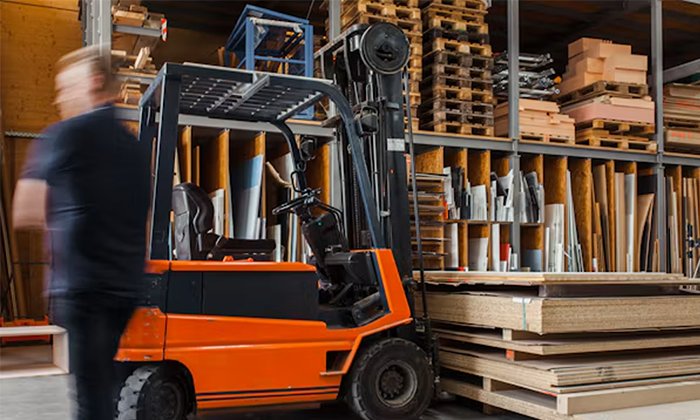
Equipment Reliability
Businesses that depend on forklifts for warehouse operations, manufacturing, distribution, and industrial material handling need equipment that performs consistently throughout the working day. Quality forklift parts play an essential role in maintaining equipment reliability, supporting safe operation, and reducing unexpected interruptions. Components such as tires, brakes, hydraulic hoses, filters, batteries, and lifting chains must remain in suitable condition to ensure that machinery can handle its intended workload. When parts become worn or damaged, equipment performance may decline, operating costs can increase, and workplace safety may be affected. Regular inspections help operators and maintenance teams identify problems before they develop into more serious mechanical failures. Businesses should establish maintenance schedules based on manufacturer recommendations, operating hours, and workplace conditions. By selecting suitable replacement components and addressing equipment problems promptly, companies can maintain dependable machinery, protect their investments, and support efficient material handling operations.
Choosing Quality Parts
Selecting appropriate replacement components requires more than finding a part that appears to fit a particular machine. Businesses should consider equipment make, model, serial number, manufacturing specifications, and the requirements of the affected system before purchasing forklift parts. Components that do not meet the manufacturer’s specifications may cause compatibility problems, reduce operating efficiency, or create additional mechanical concerns. Companies should determine whether original equipment manufacturer components, compatible aftermarket alternatives, or professionally refurbished options are appropriate for their applications. Price is an important consideration, but it should not be the only factor influencing a purchasing decision. Durability, compatibility, availability, warranty conditions, and expected service life also contribute to overall value. Maintenance managers should consult qualified technicians or experienced parts specialists when equipment specifications are uncertain. A careful selection process helps businesses avoid unnecessary returns, reduce installation problems, and maintain reliable equipment performance across their operations.
Supporting Daily Operations
Forklifts perform essential tasks in warehouses, distribution centers, manufacturing facilities, and other workplaces where heavy materials must be transported efficiently. Dependable forklift parts help keep these machines operational, allowing employees to move pallets, organize inventory, load shipments, and transfer supplies between departments. Even a relatively small component failure can interrupt a handling process when the affected machine is required for an important task. For example, damaged tires can affect maneuverability, worn brakes can compromise stopping performance, and faulty hydraulic components can interfere with lifting operations. Businesses should monitor equipment condition and maintain clear procedures for reporting unusual noises, warning indicators, leaks, or changes in performance. Keeping records of inspections and replacement requirements helps managers anticipate maintenance needs and plan purchases before critical components fail. Reliable parts availability supports smoother workflows, reduces avoidable downtime, and helps businesses maintain consistent productivity throughout demanding operating schedules.
Forklift Tires and Wheels
Tires and wheels influence forklift stability, steering, braking, and overall movement across different working surfaces. Suitable forklift parts, including correctly specified tires and wheels, help equipment operate according to the requirements of its intended environment. Cushion tires may be suitable for certain smooth indoor surfaces, while pneumatic tires are commonly used in applications that require different traction and surface-handling characteristics. The appropriate selection depends on the forklift design, load requirements, floor conditions, and manufacturer recommendations. Worn, damaged, or incorrectly specified tires can affect handling and increase risks for operators and nearby workers. Maintenance teams should inspect tires for excessive wear, cuts, cracks, embedded debris, and other signs of deterioration. Businesses should also consider whether non-marking tires are appropriate for facilities where floor appearance and cleanliness are important. Replacing unsuitable tires promptly helps maintain maneuverability, protect workplace surfaces, and support safer material transportation.
Brakes and Safety
A forklift’s braking system is essential for controlling movement and preventing collisions in busy industrial environments. Reliable forklift parts, including brake pads, drums, pedals, springs, and master cylinders where applicable, help maintain proper braking performance. Worn or damaged brake components may increase stopping distances, create inconsistent braking behavior, or make equipment difficult to control. These problems can become especially concerning in warehouses where forklifts operate near employees, storage racks, loading docks, and other machinery. Operators should report any changes in braking response and avoid using equipment that may be unsafe. Qualified technicians can inspect the braking system, identify the cause of a problem, and determine which replacement components are required. Businesses should never postpone essential brake repairs simply to avoid immediate maintenance expenses. Prompt replacement of defective components helps protect workers, inventory, and infrastructure while supporting dependable equipment operation.
Forks, Chains, and Hoses
Forks, lifting chains, and hydraulic hoses are critical components because they directly affect a forklift’s ability to lift and transport materials safely. Appropriate forklift parts must meet the equipment manufacturer’s specifications and remain in suitable condition throughout their service life. Forks can develop wear, cracks, bends, or other damage that compromises their ability to support loads. Lifting chains may stretch or deteriorate, while damaged hydraulic hoses can leak fluid and interfere with lifting performance. Operators should inspect these components according to established procedures and report any signs of damage immediately. Qualified maintenance professionals can measure wear, assess component condition, and determine whether replacement is necessary. Businesses should never attempt to compensate for damaged lifting components by changing how a machine is operated. Selecting the correct replacements and installing them properly helps maintain load stability, protect employees, and reduce the risk of serious material handling incidents.
Batteries and Chargers
Electric forklifts depend on suitable batteries and charging systems to deliver reliable performance during warehouse and industrial operations. High-quality forklift parts, including compatible batteries, chargers, battery indicators, and related electrical components, help maintain equipment availability and charging efficiency. Businesses should select battery systems according to the forklift manufacturer’s requirements, voltage specifications, operating schedule, and charging infrastructure. A battery that is poorly matched to the equipment may create performance problems or fail to meet the demands of the working day. Maintenance teams should monitor charging behavior, inspect connections where appropriate, and follow the manufacturer’s recommendations for battery care. Employees must also understand the correct procedures for charging, handling, and maintaining the battery technology used by their equipment. Specialized requirements may apply to different battery types, including lead-acid and lithium-ion systems. Choosing compatible components and maintaining proper charging practices helps businesses reduce interruptions and support dependable electric forklift operation.
Filters and Fluids
Filters and fluids help protect important forklift systems from excessive wear, contamination, and heat-related damage. Appropriate forklift parts, including oil filters, hydraulic filters, air filters, and other manufacturer-specified components, support the proper operation of engines, hydraulic systems, and transmissions. Over time, filters can accumulate contaminants, while fluids may deteriorate or lose properties necessary for effective lubrication and system protection. If maintenance is delayed, contamination can contribute to premature component wear, reduced performance, and expensive repairs. Businesses should follow the recommended service intervals for their specific equipment and use fluids that meet the manufacturer’s specifications. Maintenance records can help teams track completed services and identify upcoming replacement requirements. Technicians should also investigate recurring contamination or fluid loss rather than treating every occurrence as an isolated issue. Replacing filters and maintaining suitable fluid conditions helps protect major mechanical systems and supports longer equipment service life.
Engines and Transmissions
Internal combustion forklifts rely on properly functioning engines and transmissions to provide the power and movement needed for material handling activities. Suitable forklift parts, including compatible engine components, transmission parts, filters, and related mechanical assemblies, help maintain dependable equipment performance. Problems such as unusual noises, overheating, reduced power, fluid leaks, or difficulty changing direction may indicate that a system requires professional attention. Businesses should arrange an appropriate inspection when these warning signs appear rather than continuing to operate equipment without understanding the cause. Qualified technicians can evaluate the affected systems and determine whether maintenance, individual component replacement, or more extensive repairs are necessary. Depending on the condition of the equipment, businesses may also compare the costs of repairing an existing assembly with those of installing a suitable replacement. Careful evaluation helps managers make informed financial decisions while maintaining equipment reliability and minimizing unnecessary operational interruptions.
Hydraulic Components
Hydraulic systems allow forklifts to raise, lower, and position heavy materials through controlled mechanical movement. Suitable forklift parts, including hydraulic hoses, seals, cylinders, valves, and related fittings, are essential for maintaining the performance of these systems. A damaged hose or worn seal can cause fluid leakage, while a malfunctioning valve may affect lifting control and operational consistency. Businesses should investigate warning signs such as uneven lifting, unusual hydraulic noises, visible leaks, or difficulty maintaining the expected movement of the mast. Qualified technicians can inspect the system and identify components that require attention. Employees should never use their hands to search for leaks in a pressurized hydraulic system because escaping fluid can cause severe injuries. Repairs must follow appropriate safety procedures and manufacturer specifications. Maintaining hydraulic components in suitable condition helps protect equipment, support controlled lifting operations, and reduce the possibility of costly mechanical failures.
Seats, Belts, and Lights
Operator protection depends on equipment features that help workers remain secure, comfortable, and visible during material handling activities. Suitable forklift parts, including seats, seat belts, working lights, warning lights, mirrors, horns, and backup alarms, contribute to a safer operating environment when correctly specified and maintained. A damaged seat belt or defective warning light can compromise important safety functions, particularly in busy facilities where pedestrians and machinery share working areas. Operators should check required safety features before using equipment and report damaged or malfunctioning components promptly. Businesses should also consider the operating environment when selecting lighting and warning equipment, ensuring that installed components are appropriate for the forklift and workplace. Replacement parts must be compatible with the equipment’s electrical system and installation requirements. Maintaining these components helps improve visibility, operator protection, and communication around moving machinery, supporting safer and more organized industrial operations.
Preventive Maintenance
Preventive maintenance helps businesses identify deteriorating components before they cause unexpected equipment failures. Regular forklift parts inspections should be incorporated into a maintenance program that reflects manufacturer recommendations, equipment usage, operating conditions, and the demands of the workplace. Operators can perform required pre-use checks, while qualified technicians handle more detailed inspections and technical assessments. Maintenance teams should document wear, identify replacement needs, and monitor components that commonly require attention. Keeping suitable replacement parts available can also reduce delays when maintenance reveals a problem. However, businesses should avoid stocking components without considering equipment models, actual usage patterns, and likely maintenance requirements. A carefully managed inventory can help ensure that commonly needed items are available without tying up excessive capital in unnecessary stock. Combining preventive maintenance with organized parts management helps businesses control costs, reduce downtime, and maintain more predictable equipment performance throughout the year.
Reducing Equipment Downtime
Unexpected forklift breakdowns can disrupt production schedules, delay shipments, and increase pressure on employees who depend on the affected machine. Access to suitable forklift parts helps maintenance teams address mechanical problems efficiently when a component needs replacement. Businesses can reduce the impact of breakdowns by monitoring equipment condition, maintaining accurate service records, and identifying frequently replaced components. When ordering parts, managers should provide the correct equipment identification details and explain the issue clearly to the supplier. This information can help parts specialists determine compatibility and reduce the risk of ordering an incorrect item. Companies should also establish procedures for taking defective equipment out of service and arranging the required repairs. Continuing to operate machinery with a potentially dangerous defect can create additional damage and increase workplace risks. A combination of timely diagnosis, suitable replacement parts, and effective communication helps businesses restore equipment availability and maintain smoother daily operations.
Choosing a Parts Supplier
A dependable supplier can help businesses identify appropriate replacement components and manage the ongoing requirements of their equipment fleets. When sourcing forklift parts, companies should evaluate product compatibility, component quality, availability, technical assistance, and the supplier’s ability to support different equipment brands. Tri-Lift Industries provides parts support for forklifts and other equipment, with options that may include original equipment manufacturer, aftermarket, refurbished, and remanufactured components, depending on availability and requirements. Businesses can explore the company’s official forklift parts to learn more about its parts services. Before placing an order, customers should confirm the component specifications, applicable warranty conditions, and estimated delivery arrangements. Providing accurate model and serial number information can help reduce ordering errors and speed up the identification process. Choosing an experienced supplier makes parts procurement more organized and helps businesses maintain dependable material handling operations.
Managing Parts Inventory
Maintaining an appropriate inventory of replacement components can help businesses reduce delays associated with routine maintenance and unexpected repairs. A well-managed stock of forklift parts allows maintenance teams to respond more quickly when frequently used components require replacement. However, inventory decisions should reflect the size of the equipment fleet, maintenance history, operating hours, and the availability of parts from suppliers. Overstocking expensive or rarely used components can tie up working capital, while keeping insufficient supplies may delay essential repairs. Businesses should review service records to identify common replacement requirements and establish reasonable stock levels for frequently needed items. Components should be stored according to manufacturer recommendations, with attention to environmental conditions and product identification. Managers should also maintain accurate records of purchases, usage, and remaining stock. Effective inventory management helps organizations balance parts availability with cost control while supporting a more efficient maintenance process.
Conclusion
Reliable industrial equipment depends on suitable components, regular inspections, timely maintenance, and careful replacement decisions. Quality forklift parts help businesses maintain braking performance, lifting capability, hydraulic operation, electrical reliability, and overall equipment safety. Companies should select components according to manufacturer specifications, equipment identification details, and the requirements of their working environments. Preventive maintenance and accurate service records can help managers anticipate replacement needs and reduce unexpected downtime. Working with an experienced parts supplier also makes it easier to identify compatible components and compare available options. By treating parts management as an essential part of equipment maintenance, businesses can protect their machinery investments, manage operating expenses, and maintain productive material handling operations. A consistent approach to replacement parts supports safer workplaces, dependable equipment performance, and long-term operational efficiency.

How to Write an eBook to Generate Leads and Build Authority

Phoenix’s Holiday Travel Season Begins: What Drivers Should Know Before Thanksgiving and Christmas Road Trips

Buying This Shop as a Gift, With No Size Chart to Lean On

Ten to Fifteen Days, or Five: What Each Shipping Tier Buys

How Newsrooms Can Use AI Drafting Without Losing Editorial Standards

A Practical Guide to Organizing Records for a U.S. Investor Immigration Case

How to Prepare a Used Boat for Sale: A Clear Checklist for Owners

Commercial Rooftop Solar Installation in Phoenix: A Complete Guide for Business Owners

11 Creative Ways to Decorate Your Home with Willow Storage Baskets

Sammy Hagar Net Worth: Cabo Wabo, Cars, Homes, and His Huge Fortune

Buying Property Through Your Super? Run an SMSF Loan Calculator Before You Call a Broker

How to Make Kofta Kebabs at Home Without Overthinking It

NF Net Worth: How the Rapper Turned Pain Into Millions

Michele Morrone Net Worth: His Salary, Earnings, and Rich Life

Who Is Ariane Bourdain? All About Anthony Bourdain’s Daughter

Oleksandra Zelenska: Who Is Volodymyr Zelensky’s Daughter?

Who Is Leonard Francois? Meet Naomi Osaka’s Father and First Tennis Coach

Ethan Klein Net Worth: YouTube H3 Podcast and His Wealth

Hi3D: Accelerating Creative Prototyping with AI-Powered 3D Design

Parke Official and Mixed Emotions: Everyday Style Meets Modern Streetwear
How to Write an eBook to Generate Leads and Build Authority
Phoenix’s Holiday Travel Season Begins: What Drivers Should Know Before Thanksgiving and Christmas Road Trips
Buying This Shop as a Gift, With No Size Chart to Lean On
Ten to Fifteen Days, or Five: What Each Shipping Tier Buys
How Newsrooms Can Use AI Drafting Without Losing Editorial Standards
A Practical Guide to Organizing Records for a U.S. Investor Immigration Case
How to Prepare a Used Boat for Sale: A Clear Checklist for Owners
Commercial Rooftop Solar Installation in Phoenix: A Complete Guide for Business Owners
11 Creative Ways to Decorate Your Home with Willow Storage Baskets