Blog
Platform Event Trap: What It Is, How It Works, and Why It Matters

Have you ever wondered how software teams keep their apps safe? Every day developers write new code and make changes to their apps. These updates help apps work better. But sometimes a small mistake can cause a big security problem.
A leaked password or unsafe software file can put the whole project at risk. This is where Platform Event Trap becomes useful. It helps teams find security problems when changes happen. This means developers can fix many issues before their apps go live.
In this guide we will explain what Platform Event Trap means and how it works. We will also look at its main features and security benefits. You will learn how it helps protect software projects and why it matters in 2026.
What Is Platform Event Trap?
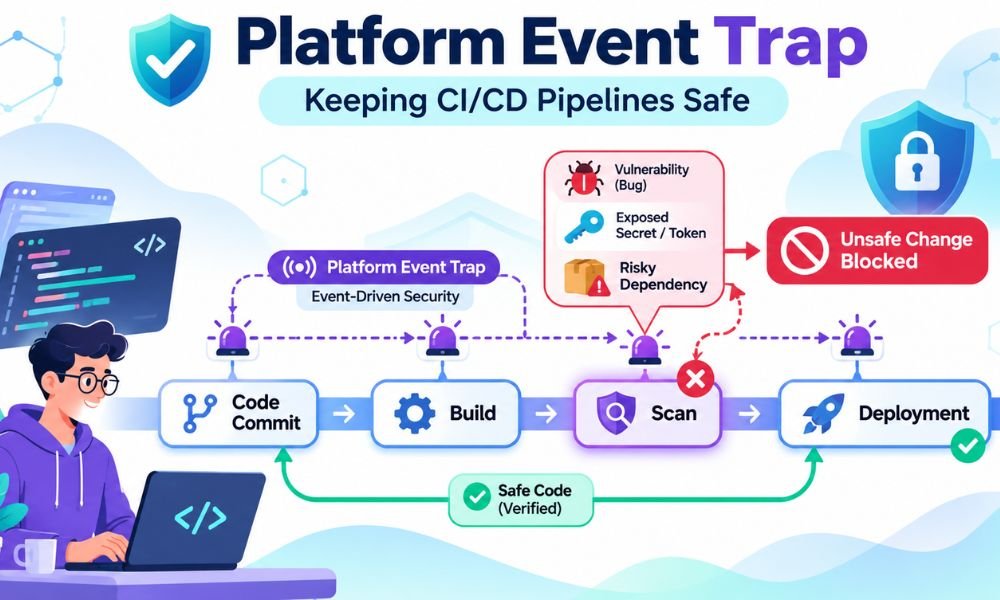
Platform Event Trap is a way to check software changes for security risks. It uses automatic security tools to watch important events. These events may include new code or changes to files. When something changes the system can start a security check.
Think of it like a safety guard at a building. The guard checks people before they enter. In the same way Platform Event Trap checks code before it moves forward. If the system finds a problem it can warn the developer.
For example a developer may add a private password to a code file by mistake. A security scanner can find that password and report the risk. Platform Event Trap is not one special product. It is a security method that uses event-based checks.
How Does Platform Event Trap Work?
Platform Event Trap works by watching important events in a software project. An event is simply something that happens. It could be a new code update or a change to a software package. These actions can start automatic security checks.
When an event happens a security tool checks the new changes. It looks for problems such as exposed passwords or unsafe files. The tool then shares its results. If it finds a serious issue the system may stop the change.
Imagine a developer adding an old software package to an app. That package may have a known security problem. The scanner finds the risk and warns the developer. If security rules require a clean check the update cannot move forward until it is fixed.
Why Is Platform Event Trap Important?
Software development is much faster in 2026. Teams can build new features and release updates in a short time. While this speed is helpful it also creates security risks. A single unsafe change can cause serious problems.
Platform Event Trap helps teams find these problems early. Developers do not need to depend only on manual checks. Automatic tools can review important changes as they happen. This makes it easier to spot risks before an update reaches users.
It also helps developers save time. Fixing a problem during development is often easier than fixing it after release. Teams can focus on building better apps while security tools handle many routine checks. Human reviews are still important for serious risks.
Continue reading: Beautyrest BR800 Mattress: Is It Really Good for Better Sleep?
Main Features of Platform Event Trap
One useful feature of Platform Event Trap is automatic security checking. The system can start a scan when someone adds new code. It can also watch changes to software packages and important settings. This helps teams find problems without starting every check by hand.
Another helpful feature is fast security feedback. If a scanner finds an exposed password it can warn the developer. Security rules may also stop unsafe changes from being added. Developers can then review the warning and fix the problem before moving forward.
Some security tools also suggest ways to fix problems. For example they may recommend a safer package version. Other tools can help teams decide which risks need attention first. These features make Platform Event Trap useful for both security teams and developers.
How Platform Event Trap Protects CI/CD Pipelines
CI/CD is a process that helps developers build and release software. It uses automatic steps to check code and prepare new updates. This saves time and helps teams work faster. However an unsafe change can still enter the process.
Platform Event Trap adds security checks to important steps in this process. When a developer sends new code the system can scan it for risks. If a required check fails the code may be stopped before it joins the main project.
This helps protect what experts call pipeline integrity. In simple words it means keeping the software building process safe and trusted. Teams can also protect important branches and require approval for sensitive changes. These steps make it harder for unsafe updates to move forward.
Security Risks Platform Event Trap Can Detect
One common risk is an exposed password or API key. Developers sometimes place private details inside code files by mistake. If someone else finds these details they may gain access to private systems. Security scanners can help find these mistakes early.
Another risk comes from unsafe software packages. Many apps use packages made by other developers. Some packages may have known security flaws. Platform Event Trap can start checks when these packages are added or updated. This helps teams find risky versions.
Dangerous scripts and unsafe settings can also create problems. For example a build file might run code from an unknown website. A security rule can flag that action for review. However no automatic tool can find every threat. Teams still need regular checks and human care.
Platform Event Trap vs Traditional Security Scanning
Traditional security scanning checks software for problems at set times. A team may run these checks each day or before a new release. This helps find unsafe code and old software packages. However some problems may remain hidden between scans.
Platform Event Trap works differently. It can start security checks when something changes. For example a new code update may trigger a scan right away. This gives developers fast feedback and helps them fix problems before the changes move forward.
Both methods are useful for software security. Traditional scans can find new risks in older code. Event-based checks can catch many problems during development. Using both methods gives teams better protection and helps them keep their software safe.
Platform Event Trap vs Webhooks
A webhook is a tool that sends a message when something happens. For example GitHub can send a message when someone adds new code. This message tells another system about the change. It does not check the code for security problems.
Platform Event Trap uses events to start security actions. A webhook may help send the event to a security scanner. The scanner then checks the changes for possible risks. If it finds a serious problem a security rule may stop the update.
Think of a webhook as a doorbell. It tells you someone is at the door. The security system acts like a guard who checks that person. Both can work together but they have different jobs. This makes the difference easy to understand.
How Xygeni Helps With Platform Event Trap
Xygeni is a software security platform that helps teams find risks in their projects. It offers tools that can check code and software packages for problems. These checks can work with development services such as GitHub and GitLab and Bitbucket.
One useful feature is Xygeni Guardrails. These rules can help detect exposed secrets and unsafe software changes. Depending on the setup they may also stop a risky update. This helps developers find problems before their code becomes part of the main project.
Xygeni also offers tools that help developers fix security issues. AutoFix can suggest safer changes such as updating an old package. Reachability Analysis helps teams see whether certain security flaws can be reached by their code. These tools can help teams focus on important risks.
How to Set Up Platform Event Trap
Setting up Platform Event Trap starts with choosing the events you want to check. These may include new code updates or changes to software packages. You can also watch important build settings. Start with events that could create serious security problems.
Next you need a security scanner that works with your development platform. Connect it to your CI/CD pipeline and choose your security rules. For example you may want to stop updates that contain exposed passwords. Required checks can help enforce these rules.
After setting up the checks you should test them. Try adding a safe test example that contains a known security issue. Check whether the scanner finds it and sends a warning. Make sure serious risks are blocked when needed. Review your rules as your project grows.
Benefits and Challenges of Platform Event Trap
One major benefit of Platform Event Trap is finding security problems early. Developers can see warnings while they are still working on their code. This makes many issues easier to fix. It may also help teams avoid costly problems after an app is released.
Another benefit is that automatic checks can save time. Teams do not need to start every security scan by hand. The same rules can be used across many projects. This helps developers follow security steps while they build and update software.
However there are some challenges. Security scanners may sometimes warn about code that is actually safe. Some checks can also make builds take longer. Teams can reduce these problems by improving their rules and checking only the changes that need attention.
Best Practices for Platform Event Trap in 2026
The first step is to keep your security tools and software packages updated. Old packages may contain known security flaws. Teams should also protect private passwords and API keys. Keeping these details in safe storage can lower the risk of unwanted access.
Another good practice is to limit who can change important files. Only trusted team members should have access to sensitive build settings. Important code changes should also need approval. These simple steps help stop unsafe changes from entering the software development process.
In 2026 teams should also use regular security scans with Platform Event Trap. Event-based checks are helpful but they cannot catch every problem. Developers should review serious warnings and test suggested fixes. Good security comes from using smart tools with careful human checks.
Continue reading: ETL Process Optimization: Simple Ways to Make Data Faster
Conclusion
Platform Event Trap is a helpful way to improve software security. It starts automatic checks when important changes happen. This helps teams find exposed passwords and unsafe packages early. Developers can then fix many problems before new code reaches users.
It also helps protect CI/CD pipelines by checking changes during development. Tools like Xygeni can support this process with security rules and helpful fixes. However the results depend on how these tools are set up. No single tool can stop every risk.
As software development grows faster in 2026 security remains very important. Platform Event Trap gives teams a way to find many risks without waiting for manual checks. When used with regular scans and strong security rules it can help teams build safer software.
(FAQs)
What Is Platform Event Trap in Simple Words?
Platform Event Trap is a security method that checks software changes for risks. It starts automatic checks when developers add new code or update files. This helps teams find problems early and protect their software before release.
How Does Platform Event Trap Work in CI/CD?
Platform Event Trap watches important events in CI/CD pipelines. When a developer adds code or changes a file a security scan can start. If the scanner finds a serious problem the system may block the update.
Why Is Platform Event Trap Important in 2026?
Software teams release updates faster than ever in 2026. This can also create security risks. Platform Event Trap helps find unsafe code and exposed passwords early. It makes security checks easier and helps teams protect their software.
Can Platform Event Trap Stop Hackers?
Platform Event Trap can help stop some security threats before they cause harm. It may detect unsafe code and leaked passwords. However it cannot stop every hacker or attack. Strong passwords and regular security checks are also needed.
Is Platform Event Trap a Tool or a Security Method?
Platform Event Trap is a security method rather than one official tool. It uses automatic checks when important events happen. Security platforms such as Xygeni can support this approach by finding risks and helping teams apply security rules.
What Security Problems Can Platform Event Trap Detect?
Platform Event Trap can help detect exposed API keys and unsafe software packages. It can also flag risky scripts and changes to build settings. The problems it finds depend on the scanners and security rules used by the team.
Does Platform Event Trap Slow Down Software Development?
Platform Event Trap may add some time to software builds because security checks need to run. However fast scans and clear security rules can reduce delays. Finding problems early can also save developers time when fixing their code.
What Is the Difference Between Platform Event Trap and Webhooks?
A webhook sends a message when something happens in a software project. Platform Event Trap uses events to start security checks and apply rules. A webhook may help trigger the process but it does not scan code by itself.
Can Platform Event Trap Work With GitHub Actions?
Yes. GitHub Actions can run security checks when developers push code or open pull requests. Teams can use secret scanners and other security tools. Required checks can also stop unsafe changes from merging into protected branches.
Is Platform Event Trap Enough for Complete CI/CD Security?
No. Platform Event Trap is helpful but it cannot find every security problem. Teams also need safe passwords and strong access rules. Regular scans and human reviews are important too. Using these methods together provides better software protection.
Continue reading:SFM Compile: A Simple Guide to Make Your Models Work

How to Write an eBook to Generate Leads and Build Authority

Phoenix’s Holiday Travel Season Begins: What Drivers Should Know Before Thanksgiving and Christmas Road Trips

Buying This Shop as a Gift, With No Size Chart to Lean On

Ten to Fifteen Days, or Five: What Each Shipping Tier Buys

How Newsrooms Can Use AI Drafting Without Losing Editorial Standards

A Practical Guide to Organizing Records for a U.S. Investor Immigration Case

How to Prepare a Used Boat for Sale: A Clear Checklist for Owners

Commercial Rooftop Solar Installation in Phoenix: A Complete Guide for Business Owners

11 Creative Ways to Decorate Your Home with Willow Storage Baskets

Sammy Hagar Net Worth: Cabo Wabo, Cars, Homes, and His Huge Fortune

Buying Property Through Your Super? Run an SMSF Loan Calculator Before You Call a Broker

How to Make Kofta Kebabs at Home Without Overthinking It

NF Net Worth: How the Rapper Turned Pain Into Millions

Michele Morrone Net Worth: His Salary, Earnings, and Rich Life

Who Is Ariane Bourdain? All About Anthony Bourdain’s Daughter

Oleksandra Zelenska: Who Is Volodymyr Zelensky’s Daughter?

Who Is Leonard Francois? Meet Naomi Osaka’s Father and First Tennis Coach

Ethan Klein Net Worth: YouTube H3 Podcast and His Wealth

Hi3D: Accelerating Creative Prototyping with AI-Powered 3D Design

Parke Official and Mixed Emotions: Everyday Style Meets Modern Streetwear
How to Write an eBook to Generate Leads and Build Authority
Phoenix’s Holiday Travel Season Begins: What Drivers Should Know Before Thanksgiving and Christmas Road Trips
Buying This Shop as a Gift, With No Size Chart to Lean On
Ten to Fifteen Days, or Five: What Each Shipping Tier Buys
How Newsrooms Can Use AI Drafting Without Losing Editorial Standards
A Practical Guide to Organizing Records for a U.S. Investor Immigration Case
How to Prepare a Used Boat for Sale: A Clear Checklist for Owners
Commercial Rooftop Solar Installation in Phoenix: A Complete Guide for Business Owners
11 Creative Ways to Decorate Your Home with Willow Storage Baskets