Business
Why a Housekeeping App Is Becoming Essential for Modern Property Operations

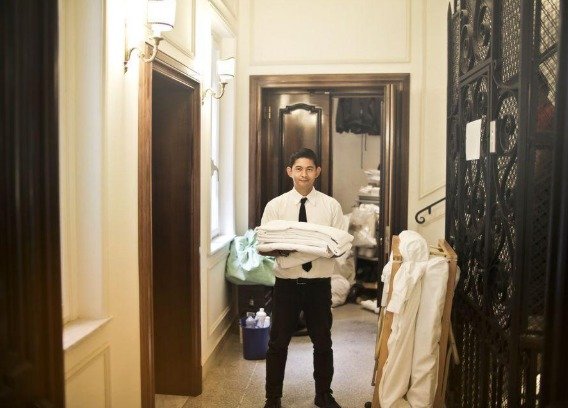
If you manage cabins, vacation rentals, or resort units, housekeeping probably feels like the part of operations that can either keep everything moving or throw the whole day off schedule. Guests notice clean rooms immediately, but they also notice late check-ins, missing supplies, and rushed turnovers. A housekeeping app changes how you track all of that. Instead of relying on paper lists, texts, and memory, you get a tighter system that helps your team work faster and with fewer mistakes.
Housekeeping Has Moved Beyond Clipboards and Group Texts
You can still run a property with printed task sheets and constant calls between the front desk and cleaning staff. Plenty of operators do. The issue is that manual systems break down once occupancy climbs, same-day turns increase, or multiple units need inspection at once.
A missed message can delay an arrival. A cleaner might walk into the wrong unit. Maintenance issues can sit unnoticed until a guest complains. Those aren’t rare exceptions; they’re common friction points in lodging operations.
Using a housekeeping app gives you a live operational view instead of a patchwork of updates. ResortCleaning, for example, is designed specifically for housekeeping management in hospitality settings, helping teams coordinate cleans, inspections, linen tracking, and maintenance communication in one place. That kind of setup matters when speed and accuracy affect every guest review.
Real-Time Visibility Changes How You Manage Every Turnover
The biggest operational gain usually comes from visibility. When you can see which units are dirty, in progress, inspected, or guest-ready in real time, you stop guessing and start dispatching with purpose.
That affects more than cleaners. Your front desk or guest services team can respond with confidence when someone asks for an early check-in. Supervisors can reassign work when one housekeeper falls behind. Maintenance can be looped in before a room is marked ready.
Picture a Saturday with back-to-back departures and arrivals. Without a digital system, you’re chasing updates. With one, status changes happen as cleaners complete tasks on mobile devices. That reduces idle time and cuts down on radio silence between departments. In operational terms, you’re improving turnaround velocity while lowering communication lag.
Better Accountability Doesn’t Need to Feel Like Micromanagement
A lot of managers worry that digital tracking will make staff feel watched. In practice, the stronger effect is clarity. People work better when assignments, priorities, and completion standards are obvious.
A good app logs who cleaned which unit, when the work started, when it was finished, and whether an inspection passed. That creates accountability without forcing a supervisor to physically check every update in person.
It also helps you spot patterns that usually stay hidden. If one unit always takes longer, maybe the floor plan is more demanding. If a certain cleaner consistently misses restock items, that points to a training issue instead of a motivation issue.
You’re not just collecting data for the sake of it. You’re building a cleaner audit trail, which becomes valuable for payroll verification, quality control, and dispute resolution after guest complaints.
Maintenance Coordination Gets Sharper When Housekeeping Flags Problems Fast
Housekeeping sees the unit before almost anyone else after checkout. That makes cleaners the first line of operational intelligence. They notice the dripping faucet, broken lamp, missing remote, stained duvet, or HVAC issue before the next guest walks in.
When those observations stay trapped in texts or verbal handoffs, details get lost. A maintenance tech may receive half the story, or no story at all. Then the problem lingers into the next stay.
A housekeeping app creates a cleaner workflow for defect reporting. Staff can attach notes, status updates, and sometimes photos directly to a work order or unit record. You get tighter service recovery because maintenance can triage issues immediately.
For you, that means fewer awkward guest apologies and less revenue pressure from out-of-order units. It also creates a more reliable preventive maintenance rhythm instead of a constant reactive scramble.
Inventory and Linen Control Stop Being a Constant Guessing Game
Supplies tend to disappear gradually, which makes the problem easy to underestimate. A few extra towels taken from one closet, a linen count skipped during a busy shift, or amenities restocked inconsistently can distort your par levels in a week.
Digital housekeeping systems help you track usage with more discipline. That matters if you’re managing cabins or resort properties where unit spacing, storage access, and turnover timing can complicate restocking.
You can set expectations around what belongs in each unit and flag shortages before they become service failures. Some operators also use app-based workflows to monitor linen circulation, helping reduce losses and identify bottlenecks in laundry turnaround.
For your budget, small operational leaks add up. Overordering, emergency purchasing, and replacement costs can quietly eat into margins. Better inventory discipline usually doesn’t look dramatic day to day, but over a season, it shows up in labor efficiency and supply spending.
Guest Experience Improves Long Before the Guest Walks In
Guests usually never see your housekeeping workflow. They only see the result. The room is ready on time, the bathroom is spotless, the kitchen is stocked correctly, and nothing feels overlooked.
That polished result depends on dozens of back-end decisions. When your team has clearer assignments and inspection checkpoints, consistency improves. Consistency is what guests remember, especially if they’re comparing your property against several similar options.
In markets with strong seasonal traffic, operational gaps can widen quickly during peak weeks. A digital system helps you maintain standards when volume rises and staffing gets stretched.
It also supports better communication around special requests. If a guest needs extra linens, allergy-conscious cleaning, or a priority-ready unit, digital notes are less likely to vanish than a handwritten reminder. You’re protecting both service quality and brand reputation without adding unnecessary friction.
Adoption Works Best When You Keep the Rollout Simple
The tool matters, but implementation matters just as much. If you introduce a housekeeping app with too many new rules at once, your team may resist it even if the software is solid.
Start with the workflows causing the most pain: room status updates, task assignment, inspections, and maintenance reporting. Once staff get comfortable, you can layer in inventory tracking, performance reporting, and more detailed checklists.
Training should be short, visual, and tied to actual daily routines. Avoid abstract explanations. Show a cleaner how to claim a unit, mark it complete, report damage, and move to the next assignment. Show supervisors how to verify room status and monitor bottlenecks.
You should also expect a short adjustment period. That’s normal. The goal isn’t instant perfection. The goal is a cleaner operating system that gives your property more control, better communication, and fewer expensive mistakes as your workload grows.

Top 5 Web Development Companies Mississauga

What Makes Eau de Parfum a Distinctive Choice in Modern Fragrance

Beyond the State Line: A Bristol Vacation of Scenic Drives, Music, and Mountain Retreats

Why a Housekeeping App Is Becoming Essential for Modern Property Operations

10 After-Hours Icebreakers for SF Tech Teams (That Aren’t Happy Hours)

Why Fisher Island Continues to Attract Luxury Homebuyers Seeking an Exclusive Miami Lifestyle

Woody Harrelson Net Worth: Inside His Movies, Millions, and Business Deals

What Water Damage Really Changes in Your Home

Sarah Silverman Net Worth: Comedy Career, Salary, and Wealth

What AI Implementation Consulting Should Deliver in the First 90 Days

How to Make Kofta Kebabs at Home Without Overthinking It

Beyond the Interior: Home Improvements That Transform Your Entire Property

Building a Competitive Online Presence with Link Building Services and SEO Packages

Phoenix’s Construction Boom Is Changing How Workers, Drivers, and Businesses Share Urban Space

Spider Web Graphics in Fashion From Halloween to Streetwear

Brez Scales Net Worth: How TikTok ,YouTube and Business Made Him Rich

Cane Corso Kings: Everything You Need to Know About This Powerful Dog

Electric Mini Bikes vs. Gas Mini Bikes: What Changes After You Buy?

Building Coherent Multi-Object Scenes Through Seeworld Spatial Planning

Shay Mitchell Net Worth: Inside Her Acting and Business Wealth
Top 5 Web Development Companies Mississauga
What Makes Eau de Parfum a Distinctive Choice in Modern Fragrance
Beyond the State Line: A Bristol Vacation of Scenic Drives, Music, and Mountain Retreats
Why a Housekeeping App Is Becoming Essential for Modern Property Operations
10 After-Hours Icebreakers for SF Tech Teams (That Aren’t Happy Hours)
Why Fisher Island Continues to Attract Luxury Homebuyers Seeking an Exclusive Miami Lifestyle
Woody Harrelson Net Worth: Inside His Movies, Millions, and Business Deals
What Water Damage Really Changes in Your Home
Sarah Silverman Net Worth: Comedy Career, Salary, and Wealth