
Business
Phoenix’s Construction Boom Is Changing How Workers, Drivers, and Businesses Share Urban Space

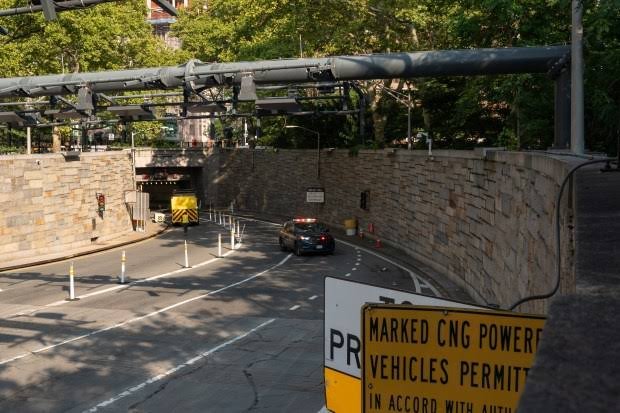
Drive through Midtown on a Tuesday afternoon, and the evidence is everywhere: lane closures on Central Avenue, concrete barriers redirecting traffic on Camelback, ax orange signs stacked three deep near a half-finished mixed-use tower. Phoenix is in the middle of one of the most sustained building cycles in its history, and the effects reach far beyond the job sites themselves.
How New Development Is Reshaping Phoenix Streets
The scale of what is happening in the Valley is hard to overstate. Maricopa County led the entire nation with 38,310 new residential units built in 2024, according to Census data reported by the Arizona Republic. Industrial construction has been equally aggressive, with the metro delivering record volumes of warehouse and logistics space over the past three years.
That pace of building puts enormous pressure on the street network. According to Bureau of Labor Statistics data tracked by the Federal Reserve Bank of St. Louis, construction employment in the Phoenix-Mesa-Scottsdale metro reached 180,300 workers in 2024, up from 170,000 the year before. More workers on more sites means more equipment staging, more material deliveries, and more temporary traffic controls competing for the same corridors that commuters and freight drivers rely on every day.
The disruption is not concentrated in one district. Downtown Phoenix, the West Valley near the Loop 303, and suburban corridors in Chandler and Mesa are all seeing simultaneous activity. There is rarely a clean detour that avoids construction entirely.
The Challenges of Construction Zones for Commuters and Pedestrians
Road work creates a fundamentally different driving environment. Lanes narrow without much warning, merge points shift week to week, and temporary signage does not always match what navigation apps show. Pedestrians face their own version of this: sidewalks close, crosswalks disappear, and the path around a job site is sometimes little more than a painted arrow pointing toward an active travel lane.
The hazards are not evenly distributed. Workers, drivers, and people on foot all face distinct risks, and those risks compound when a site is large or long-running.
Visibility and Speed
Construction zones on urban arterials tend to have lower posted speeds, but enforcement is inconsistent. Reduced visibility at night, combined with temporary lighting that varies by contractor, creates conditions where reaction time matters more than usual.
Signage Gaps
Advance warning signs are required, but the distance between a warning sign and the actual lane closure is often shorter in an urban environment than on a highway. Drivers accustomed to highway work zones may not adjust quickly enough when the same setup appears on a city street.
Pedestrian Detours
When a sidewalk closes, the replacement path is not always safe or even accessible. People using wheelchairs, strollers, or mobility aids are hit hardest, and the detour itself sometimes crosses mid-block or lacks curb cuts.
How Road Closures and Detours Affect Local Businesses
A construction project that runs for six months in front of a restaurant or retail shop is not a minor inconvenience. It changes how customers find the entrance, where they park, and whether they bother at all.
The businesses most affected tend to be small, street-facing operations that depend on walk-in traffic. A coffee shop that loses its sidewalk-facing patio to a construction fence loses visibility at the same time. A dry cleaner sitting behind a detour loses the customers who used to pass it on the way to work.
Longer projects create a cumulative effect. When multiple blocks are under construction at once, entire commercial corridors can feel unreachable even when the businesses themselves are open. Some cities have formal mitigation programs requiring developers or contractors to maintain access and signage. Phoenix has requirements in place, but enforcement and consistency vary by project.
Why Contractors, Employers, and Property Owners Need Clear Safety Procedures
The responsibility for safety in and around a construction site does not rest with any single party. Contractors control the physical layout of the work zone. Property owners may have obligations tied to adjacent sidewalks and access points. Employers are responsible for their workers’ safety under OSHA standards. When those responsibilities overlap, gaps appear.
A clear written safety plan does several things at once. It documents who is responsible for each element of the work zone, from traffic control devices to pedestrian detour maintenance. It creates a record that becomes important if something goes wrong. And it gives workers a baseline for what to expect, which matters on large sites where conditions change daily.
The most common failures are not dramatic. They are a barrel that gets moved and not replaced, a warning sign that blows over and stays down, or a detour that works for pedestrians in daylight but becomes genuinely dangerous after dark.
What Happens When an Injury Involves Multiple Parties
Construction-related injuries rarely have a single clean cause. A driver injured after hitting an improperly placed barrier may have a claim against the contractor, the subcontractor who set the barrier, and potentially the property owner or government entity that permitted the work. A pedestrian who trips on an unmarked hazard outside a job site faces a similar tangle of potential defendants.
Fatal crashes in construction work zones rose more than 30% over a 12-year period, according to CPWR, the Center for Construction Research and Training, with 568 people dying in 514 fatal crashes in work zones in 2023 alone. Those numbers reflect a national pattern. Phoenix’s volume of active projects means the local exposure is significant.
Sorting out liability in these cases requires understanding which party controlled the specific condition that caused the injury, whether the required safety standards were met, and what documentation exists from the time of the incident. Insurance coverage for construction projects is often layered across multiple policies, which adds another dimension to any claim.
Where Phoenix Residents Can Turn for Information After a Serious Accident
After a construction-related accident, the immediate priority is medical care. Once that is addressed, figuring out what to do next is genuinely complicated. Gathering evidence from a construction site is time-sensitive because conditions change fast. Witness information, contractor records, and permit documentation all have a limited window before they become harder to obtain.
For people injured in construction-related traffic incidents, consulting a Phoenix personal injury lawyer is a practical first step toward understanding which parties may be liable and what the filing timeline looks like. The legal framework around construction zone injuries draws on both personal injury and premises liability principles, and the applicable standards differ depending on whether the injury happened on a public roadway, a private site, or the boundary between the two.
The Takeaway
Phoenix is not going to stop building. The infrastructure, housing, and industrial development underway across the Valley reflects real demand, and most of it will take years to complete. That means the conditions that make construction zones hazardous, for workers, drivers, and pedestrians alike, are going to be a fixture of daily life in the metro for the foreseeable future. Knowing who is responsible for safety and what options exist when something goes wrong is information every Phoenix resident can use.

Can Machines Spot Machine Writing? A Closer Look at AI Essay Checkers

How Niche eCommerce Founders Can Validate Product Demand Before Investing in Inventory

Building a Competitive Online Presence with Link Building Services and SEO Packages

Luxury Rigid Boxes: Planning Premium Packaging Around Product Fit and Presentation

Tommy Bynes: Everything About Amanda Bynes’ Brother

How to Cook Healthy Family Meals Safely: A Parent’s Guide

How Personalized Addiction Treatment Plans Can Improve Patient Engagement and Recovery Outcomes

Need LLC Help? Here’s How to Get an LLC Online

Helen Beth Duntz: The Real Story of James MacArthur’s Wife

Cassandra Marino: The Full Story of Caitlyn Jenner’s Eldest Daughter

Charfen.co.uk: What Is It and What Does It Offer?

SoSoActive: Everything You Need to Know About the Digital Platform

Buying Property Through Your Super? Run an SMSF Loan Calculator Before You Call a Broker

Kerri Browitt Caviezel: Everything to Know About Jim Caviezel’s Wife

Voozon.com: Everything You Need to Know Before Using It

From Search Visibility to Enquiries: Building a Stronger SEO System in Essex

Eractoll: What Is It and Why Did Enterprise Charge You?

How to Make Kofta Kebabs at Home Without Overthinking It

Michele Morrone Net Worth: His Salary, Earnings, and Rich Life

NF Net Worth: How the Rapper Turned Pain Into Millions
Can Machines Spot Machine Writing? A Closer Look at AI Essay Checkers
How Niche eCommerce Founders Can Validate Product Demand Before Investing in Inventory
Building a Competitive Online Presence with Link Building Services and SEO Packages
Luxury Rigid Boxes: Planning Premium Packaging Around Product Fit and Presentation
Tommy Bynes: Everything About Amanda Bynes’ Brother
How to Cook Healthy Family Meals Safely: A Parent’s Guide
How Personalized Addiction Treatment Plans Can Improve Patient Engagement and Recovery Outcomes
Need LLC Help? Here’s How to Get an LLC Online
Helen Beth Duntz: The Real Story of James MacArthur’s Wife
Cassandra Marino: The Full Story of Caitlyn Jenner’s Eldest Daughter
-

 News2 months ago
Who Is Gigi Yallouz? Meet Owain Yeoman’s Wife and Jewelry Designer
-

 News2 months ago
Who Is Tove Torvalds? All About Linus Torvalds’ Wife
-

 News2 months ago
Rajesh Nihalani: What We Know About Archie Panjabi’s Husband
-

 News2 months ago
Stephan Farmiga: Everything to Know About Vera Farmiga’s Brother