Business
What Makes Eau de Parfum a Distinctive Choice in Modern Fragrance

Fragrance is an important form of personal expression, allowing individuals to communicate their preferences through carefully selected scent profiles. Among the different fragrance formats available, eau de parfum remains a popular choice for its balance of concentration, complexity, and versatility. Its composition offers an opportunity to experience multiple fragrance notes as they develop over time, creating a more layered relationship between scent and skin. As modern perfumery continues to introduce new interpretations of familiar ingredients, eau de parfum remains an influential part of contemporary fragrance collections.
Understanding Fragrance Concentration, Longevity, and Scent Development
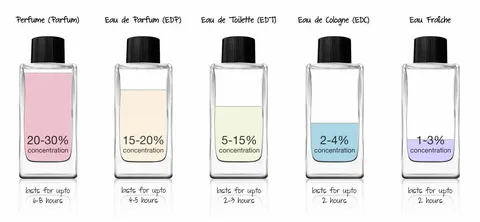
Fragrance concentration plays an important role in how a perfume is formulated and experienced. Eau de parfum generally contains a higher proportion of aromatic ingredients than eau de toilette, although exact concentrations vary between formulations and fragrance houses. This distinction can influence a scent’s intensity, development, and overall character.
Longevity is another consideration when evaluating fragrance. While concentration can contribute to how long a scent remains noticeable, factors such as ingredient selection, skin chemistry, application, and environmental conditions also influence performance. Woody, amber, and musk notes often provide a deeper foundation, while citrus and lighter floral ingredients can introduce a brighter opening.
Exploring different eau de parfum compositions allows fragrance enthusiasts to discover how these elements interact. From understated everyday scents to richer compositions designed around more expressive ingredients, the format offers considerable variety for different preferences and occasions.
How Eau de Parfum Creates a More Layered Fragrance Experience
One of the defining characteristics of modern perfumery is the relationship between top, middle, and base notes. Top notes introduce the initial impression, heart notes establish the fragrance’s central character, and base notes provide depth as the composition develops. This progression gives a fragrance dimension beyond its first impression.
Gourmand compositions demonstrate how these layers can work together to create distinctive scent experiences. Vanilla, caramel, and other sweet inspired ingredients can be balanced with musk, woods, and aromatic accords to introduce complexity. A gourmand edp perfume offers an example of this approach, combining familiar gourmand influences with a more developed fragrance structure. Such compositions show how sweetness can become part of a sophisticated scent profile rather than serving as its only defining characteristic.
Modern fragrance preferences also extend beyond traditional liquid applications. Solid fragrance offers an alternative format that emphasizes portability and direct application. Its balm like composition provides a different way to experience fragrance, while creating opportunities to experiment with scent placement and layering.
Ultimately, eau de parfum remains distinctive because of its ability to combine concentration, complexity, and creative expression. Whether built around fresh florals, warm woods, or rich gourmand notes, its layered compositions offer fragrance enthusiasts an opportunity to discover scents that reflect their individual preferences.

Top 5 Web Development Companies Mississauga

What Makes Eau de Parfum a Distinctive Choice in Modern Fragrance

Beyond the State Line: A Bristol Vacation of Scenic Drives, Music, and Mountain Retreats

Why a Housekeeping App Is Becoming Essential for Modern Property Operations

10 After-Hours Icebreakers for SF Tech Teams (That Aren’t Happy Hours)

Why Fisher Island Continues to Attract Luxury Homebuyers Seeking an Exclusive Miami Lifestyle

What Water Damage Really Changes in Your Home

What AI Implementation Consulting Should Deliver in the First 90 Days

How Smart Businesses Use Financial Leadership Before They Can Afford a Full-Time CFO

Beyond the Mountain Views: A Gatlinburg Getaway for Food and Wine Lovers

How to Make Kofta Kebabs at Home Without Overthinking It

Beyond the Interior: Home Improvements That Transform Your Entire Property

Building a Competitive Online Presence with Link Building Services and SEO Packages

Phoenix’s Construction Boom Is Changing How Workers, Drivers, and Businesses Share Urban Space

Spider Web Graphics in Fashion From Halloween to Streetwear

Brez Scales Net Worth: How TikTok ,YouTube and Business Made Him Rich

Cane Corso Kings: Everything You Need to Know About This Powerful Dog

Electric Mini Bikes vs. Gas Mini Bikes: What Changes After You Buy?

Building Coherent Multi-Object Scenes Through Seeworld Spatial Planning

Shay Mitchell Net Worth: Inside Her Acting and Business Wealth
Top 5 Web Development Companies Mississauga
What Makes Eau de Parfum a Distinctive Choice in Modern Fragrance
Beyond the State Line: A Bristol Vacation of Scenic Drives, Music, and Mountain Retreats
Why a Housekeeping App Is Becoming Essential for Modern Property Operations
10 After-Hours Icebreakers for SF Tech Teams (That Aren’t Happy Hours)
Why Fisher Island Continues to Attract Luxury Homebuyers Seeking an Exclusive Miami Lifestyle
What Water Damage Really Changes in Your Home
What AI Implementation Consulting Should Deliver in the First 90 Days
How Smart Businesses Use Financial Leadership Before They Can Afford a Full-Time CFO