Home Improvement
What Water Damage Really Changes in Your Home

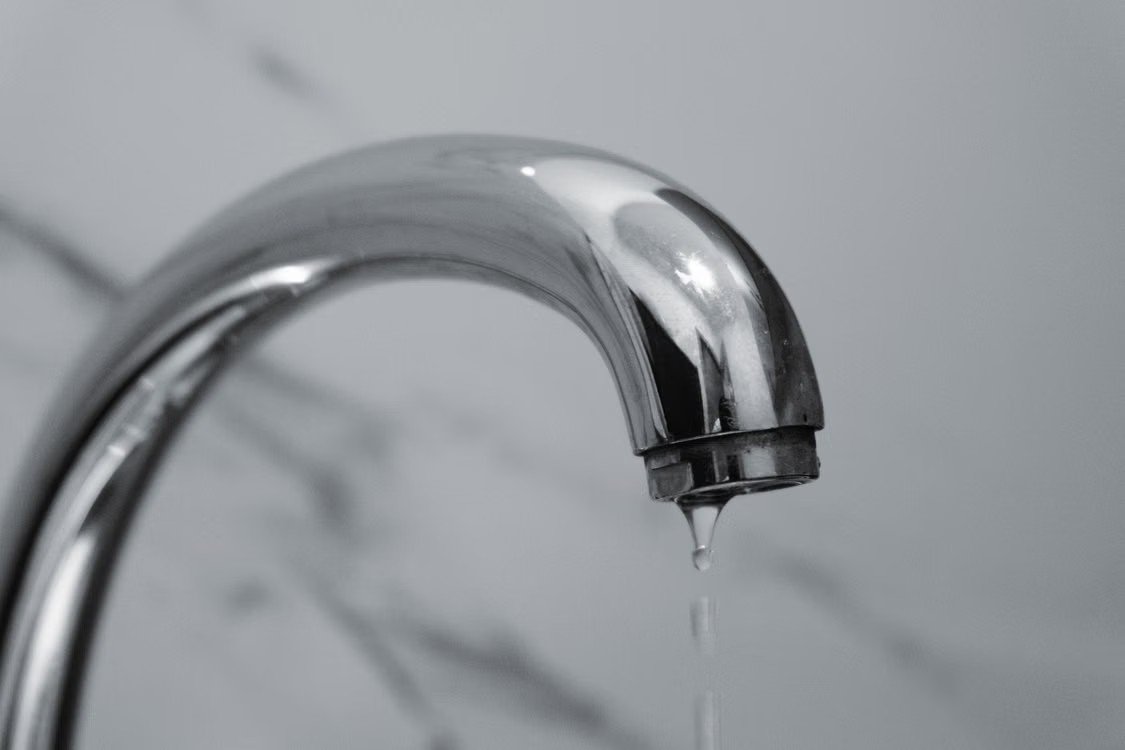
Water damage rarely looks dramatic at first. You might notice a stain on the ceiling, a warped baseboard, or a room that smells slightly off after a storm or plumbing leak. In a place like Utah, where dry air can make homes seem protected, moisture problems still spread fast once water gets behind drywall, under flooring, or into insulation. If you want to protect your home, you need to understand what actually changes after water gets in.
Hidden moisture creates the most expensive surprises
The obvious damage gets attention first: puddles, stains, sagging drywall, buckled flooring. The expensive part often sits out of view. Water can travel along framing, settle in wall cavities, and wick into materials several feet away from the original source.
That movement makes diagnosis tricky without proper tools. Professionals often use thermal imaging, hygrometers, and non-invasive moisture meters to build a drying plan. If you only rely on what you can touch or see, you may miss damp zones entirely.
This is where professional water damage restoration becomes a real operational service rather than a cosmetic cleanup. The work usually involves extraction, controlled demolition where needed, structural drying, monitoring, and verification. Skipping those steps can leave a home looking repaired while still carrying moisture-related risk behind finished surfaces.
The first 24 hours are more important than most homeowners realize
A small leak can shift from annoying to expensive in less than a day. Water moves through porous materials such as drywall, subfloor, carpet padding, and wood framing. Even when the surface starts to look dry, moisture can stay trapped deep inside assemblies.
That hidden saturation starts changing materials quickly. Wood swells, laminate edges lift, and paint loses adhesion. You may also get early microbial growth in dark, damp areas with poor airflow. The practical issue is not just the visible mess. It’s the moisture load that remains after you think the problem has passed.
If a pipe bursts overnight or an appliance line fails while you’re away, the timeline matters. Fast extraction, dehumidification, and moisture mapping often decide whether a room needs minor repairs or a much larger rebuild.
Water does not damage every material in the same way
One of the biggest mistakes you can make is treating every wet surface the same. Hardwood reacts differently from engineered flooring. Plaster behaves differently from standard drywall. Insulation can hold water in ways that keep wall cavities wet long after the room feels normal again.
Clean water from a supply line may allow more salvage options if the response is immediate. Gray water from an overflowing washer or dishwasher introduces contamination concerns. Black water from sewage backups changes the entire remediation scope because sanitation becomes part of the job, not just drying.
You also need to think about assembly layers. Tile may look fine on top while moisture sits in backer board or the subfloor underneath. That gap between appearance and actual condition is where many long-term problems begin.
Air quality can change before you see structural failure
A wet home often announces itself through smell before major material failure appears. That musty odor many people shrug off is usually a signal that moisture has altered the indoor environment. Damp materials can support mold growth, and wet dust or insulation can affect air quality even without obvious colonies on exposed walls.
This matters even more in tightly sealed homes. Modern energy-efficient construction limits uncontrolled airflow, which helps utility bills but can also trap humidity and odors indoors. If HVAC ducts or return cavities are exposed to moisture, particles and smells can circulate from one room to another.
You do not need visible black patches on drywall for the house to feel different. Headaches, irritation, and lingering stale air often show up earlier. A moisture event that seems minor can become a whole-home comfort issue when drying is incomplete.
Insurance paperwork and documentation can shape the outcome
Many homeowners focus on cleanup first and documentation second. That order can create problems. Photos, videos, moisture readings, and a clear timeline help establish what happened, what materials were affected, and how conditions changed over time.
Insurance carriers often distinguish between sudden accidental discharge and damage tied to ongoing neglect or long-term seepage. If you cannot show when the issue started or how quickly you responded, coverage disputes become more likely. Keeping damaged materials, serial numbers from failed appliances, and plumber reports can all matter.
It’s also smart to track mitigation separately from reconstruction. Drying equipment logs, demolition notes, and daily monitoring reports make the technical side of the claim easier to follow. The more specific your record, the less room there is for confusion about scope, cause, and necessary repair steps.
DIY drying works in limited cases and fails in predictable ones
You can handle some small, surface-level water incidents yourself. A tipped-over sink, a minor spill, or a tiny leak caught immediately may only need towels, fans, and close monitoring. The trouble starts when homeowners assume the same approach works for soaked drywall, wet insulation, or water that has spread under floors.
Household fans move air, but they do not replace commercial air movers, refrigerant dehumidifiers, or desiccant systems designed for heavy moisture loads. Without enough evaporation control and humidity reduction, water stays in the structure. That slows drying and increases secondary damage.
A useful rule is simple: if water touched multiple materials, remained for several hours, came from a contaminated source, or affected more than one room, the situation has likely moved past basic DIY territory. At that point, speed and measurement matter more than effort alone.
Some of the smartest prevention steps are surprisingly boring
Prevention is rarely glamorous, but it is much cheaper than repair. Check appliance supply lines, especially behind washing machines and refrigerators. Replace aging braided hoses before they fail. Inspect caulking around tubs and showers. Make sure gutters discharge away from the foundation instead of soaking the same perimeter soil every storm.
Inside the house, know where your main water shutoff is and make sure everyone in the home can use it. Leak sensors under sinks, near water heaters, and behind appliances have become inexpensive and genuinely useful. If you have a basement, pay attention to sump pumps, grading, and seasonal runoff patterns.
The bigger lesson is not to wait for dramatic evidence. Water damage usually starts quietly, spreads methodically, and gets expensive while you are still deciding whether it is serious. Homes recover best when you respond early, verify drying, and treat moisture as a building performance issue, not just a mess to clean up.

Why Fisher Island Continues to Attract Luxury Homebuyers Seeking an Exclusive Miami Lifestyle

What Water Damage Really Changes in Your Home

What AI Implementation Consulting Should Deliver in the First 90 Days

How Smart Businesses Use Financial Leadership Before They Can Afford a Full-Time CFO

Beyond the Mountain Views: A Gatlinburg Getaway for Food and Wine Lovers

The Evidence That Matters: How Small Decisions Can Shape a Personal Injury Claim

How Torrid Helps Solve the Wide-Leg and Dress-Pants Fit Problem for Sizes 10–30

Top Causes of Tucson Furnace Breakdowns and Fixes

Beauty in the Details: Why Modern Dental Veneers Are Changing the Conversation Around Fashion, Confidence and Oral Care

Ginger Billy Net Worth: How Rich Is the Country Comedian?

How to Make Kofta Kebabs at Home Without Overthinking It

Beyond the Interior: Home Improvements That Transform Your Entire Property

Building a Competitive Online Presence with Link Building Services and SEO Packages

Phoenix’s Construction Boom Is Changing How Workers, Drivers, and Businesses Share Urban Space

Spider Web Graphics in Fashion From Halloween to Streetwear

Brez Scales Net Worth: How TikTok ,YouTube and Business Made Him Rich

Building Coherent Multi-Object Scenes Through Seeworld Spatial Planning

Electric Mini Bikes vs. Gas Mini Bikes: What Changes After You Buy?

Cane Corso Kings: Everything You Need to Know About This Powerful Dog

Shay Mitchell Net Worth: Inside Her Acting and Business Wealth
Why Fisher Island Continues to Attract Luxury Homebuyers Seeking an Exclusive Miami Lifestyle
What Water Damage Really Changes in Your Home
What AI Implementation Consulting Should Deliver in the First 90 Days
How Smart Businesses Use Financial Leadership Before They Can Afford a Full-Time CFO
Beyond the Mountain Views: A Gatlinburg Getaway for Food and Wine Lovers
The Evidence That Matters: How Small Decisions Can Shape a Personal Injury Claim
How Torrid Helps Solve the Wide-Leg and Dress-Pants Fit Problem for Sizes 10–30
Top Causes of Tucson Furnace Breakdowns and Fixes
Beauty in the Details: Why Modern Dental Veneers Are Changing the Conversation Around Fashion, Confidence and Oral Care