
Health
Beauty in the Details: Why Modern Dental Veneers Are Changing the Conversation Around Fashion, Confidence and Oral Care

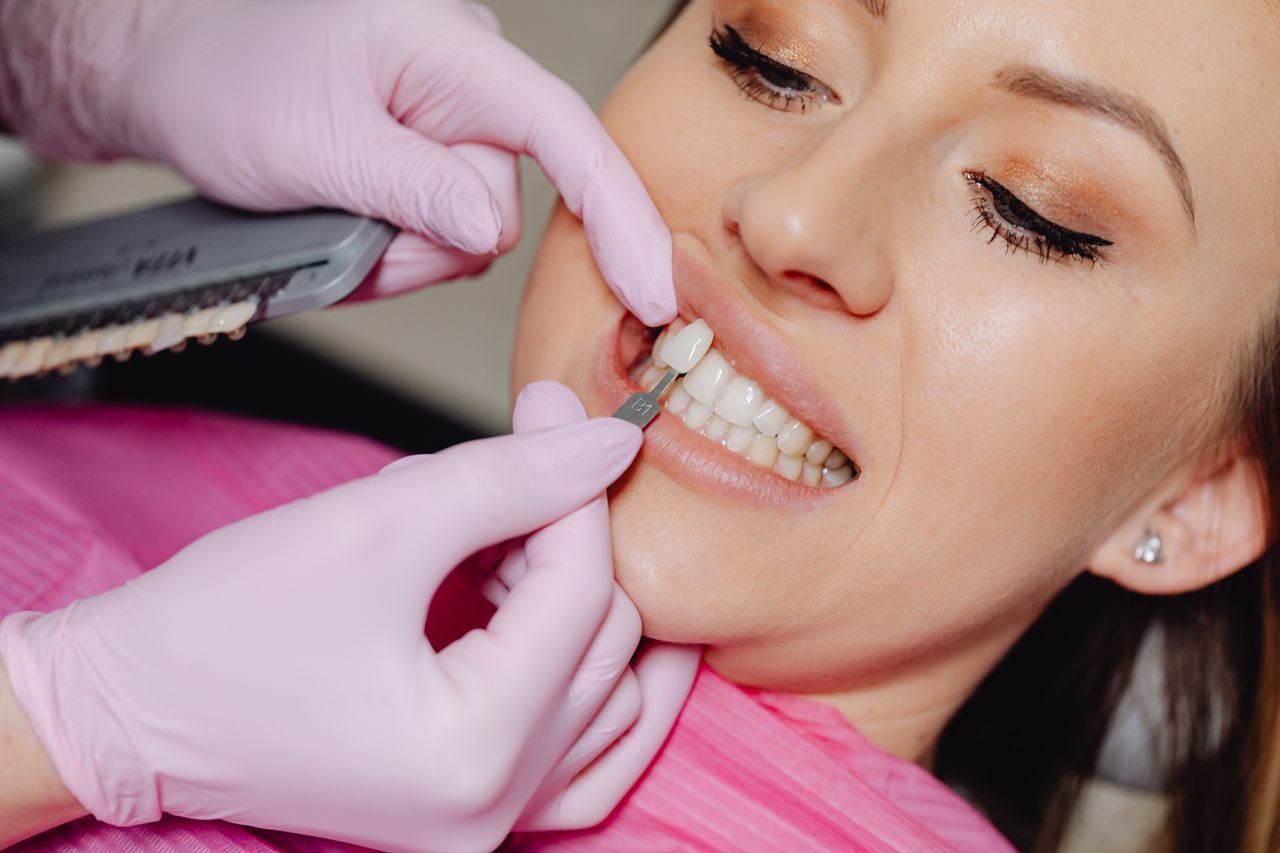
Fashion has always been about more than the clothes people wear. It is a language of personal expression, a reflection of individuality and an evolving relationship with appearance. From carefully selected accessories to subtle changes in hairstyle, the smallest details can influence how someone presents themselves to the world. Increasingly, the smile has become part of this conversation.
Modern cosmetic dentistry has introduced new possibilities for people who wish to refine the appearance of their teeth without losing the natural character of their smile. Among these developments, dental veneers have earned attention for their ability to address selected imperfections involving tooth colour, shape, proportion and alignment. However, their appeal extends beyond aesthetics. When carefully planned and appropriately placed, veneers can offer both visual improvements and practical restorative value.
The growing interest in dental veneers reflects a broader cultural shift: beauty is becoming less about achieving a universal ideal and more about creating an appearance that feels authentic, balanced and personally meaningful.
The Smile as an Expression of Personal Style
A person’s smile is one of their most recognisable features. It communicates warmth, confidence and emotion before a conversation has properly begun. Just as fashion allows individuals to express their personalities, cosmetic dentistry can provide opportunities to refine aspects of their appearance that influence how comfortably they smile.
Dental veneers are thin coverings, commonly made from porcelain or composite resin, designed to improve the visible surfaces of selected teeth. Depending on the material and treatment plan, they can address discolouration, minor chips, uneven edges, small gaps and certain irregularities in tooth shape.
Porcelain veneers are valued for their durability and ability to reproduce the light-reflecting qualities of natural enamel. Composite veneers offer another approach, often involving less laboratory work and, in suitable cases, more conservative preparation.
Neither option is automatically right for everyone. The condition of the natural teeth, gum health, bite alignment and individual expectations all influence treatment suitability.
The most successful cosmetic outcomes are rarely the most dramatic. They are often the ones that complement a person’s facial features while preserving the individuality of their expression.
The Art and Science of Choosing the Right Shade
Colour is one of the most influential elements of veneer design. A smile that appears too bright or uniform can sometimes look disconnected from the rest of a person’s features. Conversely, a carefully selected shade can create a harmonious result that looks fresh without appearing artificial.
Understanding how to choose the right shade for dental veneers involves more than selecting the whitest option on a dental shade guide.
Dentists consider several factors when planning veneer colour:
– Natural tooth colour: Existing teeth influence the appearance of the final result, particularly when veneers are not being placed across every visible tooth.
– Skin tone and complexion: The relationship between tooth colour and surrounding facial features can influence whether a warmer or cooler shade appears more harmonious.
– Age and natural characteristics: Natural teeth often contain subtle variations in colour and translucency. Reproducing these characteristics can create a more believable appearance.
– Personal preferences: Some patients prefer a subtle enhancement, while others desire a brighter cosmetic result.
– Material selection: Porcelain and composite materials have different optical properties, influencing how they reflect and transmit light.
Lighting also matters. Tooth shades can appear different under natural daylight, indoor lighting and dental surgery lights. A thoughtful consultation allows patients and dental professionals to discuss these differences before finalising the treatment.
The objective should not necessarily be the brightest smile possible. It should be a shade that complements the individual rather than competing with their natural appearance.
Beyond Appearance: The Functional Value of Modern Veneers
Although veneers are commonly associated with cosmetic improvements, their value can also involve practical considerations.
One of their key advantages is the ability to improve the appearance of teeth affected by certain forms of discolouration, surface damage or irregularity. In selected cases, they may also help restore the visible contours of chipped or worn teeth.
These are the aesthetic and functional benefits that make veneer treatment an interesting part of modern restorative and cosmetic dentistry.
Porcelain veneers, for example, can provide a durable covering for appropriately selected teeth, while composite materials allow dentists to reshape and repair certain imperfections directly.
However, veneers are not a universal solution for damaged teeth. More extensive structural problems may require alternative treatments, such as dental crowns or other restorative procedures. Likewise, veneers do not correct significant orthodontic problems or treat underlying gum disease.
A comprehensive examination is therefore essential before treatment. The dentist must assess enamel availability, existing restorations, bite forces and the condition of the surrounding tissues.
Patients who grind or clench their teeth may also require additional precautions, such as a protective night guard, to reduce the risk of veneer damage.
Digital Smile Design and the Personalisation of Beauty
Technology is changing how patients explore cosmetic dental treatment. Digital photography, intraoral scanning and computer-assisted smile planning can help dentists evaluate tooth proportions and communicate proposed changes.
Digital Smile Design is one approach that uses photographs and digital representations to help visualise potential aesthetic outcomes. Rather than relying entirely on verbal descriptions, patients can gain a clearer understanding of how changes in tooth shape, length and proportion may influence their smile.
Some clinics may also use temporary mock-ups to demonstrate proposed changes before proceeding with permanent treatment.
These tools can make the consultation process more collaborative. Patients have an opportunity to discuss what they like, what they would prefer to preserve and how subtle adjustments might influence their overall appearance.
Still, digital simulations are planning aids rather than guarantees. The final result depends on clinical conditions, material properties, technical execution and biological factors.
Preserving Natural Teeth in the Pursuit of Beauty
Perhaps the most important conversation surrounding modern veneers is not about how much a smile can be transformed, but how much natural tooth structure can be preserved.
Traditional veneer preparation may involve removing a small amount of enamel to create space for the restoration. The extent varies according to the individual case, and some patients may qualify for minimal-preparation or no-preparation options.
However, these approaches are not suitable for everyone. Placing veneers without adequate planning can create problems involving bulk, gum health or the final appearance.
It is also important to recognise that veneer treatment is generally irreversible when enamel has been removed. Porcelain veneers may eventually require replacement, while composite restorations may need maintenance, polishing or repair over time.
Patients should understand these long-term responsibilities before committing to treatment.
Good cosmetic dentistry should respect the natural teeth rather than treating them as disposable foundations for an aesthetic upgrade.
Confidence That Goes Beyond the Mirror
The relationship between appearance and confidence is personal. For some people, correcting a visible chip or addressing longstanding discolouration can make smiling feel more comfortable. For others, the greatest improvement may come from finally understanding their dental options and choosing a treatment that suits their needs.
Yet confidence should never depend on meeting an unrealistic beauty standard.
Modern dental veneers are most meaningful when they support individuality rather than erase it. A naturally proportioned smile with subtle imperfections can be just as attractive as one with perfectly uniform teeth.
The future of cosmetic dentistry is therefore moving towards a more thoughtful definition of beauty: one that considers facial harmony, oral health, personal preference and long-term function together.
Ultimately, beauty often lives in the details. The right veneer treatment is not about creating someone else’s smile. It is about helping people feel comfortable with their own, while protecting the health and integrity of the teeth that make that smile possible.

Beauty in the Details: Why Modern Dental Veneers Are Changing the Conversation Around Fashion, Confidence and Oral Care

Signs Your Kitchen Needs Maintenance Before It Needs a Renovation

How Slim Phone Cases Balance Style and Everyday Protection

Why Aramid Fiber Is Becoming a Premium Phone Case Material

Trousers at €95 and €120 on a Ten-Piece Rail

Trousers at €61 or €105 on an Eight-Piece Rail

A Complete Annapurna Trekking Guide: Itineraries, Altitude, Accommodation and Trail Conditions

Emotional and Practical Tips for Moving Into a Senior Community

The Design Secrets Behind Eye-Catching Glass Recognition Awards

Stress, Burnout and Substance Abuse: Understanding the Connection

How to Make Kofta Kebabs at Home Without Overthinking It

Beyond the Interior: Home Improvements That Transform Your Entire Property

Building a Competitive Online Presence with Link Building Services and SEO Packages

Competitor Sentiment Analysis: 7 Tools to Stop Guessing

Phoenix’s Construction Boom Is Changing How Workers, Drivers, and Businesses Share Urban Space

Spider Web Graphics in Fashion From Halloween to Streetwear

Sean Hannity Net Worth: Inside His Wealth, Career and Homes

Brez Scales Net Worth: How TikTok ,YouTube and Business Made Him Rich

John Abraham Hewson: What We Know About Bono’s Youngest Son

Building Coherent Multi-Object Scenes Through Seeworld Spatial Planning
Beauty in the Details: Why Modern Dental Veneers Are Changing the Conversation Around Fashion, Confidence and Oral Care
Signs Your Kitchen Needs Maintenance Before It Needs a Renovation
How Slim Phone Cases Balance Style and Everyday Protection
Why Aramid Fiber Is Becoming a Premium Phone Case Material
Trousers at €95 and €120 on a Ten-Piece Rail
Trousers at €61 or €105 on an Eight-Piece Rail
A Complete Annapurna Trekking Guide: Itineraries, Altitude, Accommodation and Trail Conditions
Emotional and Practical Tips for Moving Into a Senior Community
The Design Secrets Behind Eye-Catching Glass Recognition Awards






