Blog
The Design Secrets Behind Eye-Catching Glass Recognition Awards

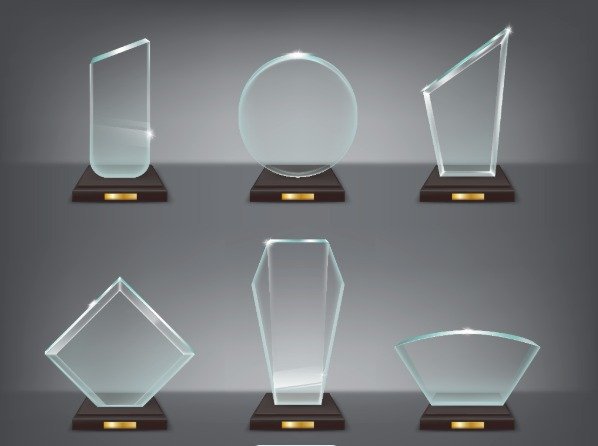
A recognition award should do more than mark an achievement. Its design should capture attention, reflect the importance of the occasion, and give the recipient something worth displaying. Glass is particularly suitable for this purpose because it offers flexibility in shape, texture, color, and engraving. With the right combination of these elements, even a simple trophy can become an impressive presentation piece.
Organizations selecting glass awards should look beyond the basic shape of a trophy. Details such as polished edges, thoughtful proportions, creative engraving, and light interaction can make a significant difference to the finished appearance. A successful design balances visual appeal with practicality, ensuring the award looks attractive while clearly communicating the reason for recognition.
Unique Shapes Give Awards Their Character
The overall silhouette is one of the first things people notice about a trophy. Traditional rectangular designs offer a professional appearance, while more creative shapes can make an award feel distinctive.
Some popular design choices include:
- Flame shapes: Suitable for recognizing passion, dedication, and exceptional performance.
- Star designs: Often used for outstanding achievements and excellence.
- Geometric forms: Create a contemporary appearance for modern corporate events.
- Curved profiles: Add movement and softness to the overall design.
- Custom silhouettes: Allow organizations to reflect their brand identity or event theme.
The shape should support the purpose of the award rather than simply look unusual. A well-selected design makes recognition feel appropriate and intentional.
Polished Edges Add Sophistication
Edges play an important role in the appearance of glass trophies. Poorly finished edges can make even an attractive design look incomplete.
Polished edges create a smooth, refined finish, while beveled edges introduce angled surfaces that interact with light. These details can produce subtle reflections and highlights, making the trophy more visually interesting.
The thickness of the glass also affects its appearance. A thicker design may create a more substantial presentation, while a slimmer profile can look modern and understated. The right choice depends on the intended size and overall design.
Engraving Turns a Trophy Into a Personal Gift
A beautiful trophy becomes more meaningful when it includes details about the recipient and their achievement. Engraving provides an opportunity to communicate appreciation directly.
Common personalization elements include:
- Recipient’s full name.
- Award title or recognition category.
- Company or organization logo.
- Date of presentation.
- A short appreciation message.
The placement of these details matters. Text should be easy to read and positioned in a way that complements the shape. Too much information can make the design look crowded, so concise wording is generally preferable.
Laser engraving can also create detailed patterns, logos, and inscriptions. Some designs incorporate internal engraving to give the artwork a distinctive appearance within the glass.
Color and Texture Create Contrast
Although clear glass remains a popular choice, designers can introduce color and texture to create a different visual effect.
Frosted sections provide contrast against transparent surfaces, helping engraved details stand out. Colored glass can introduce a connection to corporate branding or event themes. Combining different finishes can also add depth without making the trophy appear overly complicated.
The key is moderation. A recognition award should remain visually balanced, with decorative elements supporting the main message instead of distracting from it.
Lighting Enhances the Presentation
Glass naturally interacts with light, making lighting an important part of its visual appeal. Carefully cut surfaces, beveled edges, and transparent sections can produce attractive highlights when placed under suitable lighting.
This becomes particularly noticeable during formal award ceremonies. Stage lighting can emphasize the trophy’s shape and polished finish, creating a memorable presentation moment.
For awards intended for office display, a design that looks attractive under ordinary indoor lighting is equally important. It should not depend entirely on special lighting to appear impressive.
The Base Provides Stability and Completes the Design
A trophy’s base is both a functional and decorative feature. It supports the glass structure and helps the award stand securely on a flat surface.
The base should complement the main design in terms of size, shape, and finish. If it is too small, the trophy may appear unstable. If it is disproportionately large, it can distract from the glass itself.
A suitable base also provides additional space for engraving when required.
Good Design Balances Appearance and Practicality
An eye-catching award should still be easy to handle, transport, and display. Extremely delicate shapes may look attractive but require extra care. Organizations should consider durability, weight, packaging, and storage when selecting a design.
The best recognition awards combine creative styling with reliable craftsmanship. When shape, engraving, finishing, and proportions work together, the result feels complete and appropriate for the achievement being celebrated.
Key Takeaways
- Unique shapes help establish the character and visual identity of glass recognition awards.
- Polished and beveled edges improve the overall finish and light interaction.
- Personalized engraving makes awards more meaningful to recipients.
- Color, texture, and lighting can enhance visual appeal when used thoughtfully.
- Balanced proportions, a stable base, and quality craftsmanship create an attractive and practical award.

The Design Secrets Behind Eye-Catching Glass Recognition Awards

Stress, Burnout and Substance Abuse: Understanding the Connection

Virat Kohli Net Worth: Cricket, Brands and Business

Richest Cricketers in the World: Reading the Top 10

Supply Chain Software Architecture: APIs, Data Platforms, and AI Layers Explained

Old Hollywood on the Hand: How Classic Screen Glamour Shapes Today’s Ring Designs

Styling the Oval: Settings, Stacks and Proportions That Flatter

The Round Brilliant, a Century On: Why One Cut Still Defines the Diamond

Area Rug Sizing Mistakes and How to Avoid Them

Marion Cotillard and Azim Premji: Everything You Should Know About Their Lives

How to Make Kofta Kebabs at Home Without Overthinking It

Ethan Klein Net Worth: YouTube H3 Podcast and His Wealth

Beyond the Interior: Home Improvements That Transform Your Entire Property

Lex Fridman Net Worth: Salary, Podcast and YouTube Money

Building a Competitive Online Presence with Link Building Services and SEO Packages

Josh Johnson Net Worth: How Rich Is the Comedy Star Today?

Competitor Sentiment Analysis: 7 Tools to Stop Guessing

Who Is Shanna Underwood Means? Meet Carrie Underwood’s Private Sister

Phoenix’s Construction Boom Is Changing How Workers, Drivers, and Businesses Share Urban Space

Spider Web Graphics in Fashion From Halloween to Streetwear
The Design Secrets Behind Eye-Catching Glass Recognition Awards
Stress, Burnout and Substance Abuse: Understanding the Connection
Virat Kohli Net Worth: Cricket, Brands and Business
Richest Cricketers in the World: Reading the Top 10
Supply Chain Software Architecture: APIs, Data Platforms, and AI Layers Explained
Old Hollywood on the Hand: How Classic Screen Glamour Shapes Today’s Ring Designs
Styling the Oval: Settings, Stacks and Proportions That Flatter
The Round Brilliant, a Century On: Why One Cut Still Defines the Diamond
Area Rug Sizing Mistakes and How to Avoid Them