Blog
Why Aramid Fiber Is Becoming a Premium Phone Case Material

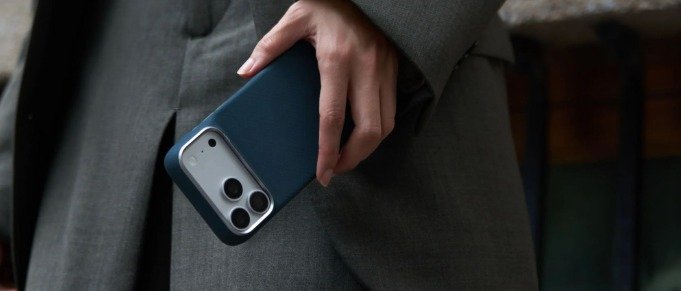
A premium phone case earns its place through details you notice every day: the surface under your fingers, the way it follows the phone, and how easily it slips into a pocket. Aramid fiber appeals because it combines a visible woven structure with the possibility of a slim shell. Its appeal is as much about restraint as decoration.
PITAKA’s aramid fiber phone case range illustrates that approach: the weave gives the surface character while the case remains close to the device’s outline. For readers considering an aramid fiber iphone case, the useful question is how that material choice changes the object they carry.
The weave gives a small object visual depth
A phone case sits beside clothing, bags and other personal accessories. A woven surface introduces a pattern at a smaller scale than a large logo or printed illustration. Light reveals the direction of the threads, so even a restrained colour scheme can have visible depth.
That opens up several design possibilities:
- A dark twill can suit a quiet, functional everyday carry.
- A coloured weave can become the main visual detail on an otherwise simple phone.
- A coordinated camera surround can make the rear surface look more considered.
PITAKA’s Forest Dawn design for iPhone 17 Pro, from its MÜNN collaboration, provides a specific example of weaving used as a design feature. The listed variant is an Edge case with PitaTap and MagSafe compatibility. The visual treatment belongs to that design; it should not be assumed to describe every aramid case.
A thin shell changes how the phone fits into daily life
A case has to share space with everything else in a pocket or small bag. Added width can make a familiar phone feel more awkward to hold, while a deep rear profile can catch against the opening of a narrow compartment. Choosing a slim shell is a practical design decision for someone who values easy carrying.
Aramid composites give designers a way to build a thin, shaped surface. The finished feel still comes from the whole construction: the resin, edge finishing, camera surround and any additional frame. The weave alone cannot tell a buyer how comfortable the case will be.
Useful details to examine include:
- Whether the lower edge feels smooth where the little finger supports the phone.
- Whether the side surface offers a comfortable place to hold it.
- Whether the camera surround clears the lenses without obstructing nearby accessories.
Premium materials still involve a choice about protection
A slender shell leaves less room for a deep cushioning structure. Someone who mostly wants a covered back and a slim outline may welcome that choice. Someone whose phone regularly falls onto hard floors has a different requirement and should examine the finished case’s corners, screen clearance and relevant testing.
There are ownership costs too. A woven composite can carry a higher purchase price, and its surface finish can acquire marks through use. Paying more makes sense when the material, appearance and handling are features the owner will appreciate repeatedly.
The attraction of aramid is therefore quite concrete: it lets a necessary accessory feel deliberate without demanding a bulky shape. The best expression of that idea is a case whose texture, edges and fit all serve the same everyday purpose.
Product features refer to the named variants and manufacturer descriptions; material characteristics do not establish a finished case’s drop performance.

Beauty in the Details: Why Modern Dental Veneers Are Changing the Conversation Around Fashion, Confidence and Oral Care

Signs Your Kitchen Needs Maintenance Before It Needs a Renovation

How Slim Phone Cases Balance Style and Everyday Protection

Why Aramid Fiber Is Becoming a Premium Phone Case Material

Trousers at €95 and €120 on a Ten-Piece Rail

Trousers at €61 or €105 on an Eight-Piece Rail

A Complete Annapurna Trekking Guide: Itineraries, Altitude, Accommodation and Trail Conditions

Emotional and Practical Tips for Moving Into a Senior Community

The Design Secrets Behind Eye-Catching Glass Recognition Awards

Stress, Burnout and Substance Abuse: Understanding the Connection

How to Make Kofta Kebabs at Home Without Overthinking It

Beyond the Interior: Home Improvements That Transform Your Entire Property

Building a Competitive Online Presence with Link Building Services and SEO Packages

Competitor Sentiment Analysis: 7 Tools to Stop Guessing

Phoenix’s Construction Boom Is Changing How Workers, Drivers, and Businesses Share Urban Space

Spider Web Graphics in Fashion From Halloween to Streetwear

Sean Hannity Net Worth: Inside His Wealth, Career and Homes

Brez Scales Net Worth: How TikTok ,YouTube and Business Made Him Rich

John Abraham Hewson: What We Know About Bono’s Youngest Son

Building Coherent Multi-Object Scenes Through Seeworld Spatial Planning
Beauty in the Details: Why Modern Dental Veneers Are Changing the Conversation Around Fashion, Confidence and Oral Care
Signs Your Kitchen Needs Maintenance Before It Needs a Renovation
How Slim Phone Cases Balance Style and Everyday Protection
Why Aramid Fiber Is Becoming a Premium Phone Case Material
Trousers at €95 and €120 on a Ten-Piece Rail
Trousers at €61 or €105 on an Eight-Piece Rail
A Complete Annapurna Trekking Guide: Itineraries, Altitude, Accommodation and Trail Conditions
Emotional and Practical Tips for Moving Into a Senior Community
The Design Secrets Behind Eye-Catching Glass Recognition Awards